
.webp)

.webp)
.webp)
.webp)

.jpeg)

.svg)
.svg)

Solar energy generation in India differs significantly from state to state. From the sun-drenched plains of Rajasthan to the cloud-prone regions of Kerala, solar plant performance varies dramatically across states. Yet, despite investing significantly in solar infrastructure, many plant owners have no clue about their system's performance efficiency. This is where solar remote monitoring becomes a critical tool.
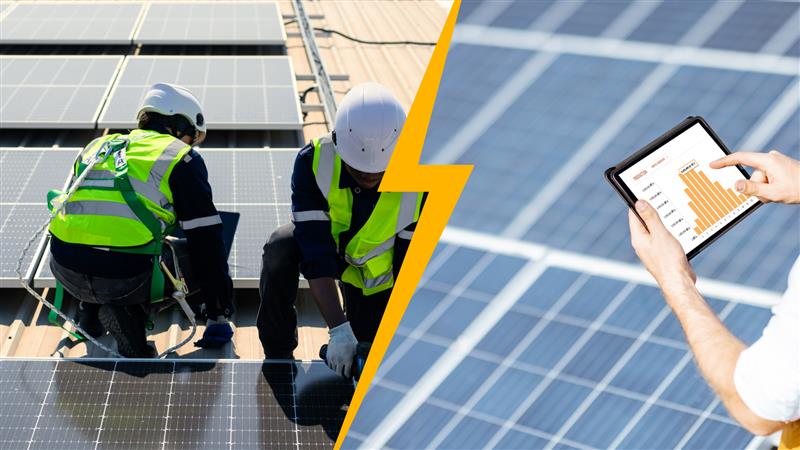
Solar plant owners must understand that installing panels is just the first step. Sustained performance depends highly on how well plants are tracked, analyzed, and optimized over time. This is where a robust solar monitoring system becomes critical. By combining real-time solar monitoring and other actionable insights, EPCs and asset owners can reduce losses over time. So, if you own a solar system or have already been considering getting a solar downtime monitoring system, keep reading!
State-Wise Solar Performance
India’s solar capacity has grown rapidly over the last decade, but plant performance still varies widely from state to state. Take a look:
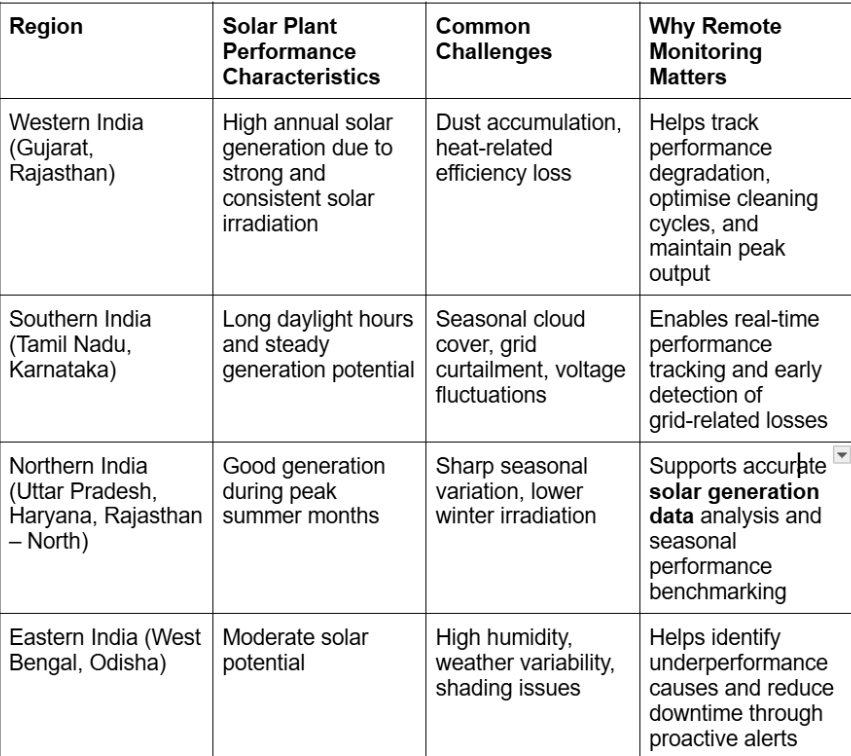
These variations in performance and challenges make solar performance monitoring essential. Without consistent access to solar generation data, EPCs cannot identify whether underperformance is caused by environmental factors, system faults, or operational delays. It's possible that a plant that produces less than expected in a certain state isn't badly constructed or planned but rather isn't adequately monitored.
But with solar monitoring solutions in India, EPCs can evaluate plants state-wise, compare expected vs. actual output, and identify regional performance patterns that manual inspections often miss due to inadequate data.
Unlocking Regional Insights Through Monitoring
State-wise performance trends are only visible and useful when data is consistently captured and analyzed. Solar monitoring in India enables EPCs to:
- Compare performance benchmarks across states
- Identify recurring regional issues like grid outages or weather-related losses
- Adjust system design and maintenance strategies for future projects
Over time, these insights help EPCs deliver better-designed plants and strengthen client trust.
Role of Remote Monitoring in Solar Plant Performance
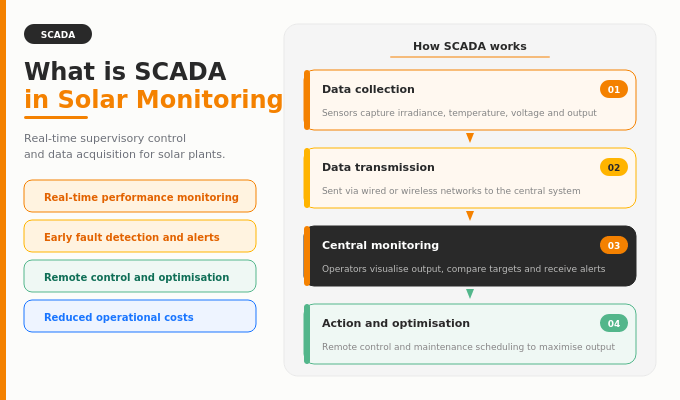
A modern solar remote monitoring setup provides continuous visibility into plant operations. This includes module-level data, inverter health, grid availability, and energy export trends. More importantly, it enables EPCs to act before small issues turn into revenue losses. Here’s how it helps:
1. Reducing Downtime Across Regions
Plants in every state suffer loss due to unexpected shutdowns, inverter trips, or communication breakdowns. These problems may go undetected for days in the absence of solar downtime monitoring. Real-time solar monitoring alerts EPCs instantly, reducing downtime and protecting energy generation.
2. Improving ROI Through Performance Tracking
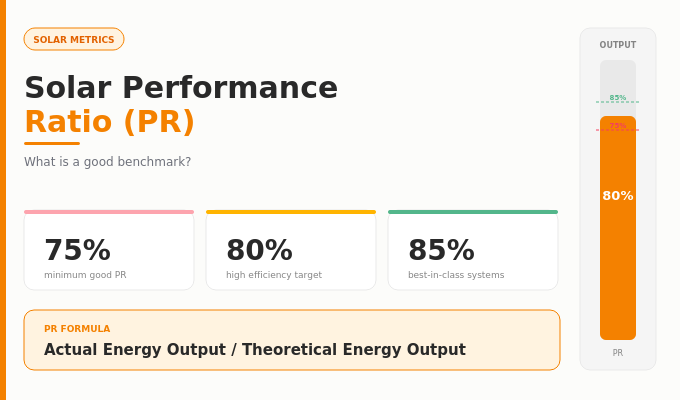
Over the course of a plant's life, even a 1%–2% decrease in production when compounded over time, has a substantial impact. When EPCs monitor daily variations and optimize cleaning schedules, inverter loads, and maintenance cycles, plant performance improves. This directly improves long-term ROI.
3. Supporting Solar O&M in India
As portfolios scale, solar operations and management in India is no longer manageable through site visits alone. Thanks to remote monitoring and management, EPCs can now oversee multiple plants across states from a single dashboard, reducing operational costs while maintaining performance standards.
Inverter Monitoring and Data Accuracy
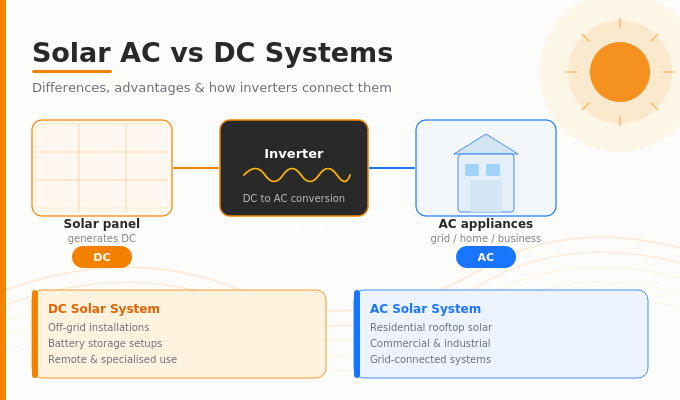
Inverters are the backbone of any solar plant, and solar inverter remote monitoring is often the first indicator of system health. Detailed inverter monitoring helps EPCs detect voltage issues, grid instability, or component degradation early. Accurate, consistent solar generation data also enables better forecasting and reporting. When EPCs can analyse trends state-wise, such as seasonal dips or grid-related curtailment they can plan proactive interventions rather than reactive fixes.
Choosing the Right Solar Monitoring Service Provider
Not all monitoring platforms deliver the same value. A strong and efficient solar monitoring system simplifies operations, eliminating complexities. Therefore, when choosing a real-time solar monitoring service, EPCs should evaluate providers based on
- Depth of monitoring: Does the system offer real-time data, inverter-level insights, and downtime alerts?
- Scalability: Can multiple plants across different states be monitored from one interface?
- Ease of use: Is the dashboard user-friendly for EPC teams and the solar O&M staff?
- Reliability: Does the platform ensure data accuracy and minimal communication gaps?
Many EPCs today prefer platforms that allow them to monitor all installations from a single app or dashboard. For example, solutions like the Aerem Partner App offer a centralized view where installers can track all plants in one place, improving response times and operational efficiency without juggling multiple tools. Centralized visibility during solar performance monitoring helps EPCs manage geographically dispersed solar panels.
To conclude, monitoring is the key to sustainable solar growth.
In a diverse country like India, maximizing solar output isn’t just about where solar plants are installed; it's about how they are managed. That’s exactly why solar remote monitoring plays a pivotal role in plant performance efficiency and supporting solar O&M in India.
As solar portfolios grow, EPCs that invest in reliable monitoring infrastructure will be better positioned to deliver predictable returns and long-term value. Platforms like Aerem’s monitoring solutions support this shift by helping EPCs track, manage, and optimize solar plants, seamlessly turning performance data into a competitive advantage.





















.png)



.png)



.jpeg)




.jpeg)









.jpeg)
.png)
.png)
.png)
.png)
.png)
.png)

.png)
.jpg)
