
.webp)

.webp)
.webp)
.webp)


.svg)
.svg)

Introduction
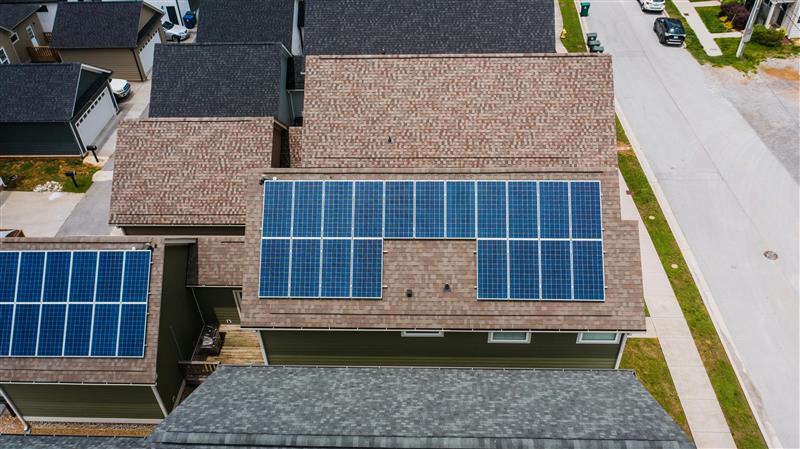
Installing rooftop solar is a bit like planting a tree. Once it's in place, it quietly does its job every day with very little attention. That said, "very little" doesn't mean "none."
A question many homeowners ask after a few months is whether the panels need to be cleaned at all. After all, they're sitting out in the rain and sunlight every day. Isn't nature taking care of them?
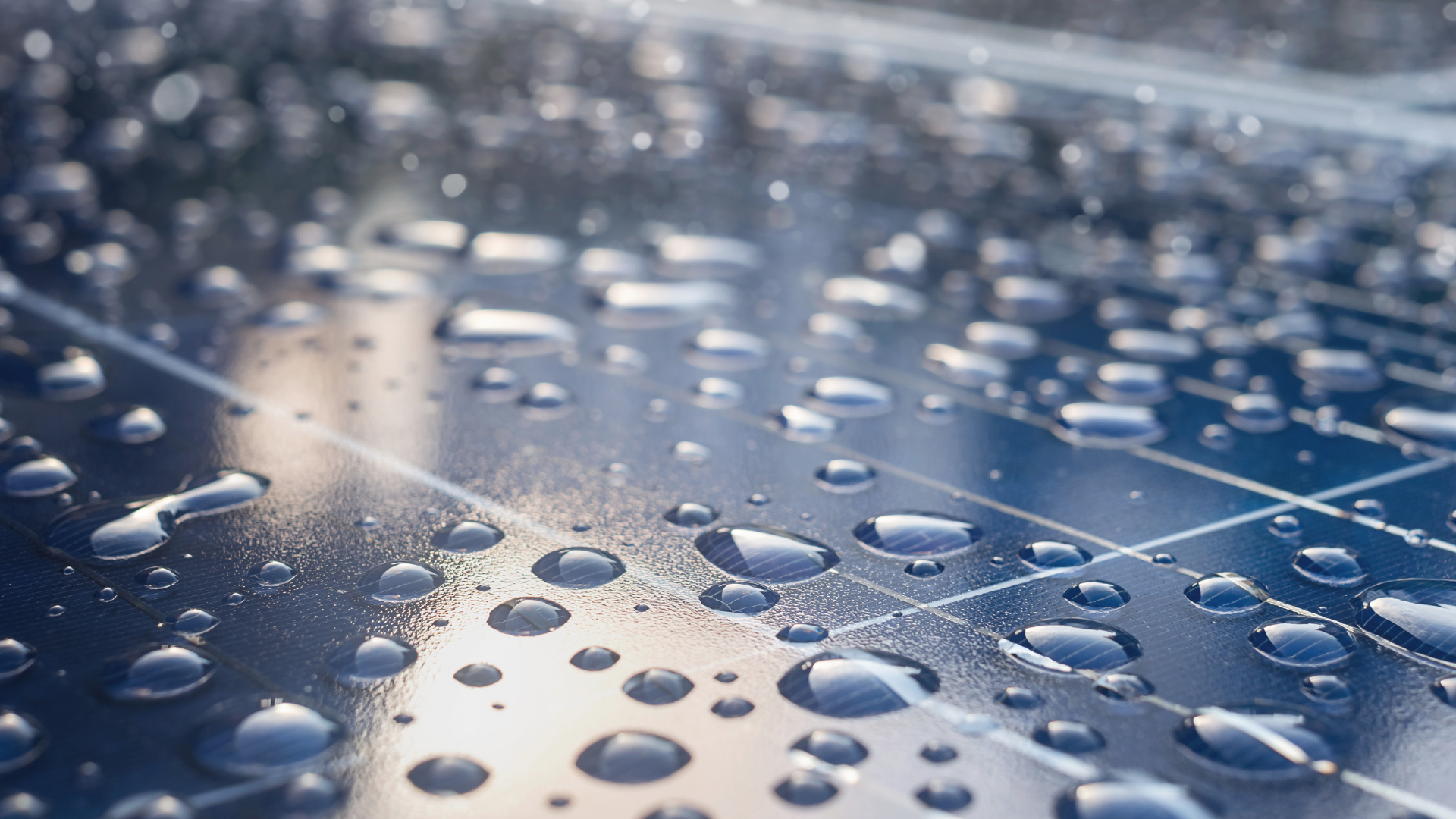
Sometimes it does. A good spell of rain can wash away loose dust, especially in cleaner environments. But in many parts of India, that's only part of the picture. Pollution, bird droppings, dry leaves, pollen, and construction dust can gradually settle on the panels, reducing the amount of sunlight that reaches the solar cells.
The good news is that maintaining a rooftop solar system is much simpler than most people imagine. With a little attention every now and then, a system can continue performing efficiently for decades.
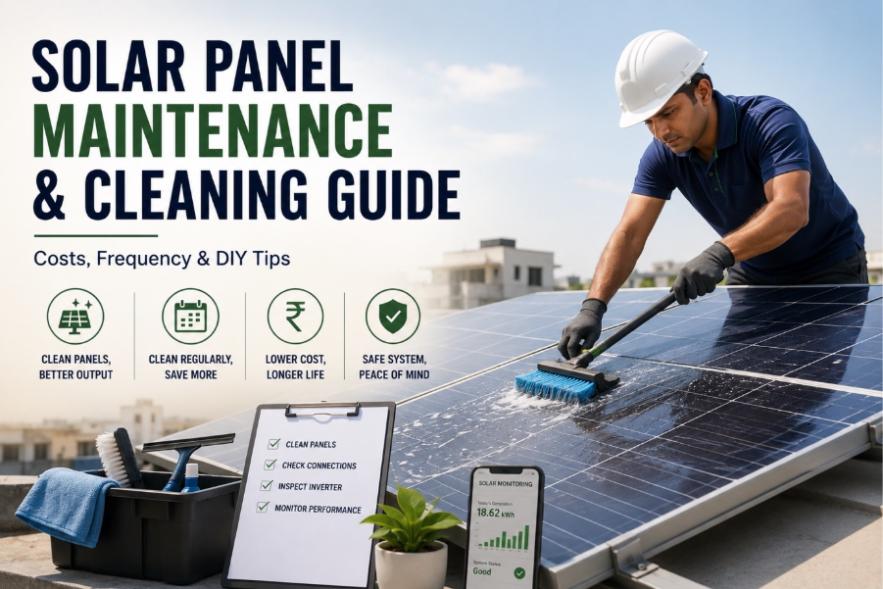
This guide explains how to maintain solar panels, how often they should be cleaned, what professional cleaning usually costs, and when it's worth calling in an expert.
Why Solar Panel Maintenance Matters
Solar panels don't have moving parts, which is one reason they're known for being reliable. Even so, they're constantly exposed to the weather.
Over time, a thin layer of dust can settle across the surface. In some locations, bird droppings, tree sap, or fallen leaves can block small sections of the panels. While a single patch may not seem like much, it can reduce the amount of electricity the system generates.
The extent of the solar panel dust impact on efficiency depends on where the system is installed. Homes near busy roads, industrial areas, or construction sites usually collect dust more quickly than rooftops in quieter neighborhoods.
Maintenance isn't only about cleaning, though. A quick visual inspection every few months can help identify loose cables, damaged mounts, or anything unusual before it turns into a bigger issue.
How Often Should Solar Panels Be Cleaned?
There's no universal schedule because every rooftop experiences different conditions.
A home in a coastal city that receives regular rainfall may need less frequent cleaning than one located near a dusty highway or in a dry inland region.
As a general guide, many installers recommend checking the system every few months and cleaning the panels when there's visible dirt or when generation starts dropping without any obvious reason.
Typical solar panel cleaning frequency looks something like this:
- Every 3 to 4 months in dusty or urban areas.
- Every 4 to 6 months in locations with moderate rainfall and lower pollution.
- After long dry spells or major dust storms.
- Whenever bird droppings or heavy debris are visible on the panels.
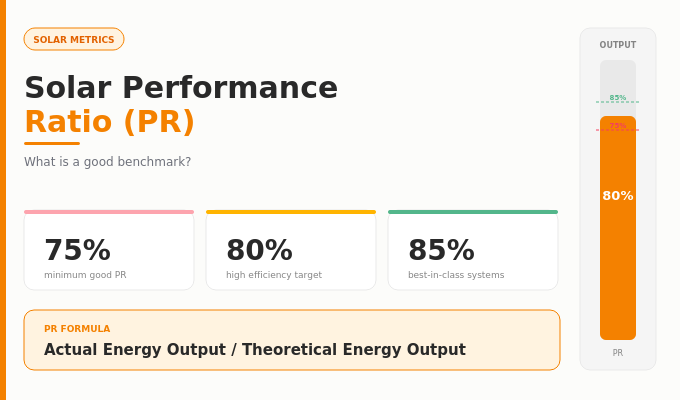
Rather than following the calendar alone, it helps to keep an eye on your system's electricity generation. A noticeable dip in output can sometimes indicate that the panels are due for cleaning.
Cost of Solar Panel Cleaning in India
Many homeowners are pleasantly surprised by how affordable professional cleaning can be.
The solar panel cleaning cost in India varies depending on the size of the system, roof accessibility, and the service provider.
As a broad estimate:
Indicative market ranges. Prices vary by city, roof height, and service scope.
For businesses investing in larger rooftop systems, maintenance costs should be considered alongside financing expenses. Many organizations choose commercial solar finance solutions that bundle installation, financing, and long-term maintenance planning, making it easier to manage operating costs while maximizing energy savings.
DIY Solar Panel Cleaning Tips
Cleaning rooftop panels isn't particularly complicated, but it does require a little care.
The goal is simply to remove dust and dirt without scratching the glass or putting yourself at risk.
Tools You'll Need
For most residential systems, a few basic items are enough:
- Soft sponge or microfiber cloth.
- Soft-bristle brush with an extendable handle.
- Bucket of clean water.
- Garden hose with gentle water pressure.
Avoid abrasive cleaning pads or harsh chemical detergents. The tempered glass covering modern solar panels is durable, but aggressive cleaning materials can still damage the surface over time.
Safety Precautions
Safety always comes before cleaning.
If your rooftop is steep, slippery, or difficult to access, it's usually better to leave the job to trained professionals.
If you decide to clean the panels yourself:
- Work during the early morning or late evening when the panels are cooler.
- Wear shoes with good grip.
- Avoid standing directly on the panels or their mounting structure.
- Use stable ladders and safety equipment where necessary.
- Never spray high-pressure water directly at electrical connections.
A simple cleaning routine should improve performance, not create unnecessary risks.
Professional Cleaning vs DIY
Whether you clean the panels yourself or hire a professional usually comes down to two things: accessibility and comfort.
For a single storey home with a gently sloping roof, an occasional DIY clean may be perfectly manageable. If the panels are easy to reach and there's only a light layer of dust, the task usually doesn't require specialized equipment.
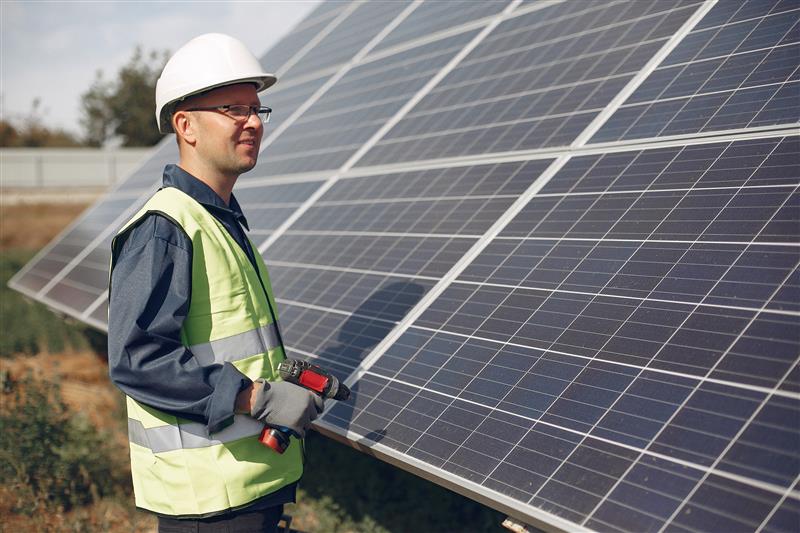
Professional cleaning becomes a better option when the installation is on a multi-story building, has difficult roof access, or hasn't been cleaned for a long time. Service providers often inspect the system while they're there, checking for loose mounting hardware, exposed cables, or visible damage that a homeowner might overlook.
For larger commercial projects, manual cleaning isn't always the most practical approach. Some operators now use a solar panel cleaning robot, especially for utility-scale plants or industrial rooftops where hundreds or thousands of panels need to be cleaned regularly. These automated systems improve efficiency and reduce the need for manual labor, particularly in large installations.
Impact of Dust and Dirt on Solar Output
A layer of dust may seem harmless, but over time it reduces the amount of sunlight reaching the solar cells.
The actual impact depends on local conditions. A rooftop beside a busy road or construction site usually accumulates dirt much faster than one surrounded by open green spaces. Bird droppings can have an even greater effect because they block sunlight from individual cells rather than covering the panel evenly.
Studies conducted across different regions have shown that soiling can reduce energy generation, although the extent varies with climate, rainfall, and pollution levels. In many residential settings, regular cleaning helps maintain consistent performance rather than dramatically increasing output.
That's why many installers recommend monitoring electricity generation instead of relying only on visual inspection. If your system suddenly starts producing noticeably less electricity without any seasonal explanation, cleaning is often a sensible first step.
Understanding the solar panel dust impact on efficiency helps homeowners plan maintenance before small losses become more noticeable over time.
Maintenance Checklist Beyond Cleaning
Cleaning is only one part of keeping a solar system in good condition.
A quick inspection every few months can help identify issues early and avoid unnecessary downtime.
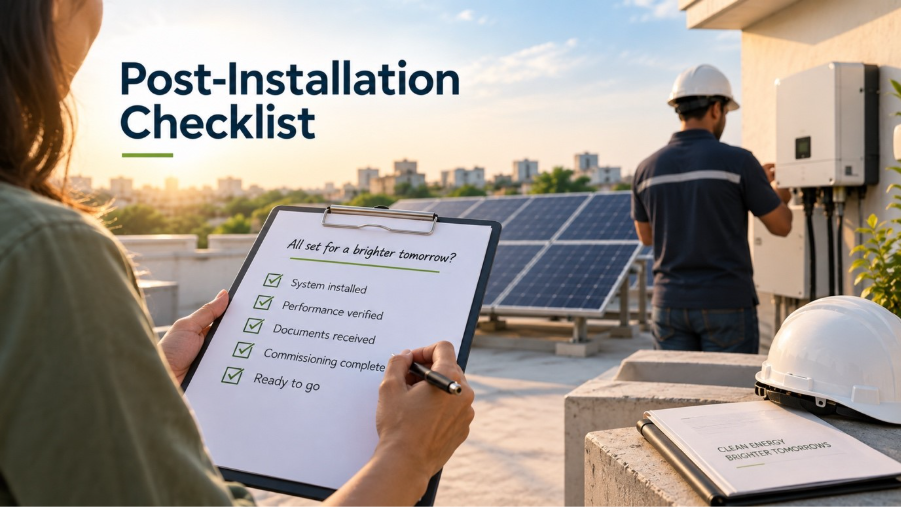
A simple maintenance checklist includes:
- Check that the panels are free from visible cracks or damage.
- Remove leaves or debris collecting around the array.
- Inspect mounting structures for signs of corrosion or loose bolts.
- Look for exposed or damaged electrical cables.
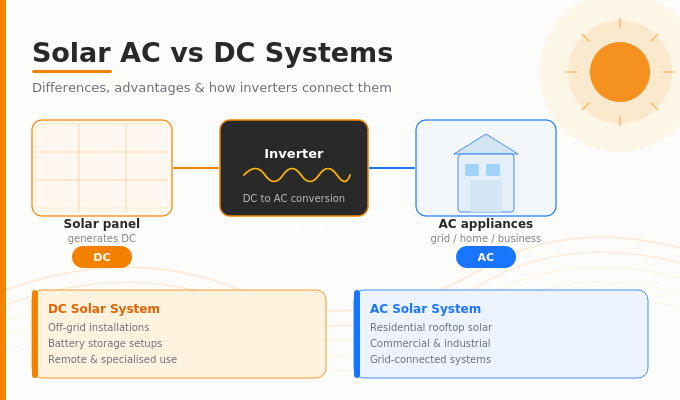
- Review electricity generation through the inverter or monitoring app.
- Listen for unusual noises from the inverter or electrical equipment.
Most of these checks take only a few minutes and don't require technical expertise.
Signs Your Solar System Needs Servicing
Solar systems usually perform quietly in the background, which means changes are often noticed only when electricity generation begins to fall.
A few signs that it's worth scheduling a professional inspection include:
- Electricity generation is consistently lower than usual.
- The inverter displays warning lights or error messages.
- Physical damage is visible after storms or heavy winds.
- Wiring appears loose or exposed.
- Water has entered electrical enclosures.
- Cleaning the panels doesn't improve performance.
Routine servicing isn't something most homeowners need every few months, but responding early to these warning signs can prevent larger repairs later.
How Aerem Helps You Get More from Your Solar System
Installing rooftop solar is only the beginning. Keeping the system performing well over the next 20 to 25 years is equally important.
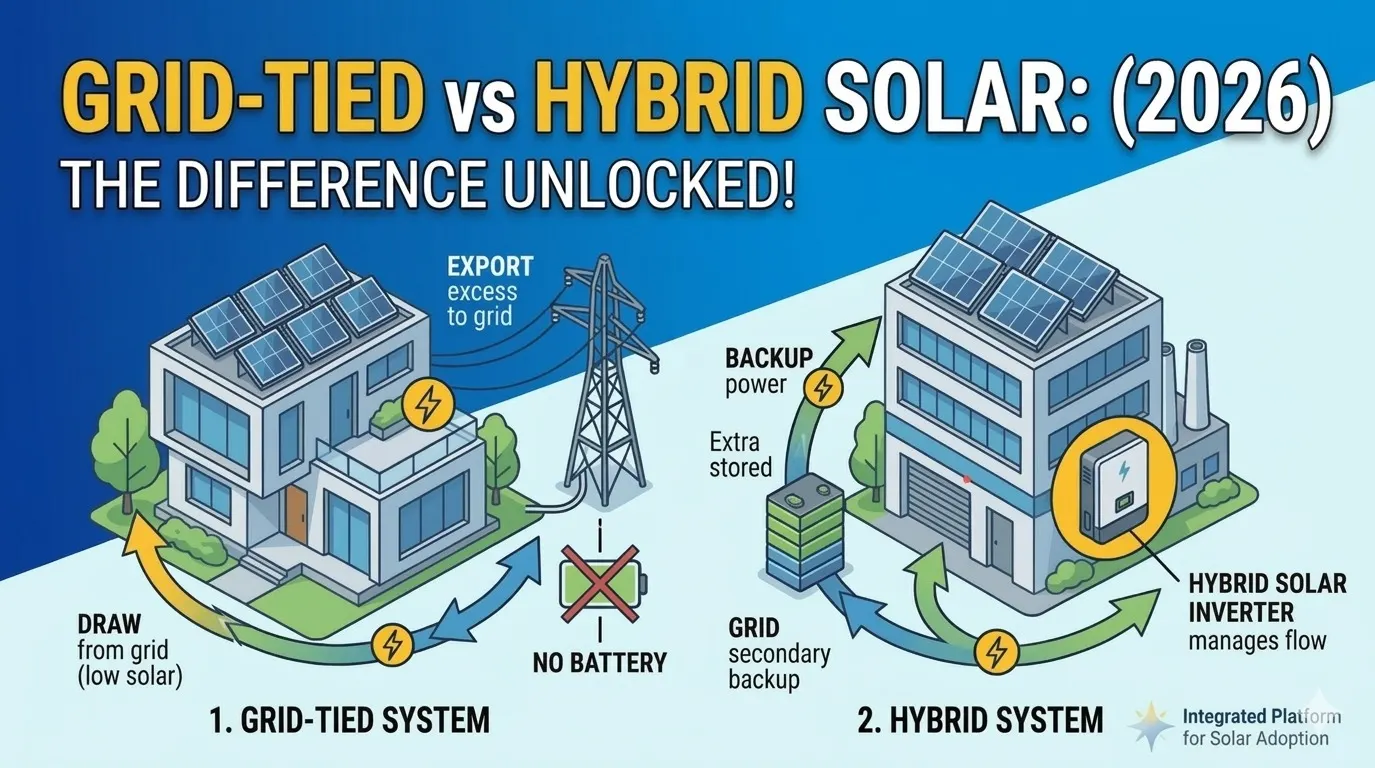
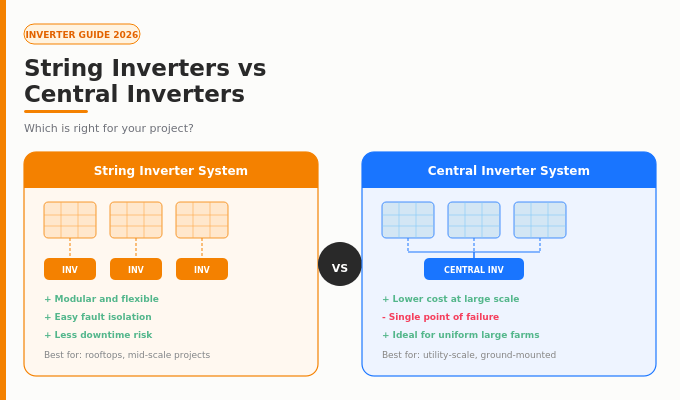
Aerem supports homeowners and businesses through trusted solar EPC services, helping ensure that systems are designed, installed, and maintained to high standards from the very beginning.
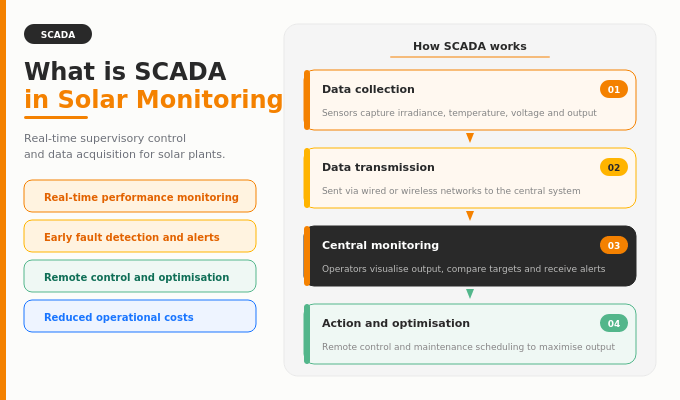
Performance doesn't stop at installation either. Through solar plant monitoring, users can track electricity generation, identify unexpected drops in output, and understand how their rooftop system is performing over time. Instead of waiting for the monthly electricity bill, homeowners can spot trends much earlier and schedule maintenance only when it's actually needed.
Conclusion
Solar panels don't demand much attention, which is one of the reasons they've become such a popular choice for homes and businesses. Even so, a little maintenance goes a long way.
Keeping the panels reasonably clean, checking system performance from time to time and arranging a professional inspection when something seems unusual can help protect both electricity generation and the overall life of the installation.
Rather than treating maintenance as another chore, it's helpful to think of it as protecting an investment that's expected to deliver clean energy for decades. A few hours of attention each year can make a noticeable difference to how efficiently your rooftop solar system performs over the long run.


















.png)


.png)


.jpeg)
.jpeg)



.jpeg)








.jpeg)
.webp)
.png)
.png)
.png)
.png)
.png)
.png)
.jpg)
