
.webp)

.webp)
.webp)
.webp)


.svg)
.svg)

Introduction
Installing a solar power system is about much more than placing panels on a rooftop.
A well-designed project considers everything from structural integrity and electrical safety to equipment sizing and future maintenance. When each step is handled carefully, the system delivers reliable performance for decades. Small oversights during installation, however, can reduce energy generation, increase maintenance costs, and shorten the life of key components.
Whether it's a residential rooftop or a large commercial installation, avoiding common solar installation mistakes is just as important as choosing high-quality equipment.
Let's look at some of the most common errors that EPCs encounter and how they can be prevented.
Mistake 1: Incorrect Site Assessment
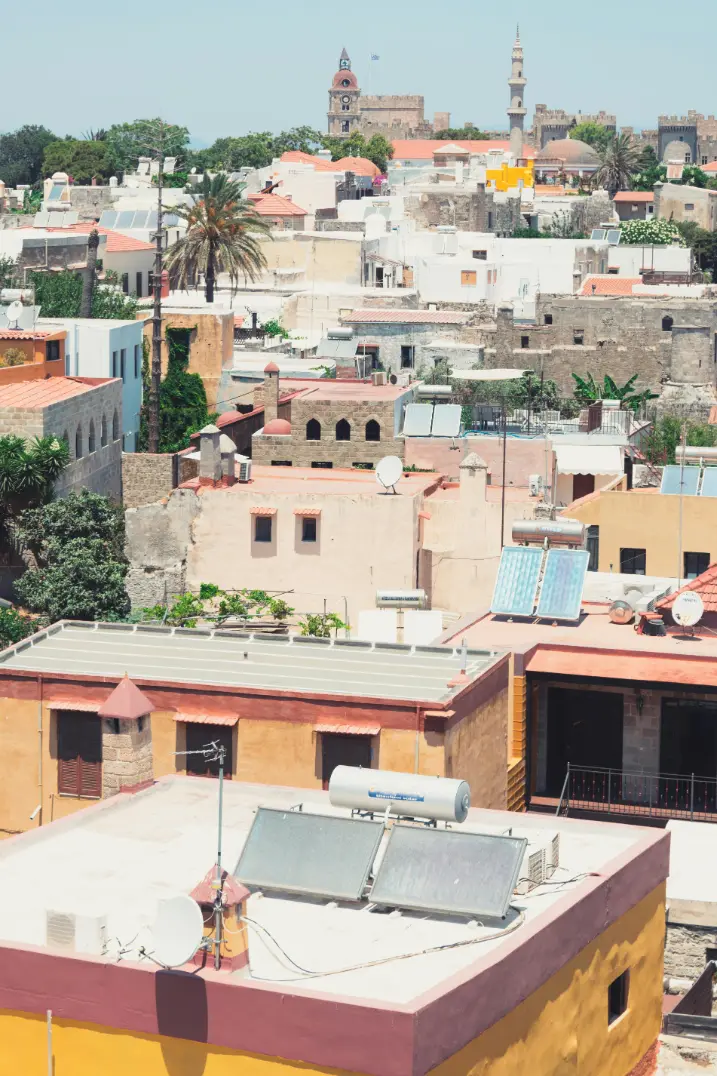
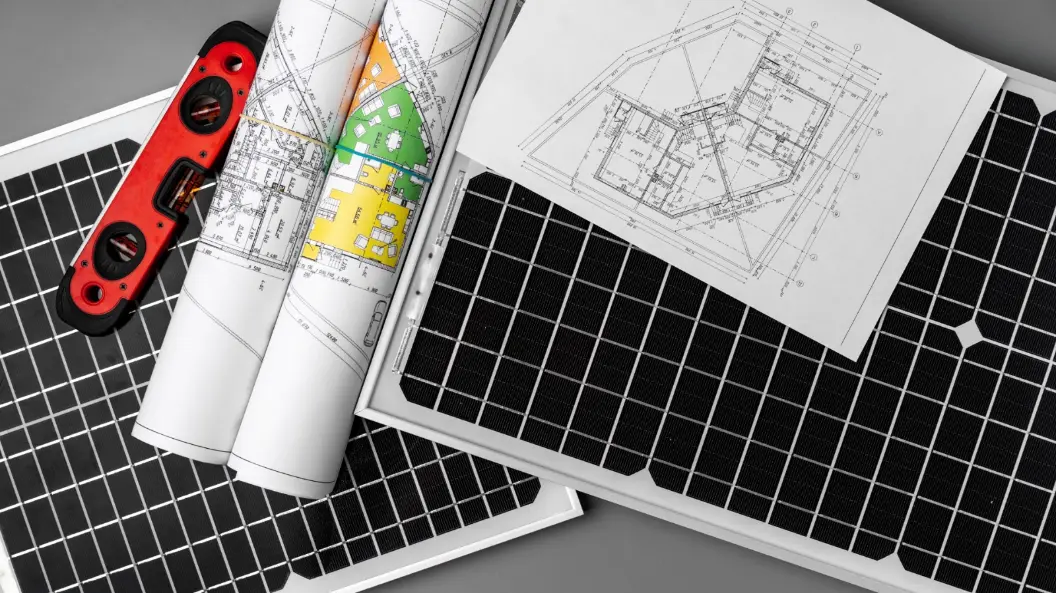
Every successful solar project starts with a detailed site assessment.
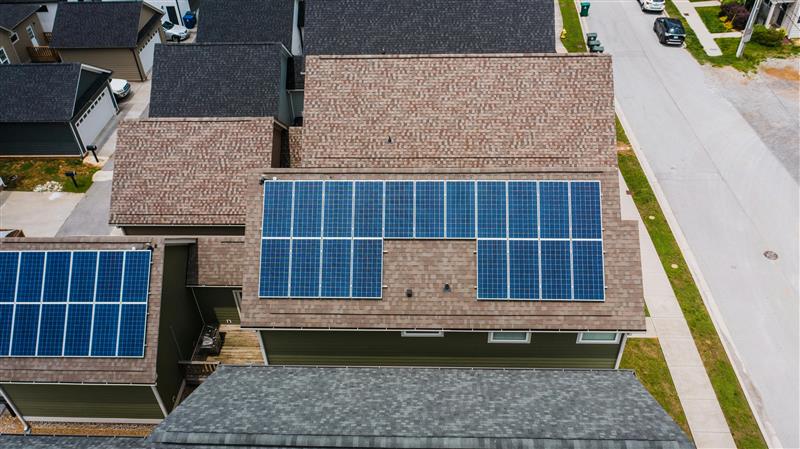
Before the first panel is installed, EPC teams need to understand the roof's condition, available space, structural capacity, electrical infrastructure, and future expansion possibilities.
Skipping this step or rushing through it can create problems later. For example, a roof that appears suitable may require structural reinforcement, or existing electrical systems may need upgrades before the solar plant can be connected safely.
A thorough site survey helps identify these factors early, allowing the project to be designed around the site's actual conditions rather than assumptions.
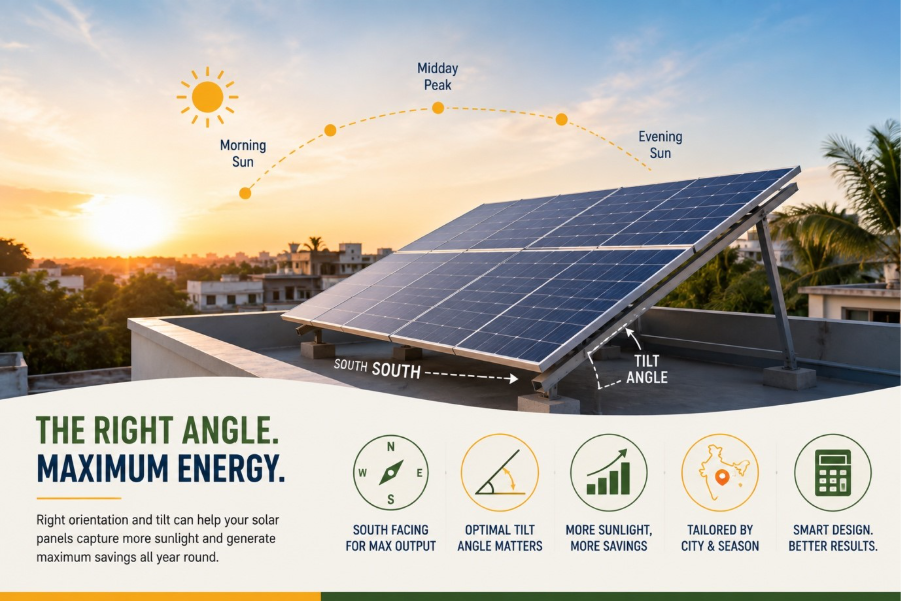
Mistake 2: Poor Panel Orientation and Tilt
Solar panels generate the most electricity when they receive maximum sunlight throughout the day.
Their orientation and tilt angle play a major role in determining how much energy they produce over the course of a year.
Imagine two identical buildings with the same solar capacity. If one system is installed at the appropriate tilt while the other faces a less favorable direction, the second system is likely to generate less electricity despite using the same equipment.
Finding the right balance between roof constraints and solar exposure is an important part of quality installation.
Mistake 3: Undersized orOversized Inverter
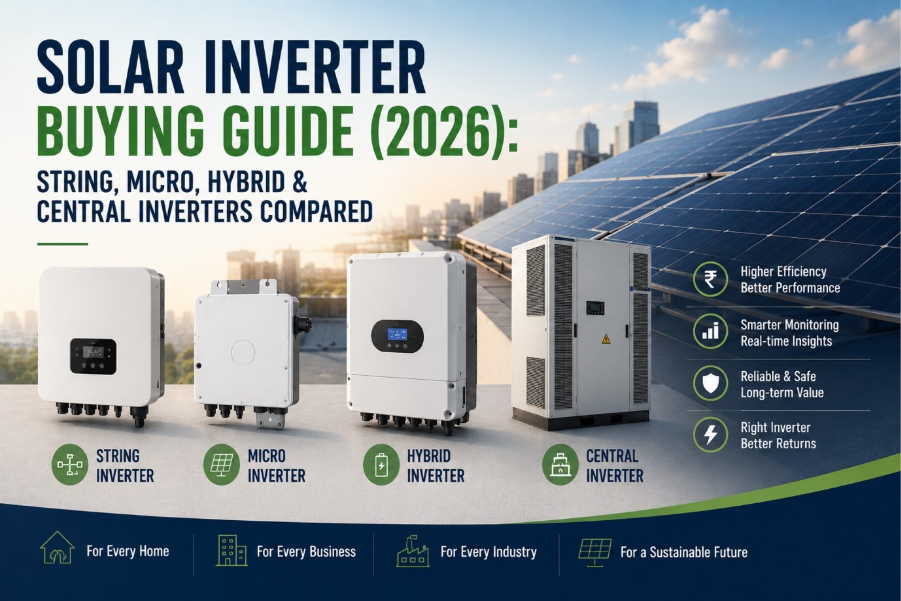
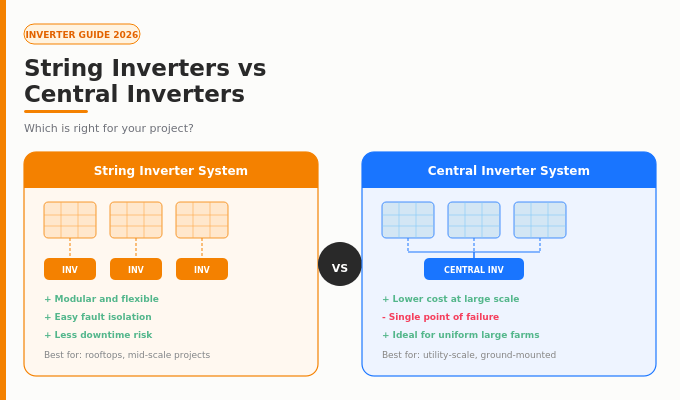
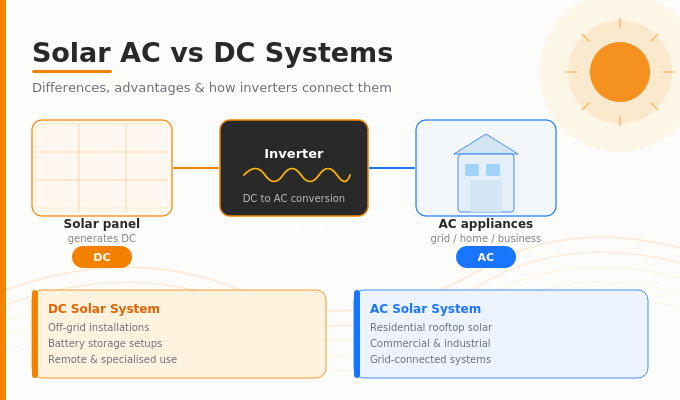
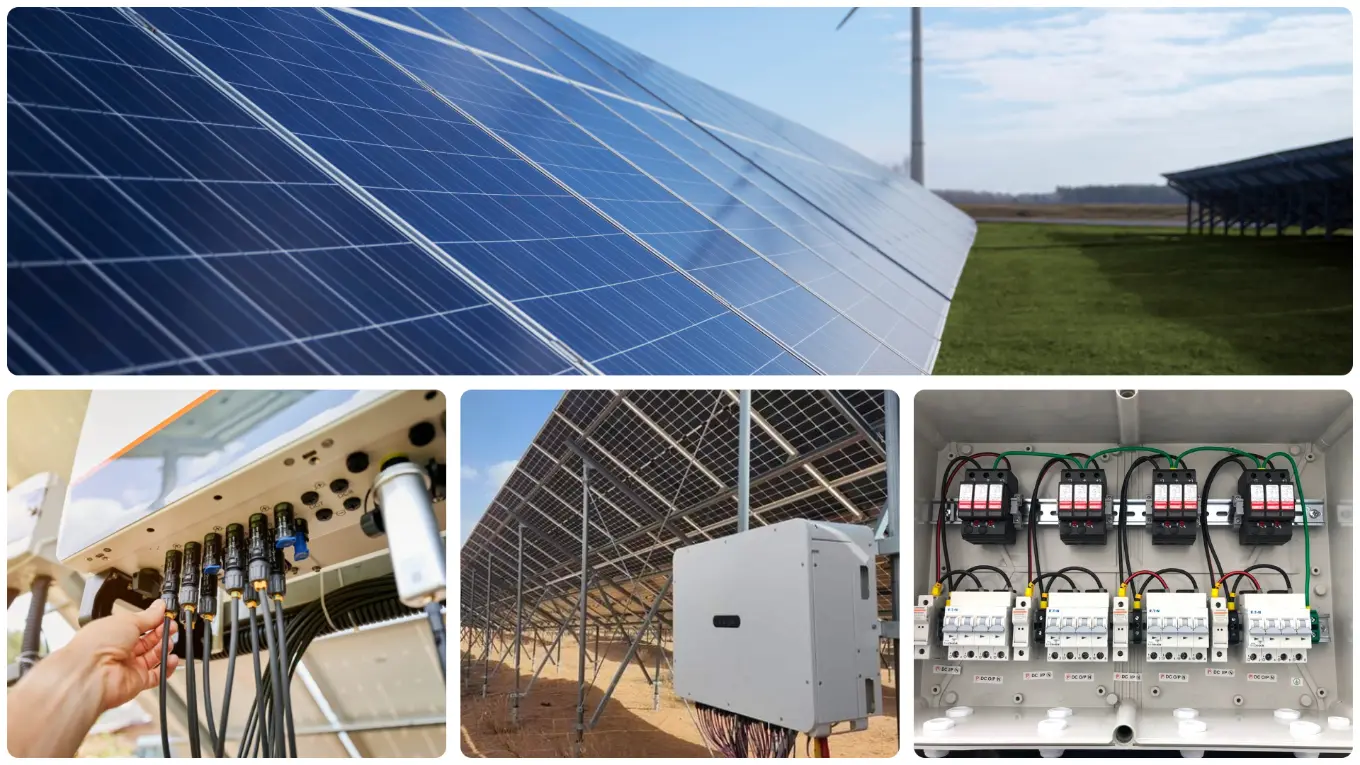
The inverter is often described as the heart of a solar power system.
Its job is to convert the direct current (DC) produced by the panels into alternating current (AC) that can be used by electrical equipment.
Choosing an inverter that doesn't match the system design can affect overall performance.
An undersized inverter may limit energy output during periods of high generation, while an oversized unit can increase project costs without delivering proportional benefits.
Selecting the appropriate inverter requires careful consideration of:
- Solar plant capacity.
- Expected generation profile.
- Future expansion plans.
- Site-specific operating conditions.
Among the most common solar EPC errors, incorrect inverter sizing continues to be a preventable issue during system design.
Mistake 4: Weak MountingStructure
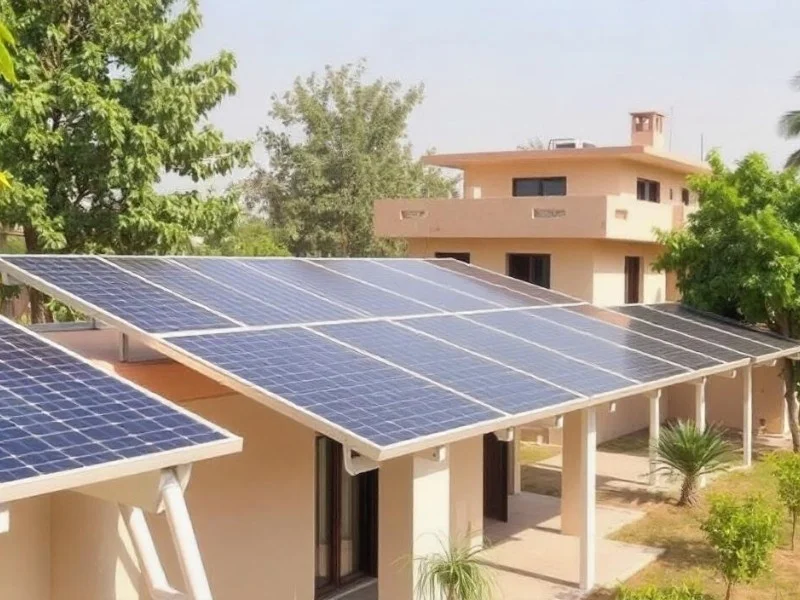
Solar panels remain exposed to wind, rain, and changing weather conditions throughout their lifespan.
The mounting structure keeps the entire system secure, making its quality just as important as the panels themselves.
Using low-quality materials or incorrect installation practices can increase the risk of corrosion, loose fasteners, and structural movement over time.
A robust mounting system should be designed according to:
- Roof type.
- Wind load requirements.
- Local weather conditions.
- Structural engineering standards.
Investing in a durable mounting structure helps protect both the solar equipment and the building beneath it.
Mistake 5: Ignoring Shadow Analysis
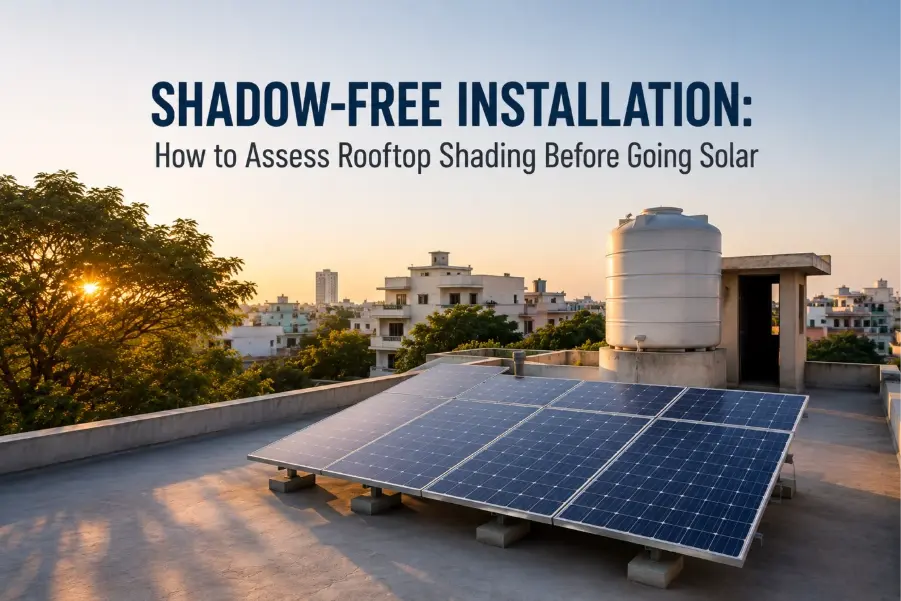
A rooftop may appear completely open during installation yet receive partial shading at different times of the day or year.
Nearby buildings, trees, water tanks, parapet walls, and even future construction can affect how much sunlight reaches the panels.
That's why detailed shade analysis forms an important part of system design.
Even limited shading on a few panels can reduce the performance of an entire string in certain system configurations.
Many instances of solar shadow analysis mistakes occur because seasonal changes or future obstacles weren't considered during project planning.
Using digital design tools and conducting on-site assessments helps EPCs identify these risks before installation begins.
Mistake 6: Poor CableManagement
Cable management rarely attracts attention once a solar system is complete, but it plays an important role in safety and long-term reliability.
Loose or poorly routed cables may become exposed to weather, abrasion, rodents, or accidental damage during maintenance.
Good cable management includes:
- Proper routing and securing of cables.
- UV-resistant cable ties and conduits.
- Protection against water ingress.
- Clear cable identification for maintenance.
- Safe separation of AC and DC wiring where required.
A tidy installation also makes future inspections and repairs much easier.
Mistake 7: SkippingQuality Checks Before Commissioning
The installation may be complete, but the project isn't truly finished until it has been thoroughly tested.
Commissioning checks verify that every component is operating safely and according to design specifications.
These inspections typically include:
- Electrical testing.
- Mechanical inspection.
- Earthing verification.
- Inverter configuration.
- Performance testing.
- Safety checks.
Completing these inspections before handover helps identify small issues before they become expensive service calls later.
How These Mistakes Affect Long-Term Performance
A solar plant is designed to generate electricity for 25 years or more. The quality of the installation has a direct impact on how well it performs throughout that period.
An issue that seems minor during installation can gradually affect energy generation, maintenance costs, and equipment life.
For example:
· Incorrect panel orientation can reduce annual energy production.
· Poor cable management may lead to insulation damage or electrical faults.
· Weak mounting structures can loosen over time due to wind and weather exposure.
· Shading can lower system efficiency during peak sunlight hours.
· Incorrect inverter sizing can affect how effectively the system converts electricity.
Many solar plant underperformance causes can be traced back to design and installation decisions made long before the system was switched on.
That's why experienced EPCs spend considerable time planning before construction begins.
How to Avoid Them
A successful installation is built on careful planning, quality workmanship, and thorough testing.
Rather than treating installation as a single activity, experienced EPCs follow a structured process from site survey to commissioning.
A good solar installation quality checklist generally includes:
- Detailed site assessment before design.
- Structural evaluation of the roof.
- Accurate solar resource and shadow analysis.
- Appropriate panel layout and tilt.
- Correct inverter sizing.
- High-quality mounting structures.
- Safe cable routing and protection.
- Comprehensive electrical testing.
- Performance verification before handover.
- Complete documentation for future maintenance.
Following a structured process helps reduce rework, improves plant performance, and creates greater confidence for customers.
Monitoring Doesn't End After Installation
Even a well-installed solar plant benefits from regular monitoring.
Generation data helps identify small issues before they become larger performance problems.
For example, a sudden drop in output could indicate:
- Dust accumulation.
- Partial shading.
- Inverter faults.
- Loose electrical connections.
- Equipment malfunction.
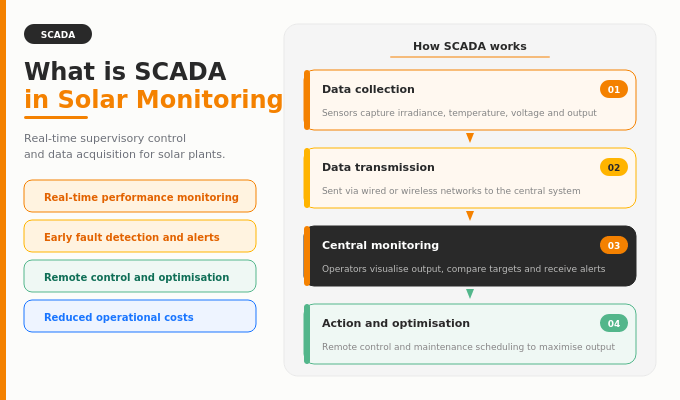
A reliable solar plant monitoring system allows plant owners and EPCs to track performance in real time, compare generation against expected output, and schedule maintenance when required.
Instead of waiting for electricity bills to reveal a problem, monitoring makes it possible to respond much earlier.
How Aerem Supports BetterSolar Installations
The quality of a solar project depends on every stage of the journey, from design and financing to installation and long-term performance.
Aerem works with experienced solar EPC contractors who follow industry best practices and focus on delivering systems designed for long-term reliability rather than just completing an installation.
By bringing together financing, trusted EPC partners, and technology on one platform, Aerem helps customers make informed decisions throughout the lifecycle of their solar project.
The objective isn't simply to install more solar panels. It's to build systems that continue performing efficiently year after year.
Conclusion
Installing a solar plant is a long-term investment, and the quality of the installation has a lasting impact on how well that investment performs. Whether you're investing in residential solar solutions or a commercial system, careful planning, accurate site assessments, proper equipment selection, and rigorous quality checks all contribute to a system that delivers reliable energy generation for years to come. Paying attention to these details during the installation phase helps reduce maintenance issues, improve efficiency, and protect the overall return on investment.
Whether you're planning a residential rooftop system or a large commercial project, working with experienced professionals and following proven installation practices can make all the difference.









.png)


.png)



.jpg)
.jpg)



.jpg)




.jpg)


.png)
.png)
.png)
.png)
.png)
.png)


.png)

.jpg)
