
.webp)

.webp)
.webp)
.webp)


.svg)
.svg)

Introduction
One of the first things a solar installer looks at isn't your electricity bill or the size of your inverter. It's your roof.
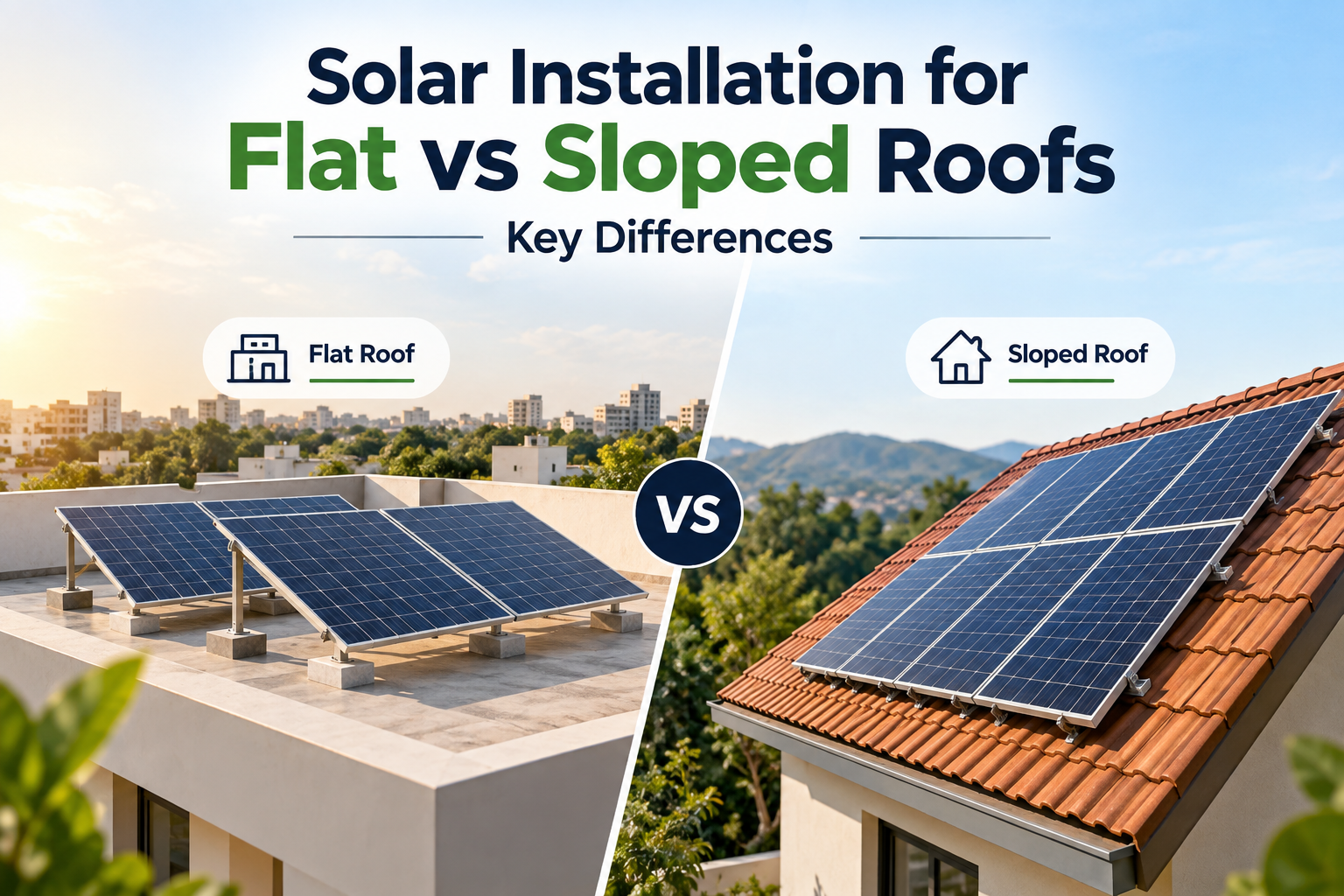
The type of roof you have plays a big role in how your solar system is designed and installed. A flat concrete terrace offers a different set of possibilities than a sloped tiled roof, and each comes with its own advantages.
The good news is that there's no "better" roof for solar. Both flat and sloped roofs can support highly efficient systems when they're designed correctly.
If you're planning a solar home installation, understanding how your roof affects the installation can help you ask better questions and make more informed decisions.
Why Your Roof Type Matters
Think of your roof as the foundation of your solar system.
The panels, mounting structures and electrical components all depend on how that foundation is built.
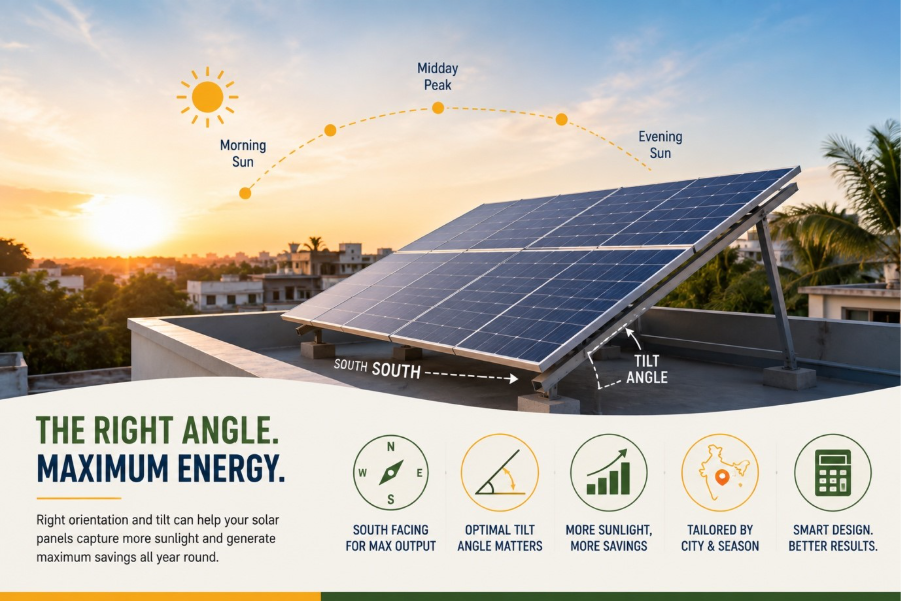
A flat terrace gives installers the freedom to decide the panel angle and orientation. A sloped roof already has its own angle, so the design usually works around what's already there.
Neither approach is automatically better. The objective is always the same: maximise sunlight, ensure structural safety and make future maintenance easy.
That's why understanding your solar panel installation roof type is one of the first steps in planning a rooftop solar system.
Flat Roof Solar Installations
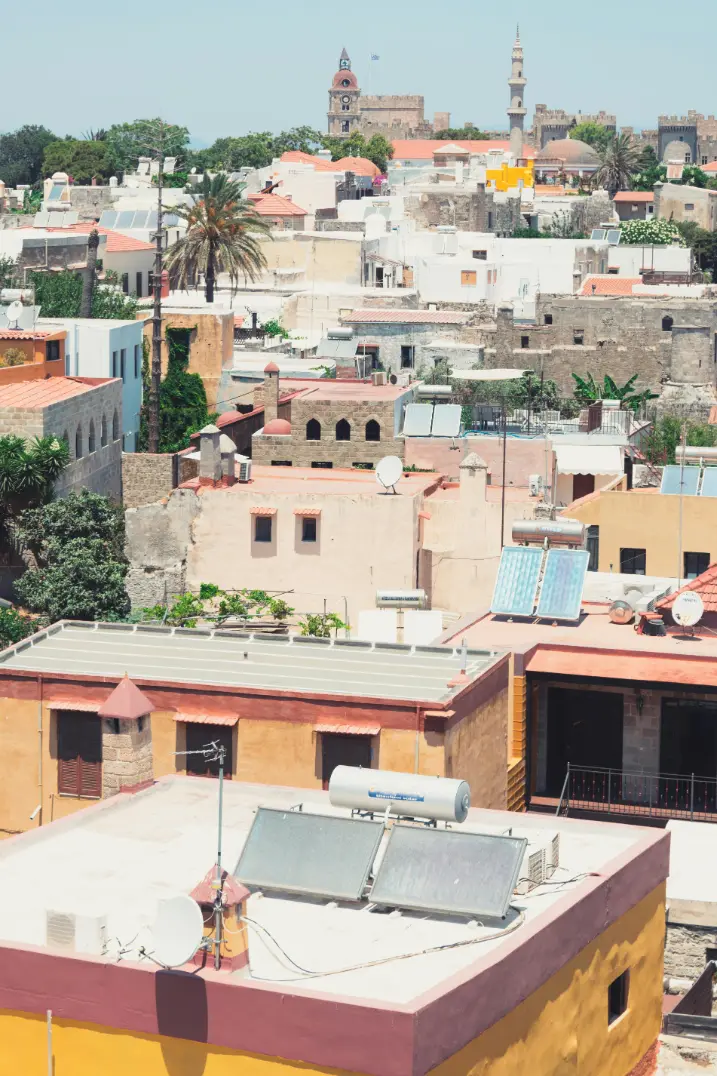
Flat roofs are common across many Indian cities, particularly in homes with reinforced cement concrete (RCC) terraces.
One of their biggest advantages is flexibility.
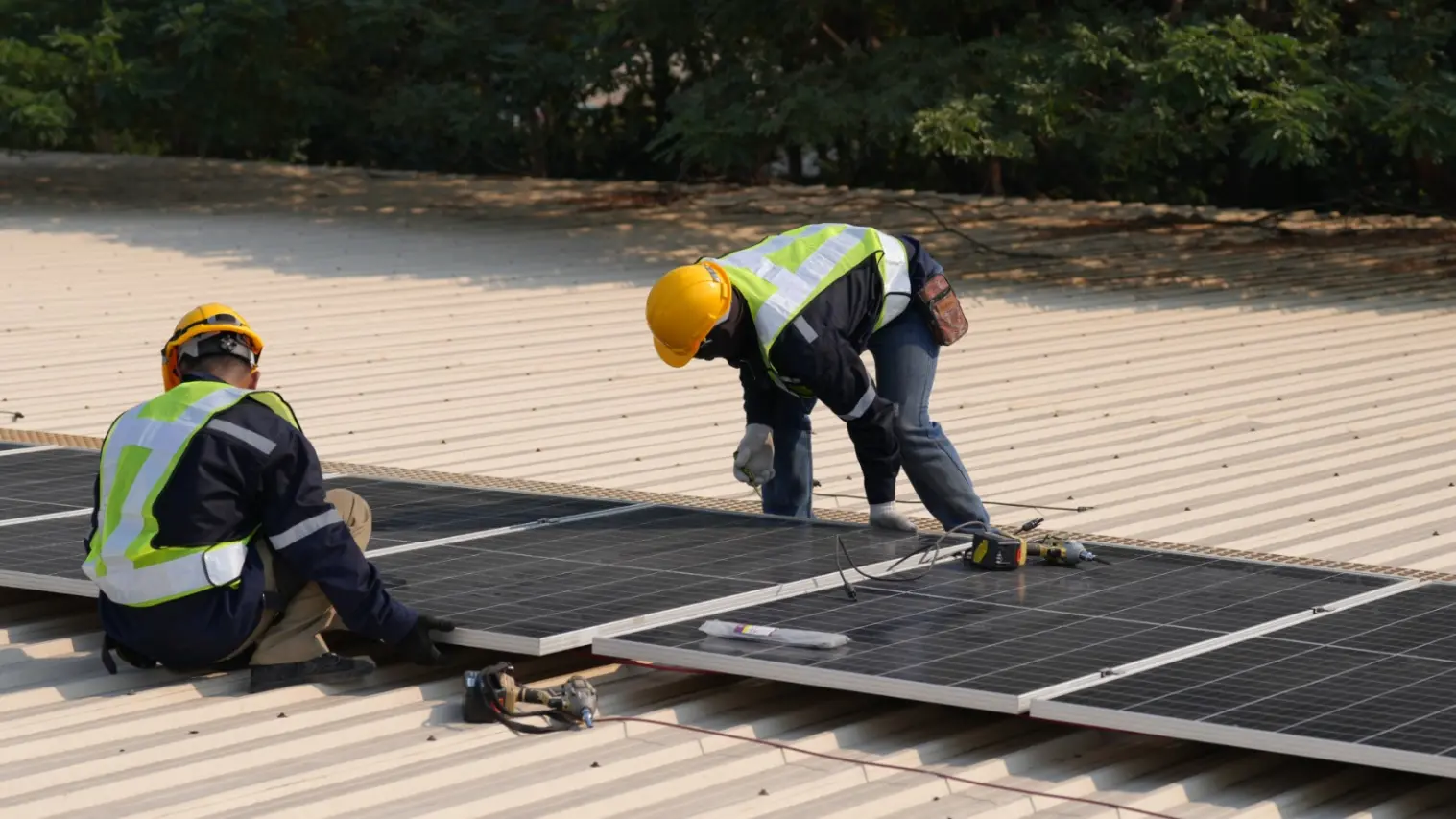
Since the roof itself is level, installers can use specially designed mounting structures to position the panels at an angle that captures sunlight efficiently throughout the year.
This flexibility also makes future expansion easier. If your electricity needs grow over time, there's often more freedom to rearrange or add panels.
For homeowners considering solar panels for flat roof India, a typical installation may include:
- Adjustable mounting structures.
- Optimised tilt angles.
- Easier access for cleaning and maintenance.
- Space between panel rows to avoid self-shading.
Because installers can choose both the direction and angle of the panels, flat roofs often allow for highly customised system designs.
Understanding the Mounting Structure
One question that often comes up during quotations is why mounting structures differ from one home to another.
The answer lies in the roof itself.
A flat roof solar mounting structure is designed to support the panels while maintaining the recommended tilt angle and withstanding wind loads over many years.
Depending on the project, installers may use:
- Aluminium structures.
- Hot-dip galvanised steel structures.
- Ballasted mounting systems where roof penetration is limited.
The best mounting structure for flat roof installations depends on several factors, including:
- Roof size.
- Structural capacity.
- Local wind conditions.
- Panel layout.
- Long-term maintenance requirements.
Rather than using the same mounting system everywhere, experienced EPCs choose one that's suited to the property's specific conditions.
Sloped Roof Solar Installations
Not every home has a large flat terrace.
Many villas, hill homes and independent houses have sloping roofs made from tiles, metal sheets or other roofing materials.
In these cases, the panels are usually installed using mounting systems designed specifically for the roof type.
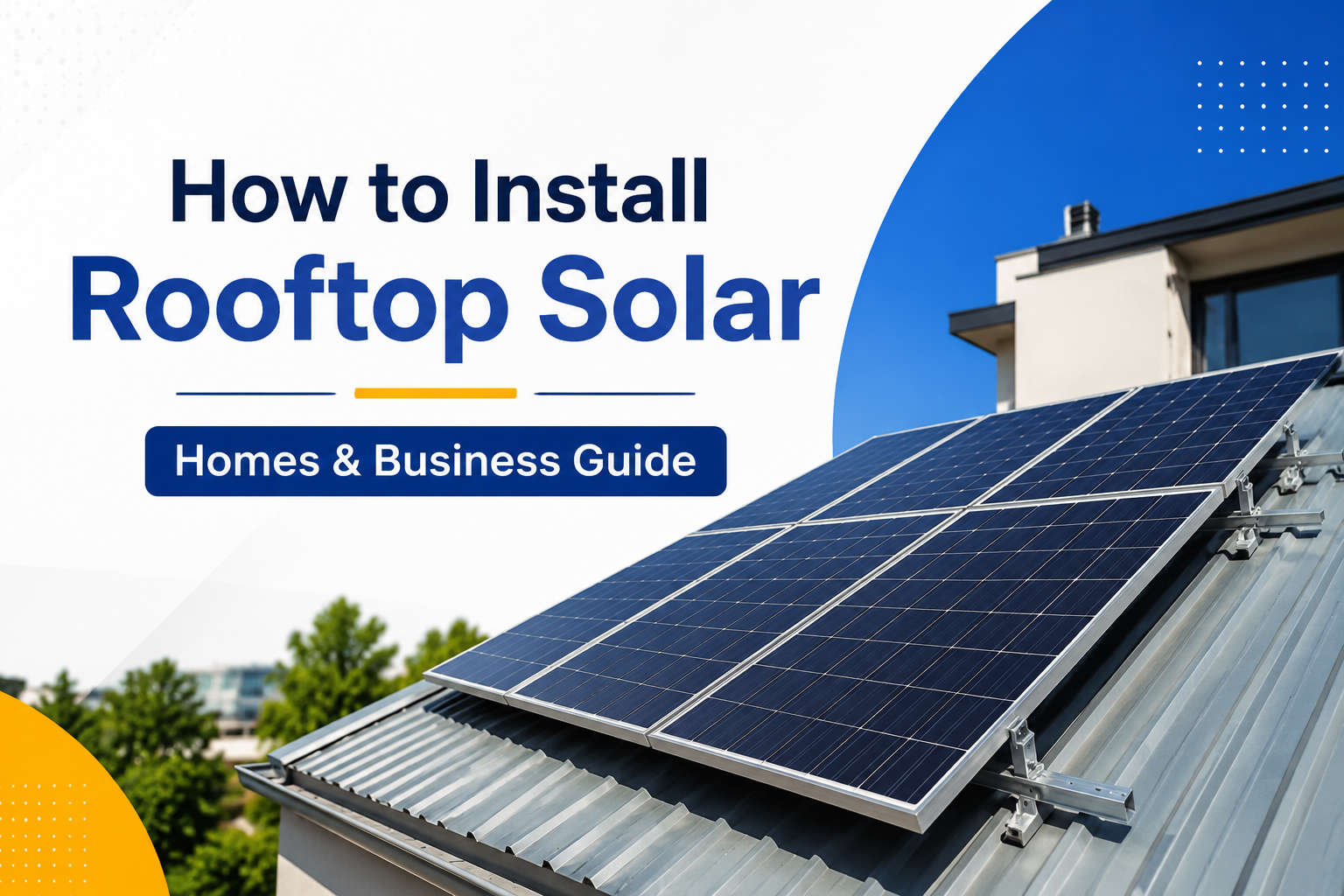
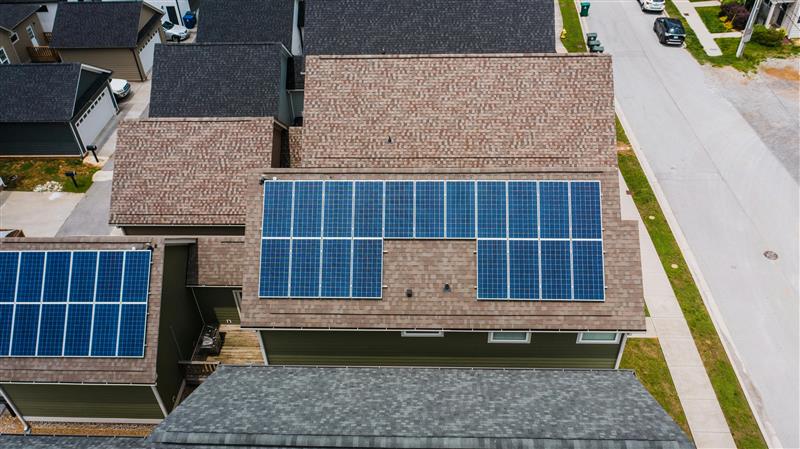
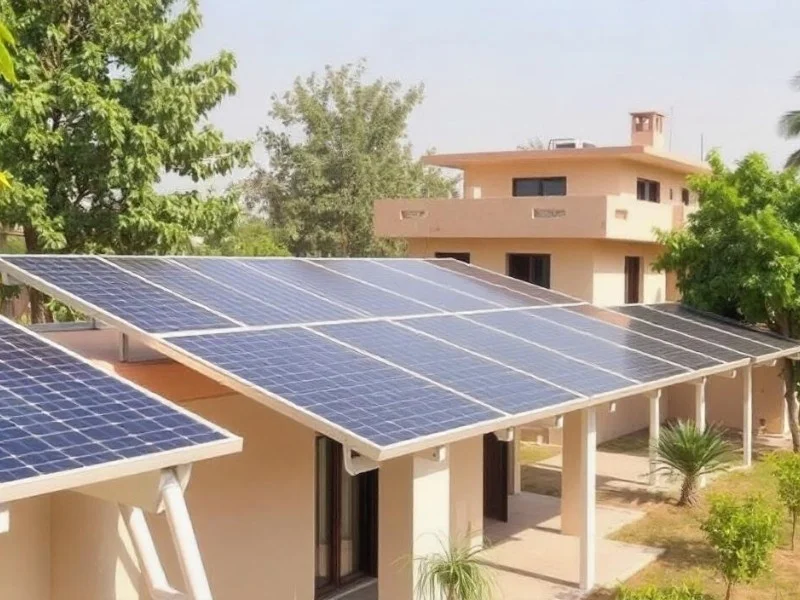
A sloped roof solar installation often follows the existing roof angle, which means installers focus on securing the panels safely while making the best use of the available sunlight.
The exact installation method depends on the roofing material, but the overall objective remains the same: creating a secure, durable system without compromising the roof's integrity.
Modern mounting systems are designed for a wide range of roof styles, making solar possible for many homes that owners might initially assume aren't suitable.
Which Roof Generates More Electricity?
This is a question almost every homeowner asks.
The answer is surprisingly simple.
It's not the roof type that determines electricity generation. It's how well the system has been designed.
A flat roof gives installers greater freedom to optimise panel orientation and tilt.
A sloped roof may already be positioned favourably, reducing the need for additional adjustments.
In both cases, factors such as shading, roof direction, panel quality and system design usually have a greater impact on performance than whether the roof is flat or sloped.
That's why professional site surveys remain such an important part of every installation.
Installation Costs for Flat vs Sloped Roofs
A question that naturally comes up after choosing a roof type is whether one costs more than the other.
The answer depends less on the roof itself and more on the installation approach.
For example, a flat RCC terrace usually requires mounting structures that raise the panels to the desired angle. A sloped roof, on the other hand, often uses specialised brackets that are designed for the existing roof profile.
The overall project cost can be influenced by factors such as:
- Roof accessibility.
- Mounting structure design.
- Roofing material.
- System size.
- Labour requirements.
Homeowners often ask about the RCC roof solar installation cost, expecting it to be significantly different from other roof types. In reality, the total investment varies from project to project. A detailed site survey is the best way to receive an accurate quotation based on your home's specific requirements.
Rather than comparing roof types based only on installation cost, it's worth looking at the complete picture, including system performance, durability and long-term maintenance.
Maintenance: Is One Roof Easier Than the Other?
Once the system is installed, maintenance is generally straightforward, regardless of the roof type.
That said, the experience can be slightly different.
On flat roofs, there's often more room to walk around the panels, making cleaning and routine inspections easier.
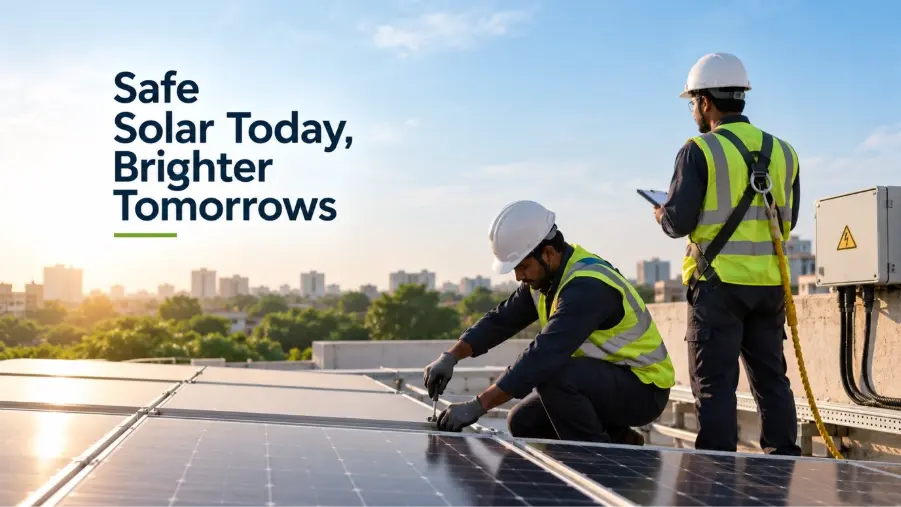
On sloped roofs, technicians may require additional safety equipment while carrying out maintenance, especially on steeper roofs.
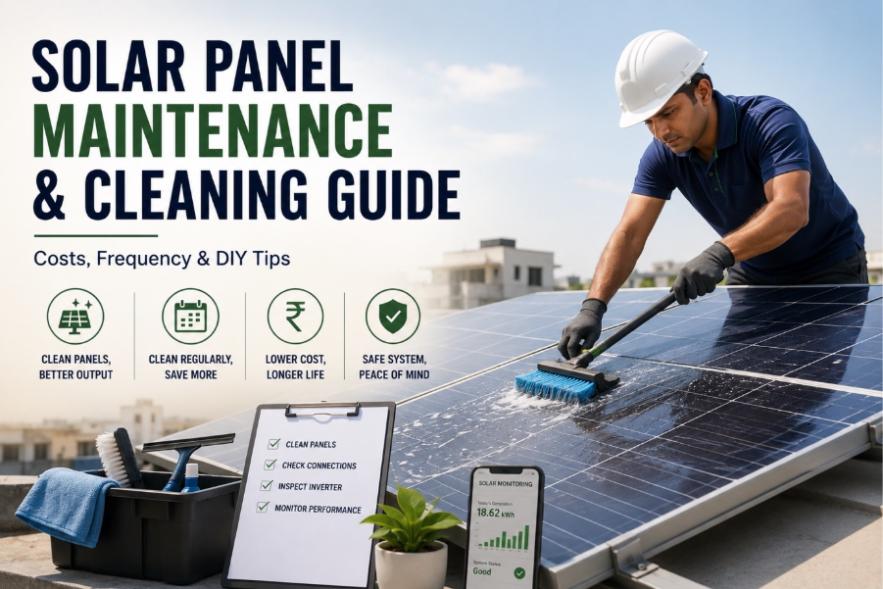
In both cases, regular maintenance usually involves:
- Cleaning dust and debris from the panels.
- Checking electrical connections.
- Inspecting mounting structures.
- Monitoring system performance.
- Looking for signs of wear after extreme weather.
Most residential systems only require periodic inspections, making rooftop solar a relatively low-maintenance investment.
Which Roof Type Is Better for Future Expansion?
Many homeowners begin with a system sized for their current electricity needs.
A few years later, things change.
Perhaps you've purchased an electric vehicle, installed new air conditioners or your family's electricity consumption has increased.
If future expansion is part of your long-term plan, roof layout becomes an important consideration.
Flat roofs often offer greater flexibility because panels can sometimes be rearranged or additional rows added if enough space is available.
With sloped roofs, expansion depends more on the available roof area and the direction each section faces.
Neither option is restrictive, but discussing future requirements during the initial design stage can save time and effort later.
Choosing the Right Installer Matters More Than the Roof
Homeowners sometimes spend weeks comparing roof types while overlooking something even more important, the quality of the installation.
An experienced installer will assess:
- Your roof structure.
- Available sunlight.
- Shading throughout the day.
- Mounting requirements.
- Electrical infrastructure.
- Future expansion possibilities.
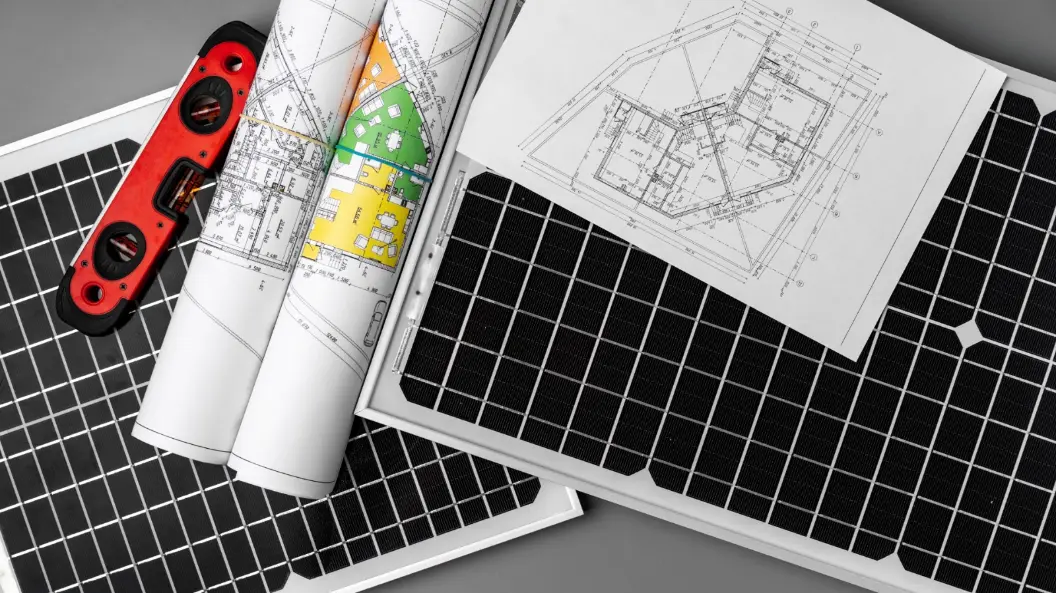
These observations help determine the most suitable system for your property rather than applying the same design to every home.
Whether it's a flat RCC terrace or a sloped tiled roof, thoughtful planning usually has a bigger impact on long-term performance than the roof type itself.
How Aerem Helps You Build the Right Solar System
Every home is different, and every rooftop comes with its own possibilities.
Aerem works with experienced installation partners who begin each project with a detailed site assessment before recommending the most suitable design. From selecting the right mounting structure to planning for future expansion, the focus is on creating a system that fits your roof rather than forcing your roof to fit the system.
If you're planning a solar home installation, Aerem also helps simplify rooftop solar financing and connects homeowners with trusted EPC partners, making the journey from planning to installation much more seamless.
Conclusion
Choosing between a flat roof and a sloped roof isn't about deciding which one is "better." It's about understanding how each roof influences the way a solar system is designed.
Flat roofs offer greater flexibility in panel placement, while sloped roofs often make use of the roof's existing angle. Both can deliver excellent performance when the installation is planned carefully and tailored to the property.
The most successful rooftop solar projects begin with a detailed site assessment, thoughtful engineering and experienced installation. Once those pieces come together, your roof, whatever its shape, becomes a reliable source of clean energy for years to come.
Frequently Asked Questions












.png)


.png)



.jpg)
.jpg)




.jpg)




.jpg)


.png)
.png)
.png)
.png)
.png)
.png)


.png)
.jpg)
