
.webp)

.webp)
.webp)
.webp)


.svg)
.svg)

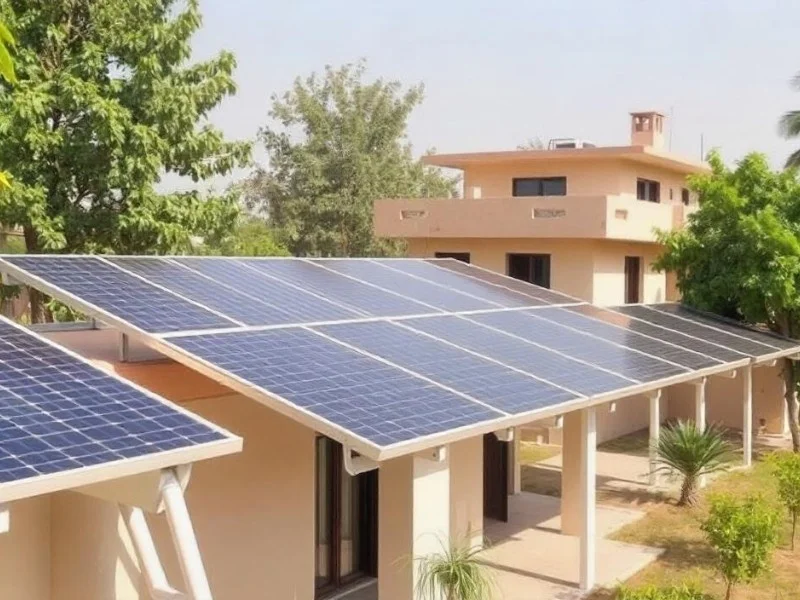
Rooftop solar adoption in India has been growing steadily, driven by rising electricity costs and supportive government policies. However, behind every successful installation is a network of EPCs (Engineering, Procurement, and Construction companies) navigating a complex ecosystem.
While demand is increasing, EPC players continue to face several operational, financial, and regulatory hurdles. Understanding these solar challenges is essential, not just for EPCs, but also for businesses and homeowners working with them.
1. Rooftop Solar Financing Challenges
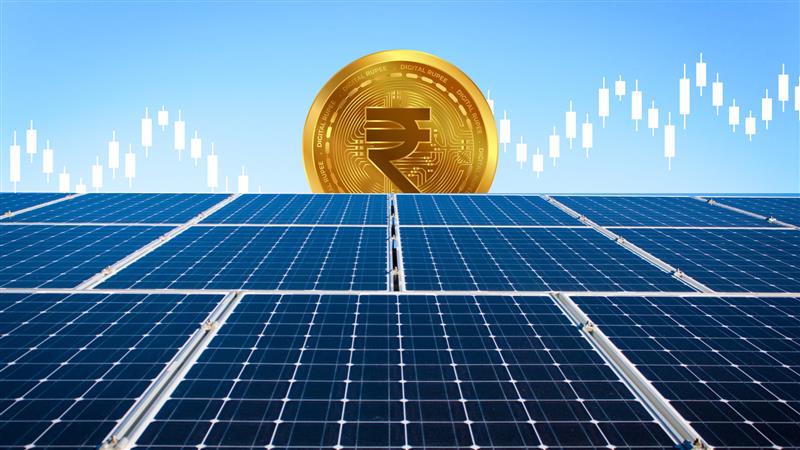
One of the biggest hurdles in the industry is rooftop solar financing.
For EPCs, especially small and mid-sized players, accessing affordable capital remains difficult. Solar projects often require significant upfront investment, and delays in financing approvals can slow down project execution.
Additionally, customers themselves may struggle to secure loans, which directly impacts EPC deal closures. Limited access to credit and perceived risks around solar investments continue to restrict scale in the rooftop segment.
This creates a cycle where EPCs face both:
· delayed project pipelines
· limited working capital to take on new projects
2. Policy & DISCOM Approval Issues
Another major challenge lies in regulatory and approval processes.
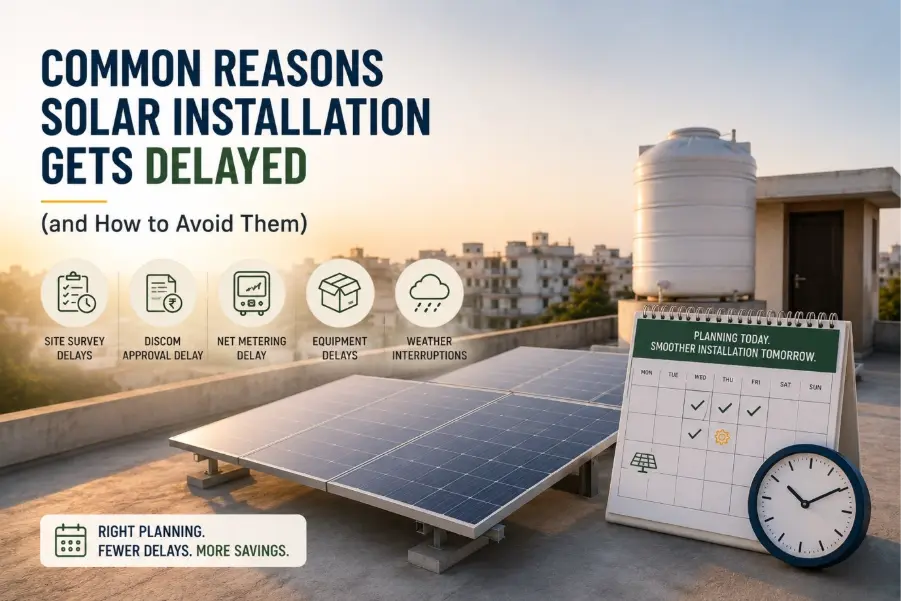
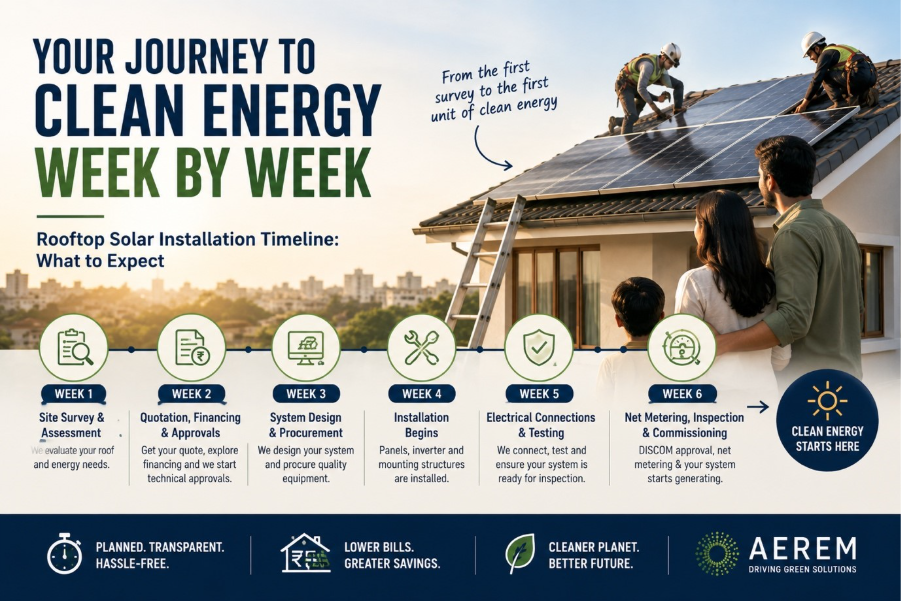
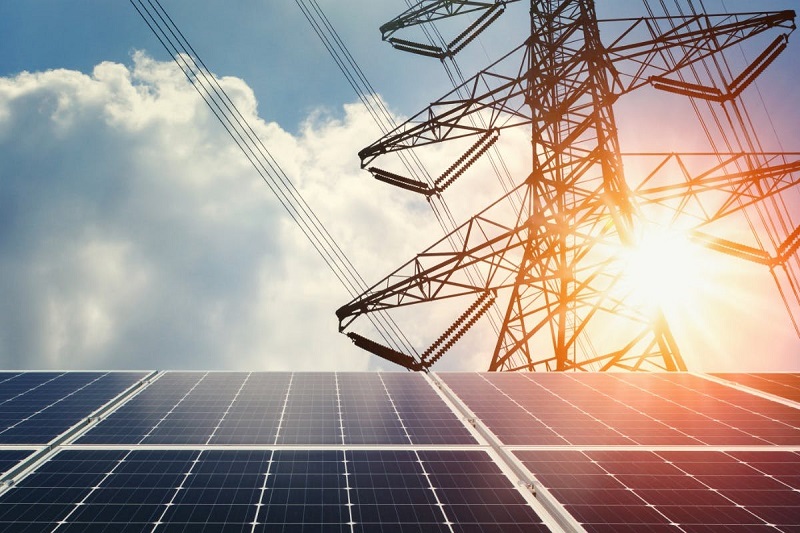
Rooftop solar installations require multiple approvals, especially from DISCOMs (distribution companies). However, these processes are often inconsistent across states and can involve:
· unclear timelines
· additional documentation requirements
· delays in net metering approvals
In some cases, EPCs face project delays due to lack of standardization in approvals or varying state-level policies.
Recent developments also highlight how delays in approvals can directly impact project timelines and financial outcomes, reinforcing the need for streamlined processes.
3. Technical & Structural Limitations
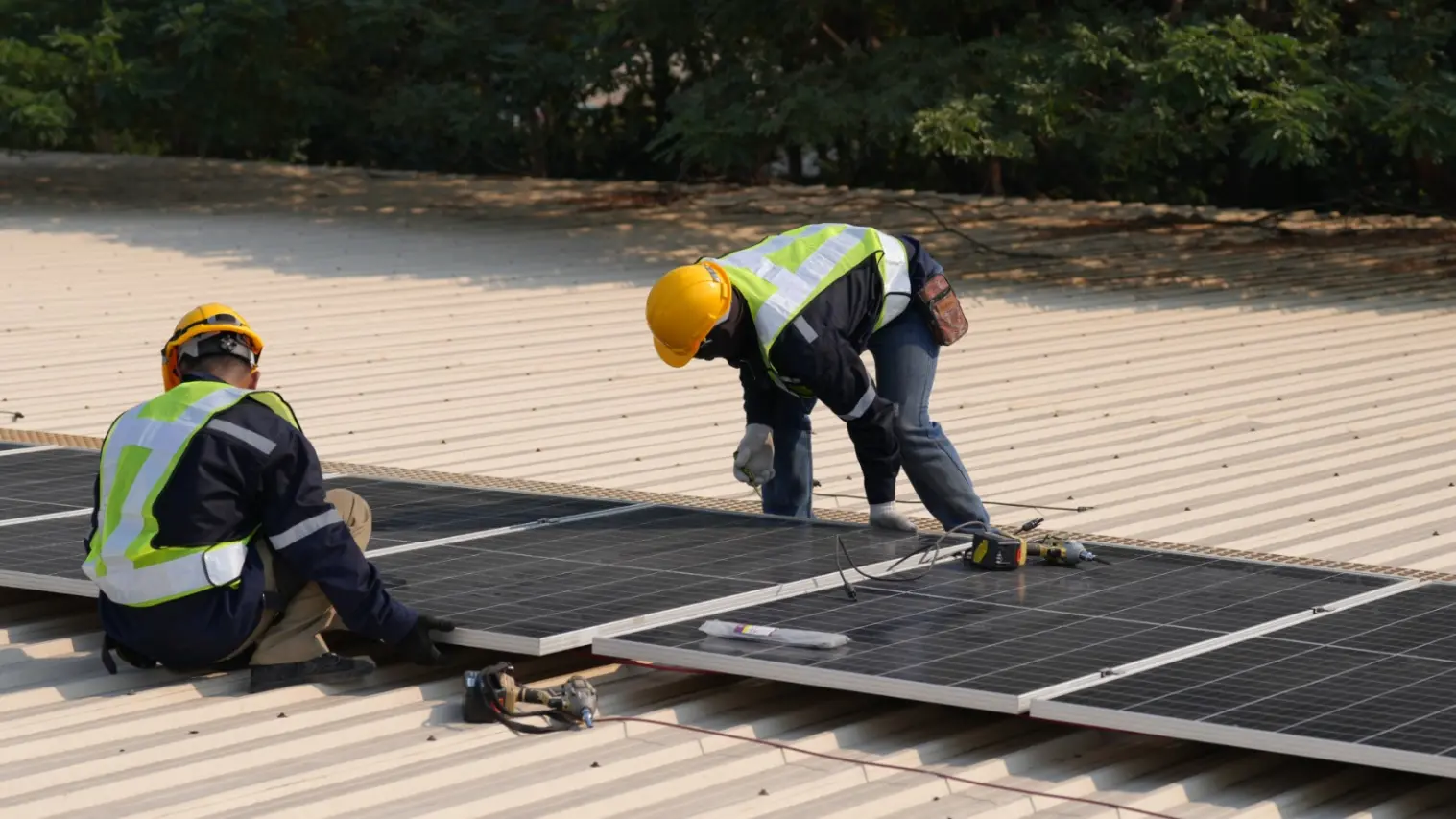
Unlike large-scale solar farms, rooftop installations come with physical constraints.
EPCs often encounter challenges such as:
· limited rooftop space
· structural load limitations
· shading from nearby buildings or trees
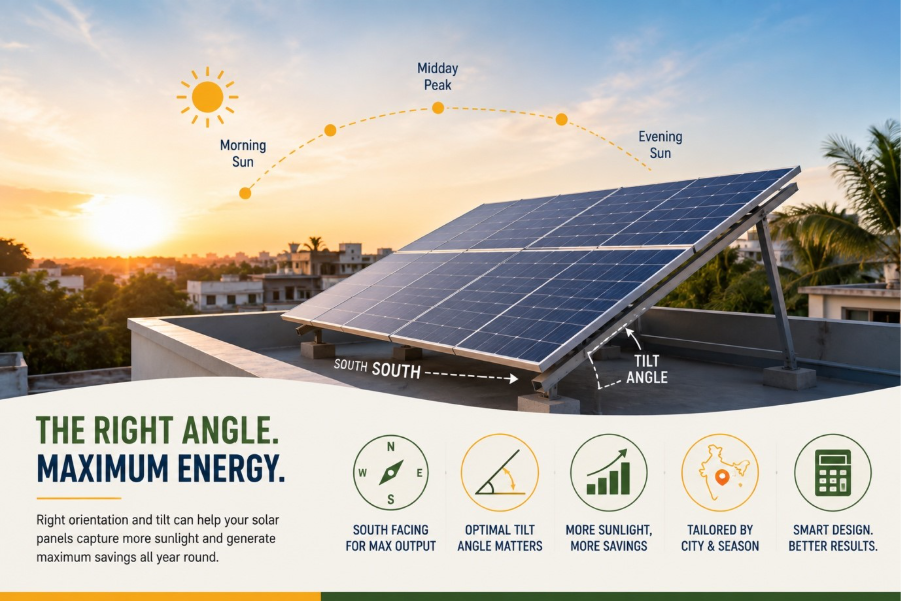
· incorrect tilt and orientation
Poor site assessment can significantly impact system performance and long-term output.
In urban environments, these constraints become even more pronounced, requiring careful design and engineering decisions supported by efficient solar epc solutions.
4. Payment Cycles & Working Capital Gaps
Cash flow remains one of the most critical issues for EPCs.
Delayed payments, especially in projects involving DISCOMs or large institutions can stretch for months, putting pressure on working capital. In some cases, payment delays of over a year have been observed, tightening liquidity for EPC contractors.
This creates multiple challenges:
· difficulty in managing supplier payments
· limited ability to invest in new projects
· reduced competitiveness in bidding
For smaller EPCs, this becomes a major barrier to scaling operations.
5. Fragmented Ecosystem & Quality Gaps
The rooftop solar ecosystem in India is still evolving and often fragmented.
EPCs typically have to coordinate across:
· financing providers
· equipment suppliers
· installation teams
· monitoring systems
This fragmentation can lead to inconsistencies in system quality and performance. In many cases, lack of standardization and quality assurance across installations affects long-term reliability.
As a result, EPCs often spend additional time managing coordination rather than focusing on scaling their business.
Role of Solar Finance Companies in India for EPC Growth
Given these challenges, the role of solar finance companies in India has become increasingly important.
Access to structured financing solutions helps:
· reduce upfront cost barriers for customers
· improve project conversion rates for EPCs
· enable faster project execution
Solutions such as rooftop solar financing and working capital support allow EPCs to take on larger projects without stretching their balance sheets.
For commercial projects, financing mechanisms also allow businesses to adopt solar without impacting cash flow, making EPC partnerships more viable.
Why Ecosystem Integration Matters
While each of these solar challenges can be addressed individually, the bigger issue lies in how fragmented the ecosystem is.
Many EPCs struggle not because of lack of demand, but because key components; financing, procurement, and monitoring, operate in silos.
This is where integrated platforms become relevant.
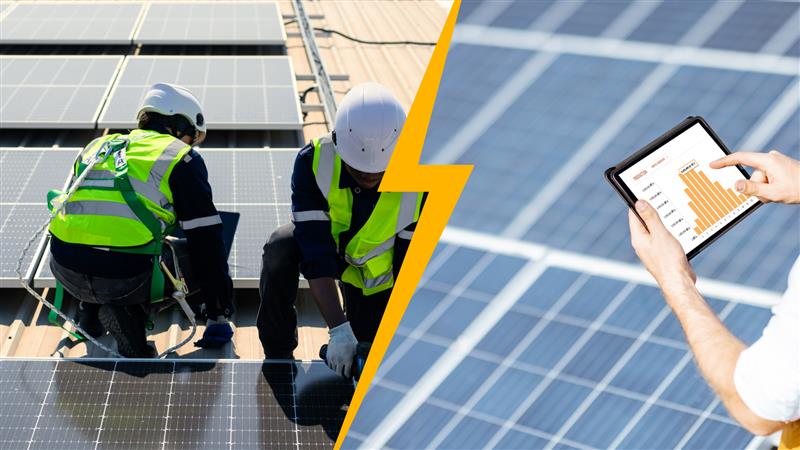
Aerem operates as a full stack digital platform for solar adoption, helping address some of these structural gaps. By combining rooftop solar financing, a procurement marketplace, and integrated monitoring systems like a solar monitoring app, it enables EPCs to streamline project execution and reduce operational friction.
For EPCs, this means:
· faster access to capital
· improved procurement efficiency
· better visibility into system performance
For customers, it ensures that solar systems are not just installed, but continue to perform effectively over time.
Conclusions
The rooftop solar industry in India is at a critical growth stage. While demand is strong, EPCs continue to navigate multiple operational and financial hurdles.
From rooftop solar financing challenges to policy delays and working capital gaps, these issues highlight the need for a more structured and integrated ecosystem.
As the market matures, the role of solar finance companies in India and digital platforms will become increasingly important in enabling EPC growth and improving project outcomes.
Addressing these challenges effectively will not only help EPCs scale, but also accelerate India’s transition towards widespread solar adoption

















.png)



.png)

.jpeg)
.jpeg)





.jpeg)









.jpeg)
.png)
.png)
.png)
.png)
.png)
.png)

.png)
.jpg)
