
.webp)

.webp)
.webp)
.webp)


.svg)
.svg)

When businesses or homeowners install a solar system, one of the most important questions is, "How well is the system performing compared with its expected output?"
Solar installations are evaluated not only by how much electricity they generate but also by how efficiently the overall system uses the available solar energy. This is where the solar performance ratio becomes an important metric.
The performance ratio of a solar system helps plant owners understand how the system is performing after considering factors such as temperature, soiling, inverter losses, shading, wiring losses, and other operating conditions.
What Is Solar Performance Ratio (PR)?
The Solar Performance Ratio (PR) is a widely used metric for assessing the performance of a photovoltaic (PV) system.
In simple terms, the performance ratio of a solar plant compares the actual energy generated by the system with the energy that could theoretically be generated based on the solar irradiation available at the site.
Unlike solar panel efficiency, which focuses mainly on the conversion efficiency of an individual module, PR provides a broader view of how the overall solar PV plant is performing.
This means a solar system can have high-efficiency panels but still have a lower performance ratio if it experiences significant system losses.
Why Is Solar Performance Ratio Important?
The solar performance ratio helps businesses and system owners:
- Assess the actual performance of a solar PV plant
- Identify potential energy losses
- Compare actual generation with expected performance
- Monitor changes in plant performance over time
- Identify operational or equipment-related issues
Factors that can affect the performance ratio of a solar power plant include:
- Soiling and dust
- High module temperatures
- Shading
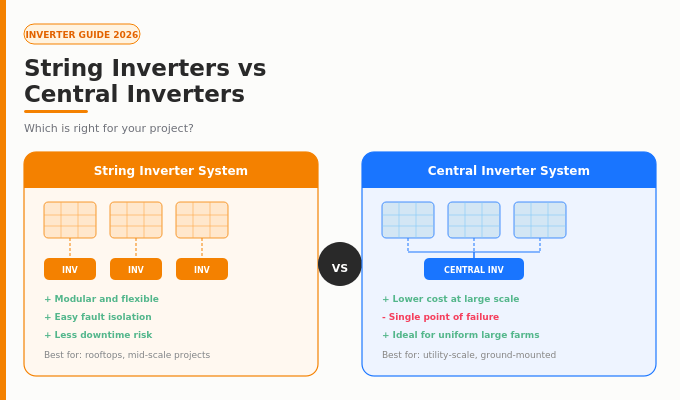
- Inverter losses
- Cable and electrical losses
- Module mismatch
- Equipment downtime
- System design
- Maintenance
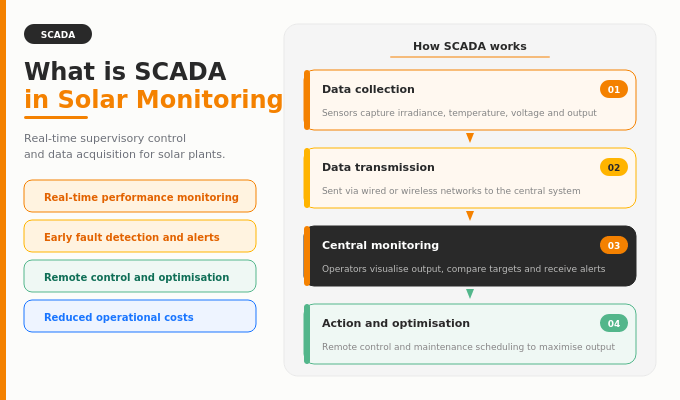
For businesses operating commercial or rooftop solar systems, remote solar monitoring can provide visibility into plant performance and help identify potential issues earlier.
Solar Performance Ratio Formula
The performance ratio formula for a solar plant compares the actual AC energy generated by the system with the solar energy available to the installed PV capacity.
A practical representation of the formula is:
PR (%) = [Actual AC Energy Generated ÷ (Plane-of-Array Irradiation × Installed PV Capacity)] × 100
Where:
- Actual AC Energy Generated refers to the electricity delivered by the solar plant during the selected period.
- Plane-of-Array (POA) Irradiation refers to the solar irradiation received by the PV modules based on their orientation and tilt.
- Installed PV Capacity refers to the rated DC capacity of the solar PV system.
The final result is expressed as a percentage.
Solar Plant Performance Ratio Calculation Example
Suppose a solar PV plant has:
- Installed capacity: 100 kWp
- Plane-of-array irradiation: 1,000 kWh/m²
- Actual AC energy generated: 82,000 kWh
The calculation would be
PR = 82,000 ÷ (1,000 × 100) × 100
PR = 82%
This means the plant achieved a performance ratio of 82% during the measurement period.
The actual performance ratio can vary depending on weather conditions, irradiation, equipment, system design, maintenance, and other operating conditions. Therefore, PR should be analyzed over an appropriate period rather than judged from a single day's output.
How to Calculate the Performance Ratio of a Solar Power Plant
To calculate the performance ratio of a solar power plant, you need three key inputs:
- Actual AC energy generated during the measurement period
- Plane-of-array solar irradiation received by the PV modules
- Installed PV capacity of the solar plant
Use these values in the PR formula:
PR (%) = [Actual AC Energy ÷ (POA Irradiation × Installed PV Capacity)] × 100
The energy generation and irradiation data should represent the same measurement period for the calculation to be meaningful.
For long-term assessment, comparing PR across months and seasons can provide a better understanding of plant performance.
What Is a Good Solar Performance Ratio?
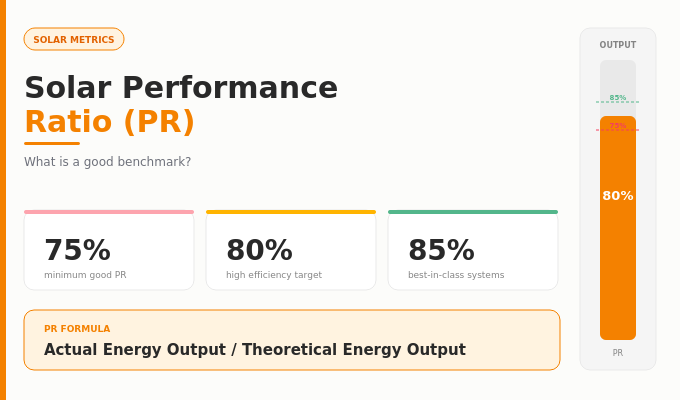
A 75%–85% performance ratio can be used as a broad reference range for many practical solar installations, but there is no single PR value that should be considered ideal for every system.
The appropriate performance ratio depends on factors such as:
- Location and climate
- Solar irradiation
- Module technology
- System design
- Inverter performance
- Temperature
- Soiling
- Shading
- Electrical losses
- Equipment availability
Therefore, when asking what is a good performance ratio for solar, it is important to consider the specific conditions of the plant rather than comparing it with one fixed number.
Average Performance Ratio of Solar Plants
The average performance ratio of solar plants can vary depending on location, technology, design, and operating conditions.
As a general reference:
These ranges should be treated as general reference points rather than universal pass/fail thresholds.
A more useful approach is to compare the current PR with the plant's historical performance and expected operating conditions.
Solar Performance Ratio Benchmark in India
The performance ratio of a solar PV plant can vary across India because solar systems operate under different environmental and climatic conditions.
High temperatures, dust, humidity, seasonal irradiation changes, and soiling can all affect plant performance.
For example, a solar plant operating in a hot and dusty region may experience different losses from a similar installation operating in a cooler or less dusty environment.
For this reason, businesses should not evaluate a solar plant only against a generic PR benchmark.
Instead, performance should be assessed alongside:
- Solar irradiation
- Energy generation
- Plant availability
- Module temperature
- Soiling
- Equipment performance
- Seasonal changes
- Historical plant data
Factors That Affect Solar PV Performance Ratio
Even with high-efficiency solar panels, multiple factors can affect the solar PV performance ratio and overall plant output.
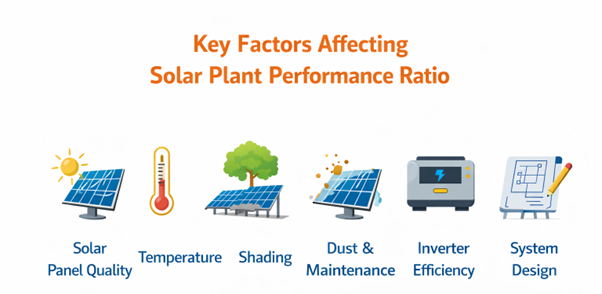
1. Quality of Solar Panels
The efficiency and quality of the solar modules influence how much electricity can be generated from available sunlight.
However, panel efficiency alone does not determine the performance ratio of the complete solar plant. The performance of inverters, electrical systems, installation, and other components also contributes to overall plant performance.
2. System Design and Installation
A poorly designed solar system can experience unnecessary energy losses.
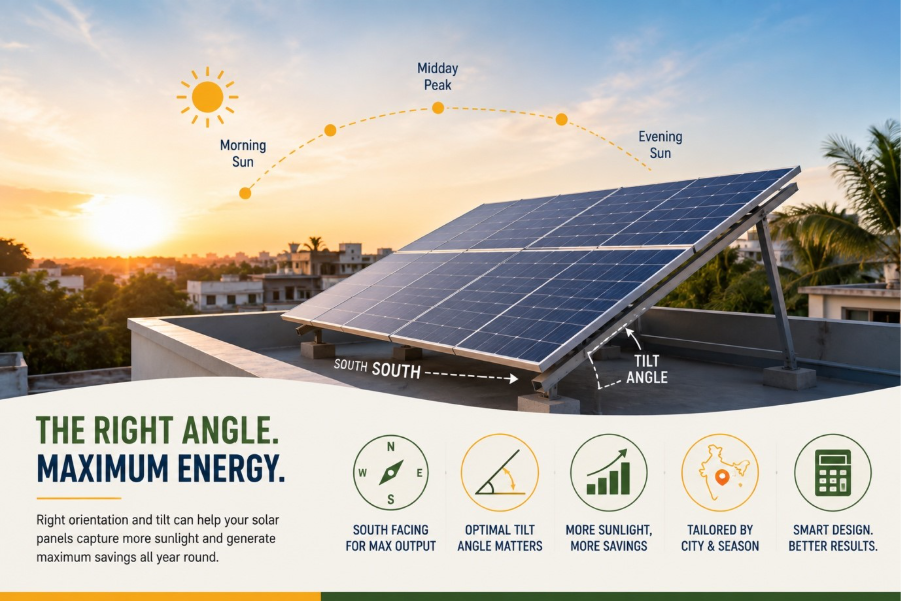
Panel orientation, tilt angle, row spacing, shading analysis, inverter sizing, and electrical design all influence solar plant performance.
Proper system design helps maximize the amount of sunlight reaching the modules while reducing avoidable losses.
3. Temperature and Weather Conditions
Solar panels generally experience lower electrical efficiency as module temperature increases.
High temperatures can therefore reduce energy generation and affect the performance ratio of a solar PV plant.
Cloud cover, humidity, rainfall, and seasonal variations can also influence the amount of solar energy available and the resulting plant output.
4. Soiling and Dust
Dust, dirt, bird droppings, and other deposits can prevent sunlight from reaching the solar cells effectively.
This can reduce electricity generation and negatively affect the performance ratio.
Regular cleaning and monitoring can help minimize the impact of soiling, particularly for solar plants operating in dusty or dry regions.
5. Inverter Losses
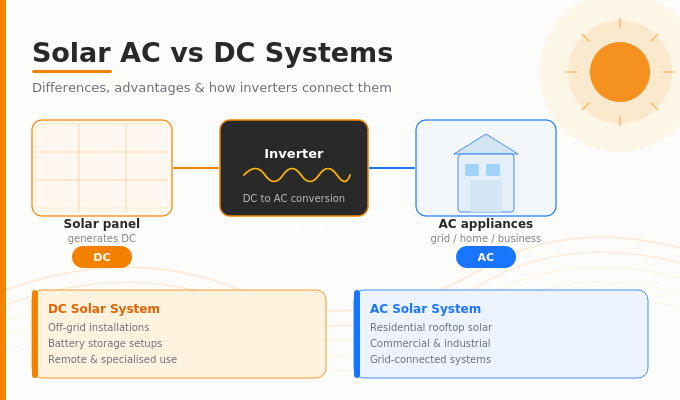
Inverters convert the DC electricity generated by solar panels into AC electricity.
Their efficiency and operating conditions can therefore affect the energy available at the AC output of the plant.
Inverter faults or downtime can have an even greater impact on overall solar plant performance.
6. Wiring and Electrical Losses
Energy can be lost through cables, connectors, transformers, and other electrical components.
Although individual losses may appear small, they can collectively affect the overall performance ratio of a solar plant.
Correct cable sizing, quality components, and proper installation can help minimize these losses.
7. Shading
Shading from trees, buildings, nearby structures, or other obstructions can reduce the amount of sunlight reaching solar modules.
Even partial shading can affect the output of a string or group of modules.
A proper shading analysis during system design can help reduce these losses.
Module Mismatch and Degradation
Solar modules do not always perform identically.
Differences between modules, aging, and natural degradation over time can affect system output.
Monitoring plant performance can help identify unusual differences between strings or sections of a solar installation.
Maintenance and Equipment Downtime
Regular maintenance is important for maintaining consistent solar plant performance.
Faulty inverters, damaged modules, loose connections, communication failures, or other equipment problems can reduce energy generation.
Identifying these problems quickly can help reduce downtime and prevent prolonged performance losses.
Solar Panel Performance Ratio vs. Solar Panel Efficiency
Solar panel efficiency and solar performance ratio are not the same metric.
Solar panel efficiency measures how effectively an individual module converts sunlight into electricity under specified conditions.
The performance ratio of a solar PV plant, on the other hand, evaluates the performance of the overall system relative to the available solar resource.
For example, a system may use high-efficiency solar panels but still have a lower PR because of:
- Shading
- Inverter losses
- Soiling
- Temperature
- Wiring losses
- Equipment downtime
- Poor system design
Therefore, improving solar panel efficiency does not automatically guarantee a higher solar plant performance ratio.
Solar Performance Ratio vs CUF
Performance Ratio (PR) and Capacity Utilisation Factor (CUF) are both used to assess solar plant performance, but they measure different aspects of the system.
PR is particularly useful for analyzing solar plant performance and system losses, while CUF helps understand how much energy a plant generates compared with its installed capacity over a given period.
Why Does Solar Performance Ratio Decrease?
A decline in PR can indicate a change in the way a solar plant is operating.
Common reasons include:
- Increased dust or soiling
- Higher module temperatures
- New or increased shading
- Inverter faults
- Equipment downtime
- Electrical losses
- Module degradation
- Changes in system operating conditions
- Poor maintenance
A sudden decline should be investigated rather than automatically considered normal.
Comparing current performance with historical plant data can help determine whether the decline is seasonal or related to an operational problem.
How to Improve the Performance Ratio of a Solar Power Plant
Improving the performance ratio of a solar power plant requires identifying and reducing avoidable system losses.
1. Regular Solar Panel Cleaning
Removing dust and other deposits can help maintain the amount of sunlight reaching the modules.
2. Preventive Maintenance
Regular inspection of modules, inverters, cables, connectors, and other components can help identify potential problems before they result in significant downtime.
3. Monitor Inverter Performance
Monitoring inverter output and fault alerts can help identify abnormal performance quickly.
4. Identify Shading Issues
Periodic assessment can help identify new shading caused by vegetation, nearby construction, or changes around the installation.
5. Track Plant Performance
Regularly analyzing energy generation, PR, irradiation, and equipment performance makes it easier to identify deviations from expected output.
6. Use Remote Solar Monitoring
A remote solar monitoring system can provide continuous visibility into plant performance and help identify generation losses, equipment faults, and performance deviations.
For businesses managing multiple solar installations, centralized monitoring can also make it easier to compare performance across different sites.
Final Thoughts
The solar performance ratio is an important metric for understanding how efficiently a solar PV system is performing relative to the solar energy available at the site.
While solar panel efficiency plays an important role, the overall performance of a solar plant also depends on system design, temperature, soiling, shading, inverter efficiency, electrical losses, maintenance, and equipment availability.
A 75%–85% PR range can be used as a general reference for many practical installations, but the most useful benchmark is one that considers the specific plant's location, design, and operating conditions.
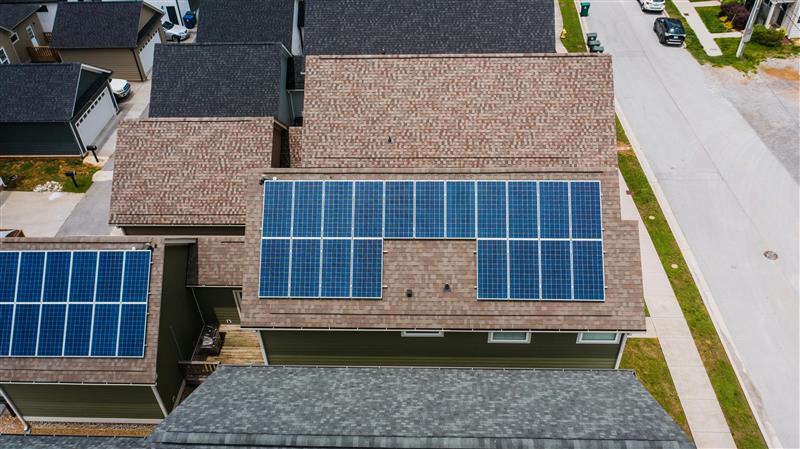
For businesses investing in rooftop solar, regular performance monitoring can help identify potential issues, reduce avoidable losses and maintain consistent energy generation over time.
Combining good system design, quality components, proper maintenance, and remote solar monitoring can help businesses get more value from their solar investment and maintain reliable plant performance over the long term.
Frequently Asked Questions About Solar Performance Ratio
























.png)



.png)



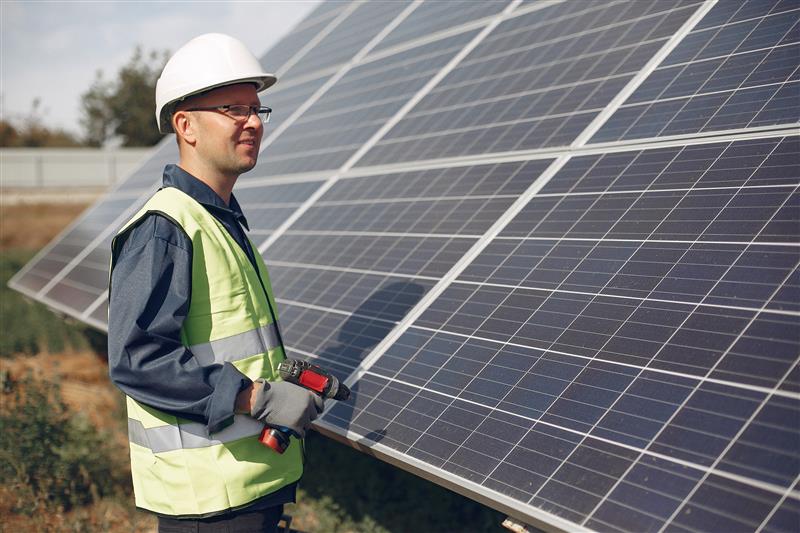
.jpeg)
.jpeg)

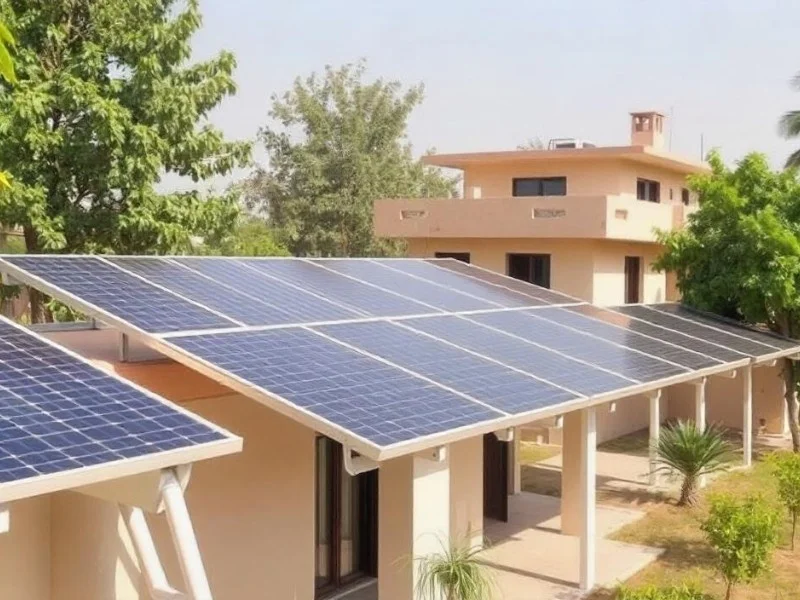




.jpeg)











.jpeg)
.png)
.png)
.png)
.png)
.png)
.png)

.png)
.jpg)
