
.webp)

.webp)
.webp)
.webp)

.jpeg)


.svg)
.svg)

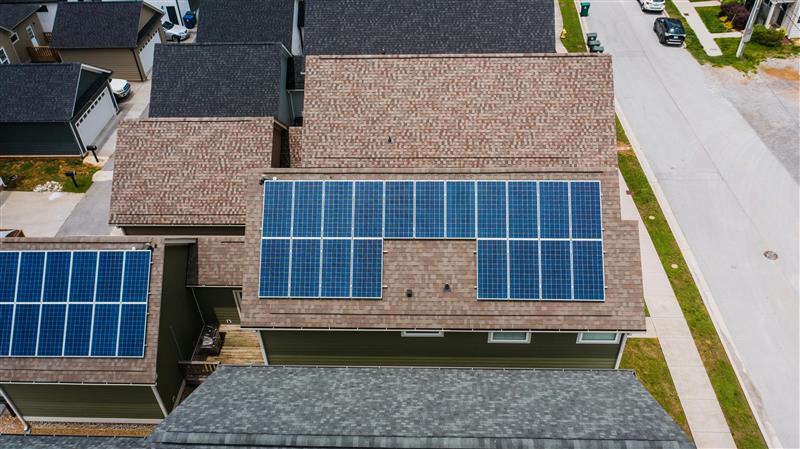
Imagine getting a rooftop solar system installed, only to realize later that a nearby tree covers half the solar panels or that the roof can’t bear the weight of the system. Awful, right? Situations like these happen and they don’t just cost time and money but also hamper one’s solar journey. This is where a solar site assessment comes into the picture. When an EPC invests time and energy to evaluate roof tilt, sunlight patterns, and energy needs, they're not just avoiding post-installation problems, they're building the foundation for a lasting customer relationship.
In this blog, we’ll explore the importance of site assessment in solar, how to assess solar site, and other significant factors to consider when undertaking a site survey.
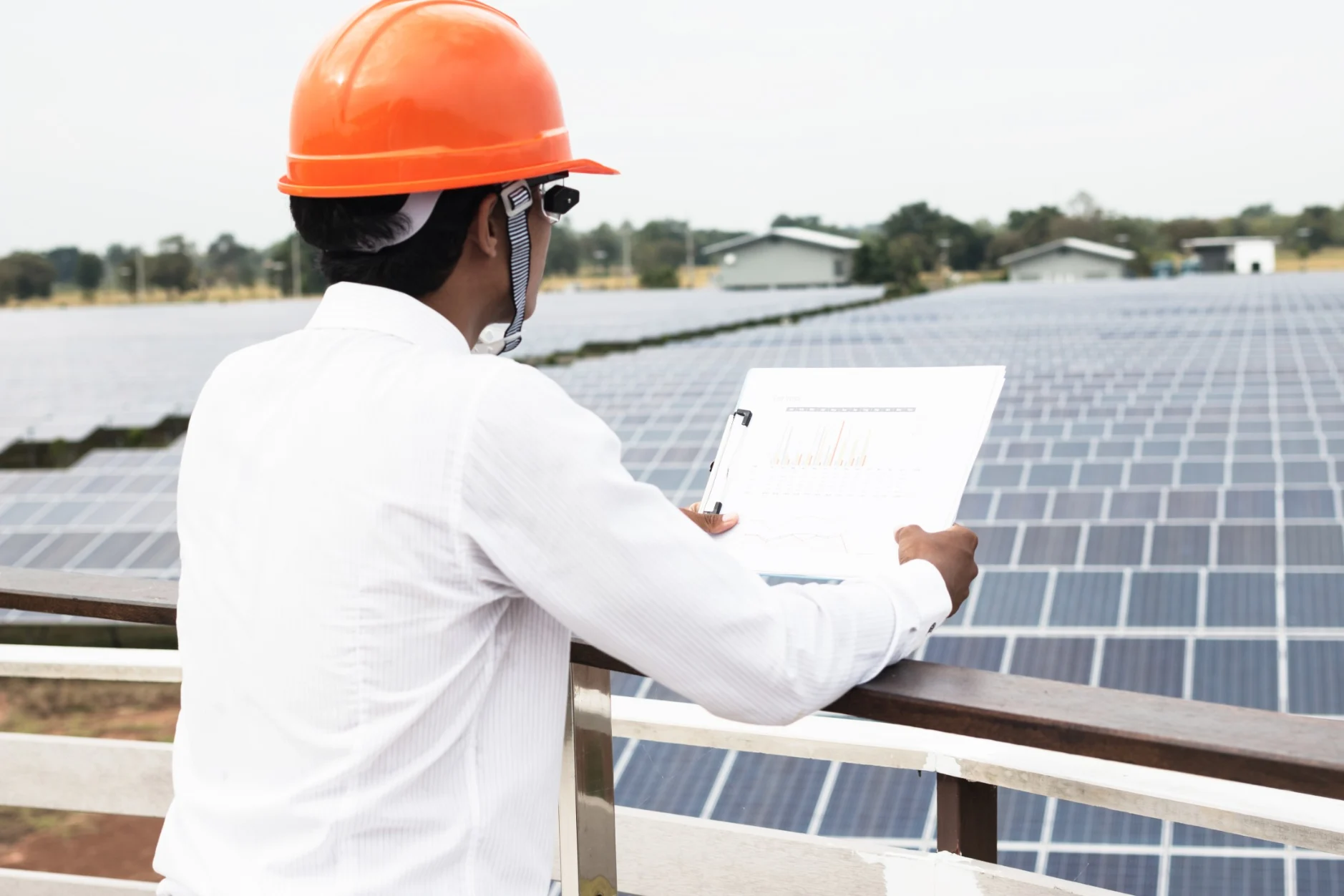
What is Solar Site Assessment?
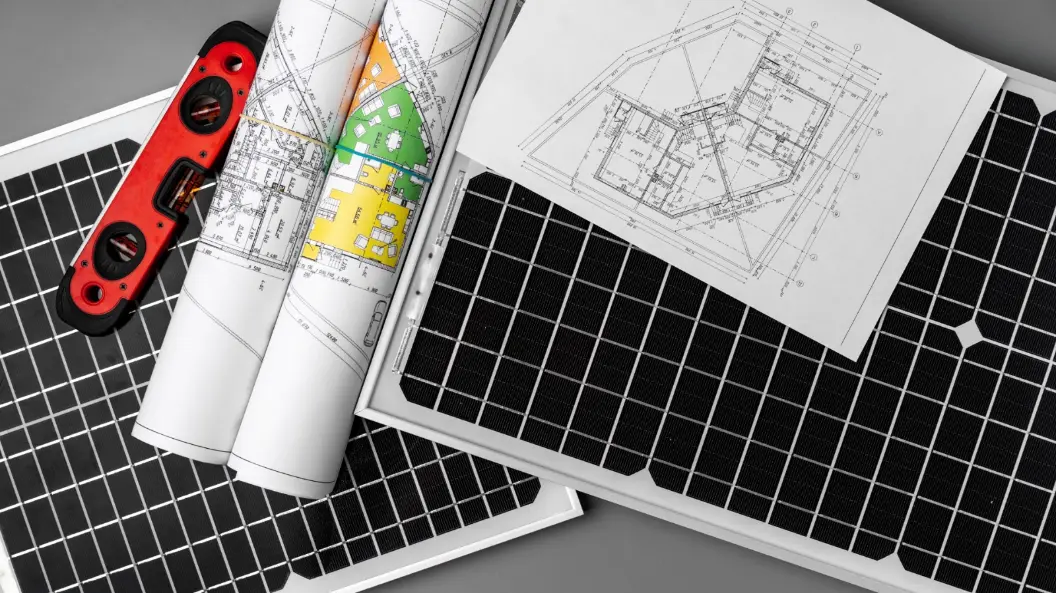
A solar site assessment (also called a solar site survey or solar feasibility study) is the process of evaluating a customer’s property to determine the suitability for installing a rooftop solar system.
It involves analyzing:
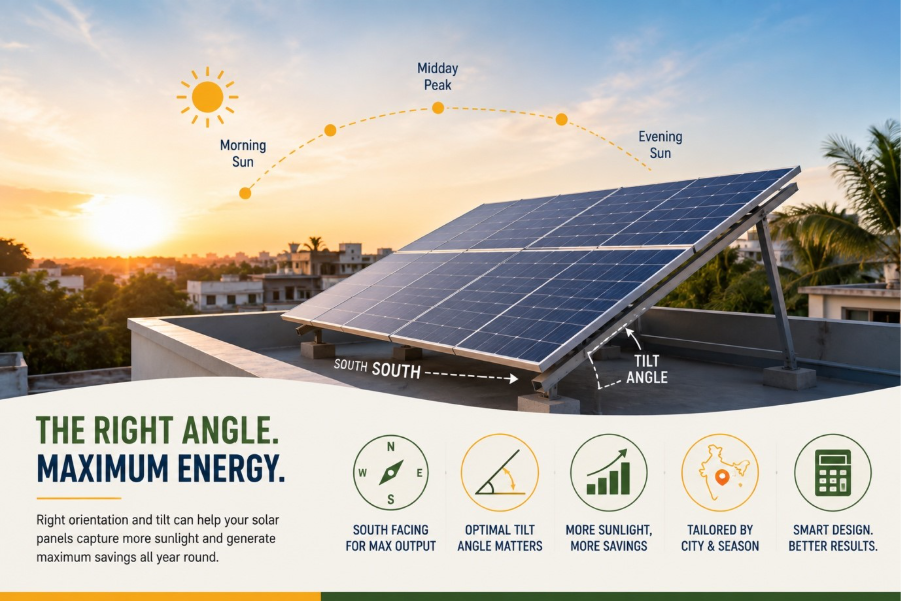
- Roof orientation & tilt
- Structural load capacity
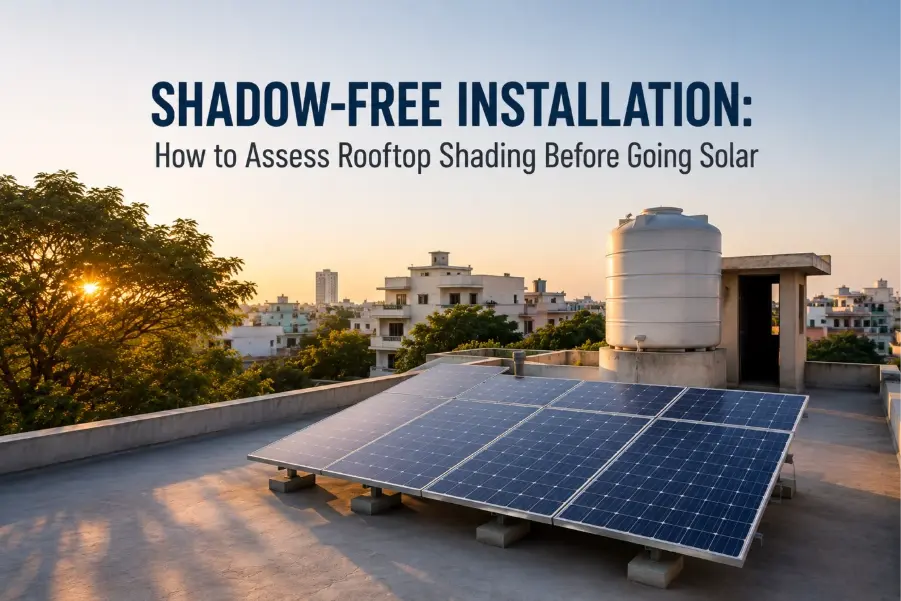
- Shading patterns
- Sunlight availability
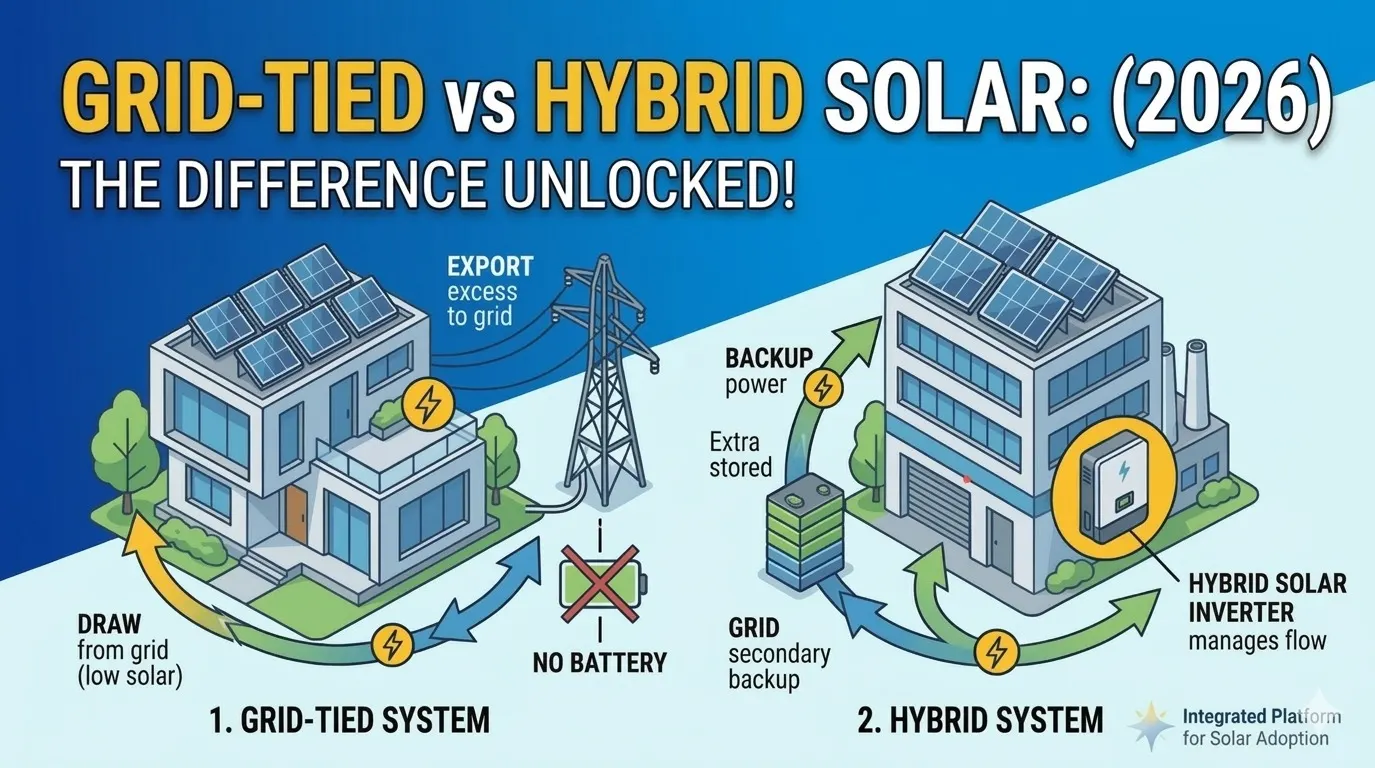
- Grid connection feasibility
- Energy consumption history
A detailed pre-installation survey ensures accurate system sizing, pricing, material estimation, and smooth installation.
Why Solar Site Assessments Matter for EPCs
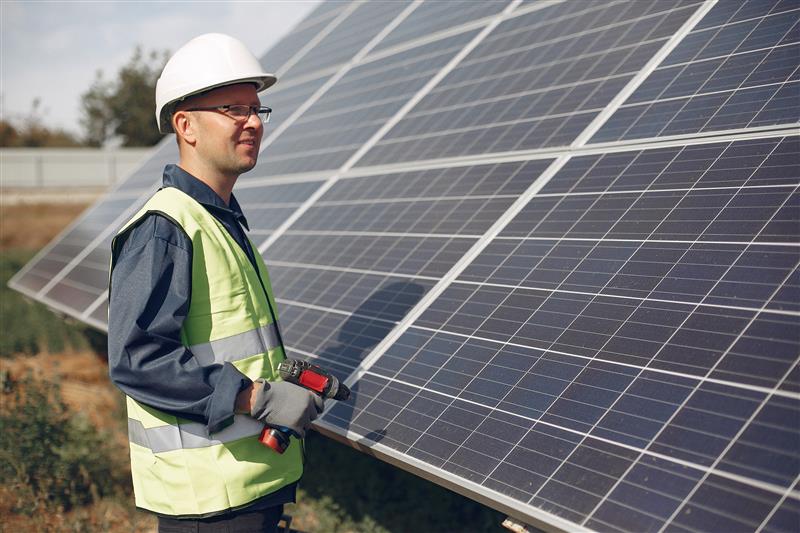
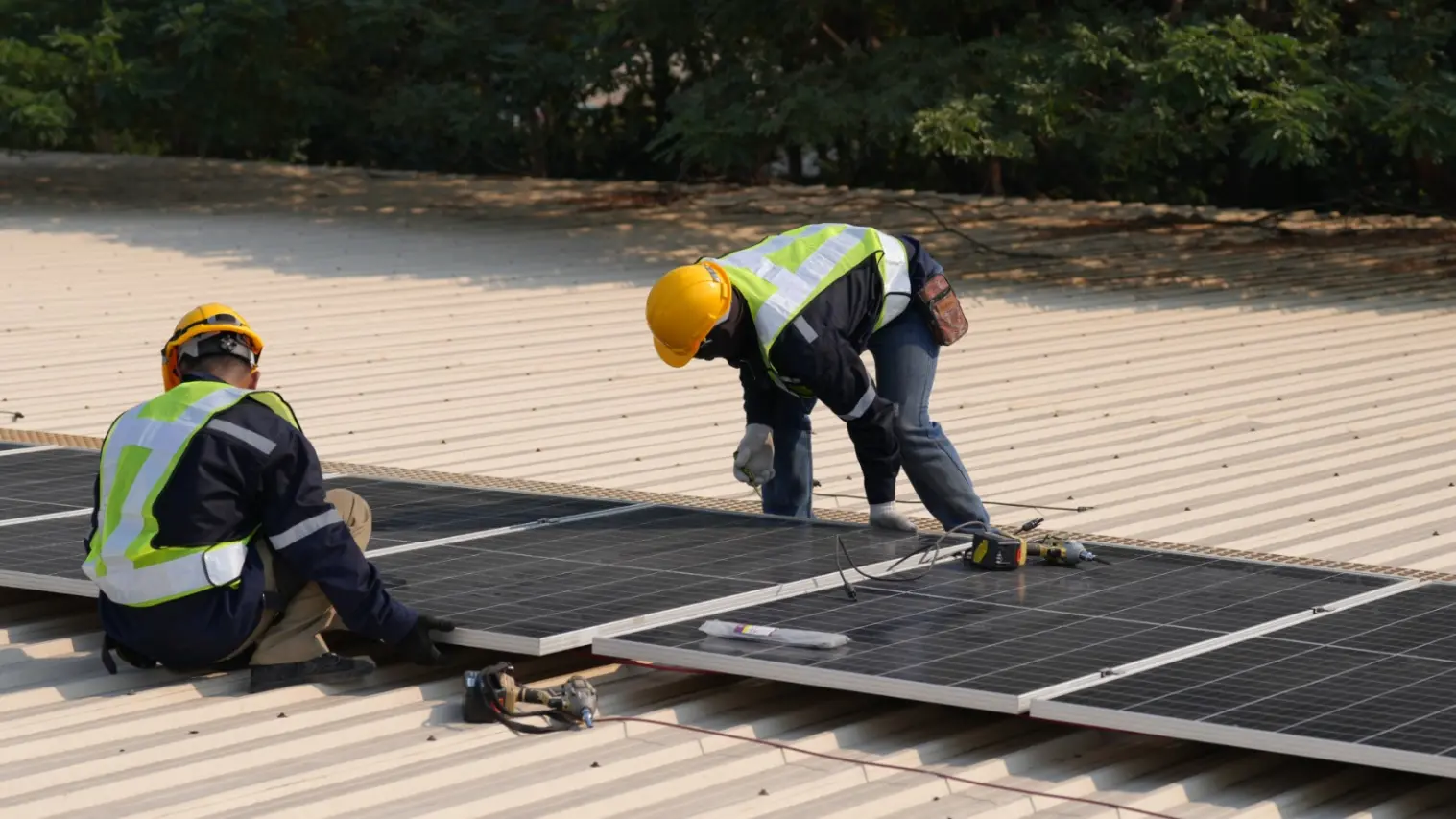
- Shows Professionalism and Technical ExpertiseA well-conducted solar site assessment reflects that the EPC knows what they’re doing. When customers see you inspecting the roof, studying sunlight patterns, and checking load requirements, it builds confidence in your commitment to quality solar system installation.
- Addresses Customer Needs
Energy needs, roof conditions, and financing options vary for every home or business. A detailed site check helps EPCs design customized solar systems that align with the customer’s budget, usage, and space. This makes them feel heard and valued ensuring long-term satisfaction.
- Helps Customers Make Informed Decisions
With accurate data and a transparent report in hand, customers are more likely to make informed choices. They understand the implications and can work with you to ensure a suitable system is installed, one that meets their energy goals while offering a solid return on investment.
- Reduces Installation Mistakes
This is one of the most crucial advantages of a pre-installation solar inspection. When site checks are skipped or rushed, small errors like incorrect tilt, shading misjudgment, or wiring mismatches can lead to major losses later. Accurate site data ensures smoother installation, fewer revisions, and better system reliability.
- Enhances System Performance
The more accurate the data, the better the design. Detailed sunlight and roof analysis help EPCs position panels for maximum energy output. This not only improves system efficiency and performance but also ensures a stronger solar ROI in the long run.
- Saves Time and Money
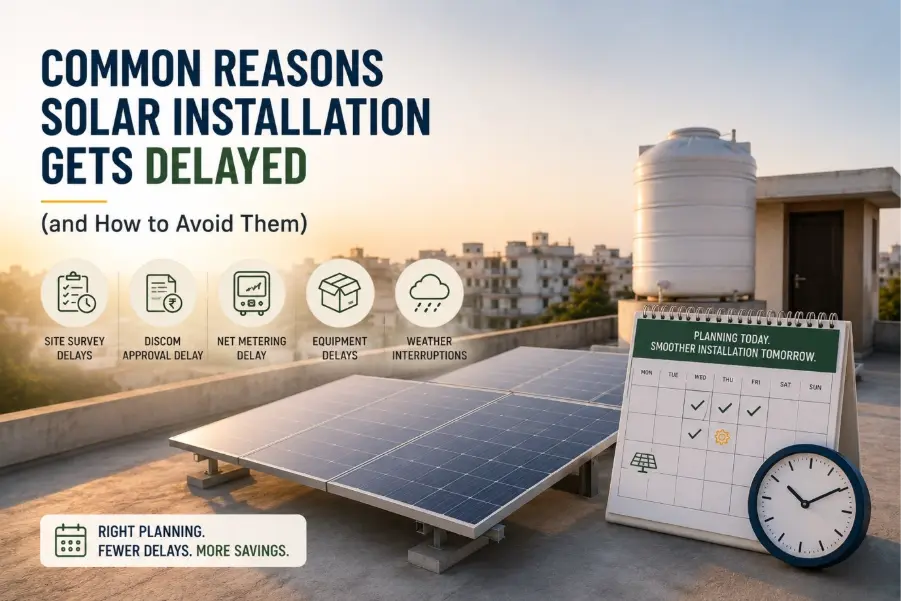
A good assessment of site suitability for rooftop solar prevents unpleasant surprises. When you have accurate data, you can plan the project timeline, material requirements, and manpower bettersaving both EPCs and customers from delays and extra costs.
- Ensures Compliance with Regulations
Compliance with local rules is a crucial aspect of a successful installation. Each location has its own solar installation norms, making inspections even more vital. A detailed site survey helps EPCs check local guidelines, DISCOM norms, and safety standards ensuring a smooth approval process and zero legal hassles.
- Strengthens Brand Credibility
The smoother the solar journey, the more likely your customers are to recommend your services. Whether it’s inspection, installation, or after-sales maintenance, a seamless and transparent process is exactly what solar customers expect. And that begins with an accurate solar site survey before system installation.
How to Conduct a Solar Site Assessment (Step-by-Step)
A professional solar site assessment includes:
- Roof Inspection
- Sunlight & Shading Analysis
- Measurement of Orientation & Tilt
- Energy Consumption Study
- Grid Feasibility Check
- Risk Identification
- Prepare a Transparent Site Report
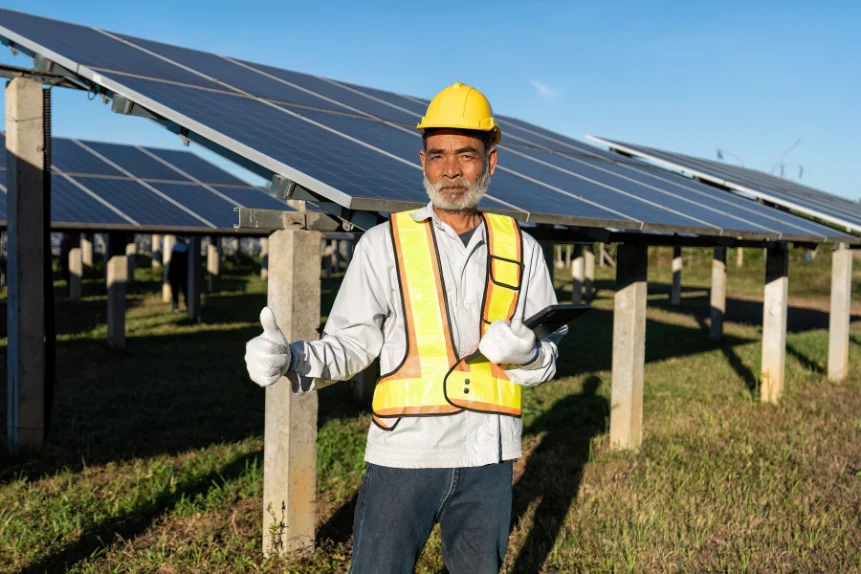
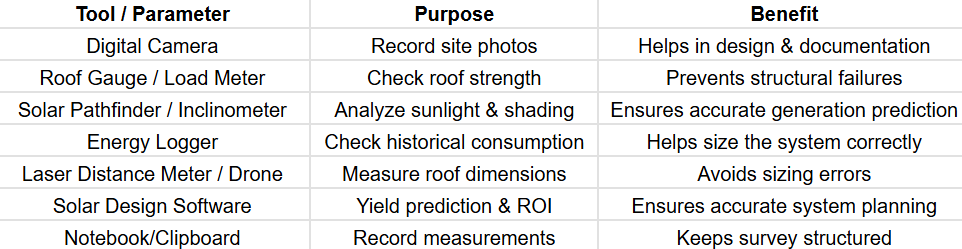
Solar Site Survey Checklist (Professional EPC Tools)
Key Benefits of a Detailed Solar Site Survey
- Fewer installation errors
- Correct system sizing
- Faster project timelines
- Predictable energy generation
- Higher customer satisfaction
- Stronger brand credibility
- Higher conversion rates for EPC sales teams
Final Takeaway
In the solar industry, trust is built on precision, not assumptions.
A detailed, professional solar site assessment ensures:
- Accurate pricing
- Smooth installation
- Maximum solar generation
- Long-lasting customer trust
Every successful solar journey begins with the right foundation—and at Aerem, that foundation starts with a precise, expert-led site survey.
At Aerem, every solar project begins with an accurate, data-driven site assessment.If you’re an EPC looking to deliver flawless installations, talk to our team or explore Aerem’s tools for design, financing, and project execution.

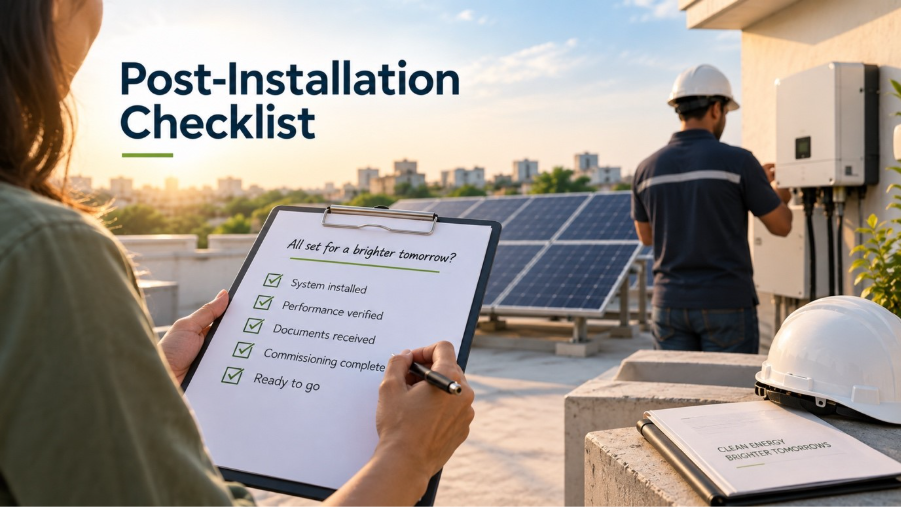
























.png)



.png)



.jpeg)




.jpeg)












.jpeg)
.webp)
.png)
.png)
.png)
.png)
.png)

.png)
.jpg)
