
.webp)

.webp)
.webp)
.webp)


.svg)
.svg)

Electricity bills can rise significantly during summer when fans, refrigerators, coolers, and other appliances run for longer hours. For homeowners looking to reduce their electricity expenses without installing a large solar system, a 1 kW rooftop solar system can be a practical starting point.
With residential rooftop solar becoming more accessible through the PM Surya Ghar Muft Bijli Yojana, many homeowners are now comparing the cost of a 1 kW system, available subsidy, expected electricity generation, and the amount of rooftop space required.
But how much does a 1 kW rooftop solar plant cost in India in 2026? How much can you pay after subsidy? How many units can it generate, and is 1 kW enough for your home?
Let's break it down.
Quick Answer: 1 kW Rooftop Solar Plant Price in India 2026
A 1 kW rooftop solar system price in India generally falls between ₹45,000 and ₹65,000 before subsidy, depending on the panel and inverter selected, roof structure, installation requirements, location, and system configuration.
Eligible residential consumers can receive central financial assistance of up to ₹30,000 for a 1 kW system under the PM Surya Ghar Muft Bijli Yojana, subject to applicable scheme conditions.
This means the effective cost can be substantially lower after the applicable subsidy. However, the final amount depends on the actual system quotation and subsidy eligibility.
A 1 kW rooftop solar system can generate around 100–140 units of electricity per month under suitable conditions. Actual generation varies based on location, sunlight, shading, weather, system design, and other factors.
What Is a 1 kW Rooftop Solar System?
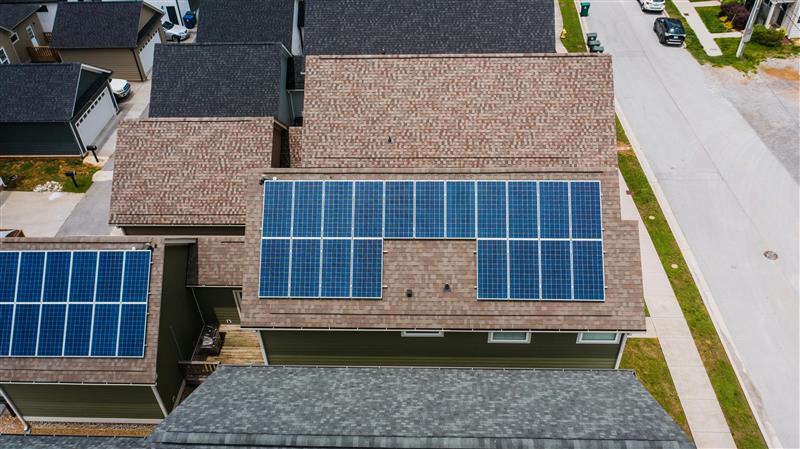
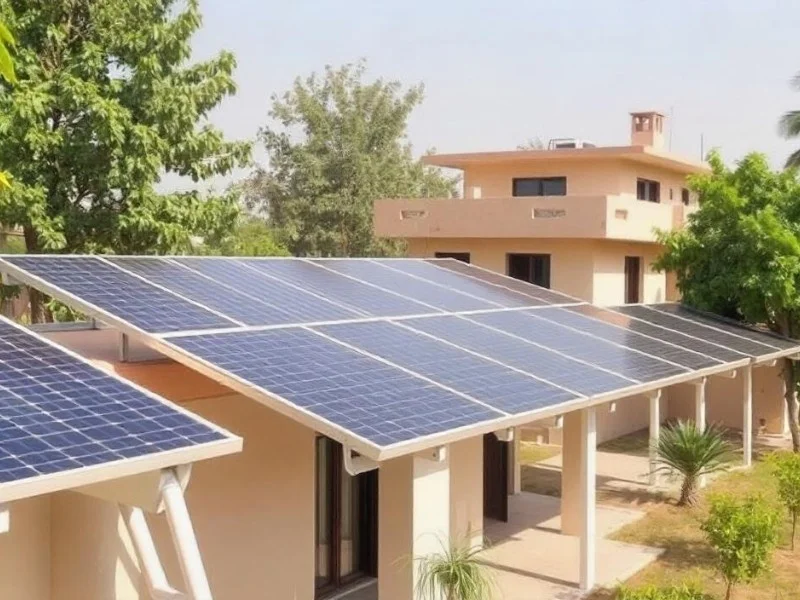
A 1 kW rooftop solar system is a residential solar setup with a generation capacity of 1 kilowatt. It is generally suitable for homes with relatively low electricity consumption and limited rooftop space.
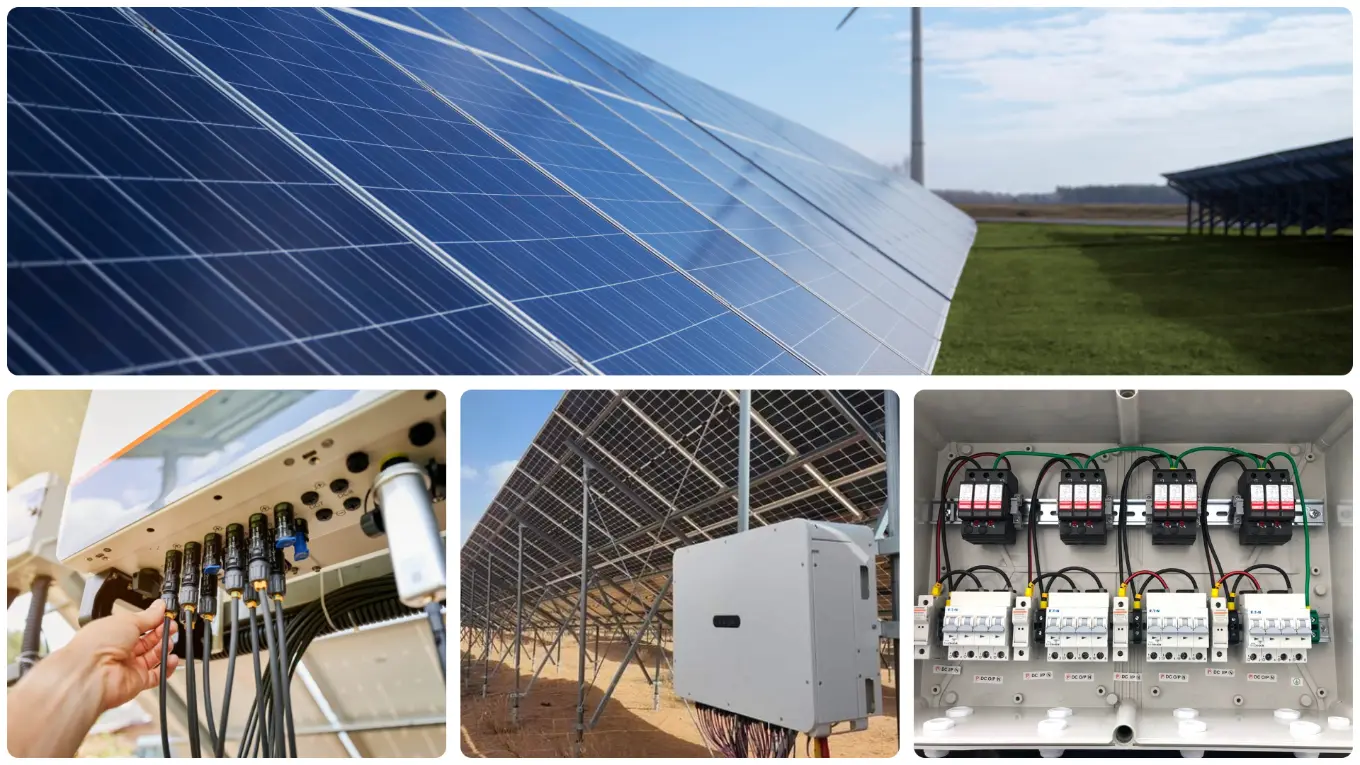
A typical 1 kW system includes:
- Solar panels
- Solar inverter
- Mounting structure
- Wiring and electrical protection equipment
- Other required system accessories
- Metering or net-metering components, where applicable
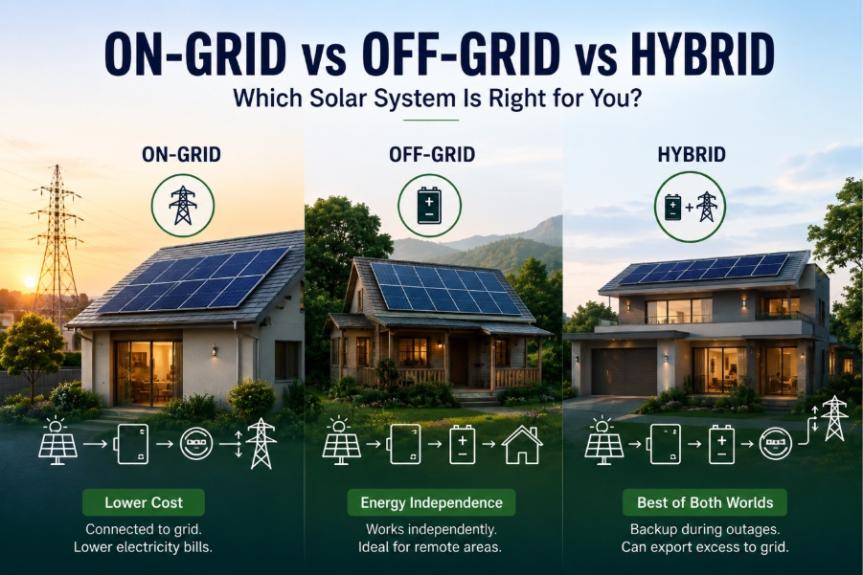
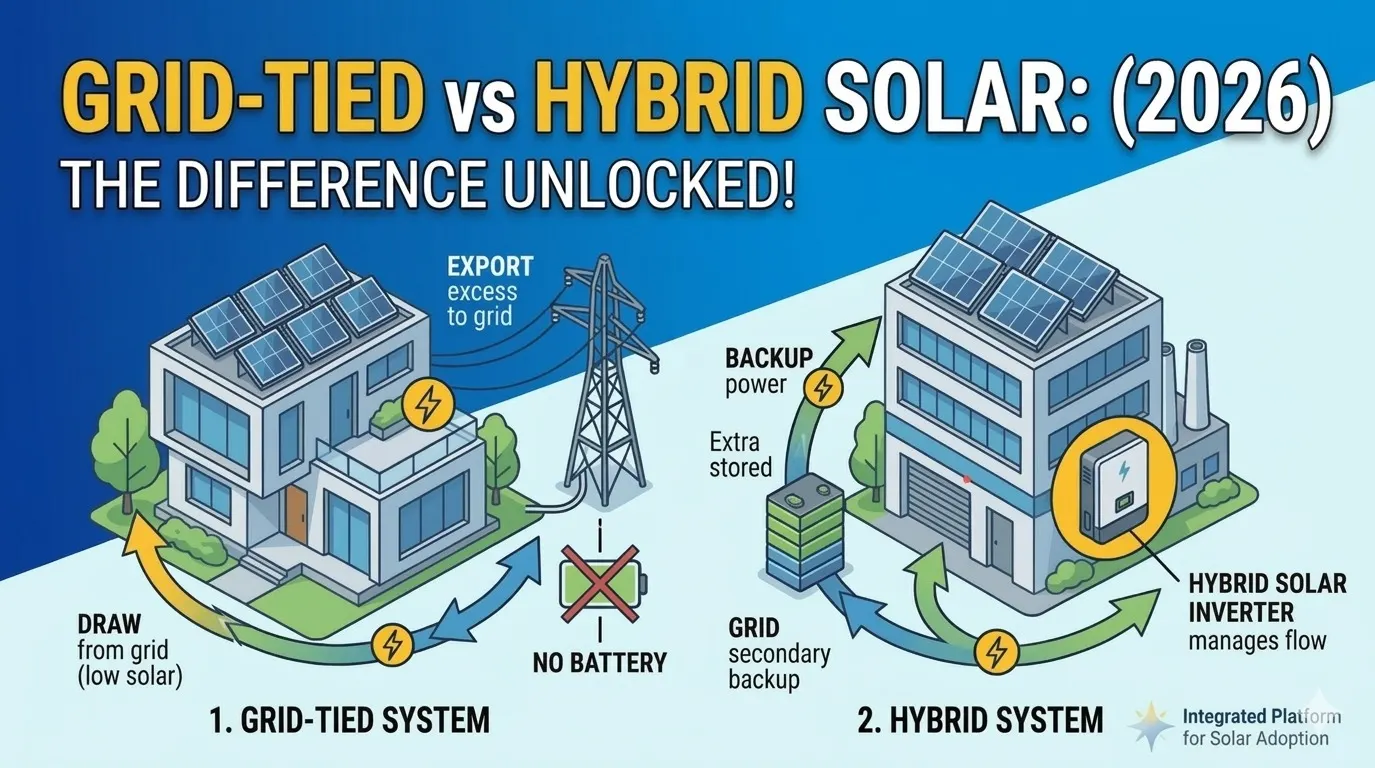
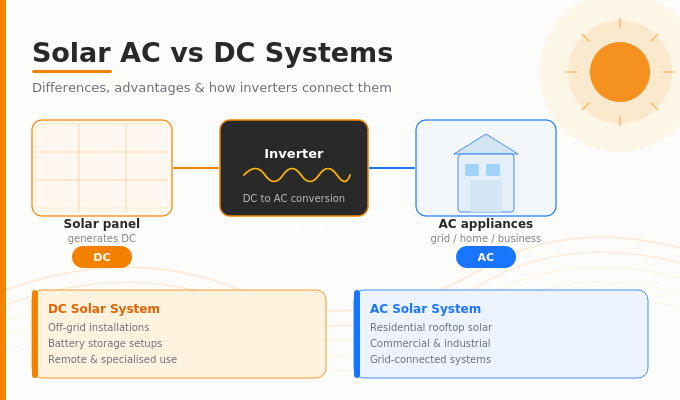
The final configuration depends on whether you choose an on-grid, off-grid, or hybrid system.
1 kW Solar System Price in India 2026
The overall 1 kW solar system cost depends on the system configuration, components, roof structure, installation requirements, and location.
1 kW Solar System Cost Breakdown
Note: These are indicative figures. Actual prices may vary based on city, panel and inverter selection, roof type, system configuration, installer, and other project requirements.
What Affects the 1 kW Solar System Price?
The final quotation can vary because of:
- Panel and inverter selection
- On-grid, off-grid, or hybrid configuration
- Roof type and mounting requirements
- Wiring distance and electrical work
- Installation complexity
- Location and local requirements
- Additional equipment required at the site
This is why the 1 kW solar panel price can differ from the price of a complete 1 kW solar system.
1 kW Solar Panel Price vs. Complete Solar System Price
The 1 kW solar panel price and 1 kW solar system price do not necessarily mean the same thing.
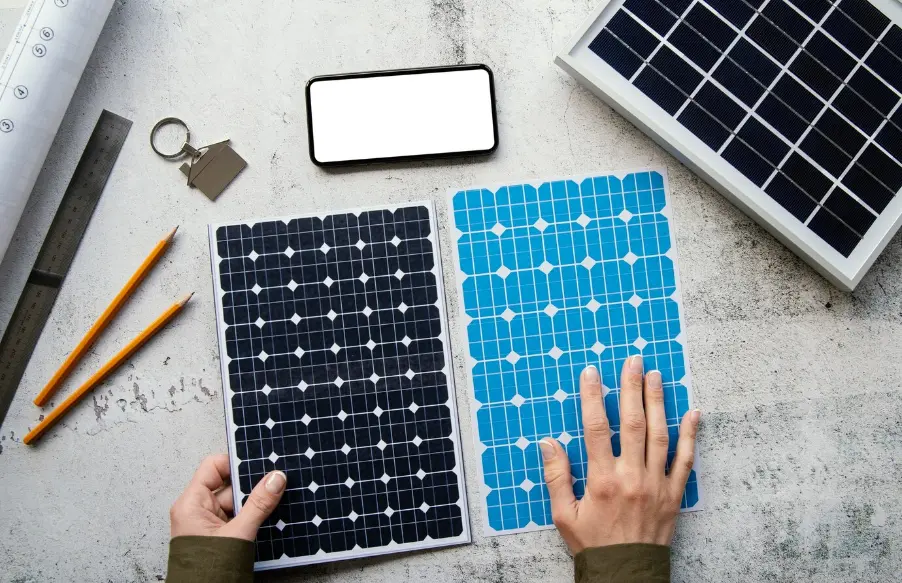
The panel price generally refers to the solar modules alone.
The complete solar system price can include:
- Solar panels
- Inverter
- Mounting structure
- Wiring
- Electrical protection
- Installation
- Other applicable components
When comparing quotations, check what is included in the total price instead of comparing the panel cost alone.
Government Subsidy on 1 kW Solar System in 2026
The PM Surya Ghar Muft Bijli Yojana provides central financial assistance for eligible residential rooftop solar installations.
For a 1 kW residential system, the applicable central subsidy can be up to ₹30,000, subject to the scheme's eligibility requirements and applicable guidelines.
PM Surya Ghar Subsidy for 1 kW System
The actual subsidy received depends on eligibility, applicable requirements, installation through the required process, and other scheme conditions.
1 kW Solar System Price After Subsidy
For example, if an eligible 1 kW system costs ₹55,000:
This is an illustration and not a guaranteed final customer price. The actual amount payable depends on the final quotation and applicable subsidy.
1 kW Solar Price Under PM Surya Ghar Yojana
For homeowners searching for the 1 kW solar panel price under PM Surya Ghar Yojana, it is important to consider the complete project cost rather than only the price of the panels.
The applicable process involves the required application, installation, verification, and DISCOM-related requirements.
Before installation, check the current scheme requirements and confirm that the selected system and installation process meet the applicable eligibility conditions.
1 kW Solar Installation Cost
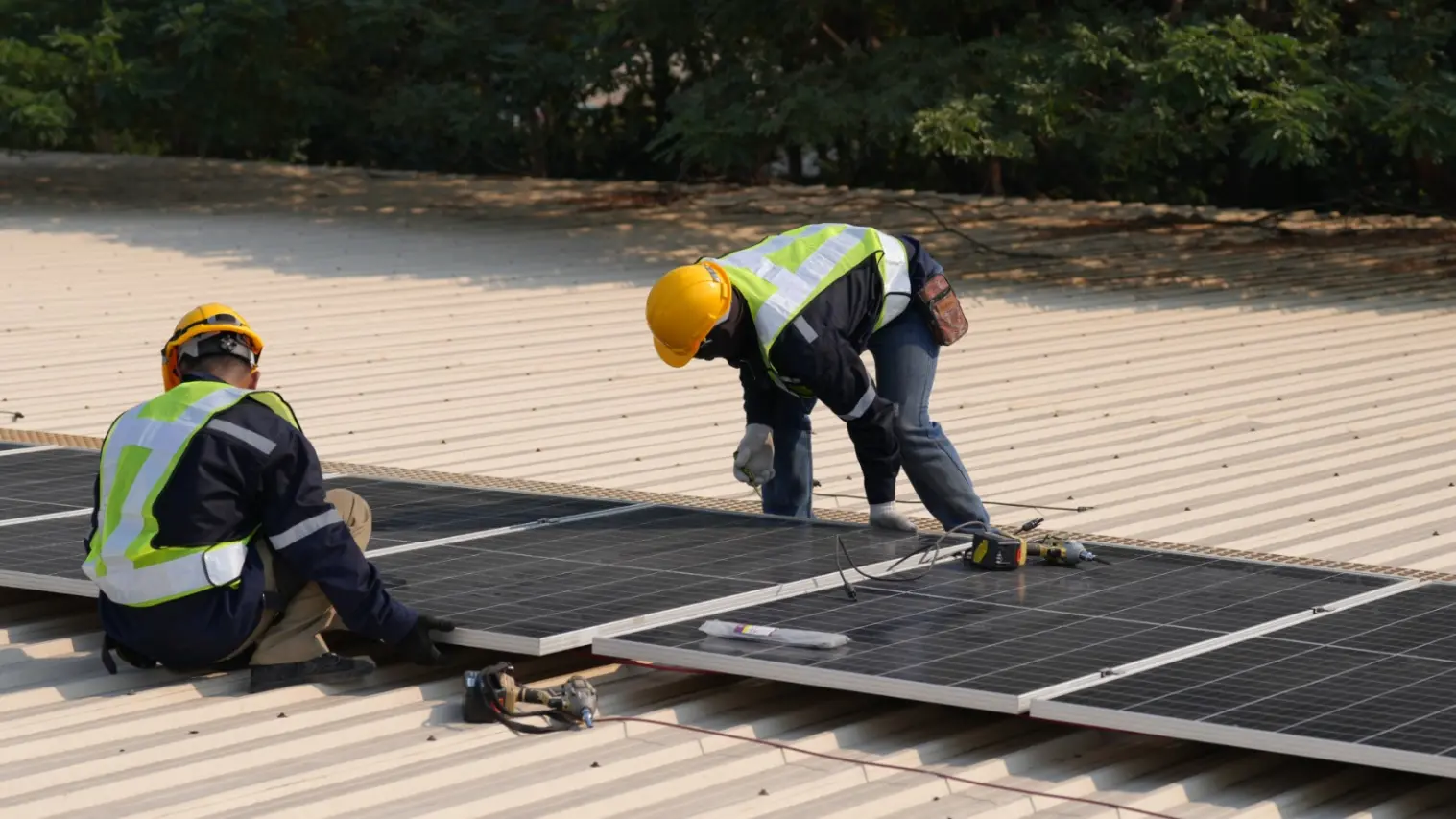
The 1 kW solar installation cost is generally included as part of the overall system quotation, although the exact amount can vary by project.
Installation-related work may include:
- Mounting structure installation
- Solar panel installation
- Inverter installation
- DC and AC wiring
- Electrical protection
- Earthing
- Testing and commissioning
- Applicable metering or net-metering work
Instead of comparing installation charges alone, compare the complete system quotation and check exactly what is included.
How Much Electricity Does a 1 kW Solar System Generate?
A 1 kW rooftop solar system can generate approximately 100–140 units per month under suitable conditions.
Actual generation depends on:
- Available sunlight
- Location
- Weather conditions
- Panel efficiency
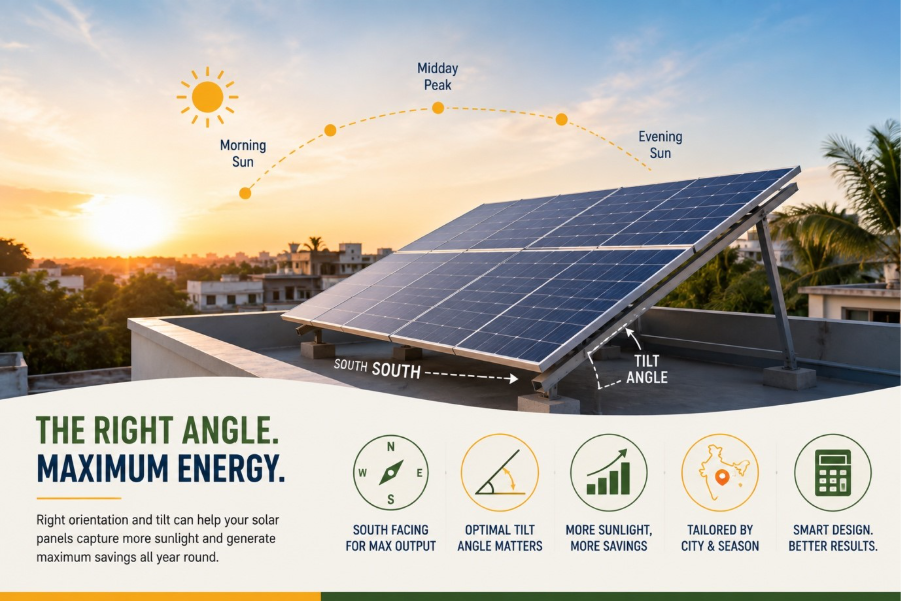
- Roof orientation and tilt
- Shading
- Temperature
- System losses
- Maintenance and cleanliness
Average Daily Generation
These figures are indicative rather than guaranteed.
Monthly Generation
A 1 kW rooftop solar system can generate approximately:
- 100–140 units per month
- 1,200–1,600 units annually
Actual output can vary according to the property's location, solar irradiation, roof conditions, system specifications, and weather.
How Much Roof Space Is Required for a 1 kW Solar System?
A standard 1 kW rooftop solar setup generally requires around 60–100 sq. ft. of shadow-free rooftop space, depending on the panel size and installation layout.
For better solar generation:
- Minimize shading from trees and nearby buildings
- Provide suitable panel orientation and tilt
- Keep sufficient space for maintenance
- Avoid areas that receive regular shadows
The actual roof space requirement depends on the selected panels and mounting arrangement.
What Can a 1 kW Solar System Run?
A 1 kW solar system can support essential household loads, particularly during the hours when solar electricity is being generated.
It may support appliances such as:
- LED lights
- Ceiling fans
- Refrigerator
- LED TV
- Laptop
- Wi-Fi router
- Other smaller household electronics
However, the number of appliances that can operate simultaneously depends on their individual wattage, total household load, solar generation, and system type.
A 1 kW system may not be suitable for continuously operating high-consumption appliances such as multiple air conditioners, large water heaters, or several heavy kitchen appliances at the same time.
For this reason, choose system capacity based on your actual electricity consumption, rather than simply counting appliances.
1 kW vs 2 kW vs 3 kW Solar System
If you are unsure whether 1 kW is enough, comparing nearby system sizes can help.
Indicative figures only. Actual generation and pricing vary by location, components, system configuration, and installation requirements.
If your electricity consumption is consistently high, a larger system may be more suitable than a 1 kW installation.
Types of 1 kW Solar Systems
On-Grid Solar System
An on-grid solar system connects to the electricity grid and is commonly used for residential rooftop installations.
Benefits:
- Lower upfront cost compared with systems with battery storage
- Can reduce grid electricity consumption
- Suitable for homes with reliable grid connectivity
- Can work with applicable net-metering arrangements
Limitation:
A standard on-grid system generally shuts down during a grid outage for safety unless an appropriate backup configuration is included.
Off-Grid Solar System
An off-grid solar system uses batteries to store electricity and can operate independently of the grid.
Benefits:
- Backup power availability
- Useful where grid supply is unreliable
Limitation:
The battery increases the upfront cost and will require replacement during its operating life.
Hybrid Solar System
A hybrid system combines grid connectivity with battery storage.
Benefits:
- Backup during outages
- Greater energy independence
Limitation:
It generally has a higher upfront cost than a basic on-grid system.
1 kW Solar System Savings and Payback Period
The savings from a 1 kW solar system depend on several factors, including:
- Electricity tariff
- Monthly electricity consumption
- Solar generation
- Self-consumption
- Applicable net-metering rules
- System cost
- Subsidy received
- System maintenance
Example Savings Calculation
These figures are illustrative and should not be treated as guaranteed savings.
The payback period also varies according to the actual system cost, subsidy, electricity tariff, generation, and household consumption. Calculate the payback using your actual quotation rather than relying on a fixed 2–3 year estimate.
Is a 1 kW Solar System Suitable for Your Home?
A 1 kW solar system can be suitable for households with relatively low electricity consumption and limited rooftop space.
It may be suitable if you:
- Have a small home or 1 BHK
- Have relatively low monthly electricity consumption
- Have limited shadow-free rooftop space
- Mainly want to offset daytime electricity consumption
A larger system may be more suitable if:
- Your monthly electricity consumption is high
- You regularly use air conditioners or other high-load appliances
- You have sufficient roof space
- Your future electricity requirements are expected to increase
The right capacity should be based on your electricity usage, available roof space, and expected solar generation.
Conclusion
A 1 kW rooftop solar plant in India can be a practical option for homeowners with relatively low electricity consumption and limited rooftop space.
The indicative price of ₹45,000–₹65,000 before subsidy can vary depending on the selected components, installation requirements, roof structure, location, and system configuration. Eligible residential consumers may also benefit from the PM Surya Ghar Muft Bijli Yojana, which can reduce the effective cost of a qualifying installation.
Before installing a 1 kW system, compare the complete system quotation rather than looking only at the solar panel price. Check your electricity consumption, available roof space, expected generation, system type, and applicable subsidy.
If you are unsure whether 1 kW is the right capacity for your home, a professional site assessment can help determine the appropriate system size based on your electricity requirements and rooftop conditions.
Frequently Asked Questions





















.png)



.png)




.jpeg)
.jpeg)





.jpeg)











.jpeg)
.webp)
.png)
.png)
.png)
.png)
.png)

.png)
.jpg)
