
.webp)

.webp)
.webp)
.webp)


.svg)
.svg)

Introduction
Installing rooftop solar isn't just about choosing good-quality panels. Where those panels face and the angle at which they're installed can make a noticeable difference to how much electricity your system generates over the next 25 years.
Many homeowners assume every solar installation looks the same. In reality, two identical systems installed on different rooftops can produce different amounts of electricity simply because of their orientation and tilt.
The good news is that you don't need the "perfect" roof to benefit from solar. A well-designed system takes your roof's layout, location, and sunlight exposure into account to maximize performance.
If you've been wondering about the best tilt angle for solar panels in India or the right roof orientation for solar installation, this guide explains it in simple terms.
Why Panel Direction Matters More Than Most People Think
Imagine drying clothes outdoors.
If you hang them in a sunny, open space, they'll dry much faster than if they're placed in the shade. Solar panels work in a similar way. They generate the most electricity when they receive sunlight for longer periods during the day.
The direction your panels face determines how much sunlight they receive across different seasons.
That's why installers spend time studying your roof before recommending a system layout. Even a small adjustment in panel placement can improve yearly energy generation.
The aim isn't to chase perfection. It's to make the best use of the roof you already have.
Which Direction Should Solar Panels Face in India?
One of the most common questions homeowners ask is whether every rooftop solar system should face south.
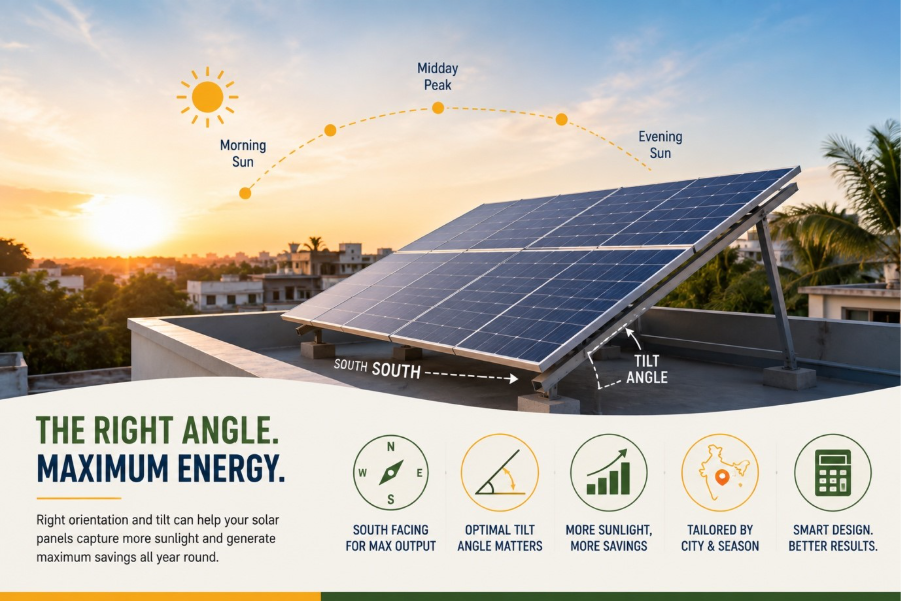
In most parts of India, south-facing panels receive the highest amount of sunlight over the course of the year. That's why you'll often hear installers recommend south-facing solar panel orientation for maximum annual energy generation.
But that doesn't mean every successful installation faces due south.
Many homes have roofs that face east, west, or a combination of both. With thoughtful system design, these rooftops can still generate excellent results.
For example:
- A south-facing roof generally provides the highest yearly generation.
- East-facing panels receive more sunlight during the morning.
- West-facing panels produce more electricity later in the afternoon.
If your family's electricity usage is higher during the evening, a west-facing system may actually match your consumption pattern better, even if its annual generation is slightly different.
That's why the solar panel direction for max output depends not only on geography but also on how your household uses electricity.
What Is the Best Tilt Angle for Solar Panels?
Direction is only one part of the equation. The angle at which the panels are installed also influences how much sunlight they capture.
Think of holding a book under a reading lamp.
If the book lies completely flat, some light falls across the page. Tilt it slightly towards the lamp, and the page catches more light. Solar panels behave in much the same way.
The best tilt angle for solar panels in India is generally close to the latitude of the installation location. This allows the panels to receive good sunlight throughout the year rather than performing well only during one season.
In practice, installers may adjust this angle slightly based on:
- Roof design.
- Mounting structure.
- Local weather conditions.
- Structural limitations.
- Shading considerations.
Rather than chasing an exact number, experienced installers focus on finding the angle that delivers consistent annual performance.
Does the Ideal Angle Change from City to City?
Yes, and that's completely normal.
India stretches across a wide range of latitudes, so the position of the sun changes depending on where you live.
A rooftop in Delhi doesn't receive sunlight in exactly the same way as one in Chennai or Kochi. That's why installers don't use a single tilt angle across the country.
Instead, they design each project around its location.
For example:
- Northern cities generally require a slightly steeper tilt.
- Southern cities closer to the equator often use a lower tilt angle.
- Local roof design and nearby shading can influence the final recommendation.
If you've searched online for the optimal solar panel angle by city, you'll probably find several different numbers. That's because installers consider more than just latitude when designing a rooftop system.
A professional site assessment almost always provides a better answer than a generic online chart.
What If Your Roof Doesn't Face South?
This is where many homeowners start worrying unnecessarily.
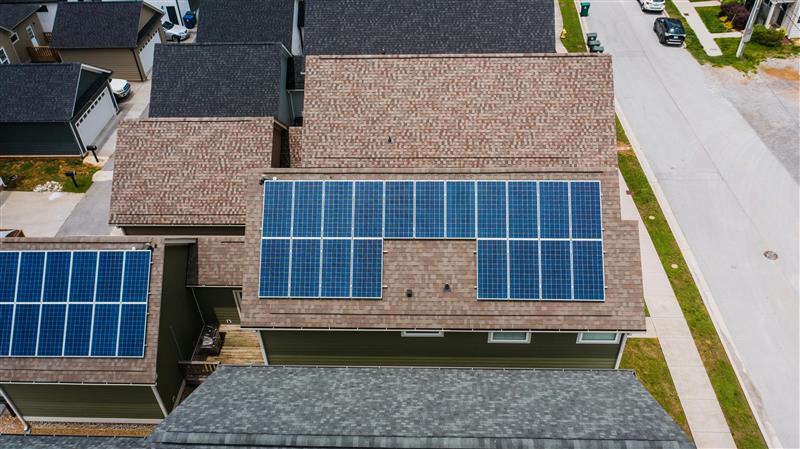
The reality is that thousands of homes across India generate clean electricity from rooftops that don't face due south.
Modern mounting systems allow installers to optimise panel placement within the available roof space.
Even if your roof faces east, west, or has multiple sections, a good EPC partner can often design a layout that delivers excellent performance.
In some cases, sacrificing a small percentage of theoretical output makes far more sense than carrying out expensive structural changes to the roof.
The goal is always to maximize performance within the practical constraints of your home.
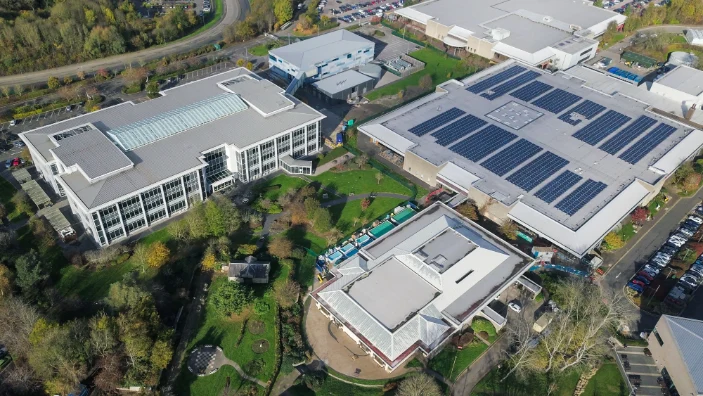
Flat Roof vs. Sloping Roof Installations
The shape of your roof also plays a role in how solar panels are installed.
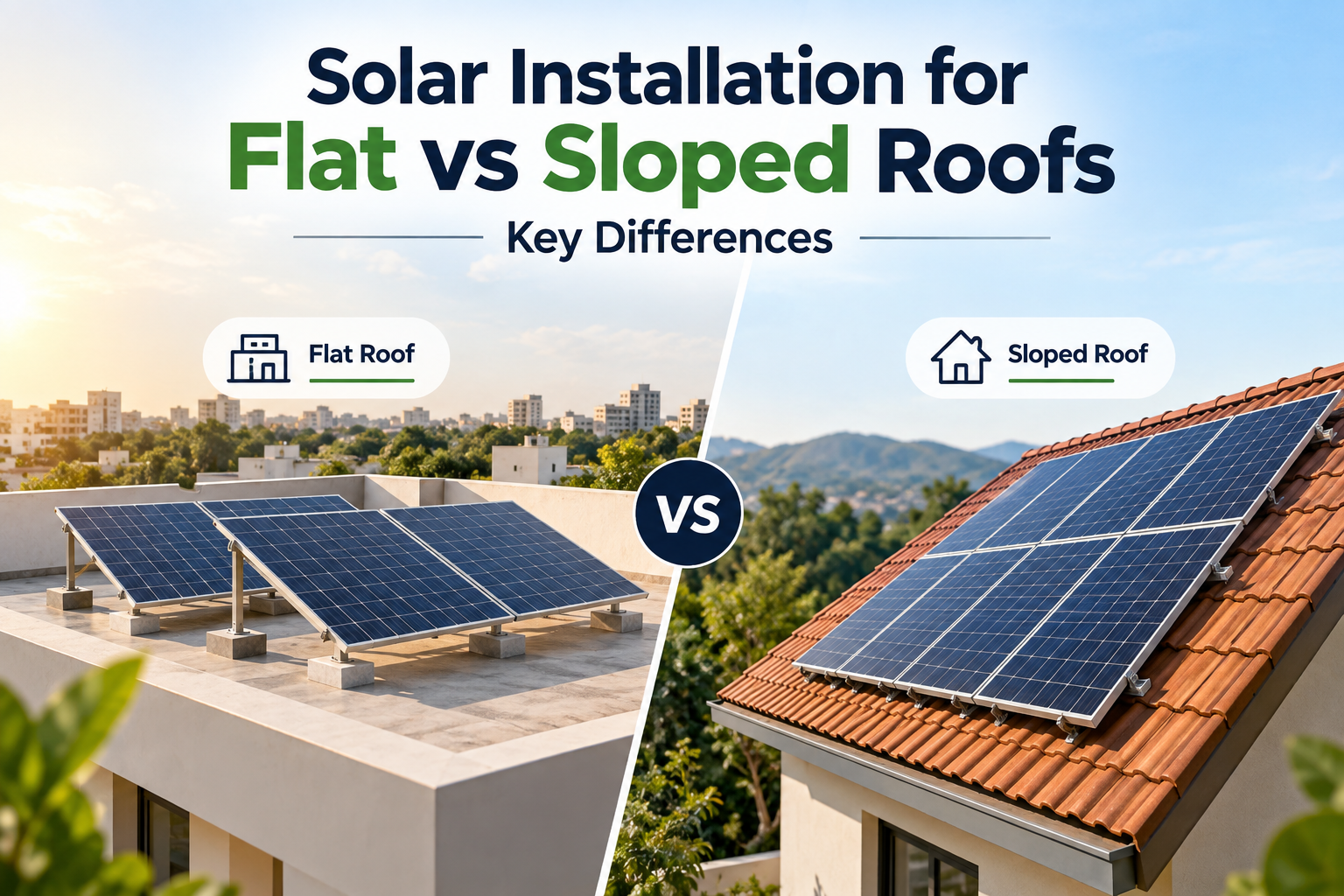
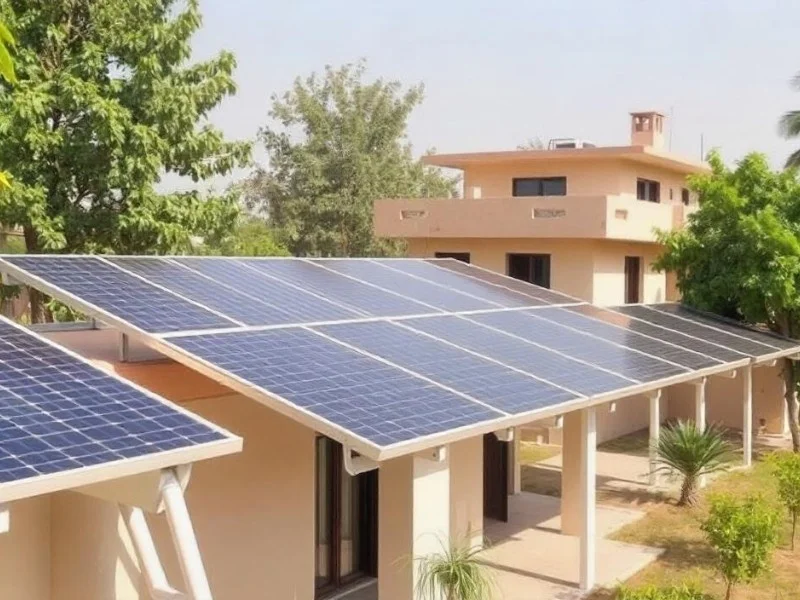
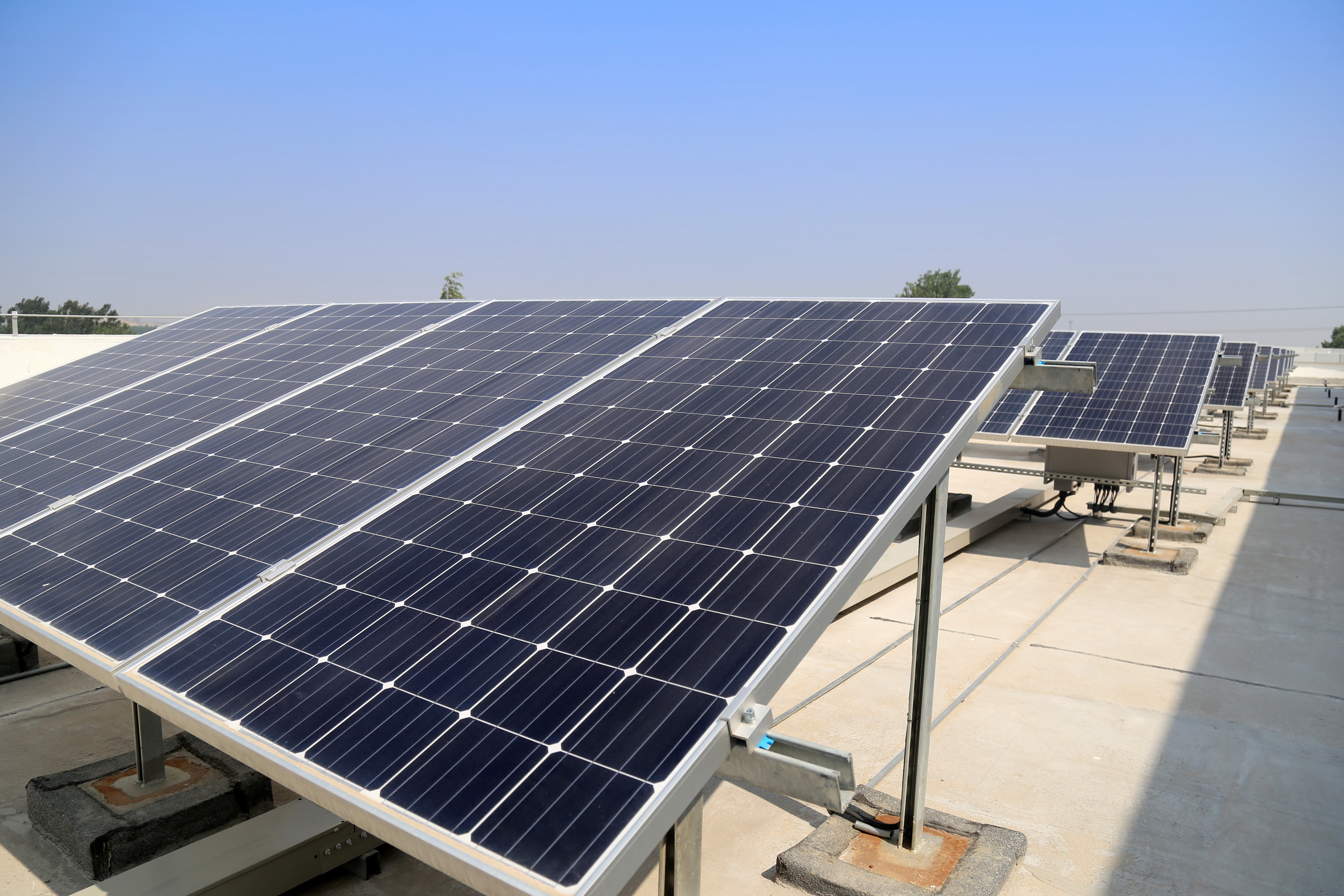
A flat roof gives installers more flexibility. Since the mounting structure can be adjusted, it's usually possible to set the panels at an angle that captures sunlight efficiently throughout the year.
Sloping roofs work a little differently. Here, the panels generally follow the existing roof angle. If the roof already faces a favorable direction, installation becomes relatively straightforward. If not, the installer may recommend a modified mounting structure, provided the roof design allows it.
Neither roof type is automatically better than the other. What matters is making the most of the space available.
A detailed site survey helps determine the best roof orientation for solar installation based on your property's layout rather than relying on a standard design.
Common Mistakes That Reduce Solar Output
Most rooftop solar systems perform well when they're carefully designed and professionally installed. Small planning mistakes, though, can affect how much electricity the system produces over time.
Some of the most common ones include
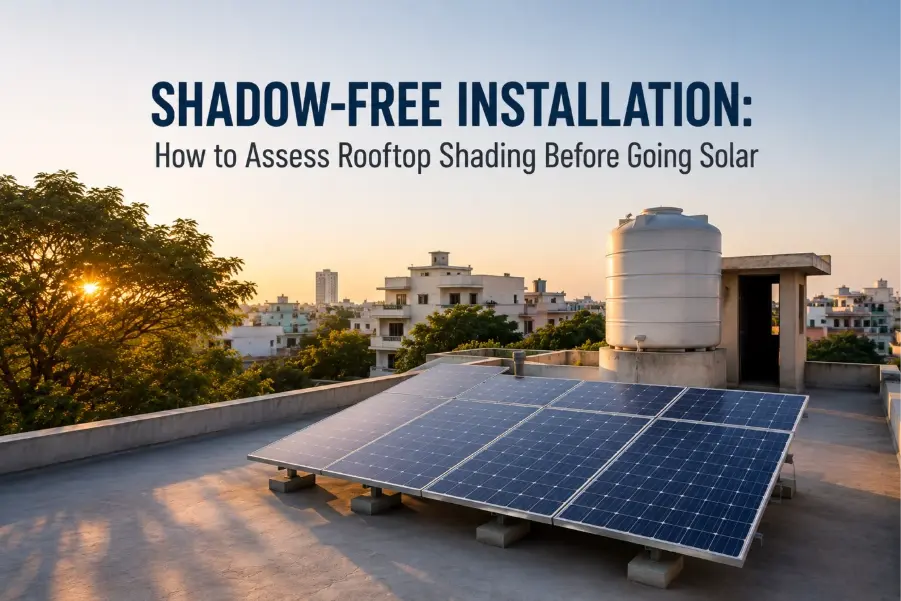
- Installing panels where nearby trees or buildings create regular shade.
- Using the same layout for every roof without considering orientation.
- Choosing an unsuitable tilt angle for the location.
- Leaving insufficient space between rows of panels on flat roofs.
- Ignoring future changes, such as planned rooftop water tanks or extensions.
Imagine planting a tree in the middle of a sunny garden. It may not cast much shade today, but a few years later it could block sunlight from reaching part of the solar array.
Thinking a few years ahead is just as important as planning for today.
Can Tilt Angles Be Changed Later?
This is another question homeowners often ask after installation.
The answer is yes, but it depends on the type of mounting structure and the roof itself.
On some flat roofs, adjusting the tilt angle later may be possible if there's a valid reason, such as adding new panels or redesigning part of the system.
For most residential rooftops, though, installers aim to get the angle right during the initial installation. Changing mounting structures later usually involves additional labor and cost, so careful planning at the beginning is always the better approach.
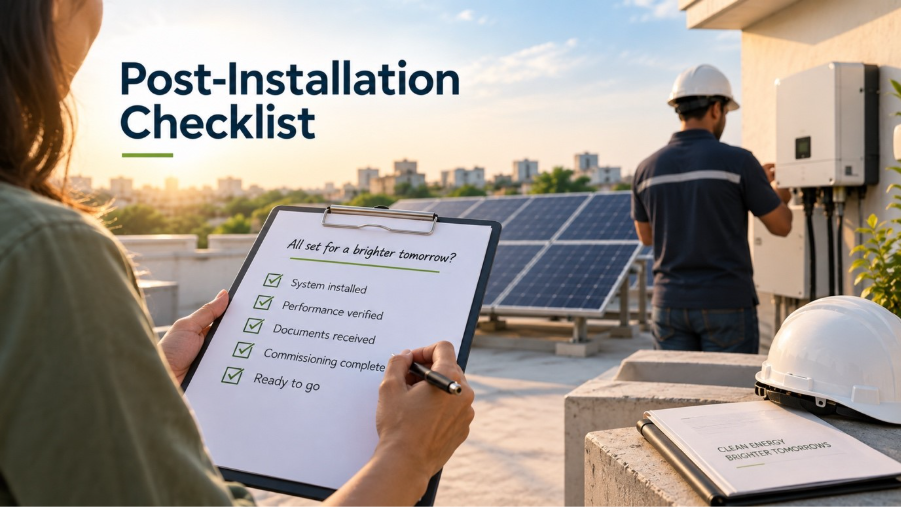
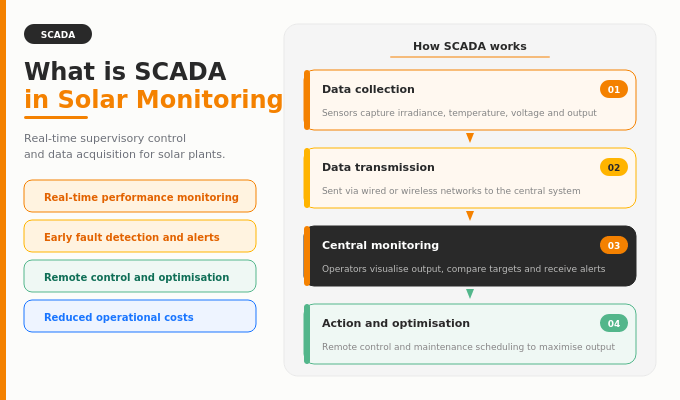
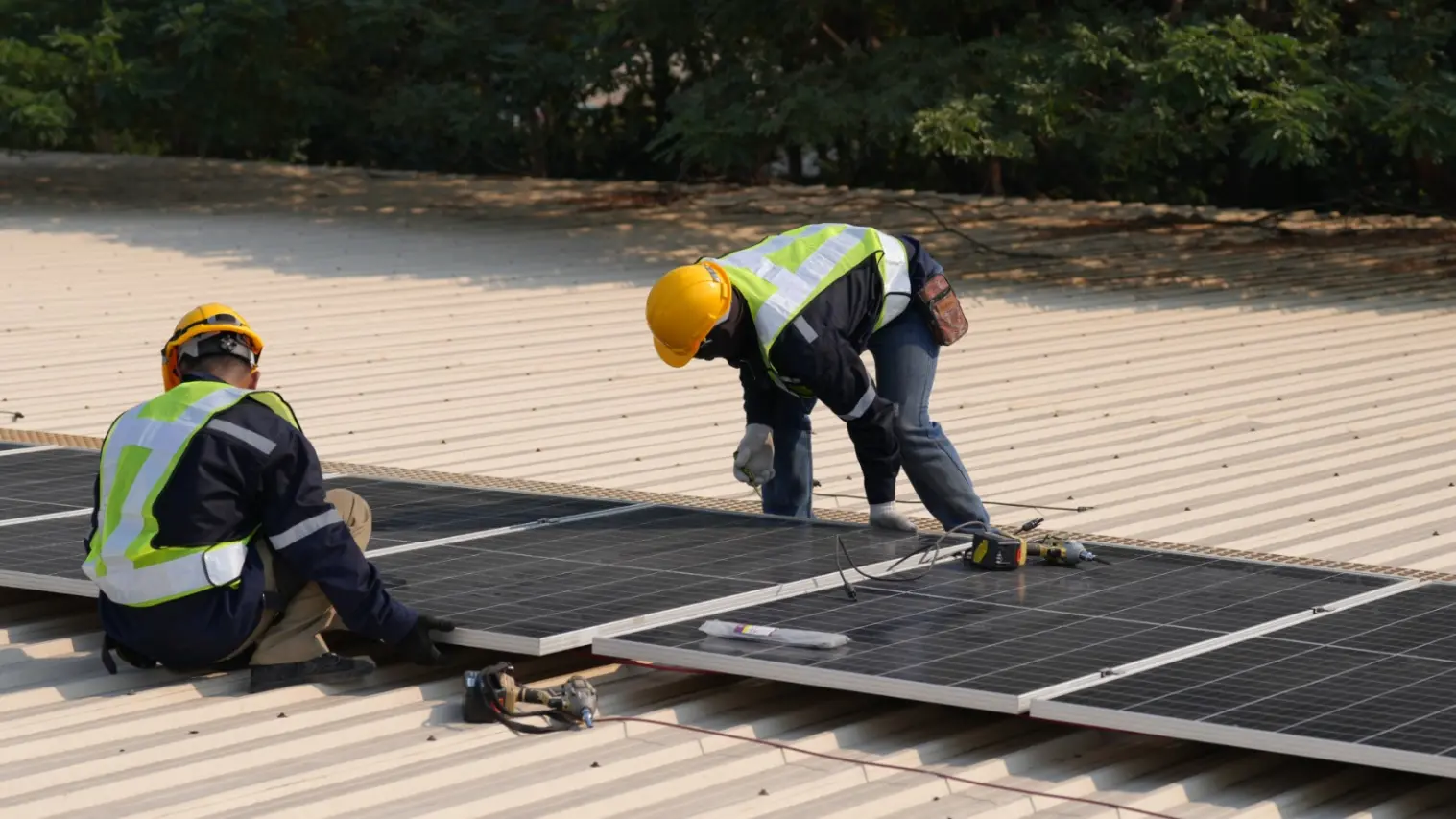
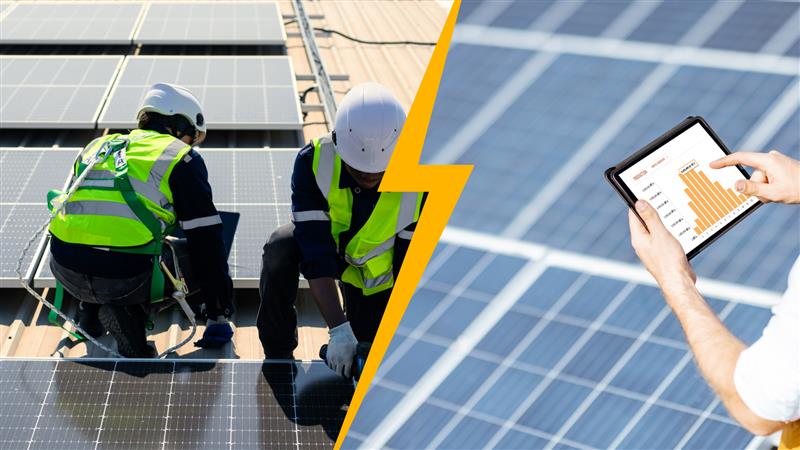
That's why experienced EPC teams spend time evaluating sunlight, roof layout, and structural conditions before the first panel is installed. Solar plant monitoring can also help track system performance after installation.
Choosing the Right Installer Matters
The best panels in the market won't deliver their full potential if they're installed poorly.
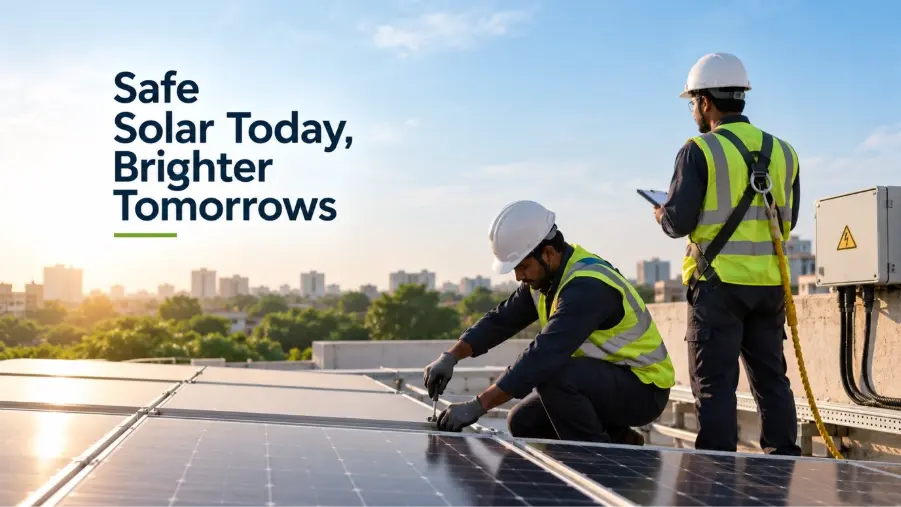
A good installer doesn't simply arrive with equipment and start mounting panels. They study the property, understand your electricity consumption, evaluate shading, recommend the right orientation, and design a system that fits your home.
This planning stage often has a greater impact on long-term performance than homeowners realize.
If you're comparing quotations, don't hesitate to ask questions such as
- Why have you recommended this panel layout?
- How did you decide on the tilt angle?
- Will nearby structures create shading during any part of the year?
- Can the system be expanded later if our electricity needs increase?
Clear answers usually reflect a thoughtful design process.
If you're also exploring solar panel financing, it's worth choosing an installer who can guide you through both the technical and financial aspects of the project. A solar installation loan can also help manage the upfront cost of the project. A well-designed financing plan, combined with a professionally installed system, makes the transition to rooftop solar much easier.
How Aerem Helps Homeowners Make Better Solar Decisions
Every rooftop is different, which is why every solar system should be designed differently too.
Aerem helps homeowners connect with experienced installation partners who evaluate each property before recommending a solution. These residential solar solutions are designed around the property's roof space, layout, and energy needs. Instead of relying on generic layouts, the focus is on designing systems that make the best use of the available roof space while delivering dependable long-term performance.
For homeowners looking to spread the upfront investment, Aerem also offers solar panel financing options that make it easier to switch to clean energy without paying the entire project cost at once.
Conclusion
The success of a rooftop solar system isn't determined only by the quality of the panels. How they're positioned on your roof has an equally important role to play.
Choosing the right orientation and tilt helps your system capture more sunlight, generate more electricity, and deliver better long-term value. The ideal setup isn't the same for every home because every rooftop has its own layout, surroundings, and energy needs.
That's why the best solar installations begin with careful planning rather than assumptions. When experienced professionals evaluate your roof before recommending a design, you're far more likely to end up with a system that performs consistently for years to come.
FAQs












.png)


.png)


.jpeg)
.jpeg)




.jpeg)









.jpeg)
.webp)
.png)
.png)
.png)
.png)
.png)

.png)
.jpg)
