
.webp)

.webp)
.webp)
.webp)



.svg)
.svg)

Introduction
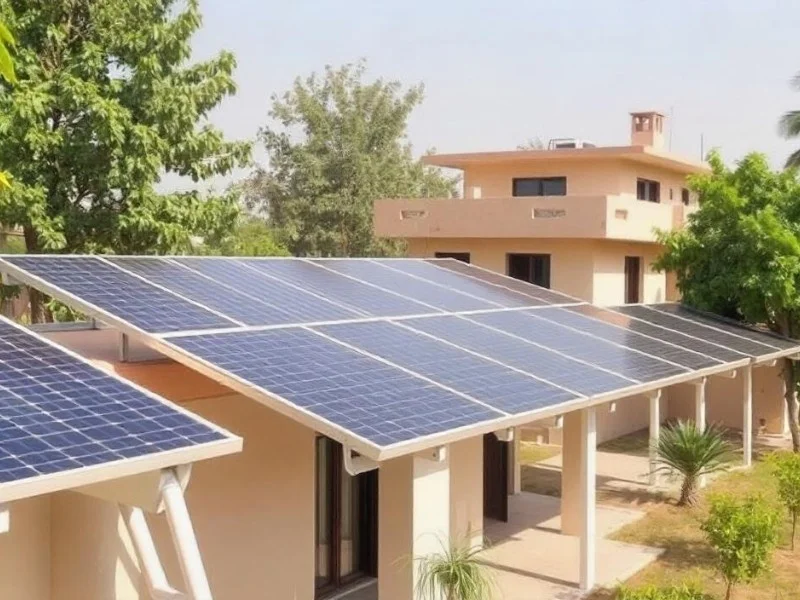
Electricity bills in Kerala have been steadily climbing, which is one reason more homeowners are looking at rooftop solar as a long-term investment. The upfront cost of installing a solar system can seem significant at first, but government support has made the transition much easier for residential consumers.
If you've been searching for a solar subsidy in Kerala, you've probably come across multiple schemes and portals, making the process feel more complicated than it really is. The good news is that the current framework is fairly straightforward. Eligible homeowners can apply for financial assistance under the PM Surya Ghar: Muft Bijli Yojana, while the Kerala State Electricity Board (KSEB) manages approvals, inspections, and grid connectivity within the state.
This guide explains how the scheme works, who can apply, how much subsidy is available, and what to expect during the installation process.
Overview of Solar Subsidy in Kerala
When people refer to the solar panel subsidy Kerala offers, they are generally talking about the central subsidy available through the PM Surya Ghar: Muft Bijli Yojana.
There isn't a separate residential subsidy announced by the Kerala government at present. Instead, eligible homeowners receive Central Financial Assistance (CFA), while KSEB serves as the implementing agency for rooftop solar projects across the state. That means everything from technical feasibility approval to net meter installation happens through one utility, making the process easier to navigate.
For homeowners, the biggest advantage is simple. The subsidy reduces the upfront investment, making rooftop solar a more practical option for everyday households.
KSEB Solar Scheme Explained
KSEB has played an important role in Kerala's solar journey through initiatives like the Soura program, and today it continues that role under the PM Surya Ghar scheme.
Once you submit your application through the National Rooftop Solar Portal, KSEB reviews the proposal, checks whether your rooftop is suitable, approves the technical design, and oversees grid connection after installation. The utility also installs the net meter, allowing homeowners to export surplus electricity back to the grid where applicable.
If you're planning to install a rooftop system, understanding this Kerala solar scheme early on makes the overall process much easier.
Eligibility Criteria
Most homeowners qualify if they meet a few basic conditions.
You can apply if you:
- Own a residential property.
- Have a valid domestic electricity connection with KSEB.
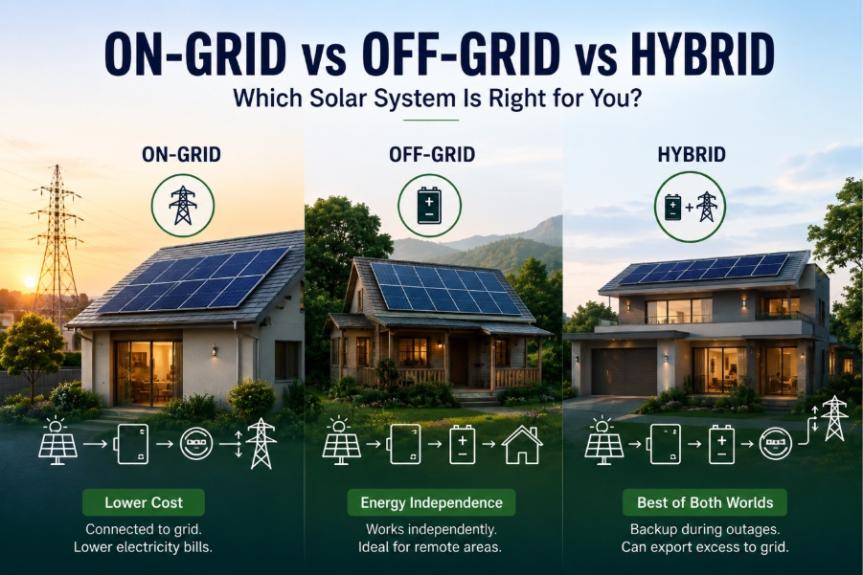
- Install a grid-connected rooftop solar system through an impaneled vendor.
- Use equipment that complies with MNRE and BIS requirements.
Commercial buildings and industrial facilities can certainly install rooftop solar, but the residential subsidy under PM Surya Ghar is intended for domestic consumers.
Step-by-Step Application Process
The application process is much easier than many homeowners expect.
Step 1: Register on the PM Surya Ghar National Portal using your electricity consumer details.
Step 2: Submit your rooftop solar application and wait for technical feasibility approval from KSEB.
Step 3: Choose an impaneled installer to complete the installation.
Step 4: Once the work is complete, KSEB conducts an inspection and installs the net meter.
Step 5: After commissioning, the subsidy is processed through Direct Benefit Transfer (DBT) and credited to your registered bank account.
Required Documents
Keeping these documents ready usually makes the application smoother.
- Aadhaar Card
- Property ownership proof
- Latest KSEB electricity bill
- Bank account details
- Passport-size photograph
- Mobile number linked to the application
Depending on the project, KSEB may ask for additional technical documents during verification.
Subsidy Amount & Benefits
Under the current PM Surya Ghar scheme, eligible residential consumers can receive:
These subsidy amounts are notified by the Ministry of New and Renewable Energy and are applicable across India, including Kerala.
Beyond lowering the initial investment, the subsidy offers several long-term advantages:
- Faster recovery of installation costs.
- Lower monthly electricity bills.
- Better returns over the life of the system.
- Greater use of clean energy.
Many homeowners also explore solar system financing alongside the subsidy to reduce the upfront financial commitment even further.
Installation Process in Kerala
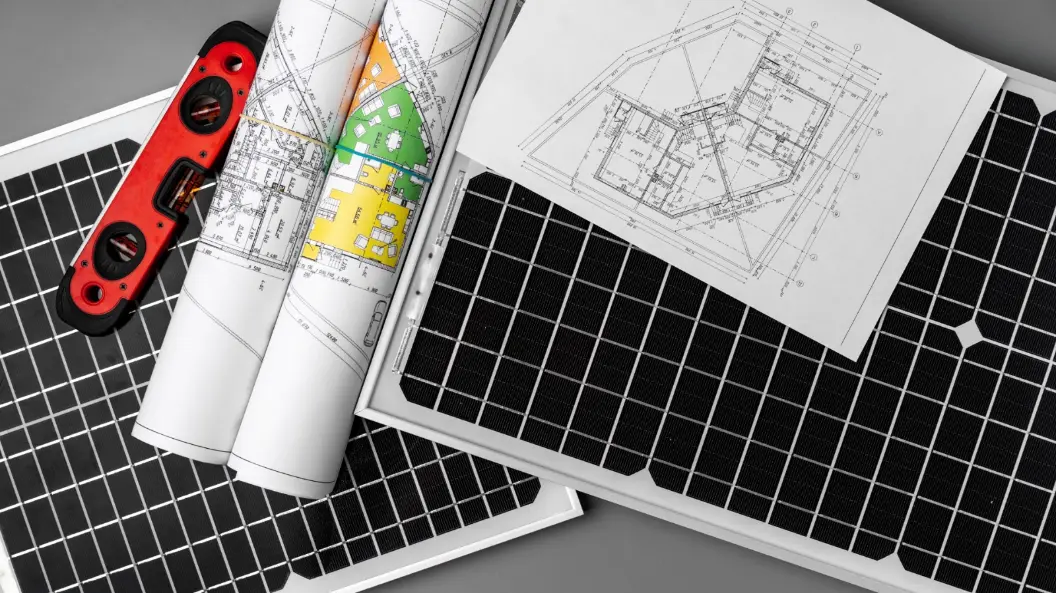
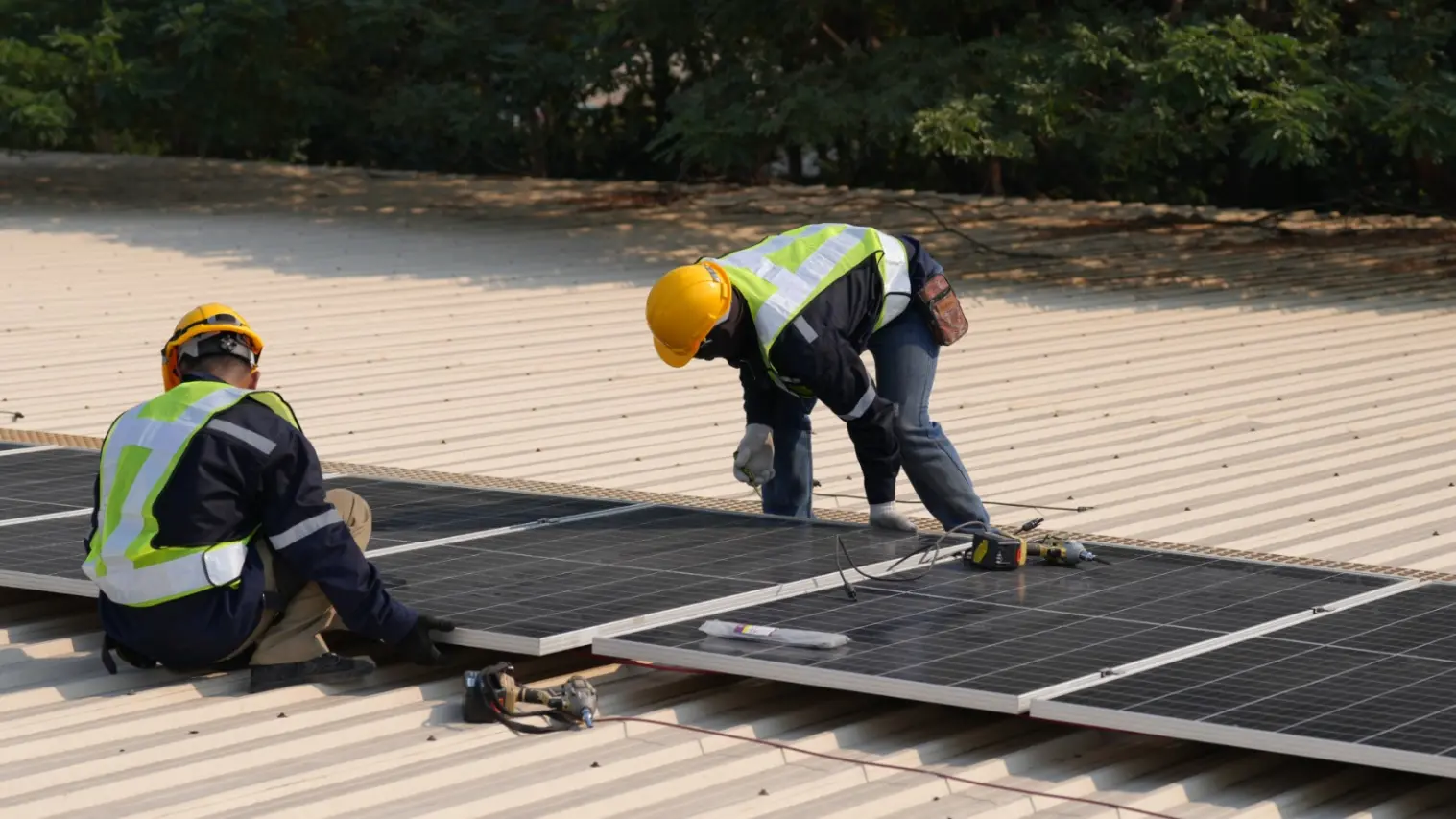
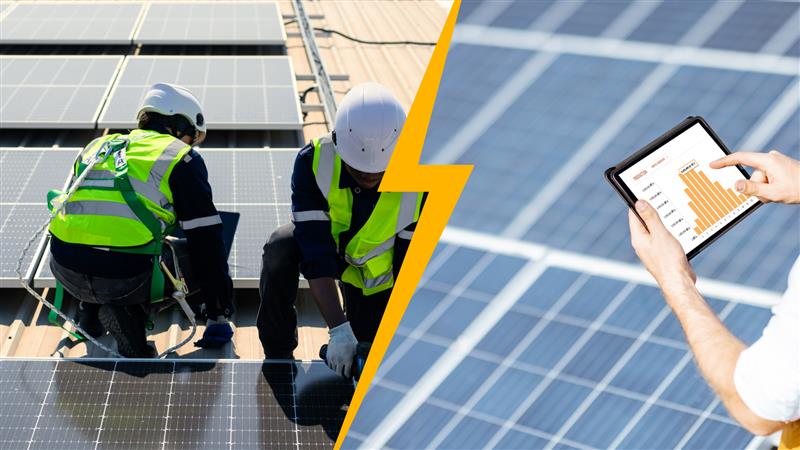
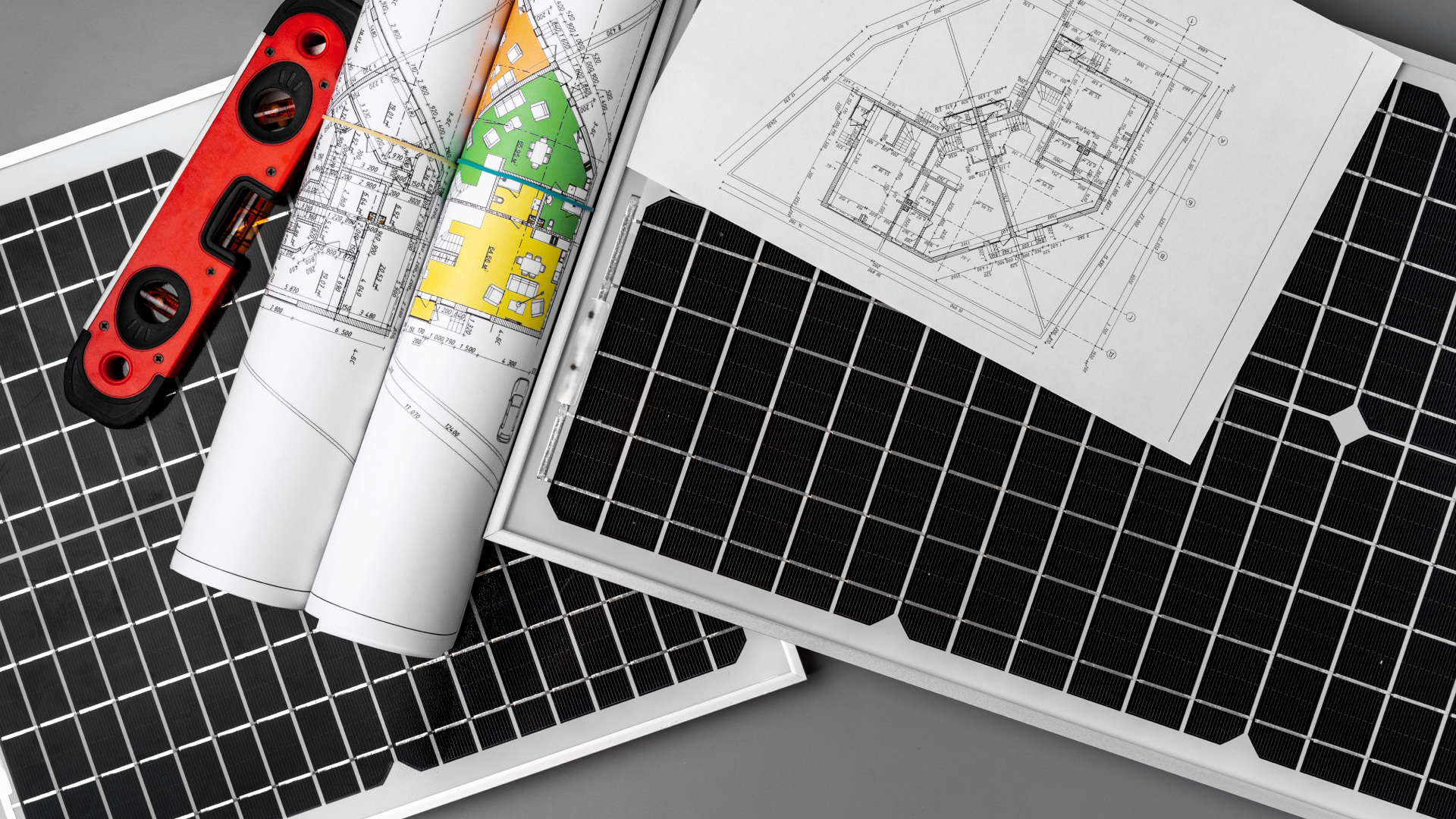
Every rooftop is different, which is why installers begin with a site assessment rather than immediately recommending a system size.
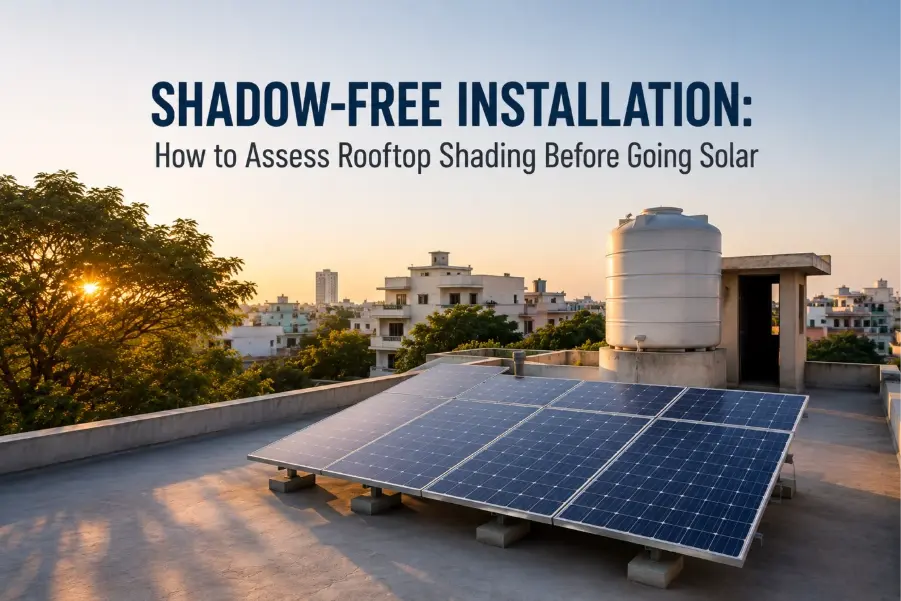
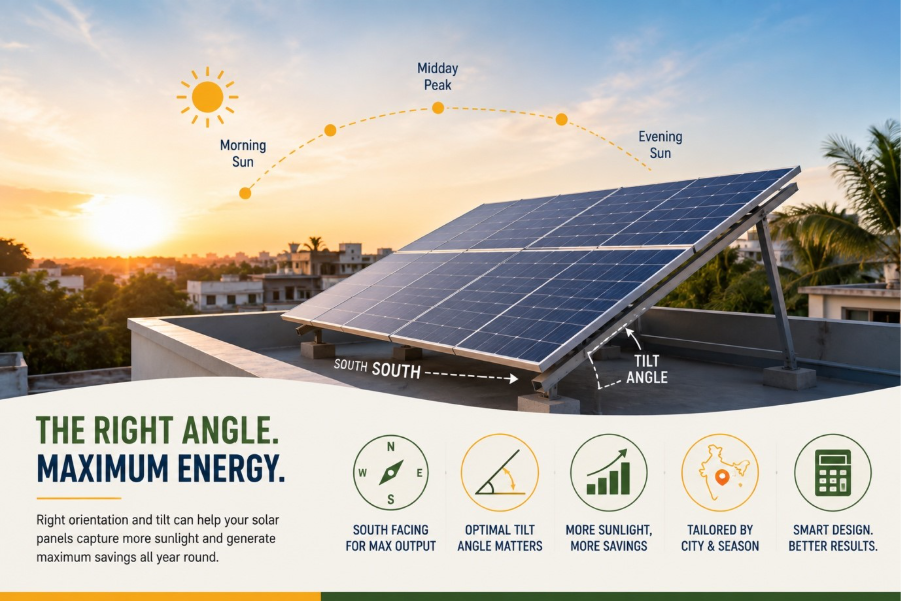
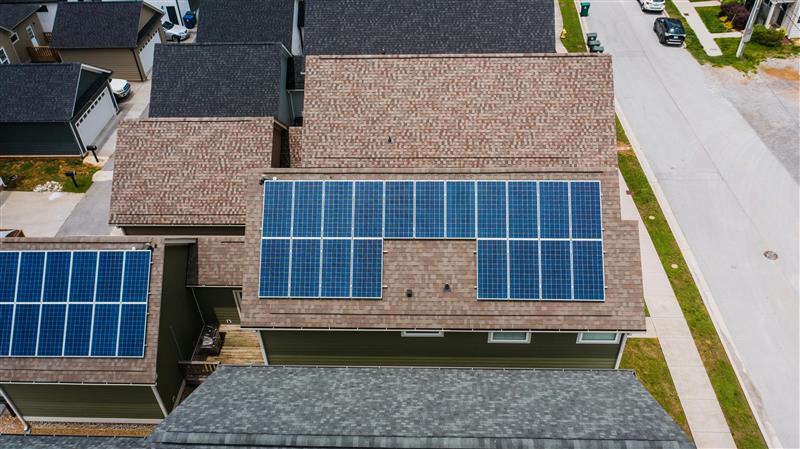
They evaluate roof orientation, available shadow-free space, structural condition, and electricity consumption before preparing a system design.
Once the installation is complete, KSEB verifies the setup, installs the net meter, and grants permission to connect the system to the grid.
For businesses planning larger rooftop installations, commercial solar loans can provide a practical financing solution, helping reduce the initial capital investment while supporting long-term energy savings
Common Mistakes to Avoid
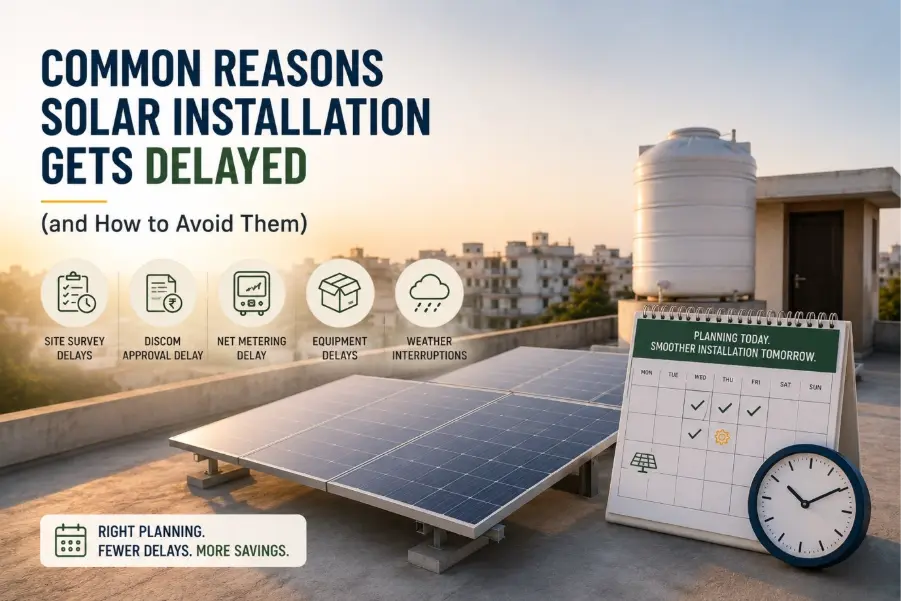
Many installation delays happen because of small oversights rather than major issues.
Some common ones include:
- Selecting a system size without checking annual electricity consumption.
- Choosing equipment that doesn't meet the approved specifications.
- Submitting incomplete documents during the application.
- Ignoring rooftop shading while planning the layout.
- Comparing quotations only on price instead of overall quality.
Spending a little extra time during the planning stage often saves weeks later in the process.
Government Support & Future Plans
Kerala has consistently encouraged rooftop solar through state initiatives and now continues that momentum under the PM Surya Ghar program.
Homeowners comparing funding options may also benefit from working with a trusted solar financing company in Kerala, as professional guidance can simplify loan selection and help identify financing plans that align with their energy requirements.
How Aerem Helps Homeowners Go Solar
Installing rooftop solar involves several decisions beyond choosing the panels. Homeowners often compare financing options, evaluate different system sizes and use a solar panel EMI calculator to estimate monthly repayments before making an investment decision.
Aerem brings these pieces together through a single platform. Along with helping homeowners explore solar finance in Kerala, Aerem supports the complete journey from financing and procurement to installation guidance and long-term system monitoring. Instead of approaching each step separately, homeowners receive a clearer roadmap to adopting rooftop solar with confidence.
Conclusion
For many households, rooftop solar has shifted from being an aspirational upgrade to a practical financial decision. Government support through the PM Surya Ghar scheme, combined with KSEB's implementation framework, has made the process more accessible than ever.
If you're considering rooftop solar, begin by understanding your electricity consumption, checking your eligibility, and planning the right system size. Once those pieces are in place, the journey towards cleaner and more affordable energy becomes much more straightforward.



















.png)



.png)



.jpeg)
.jpeg)





.jpeg)








.jpeg)
.webp)
.png)
.png)
.png)
.png)
.png)

.png)
.jpg)
