
.webp)

.webp)
.webp)
.webp)


.svg)
.svg)

Ask any MSME owner what holds businesses back from taking a loan, and the answer is rarely interest rates or paperwork. More often, it's uncertainty.
Many entrepreneurs have grown up hearing that loans should only be taken as a last resort, that only large companies get approved, or that one rejection means every lender will say no. While these beliefs are common, they don't always reflect how business financing works today.
Over the last few years, lending for MSMEs has evolved considerably. Banks, NBFCs, and specialized lenders now offer financing designed around business growth, working capital, equipment purchases, and even renewable energy investments. Understanding the difference between perception and reality can help businesses make better financial decisions.
Let's look at five common loan myths that continue to influence borrowing decisions and why moving beyond them could open up new opportunities.
Importance of Credit Awareness for MSMEs
Growth often requires capital before it generates returns. Whether it's purchasing new machinery, hiring additional staff, expanding into a new market, or investing in rooftop solar, businesses eventually reach a stage where internal cash flow alone may not be enough.
That's where credit loans become useful, not because something has gone wrong, but because the business is preparing for what's next.
Understanding how business credit works helps MSME owners evaluate financing with confidence instead of relying on assumptions or outdated advice.
Myth 1: Loans Are Only for Businesses in Crisis
One of the oldest beliefs around borrowing is that loans are meant only for businesses facing financial trouble.
In practice, it's often the opposite.
Many growing businesses borrow because they see an opportunity they don't want to postpone. That could mean opening another outlet, increasing production capacity, purchasing equipment, or adopting technology that improves efficiency.
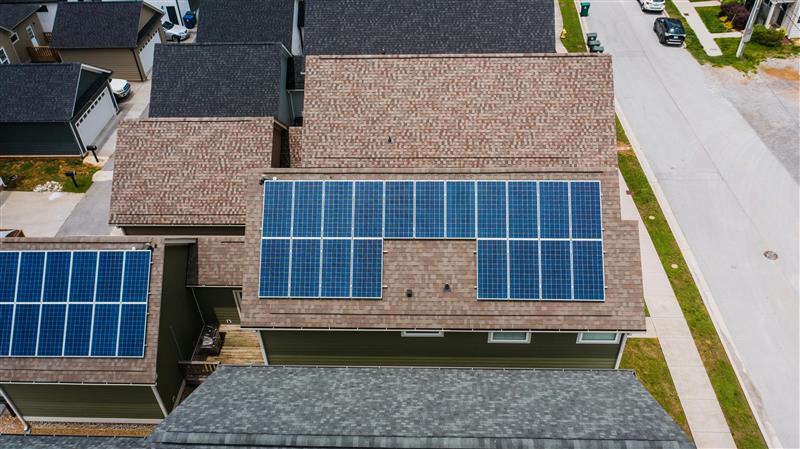
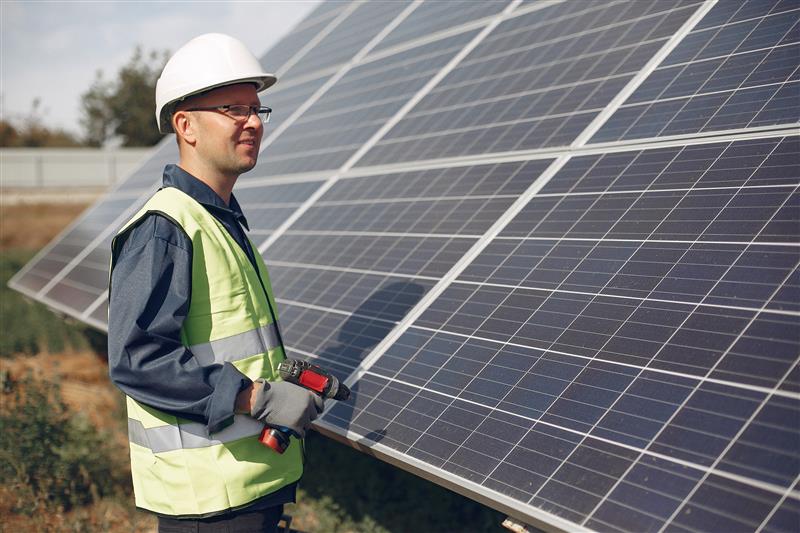
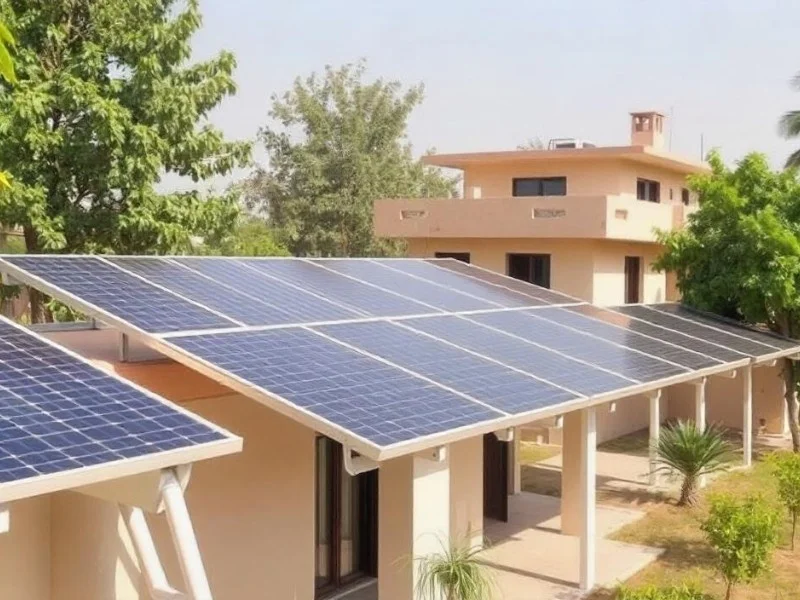
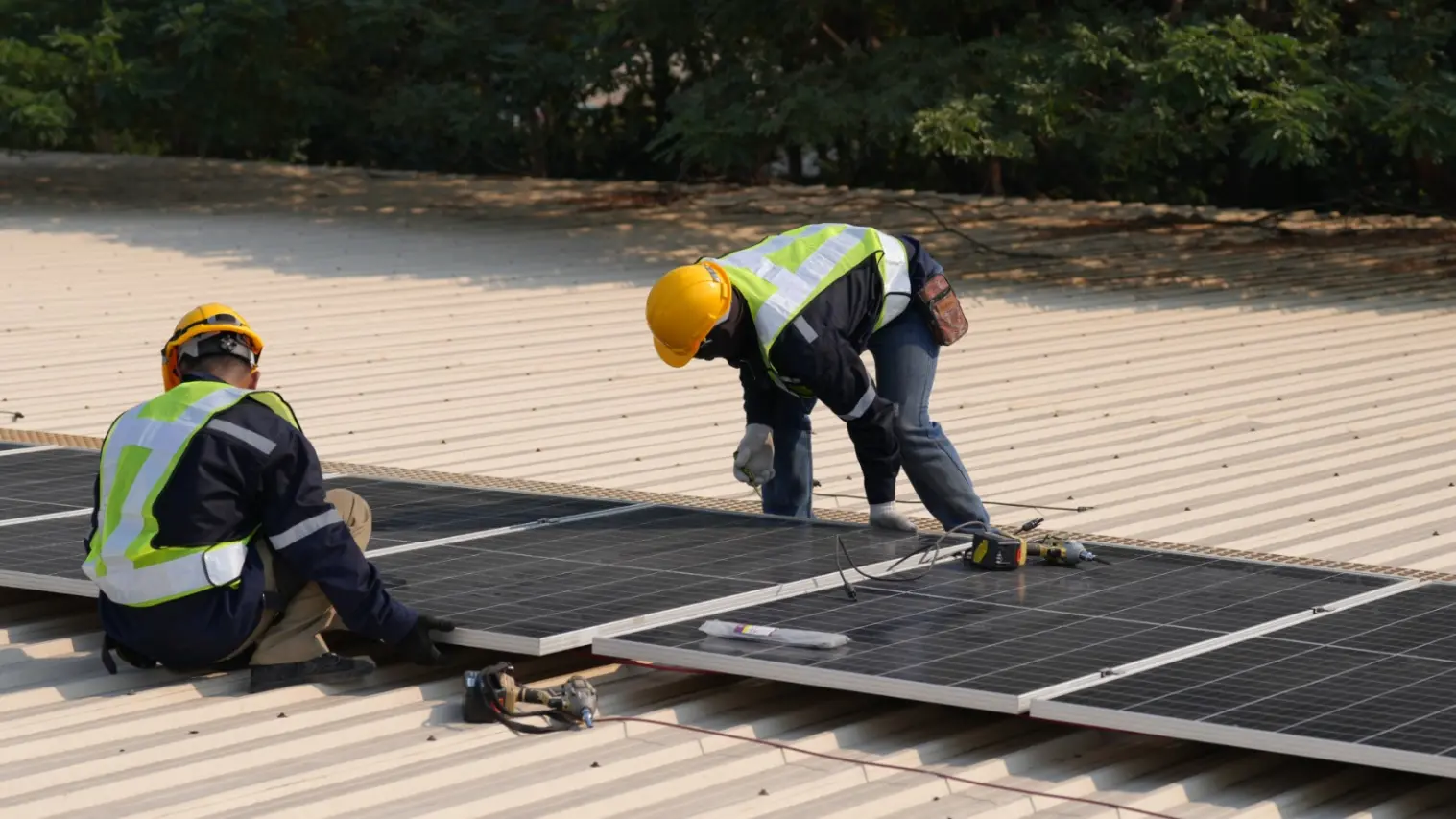
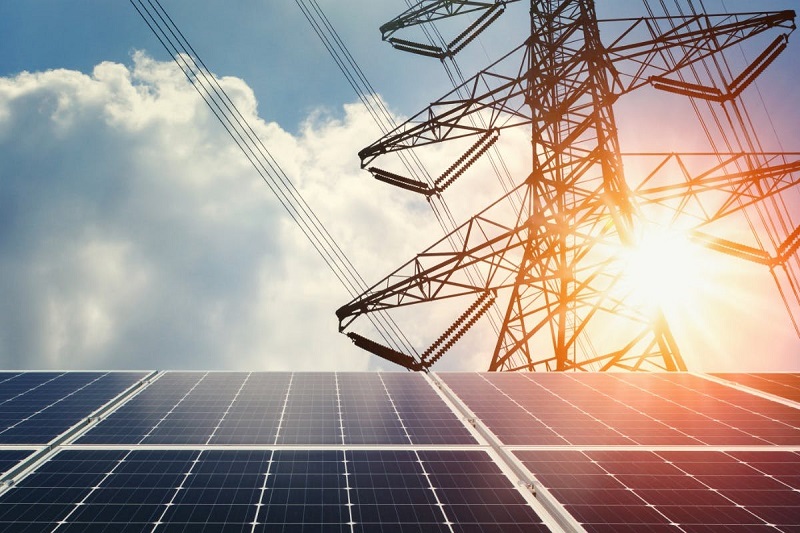
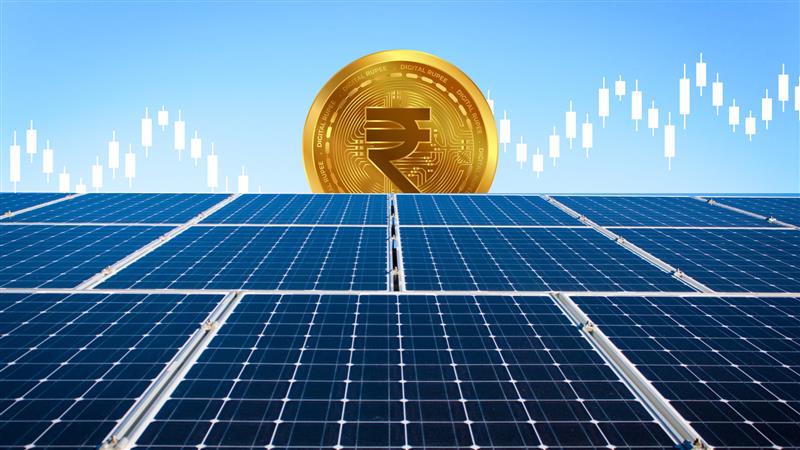
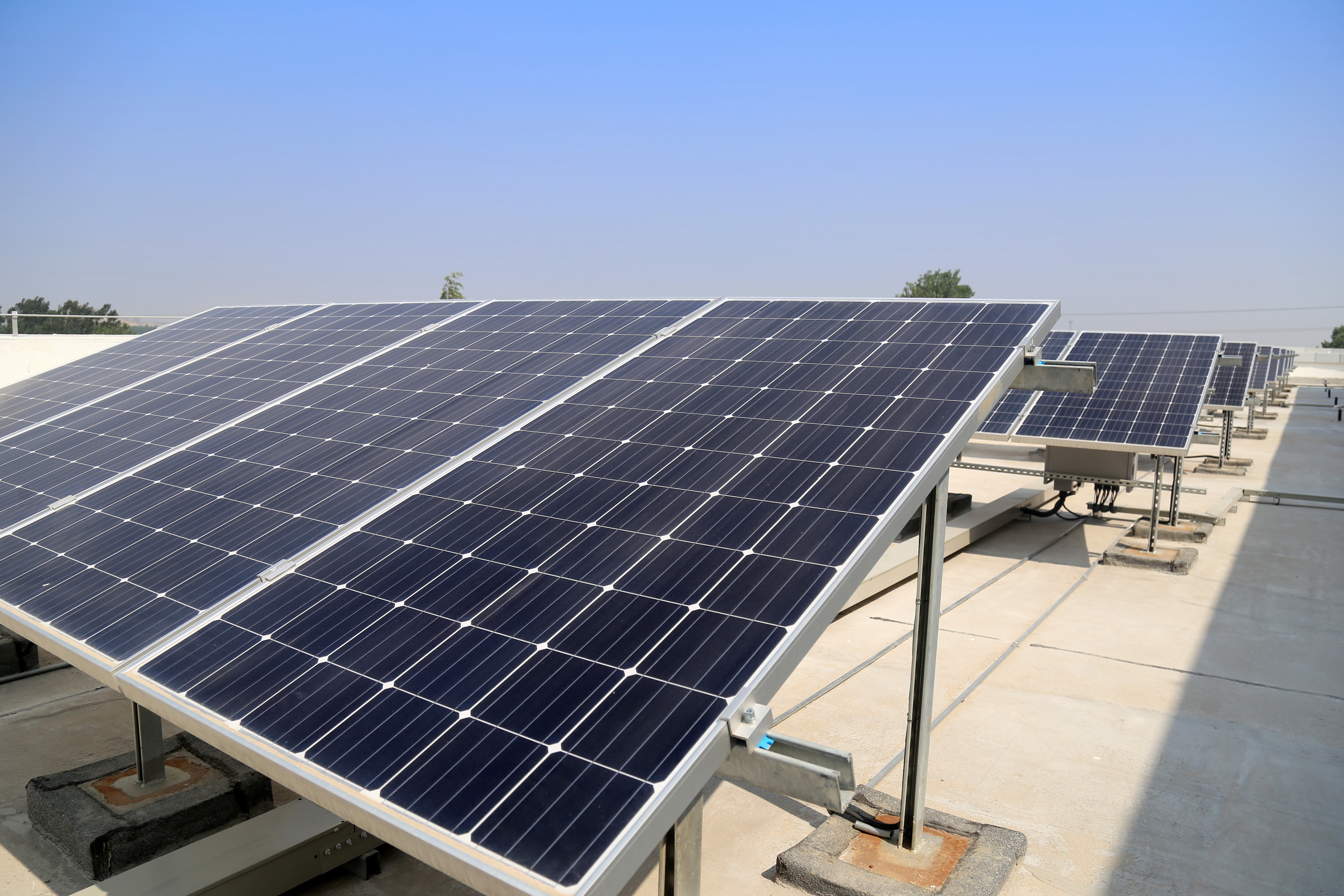
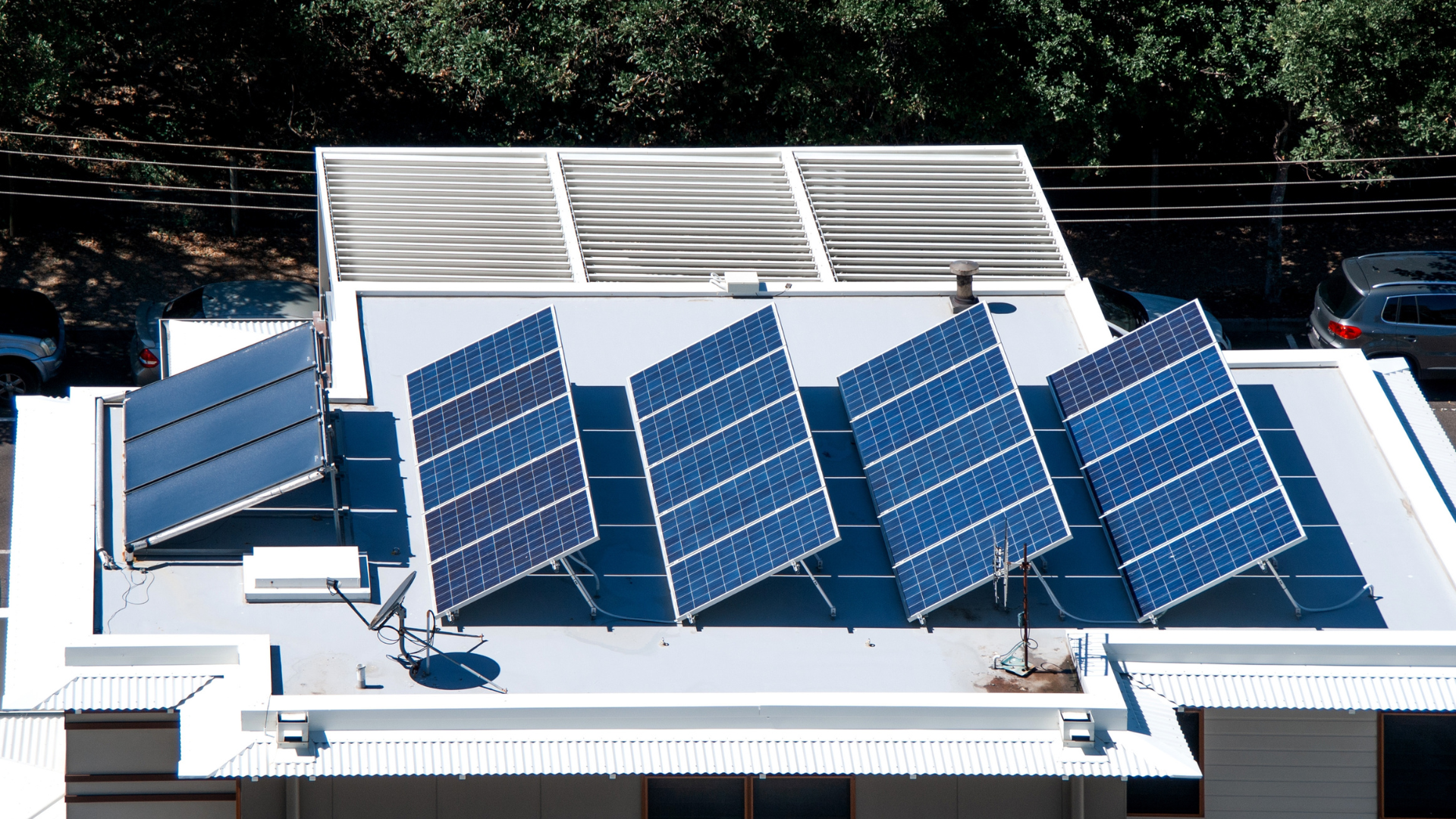
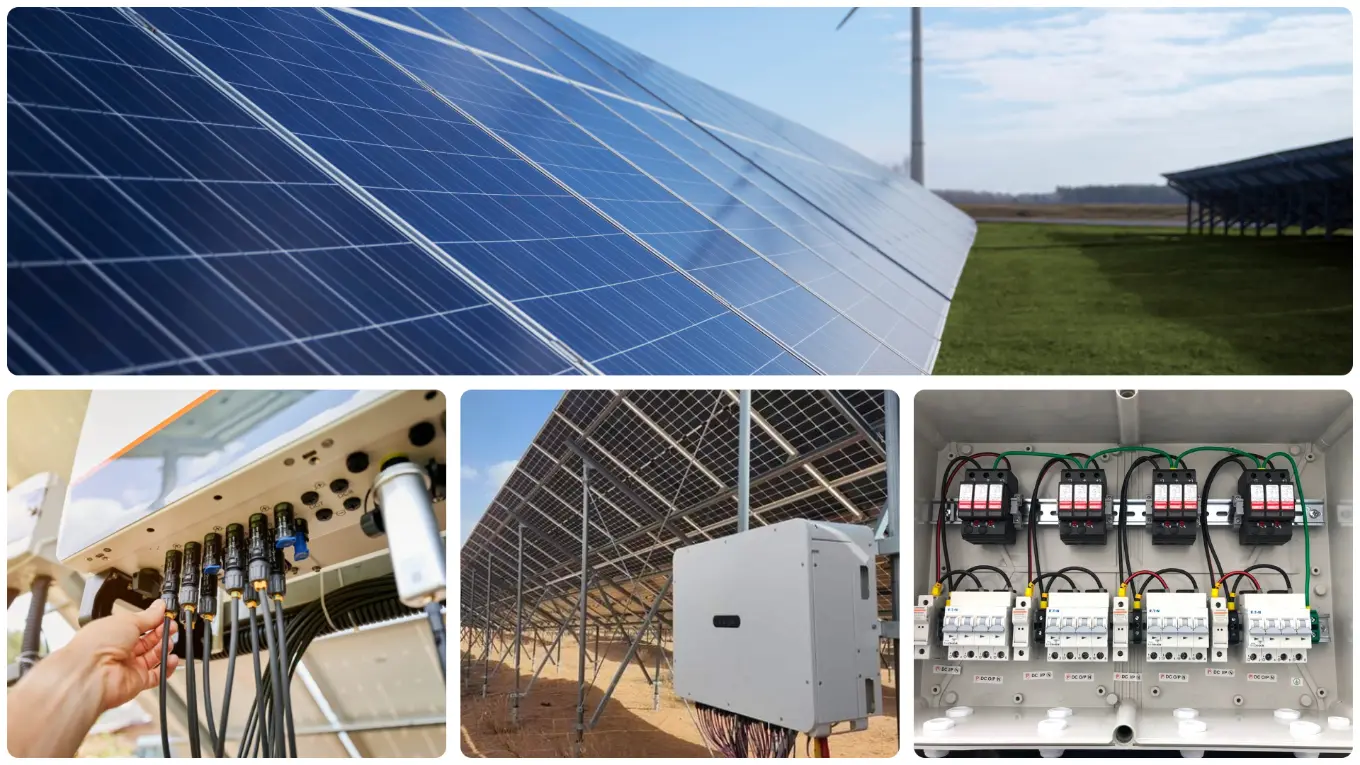
The same applies to renewable energy. An MSME solar loan or solar loan in India allows businesses to install rooftop solar without making a large upfront payment, while the savings on electricity begin almost immediately.
Used well, financing isn't a sign of weakness—it can be part of a long-term growth strategy.
Myth 2: Only Big Businesses Get Loans
This misconception probably comes from a time when financing options for small businesses were far more limited.
Today, lenders have dedicated products designed specifically for MSMEs. Business size certainly matters, but it's only one part of the assessment.
Many lenders also offer an MSME loan without collateral, making it easier for eligible businesses to access funding without pledging property or other assets.
What lenders increasingly want to understand is whether the business has a clear purpose for borrowing and a reasonable ability to repay, not simply how large the organization is.
Myth 3: One Loan Rejection Means No One Will Approve You
A rejected application can feel discouraging, but it shouldn't be treated as the final answer.
Loan applications are declined for many reasons. Sometimes the documentation is incomplete. Sometimes the financing product isn't the right fit. In other cases, a lender's internal credit policy may simply not match the business profile.
A rejection from one institution doesn't automatically mean every lender will reach the same conclusion.
Before applying again, it's worth understanding why the application wasn't approved. In many cases, strengthening financial records, updating business information, or choosing a more suitable financing product can make a significant difference.
Myth 4: Your Credit Score Is Everything
Your credit score loan profile is important, but it isn't the only factor lenders evaluate.
A strong credit score tells lenders about your repayment history, but it doesn't tell the whole story.
Business turnover, banking behavior, GST filings, cash flow, existing liabilities, and the purpose of the loan all contribute to the final assessment.
For example, a business investing in solar may also be evaluated on the expected savings the project is likely to generate. In many cases, lenders look at the overall financial picture rather than relying on a single number.
A healthy credit score certainly improves your chances, but it shouldn't discourage businesses from exploring financing if their profile isn't perfect.
Myth 5: Avoiding Loans Is Always Safer
Many entrepreneurs take pride in saying they've never borrowed money.
While financial discipline is important, avoiding loans altogether isn't always the most cost-effective decision.
Imagine delaying the purchase of machinery that could increase production, or postponing a rooftop solar installation that could reduce electricity costs for the next two decades. Waiting until enough cash is available may actually cost more than financing the investment today.
The real question isn't whether to borrow—it's whether the investment creates enough value to justify the repayment.
That's a very different conversation.
The Role of Collateral-Free Loans
One reason many MSMEs avoided financing in the past was the assumption that every loan required property or fixed assets as security.
That has changed.
Today, several lenders offer collateral-free loan products for eligible businesses. These unsecured loans are designed to improve access to capital without requiring entrepreneurs to pledge valuable business or personal assets.
While eligibility criteria differ across lenders, collateral-free financing has made borrowing more accessible for businesses that have strong fundamentals but limited assets.
Building an MSME Credit Growth Strategy
The businesses that benefit most from financing are usually the ones that borrow with a clear objective.
Instead of asking, "Can I get a loan?" it, it helps to ask:
"What will this investment help my business achieve?"
If financing leads to higher productivity, lower operating costs, or stronger cash flow, the conversation shifts from borrowing money to building a stronger business.
Many MSMEs now use financing to invest in energy-efficient equipment, automation, or rooftop solar because these investments continue delivering savings long after the loan has been repaid.
How to Improve Loan Eligibility
Preparing for a loan application isn't very different from preparing your business for growth.
Some practical steps include:
- Maintain organized financial records.
- File GST and tax returns on time.
- Build a healthy repayment history.
- Keep business banking transactions transparent.
- Borrow according to your repayment capacity.
- Prepare clear documentation if you're financing productive assets like solar.
Lenders appreciate businesses that are organized and financially disciplined.
How Aerem Helps Businesses Make the Shift to Solar
For many MSMEs, the biggest challenge with rooftop solar isn't recognizing its benefits it's managing the upfront investment.
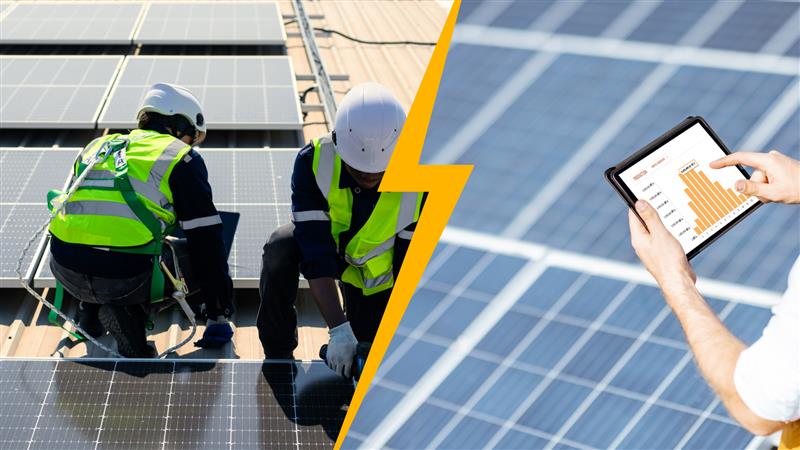
Aerem helps businesses bridge that gap through structured solar financing solutions. As a full-stack solar platform, Aerem combines financing, procurement, design support, installation services, and plant monitoring in one integrated ecosystem.
Whether you're exploring an MSME solar loan, comparing financing options, or looking for the right solar loan in India, Aerem helps businesses move from planning to implementation with greater confidence. The focus isn't just on financing a project but on helping businesses invest in solutions that reduce operating costs over the long term.











.png)



.png)

.jpeg)
.jpeg)



.jpeg)










.jpeg)

.png)
.png)
.png)
.png)
.png)
.png)

.png)
.jpg)
