
.webp)

.webp)
.webp)
.webp)


.svg)
.svg)

Introduction
Choosing solar panels is relatively straightforward. There are plenty of reviews, comparison videos, and product specifications available online.
Choosing the company that installs those panels is often much harder.
That's because a rooftop solar system isn't a product you simply buy and forget. It's a combination of design, engineering, installation, and long-term support. Two companies may offer the same brand of solar panels, but the quality of installation and after-sales service can be very different.
The installer you choose today will likely be the first person you call if your inverter displays an error, your generation drops unexpectedly, or you need help with warranty claims.
If you're wondering how to choose solar installer options that are worth trusting, this guide walks through the questions that matter before you sign a quotation.
Why Choosing the Right EPC Matters
A rooftop solar system is expected to generate electricity for more than two decades. While the panels receive most of the attention, they're only one part of the project.
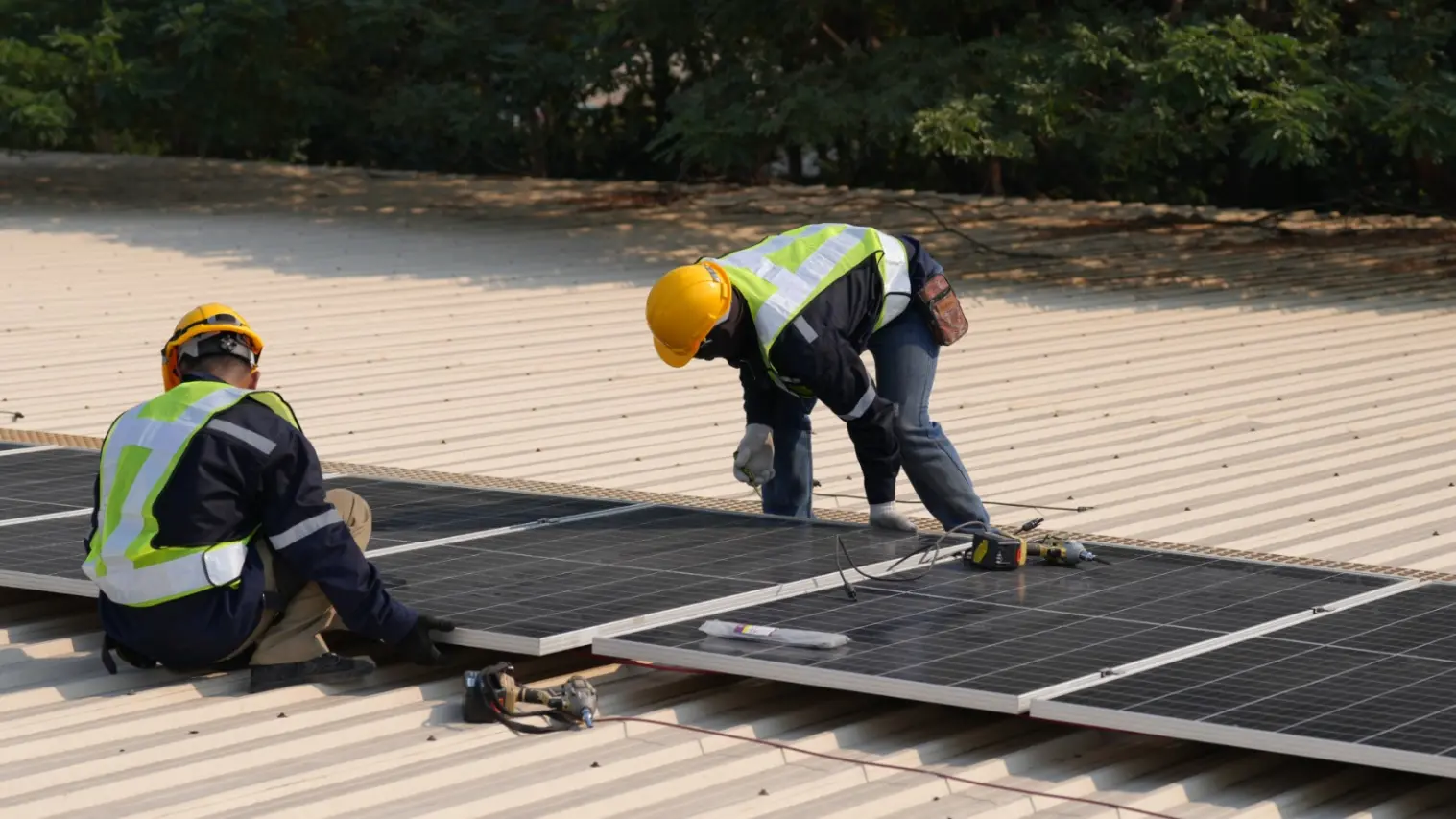
An EPC company is responsible for designing the system, selecting suitable equipment, carrying out the installation, coordinating approvals, and commissioning the project. If any of these steps are rushed or poorly executed, the system may never perform as expected.
Think of it this way. Two homes can install exactly the same solar panels on the same day. A few years later, one system continues generating electricity smoothly while the other struggles with recurring issues. In many cases, the difference comes down to installation quality rather than the panels themselves.
That's why choosing the installer deserves just as much attention as choosing the equipment.
Checklist: What to Verify Before Signing
Before accepting a quotation, spend a little time learning about the company behind it.
A few simple checks today can save a great deal of time and expense later.
Certifications and Licenses
Start with the basics.
Check whether the installer works with approved equipment and follows recognized industry standards. If you're applying under the PM Surya Ghar: Muft Bijli Yojana, confirm that the vendor is registered on the National Rooftop Solar Portal.
You can also ask whether the company follows relevant BIS standards and whether it has experience working with your local DISCOM.
These details don't guarantee quality on their own, but they do indicate that the company operates within recognized industry frameworks.
Past Project Portfolio
Experience isn't only about the number of years a company has existed.
Ask to see projects that are similar to yours.
For example:
- Have they installed systems on independent houses?
- Have they worked on apartment buildings?
- Have they completed projects in your city?
- Can they share photographs or customer references?
Looking at previous work often tells you more than a marketing brochure ever will.
If possible, speak with one or two existing customers. They'll usually give you a clearer picture of the installation experience than any sales presentation.
Warranty and After-Sales Support
The relationship with your installer doesn't end on the day the system is switched on.
Before moving ahead, understand exactly what support you'll receive after installation.
Some useful questions include:
- Who handles warranty claims?
- Will someone visit if the system develops a fault?
- How quickly are service requests attended to?
- Is performance monitoring included?
- Will annual maintenance be available if required?
A company that explains its support process clearly often inspires more confidence than one that focuses only on offering the lowest quotation.
Questions to Ask Your Installer
Good installers usually welcome questions.
In fact, the quality of their answers often tells you as much as the answers themselves.
Some useful questions to ask solar installer teams include:
- How did you decide the recommended system size?
- Which panel and inverter brands are being proposed, and why?
- What electricity generation can I realistically expect each year?
- How long will installation take?
- Who manages DISCOM approvals and net metering?
- What warranties are included?
- What happens if my inverter stops working?
- Will I receive access to a monitoring platform?
A trustworthy installer should be comfortable explaining technical decisions in plain language rather than relying on complicated jargon.
Red Flags to Watch Out For
Most homeowners compare prices before anything else. While that's understandable, a quotation shouldn't be the only factor guiding your decision.
Sometimes it's the small details that reveal how an installer is likely to perform once the project begins.
Here are a few solar installer red flags worth paying attention to:
- A quotation that is significantly cheaper than every other estimate without explaining why.
- Reluctance to share previous projects or customer references.
- No written breakdown of the equipment being supplied.
- Pressure to make an immediate payment before answering your questions.
- Vague responses about warranties or after-sales support.
- No clarity on who will handle net metering approvals.
- Promises of unrealistic electricity generation or payback periods.
A reliable installer won't promise perfection. Instead, they'll explain the process honestly and help you understand what to expect from your system.
How to Compare Multiple Quotations
It's common to collect three or four quotations before making a decision. The challenge is knowing what to compare.
Rather than looking only at the total price, place the quotations side by side and examine what each company is actually offering.
Here's a simple solar EPC company checklist you can use:
A slightly higher quotation may include better equipment, longer warranties, or stronger service support. Looking at the complete package usually provides a clearer picture than comparing price alone.
Importance of Post-Installation Monitoring Support
The day your solar system is switched on isn't the finish line. It's the beginning of a relationship that could last more than twenty years.
That's why ongoing monitoring deserves attention before you choose an installer.
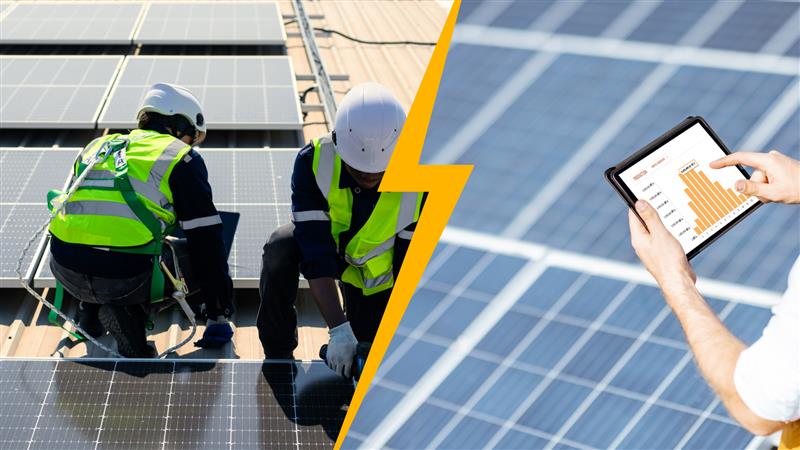
Most modern systems include a mobile app or web dashboard that shows how much electricity your panels are generating each day. Beyond satisfying curiosity, this information can help identify unexpected drops in performance.
Imagine checking your generation one month and noticing it's noticeably lower than usual, even though the weather hasn't changed much. That could point to something as simple as accumulated dust or as important as an inverter fault. Spotting the issue early often prevents longer periods of reduced generation.
When speaking with installers, ask:
- Will I receive access to a monitoring app?
- Is generation data available in real time?
- Who should I contact if I notice a sudden drop in performance?
- Is remote troubleshooting available?
A good installer doesn't disappear after commissioning the system. Ongoing support is part of the overall experience.
How Aerem Helps Homeowners Make Better Solar Decisions
Choosing an installer can feel overwhelming, especially when every quotation promises similar results.
Aerem simplifies that process by helping homeowners look beyond marketing claims and focus on the factors that genuinely influence long-term performance. From understanding system design and equipment choices to evaluating financing options and installation partners, the goal is to make every decision easier to compare.
By working with experienced installation partners and offering practical residential solar solutions, Aerem helps homeowners plan projects with confidence rather than uncertainty. The emphasis isn't simply on installing a rooftop system but on ensuring it continues delivering value for years after commissioning.
Conclusion
A rooftop solar system is expected to remain on your home for decades, so choosing the installer deserves as much thought as choosing the panels themselves.
Taking the time to compare quotations carefully, ask detailed questions, and understand how a company supports customers after installation often leads to a much smoother experience. The lowest quotation isn't always the best value, just as the most expensive one isn't automatically the right choice.
The best installer is usually the one who explains the process clearly, recommends a system that genuinely fits your electricity needs, and continues supporting you long after the installation is complete. A little extra research before signing the contract can make a meaningful difference to how your rooftop solar system performs over the years.










.png)


.png)


.jpeg)
.jpeg)





.jpeg)









.jpeg)
.webp)
.png)
.png)
.png)
.png)
.png)

.png)
.jpg)
