
.webp)

.webp)
.webp)
.webp)

.jpeg)

.svg)
.svg)

Introduction
The solar industry in India is growing rapidly, with rooftop solar and commercial installations reaching record levels. As projects become more complex and customer expectations increase, solar EPC companies need more than engineering expertise to stay competitive. They need accurate, efficient, and scalable solar design software.
Gone are the days when solar plant layouts, shading calculations, and energy yield estimates were created manually. Modern solar plant design software enables EPC companies to design systems faster, generate accurate proposals, improve project execution, and deliver better customer experiences.
Whether you are designing a residential rooftop solar PV system or a large commercial installation, the right software can significantly reduce design time while improving accuracy and profitability.
In this guide, we explore the best solar design software used by solar EPC companies in India, compare their strengths and limitations, and explain how these tools support project growth and customer satisfaction.
Why Solar Design Software Is Important for Solar EPC Companies
Solar project design involves much more than panel placement. Every installation must consider rooftop dimensions, shading, module orientation, inverter sizing, energy generation estimates, financial feasibility, and customer requirements.
Modern solar software helps EPC companies:
- Reduce manual calculations
- Improve proposal turnaround time
- Increase design accuracy
- Minimize installation errors
- Generate professional client proposals
- Improve project profitability
- Support better customer decision-making
As competition among solar EPC companies in India continues to increase, design efficiency often becomes a key differentiator.
Key Features of Solar PV Design Software
A good solar plant design software should simplify the entire project planning process while maintaining accuracy.
Capacity Planning
Software can determine how much solar capacity can be installed based on available rooftop or ground space.
Shading Analysis
Accurate shading simulations help identify generation losses caused by nearby buildings, trees, water tanks, and other obstructions.
System Design & Configuration
Users can optimize:
- Module placement
- String sizing
- Inverter selection
- Tilt angle
- Orientation
Energy Yield Simulation
Most platforms estimate:
- Annual generation
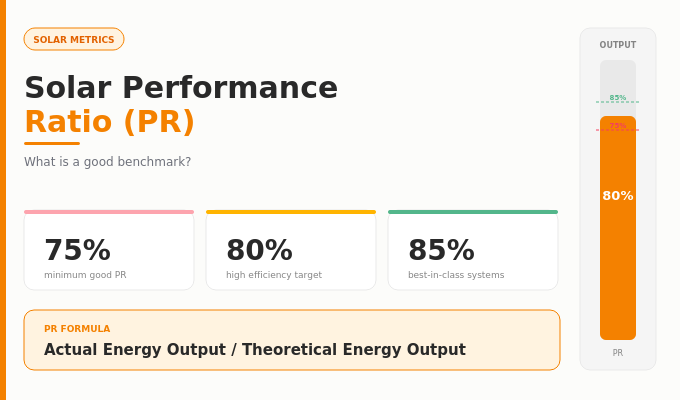
- Performance ratio
- Specific yield
- System losses
Financial Modelling
Advanced solar proposal software can calculate:
- ROI
- Payback period
- Electricity savings
- Net present value
- Financing impact
Proposal Generation
Many cloud-based platforms generate client-ready proposals within minutes.
Best Solar Design Software for Solar EPC Companies in India
1. PVsyst
PVsyst remains one of the most trusted solar PV system simulation tools globally.
It is widely used by:
- Utility-scale developers
- Investors
- Engineering consultants
- Large EPC companies
Best For
Large commercial and industrial projects, utility-scale projects, and detailed feasibility studies.
Benefits
- Industry-standard simulation engine
- Detailed loss analysis
- Advanced shading studies
- Multiple weather data sources
- Reliable generation estimates
- Strong bankability acceptance
- Highly customizable system modelling
Limitations
- Steeper learning curve
- Desktop-only environment
- Limited collaboration features
- Higher training requirements
- Basic 3D modelling compared to newer platforms
2. HelioScope
HelioScope combines design simplicity with robust engineering calculations.
Because it is cloud-based, many EPC companies use it for faster project execution.
Best For
Residential and commercial rooftop solar projects.
Benefits
- Easy drag-and-drop interface
- Fast rooftop design creation
- Accurate shading analysis
- Detailed production estimates
- Proposal generation capabilities
- Collaboration-friendly environment
- Integrations with CRM systems
Limitations
- Less customization compared to PVsyst
- Limited advanced simulation flexibility
- Large utility-scale modelling constraints
3. Aurora Solar
Aurora Solar has become popular because it combines design, sales, and proposal creation into a single platform.
Best For
Residential and small-to-medium commercial solar projects.
Benefits
- High-quality 3D modelling
- Automated roof detection
- LiDAR-based analysis
- Financial modelling
- Customer proposal generation
- Contract management tools
- AI-assisted design features
Limitations
- Premium pricing
- No free trial
- Some advanced features require higher subscription tiers
- Limited engineering customization
4. ARKA 360
ARKA 360 (formerly Solar Labs) is gaining popularity among Indian solar EPC companies because it offers a localized approach and end-to-end project management capabilities.
Best For
Indian residential and commercial EPC companies.
Benefits
- User-friendly interface
- Strong proposal generation
- Cloud-based accessibility
- Detailed visualization tools
- Sales-to-project workflow integration
- Suitable for fast project execution
- Good support for Indian market requirements
Limitations
- Some advanced customization restrictions
- Occasional platform performance issues
- Learning curve for advanced functions
Cloud Based vs Desktop Solar Design Software
Choosing between cloud-based and desktop software depends on project requirements and team size.
Cloud-Based Solar Software
Examples:
- HelioScope
- Aurora Solar
- ARKA 360
Advantages
- Accessible from anywhere
- Easier collaboration
- Faster updates
- Proposal sharing
- Better workflow integration
Challenges
- Internet dependency
- Subscription-based pricing
Desktop-Based Solar Software
Example:
- PVsyst
Advantages
- Highly detailed simulations
- Greater customization
- Strong engineering accuracy
Challenges
- Limited collaboration
- Device-specific licensing
- Higher training requirements
How Solar Design Software Improves Business Growth
The right solar software impacts much more than system design.
Benefits include:
Faster Proposal Turnaround
Generate customer proposals within hours instead of days.
Improved Conversion Rates
Professional visualizations help customers understand project benefits.
Better Design Accuracy
Reduces installation changes and rework costs.
Enhanced Customer Experience
Customers gain confidence through accurate generation estimates and financial projections.
Improved Project Scalability
Teams can handle more projects without significantly increasing manpower.
Better Financial Planning
Many EPCs now integrate design workflows with solar financing India solutions to help customers evaluate affordability and repayment options.
How to Choose the Right Solar Design Software
Before investing in any platform, evaluate:
Project Type
Residential, commercial, industrial, or utility-scale.
Team Size
Cloud-based systems generally work better for distributed teams.
Design Complexity
Complex projects may require detailed simulation capabilities.
Budget
Consider:
- Licensing fees
- Training costs
- Scalability
Proposal Requirements
If sales proposals are a major priority, software with integrated proposal tools can improve efficiency.
Integration Needs
Look for compatibility with:
- CRM platforms
- ERP systems
- Solar monitoring platforms
- Project management tools
Conclusion
Solar design software has become an essential business tool for modern solar EPC companies. Beyond system design, these platforms help improve proposal quality, increase operational efficiency, support better customer experiences, and accelerate business growth.
Whether you choose PVsyst for advanced engineering simulations, HelioScope for quick rooftop designs, Aurora Solar for proposal-driven sales workflows, or ARKA 360 for integrated project management, selecting the right platform depends on your project requirements and growth objectives.
As solar adoption continues to expand across India, EPC companies that leverage the right technology will be better positioned to deliver high-quality projects, improve customer satisfaction, and scale successfully in a competitive market.
Frequently Asked Questions
Why is solar design software important for solar EPC companies?
Solar design software improves accuracy, reduces manual work, speeds up proposal generation, and helps EPC companies manage more projects efficiently.
Which software is commonly used for solar plant design?
Popular options include PVsyst, HelioScope, Aurora Solar, and ARKA 360. The best choice depends on project complexity, budget, and business requirements.
What are the benefits of cloud-based solar design software?
Cloud-based tools offer remote access, easier collaboration, faster proposal generation, and seamless integration with other business systems.
Is solar design software useful for residential rooftop projects?
Yes. Solar proposal software helps EPC companies create accurate residential rooftop designs, generation estimates, savings calculations, and customer proposals quickly.
Can solar design software estimate financial returns?
Most modern platforms include financial modeling features that calculate savings, payback periods, ROI, and project feasibility.

















.png)



.png)



.jpeg)
.jpeg)





.jpeg)









.webp)
.png)
.png)
.png)
.png)
.png)

.png)
.jpg)
