
.webp)

.webp)
.webp)
.webp)


.svg)
.svg)

Introduction
The installation team has packed up; the solar panels are on your roof, and everything looks complete.
It's tempting to assume the project is finished.
But before you sign the final documents, there's one important step left. Taking a little time to verify the installation can give you confidence that your system has been installed correctly and is ready to deliver reliable performance for years to come.
The good news is that you don't need to be a solar engineer to do this. A few simple checks, along with guidance from your installer, can help you understand exactly what has been installed and what to expect next.
This guide walks you through a practical solar installation completion checklist that every homeowner should go through before the project is officially handed over.
Why the Final Inspection Matters
Think of it like taking delivery of a new car.
You wouldn't drive away without checking that the documents are complete, the features you've paid for are present and everything works as expected.
A rooftop solar system deserves the same attention.
The final inspection isn't about questioning your installer. It's about making sure both sides are confident that the project has been completed as planned.
Whether it's a small home system or a larger commercial solar installation, a proper handover helps avoid confusion later.
Check 1: Are All the Components Installed?
Start with the basics.
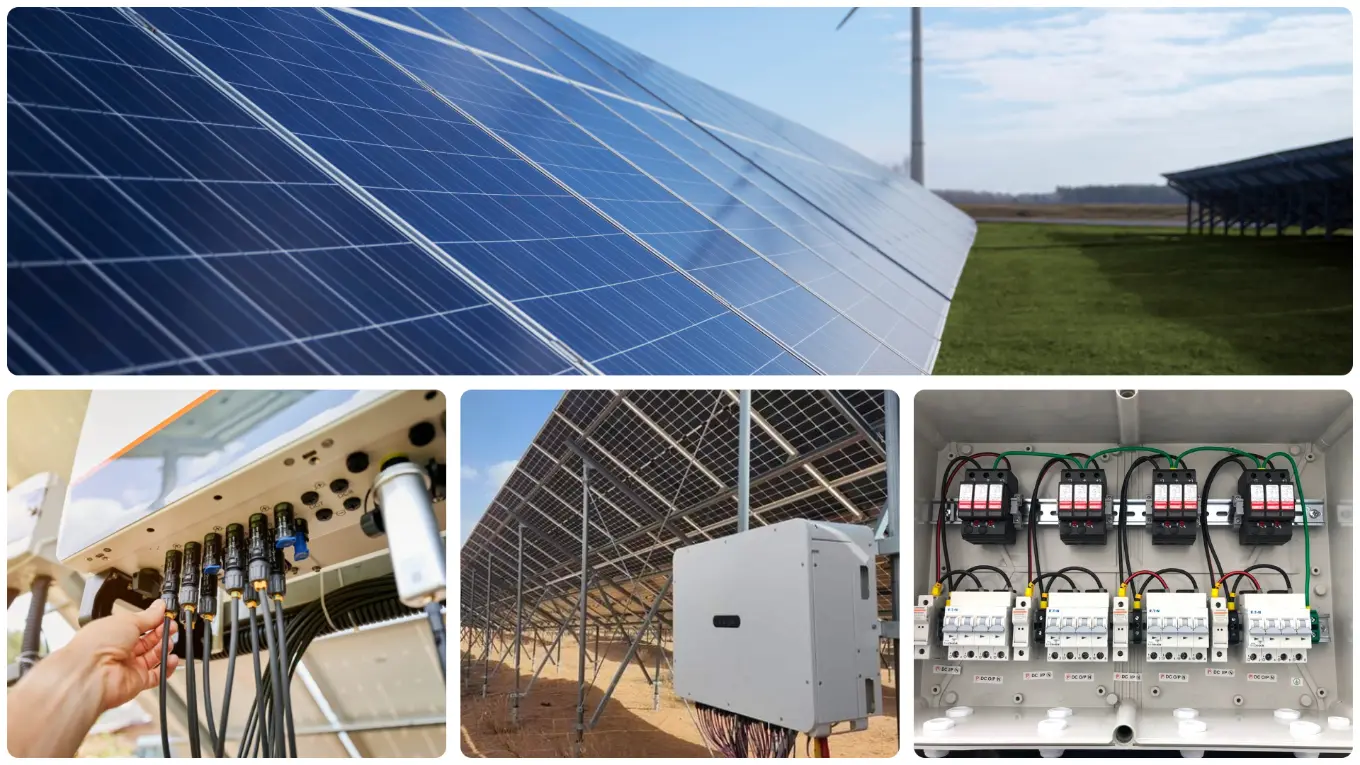
Walk through the system with your installer and confirm that everything included in the quotation has been installed.
This usually includes:
- Solar panels.
- Inverter.
- Mounting structures.
- Electrical cables.
- Safety switches.
- Monitoring equipment, if included.
Don't worry about understanding every technical specification. Simply compare the installed equipment with the quotation or proposal you approved.
It's much easier to clarify any questions during the handover than several weeks later.
Check 2: Inspect the Quality of the Installation
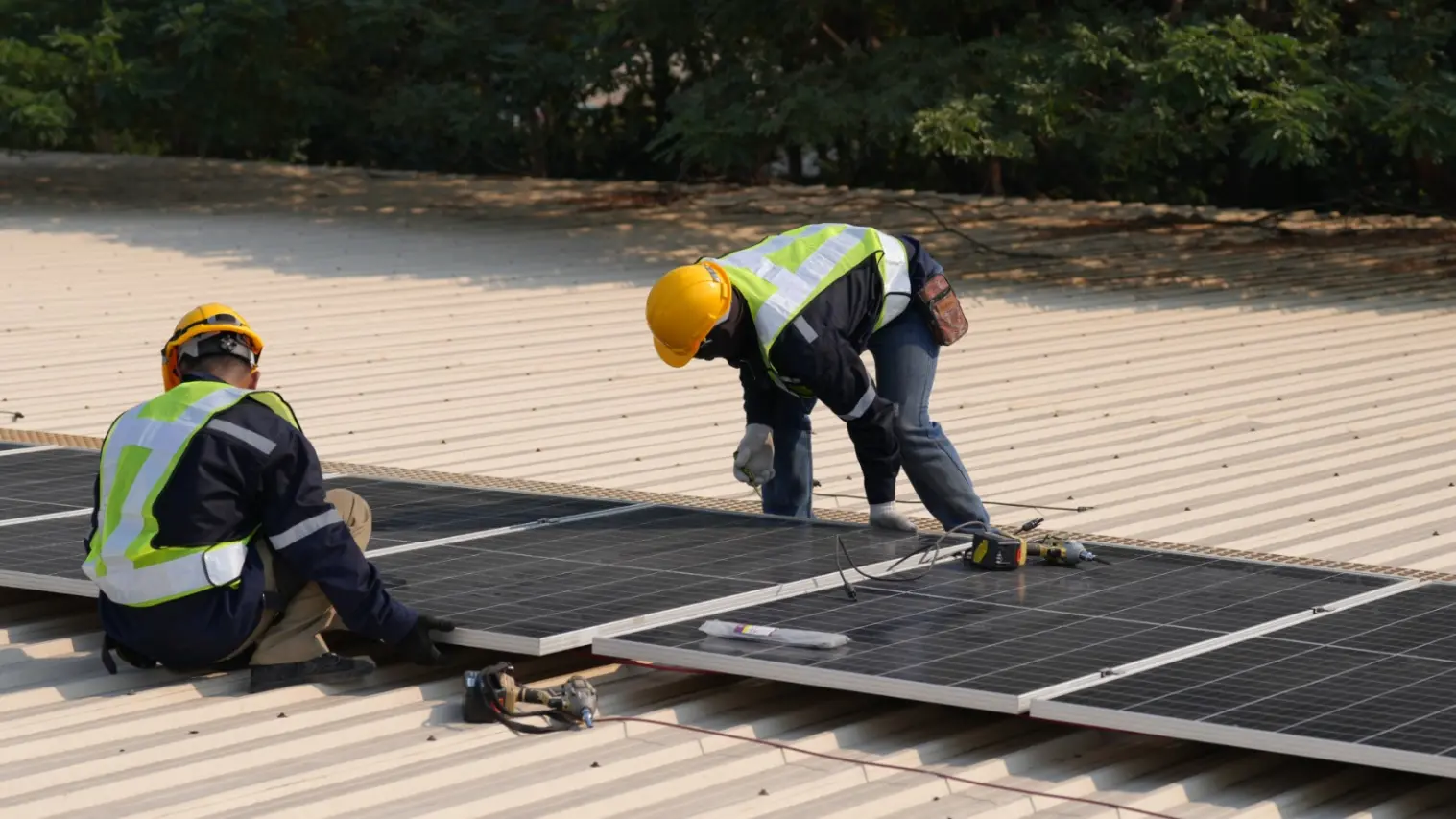
You don't need to climb onto the roof for this.
A visual inspection from accessible areas can tell you quite a lot.
Look for things such as:
- Panels that appear neatly aligned.
- Mounting structures that look secure.
- Cables that are properly organised and protected.
- No loose components or exposed wiring.
- A clean work area after installation.
Professional workmanship often shows in the small details.
If something looks untidy or unfinished, don't hesitate to ask your installer about it.
Check 3: Ask for a System Demonstration
One of the most valuable parts of the handover is seeing the system in action.
Ask your installer to explain:
- How the inverter works.
- How to read basic status indicators.
- How to access the monitoring app or portal.
- What normal system operation looks like.
- Who to contact if you notice something unusual.
Many homeowners skip this conversation and only learn how the system works after a problem occurs.
Spending fifteen minutes on a walkthrough today can save hours of confusion later.
Check 4: Verify the Documentation
Paperwork may not be the most exciting part of going solar, but it's just as important as the equipment on your roof.
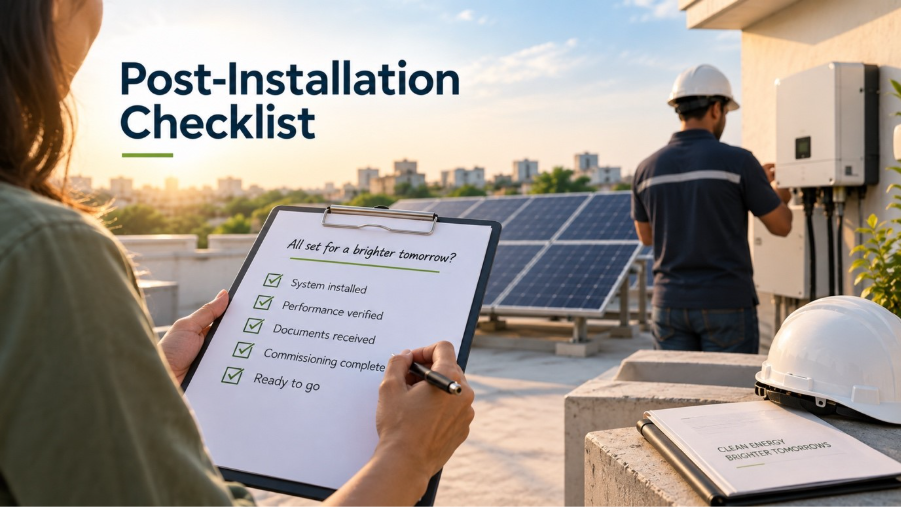
Your solar handover checklist should include copies of the key documents related to the installation.
Depending on your project, these may include:
- System quotation.
- Equipment warranty documents.
- Installation completion report.
- User manuals.
- Maintenance recommendations.
- Net metering or commissioning records, where applicable.
Keep both digital and printed copies in a safe place. These documents can be useful if you ever need servicing, warranty support or decide to sell the property.
Check 5: Confirm Commissioning Status
There's an important difference between a system that's installed and one that's fully commissioned.
For grid-connected systems, commissioning usually takes place after inspections and the required approvals have been completed.
Ask your installer:
- Has the system been commissioned?
- Is net metering active, if applicable?
- Is the monitoring platform live?
- Can the system begin generating electricity immediately?
This forms an important part of any solar system commissioning checklist and helps you understand whether the project is fully complete or whether a final approval is still pending.
Check 6: Understand Your Warranty and Service Support
Before signing off, make sure you know what's covered if something needs attention in the future.
Many homeowners collect the warranty cards but never actually read them. A quick conversation with your installer now can save unnecessary confusion later.
Ask them to explain:
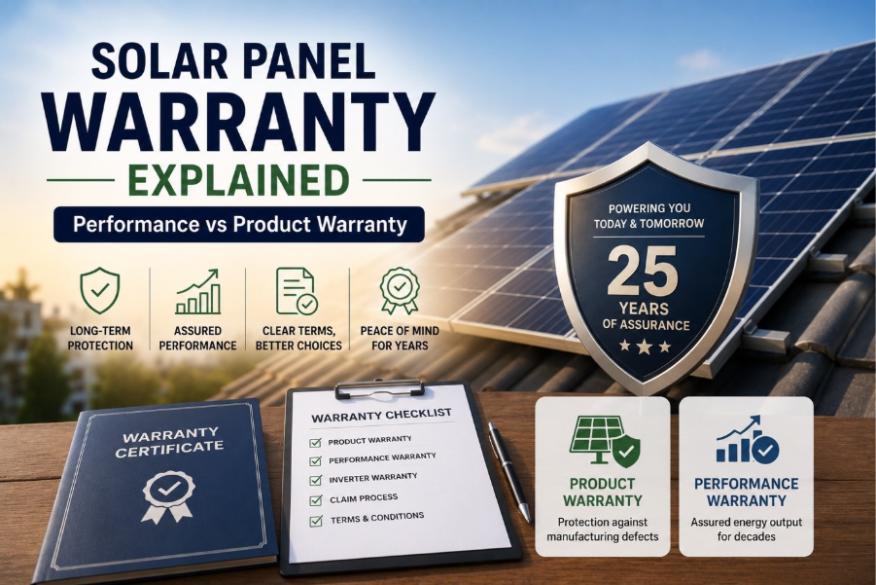
- Product warranty for the solar panels.
- Performance warranty for the panels.
- Inverter warranty.
- Installation workmanship warranty.
- Annual maintenance support, if included.
- How to raise a service request.
It's also useful to ask for the service team's contact details instead of relying only on a customer care number.
Check 7: Review the First Day's Performance
Your solar system doesn't need to generate maximum power on the very first day, especially if the weather is cloudy.
What you should check is whether the system is operating normally.
Ask your installer to show you:
- The current power generation.
- The inverter status.
- The monitoring dashboard or mobile app.
- Daily energy generation data.
- Any alerts or warning messages.
This simple walkthrough gives you a baseline for future reference.
Over the next few weeks, you'll naturally become more familiar with how your system performs on sunny and cloudy days.
Questions to Ask Before Signing Off
The final handover is also your opportunity to ask practical questions.
For example:
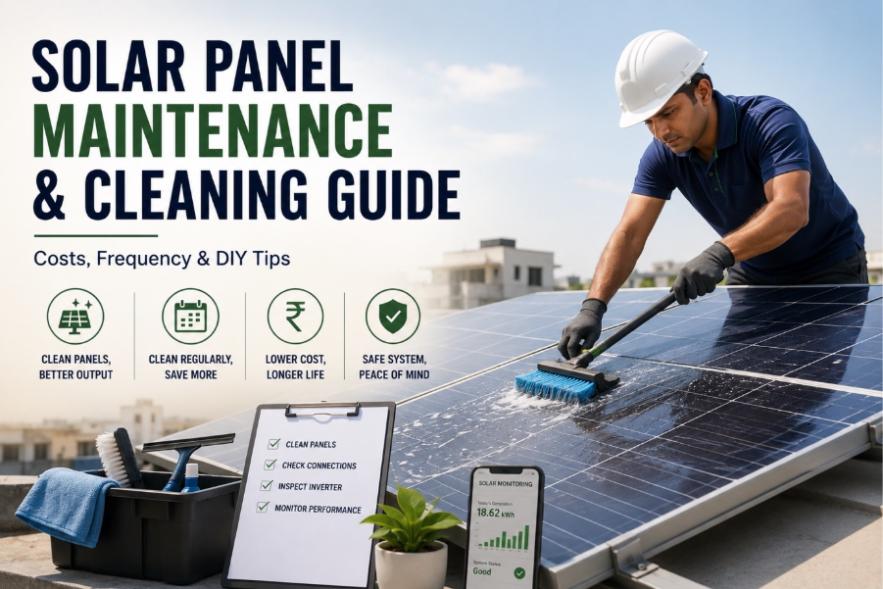
- How often should the panels be cleaned?
- When should the first maintenance visit happen?
- Who should I contact if I notice lower electricity generation?
- What happens during a power cut?
- Can I add more panels in the future?
- Are there any maintenance tasks I should avoid doing myself?
There are no "small" questions at this stage. The better you understand your system today, the easier it becomes to manage it over the next 20 to 25 years.
Keep Your Documents Organised
Once the project is complete, create a dedicated folder for all your solar documents.
Your solar installer sign-off documents should ideally include:
- Final invoice.
- Equipment specification sheet.
- Warranty certificates.
- Installation completion report.
- Commissioning records.
- Net metering documents, where applicable.
- User manuals.
- Service contact details.
Having everything in one place makes future servicing, warranty claims or even selling your home much simpler.
Why the Final Inspection Is Worth Your Time
By this stage, you may feel eager to start enjoying lower electricity bills and move on.
That's understandable.
But spending just 20 or 30 minutes reviewing the installation with your EPC partner can make a real difference.
A proper solar plant final inspection helps confirm that:
- The agreed equipment has been installed.
- The system is operating safely.
- Documentation is complete.
- Monitoring has been configured.
- You understand how to use your new solar system.
Think of it less as an inspection and more as a guided handover.
How Aerem Supports Homeowners Beyond Installation
Installing solar is only the beginning of the journey.
Aerem believes homeowners should feel just as confident after the installation as they did while choosing the system.
That's why Aerem works with trusted installation partners who support customers through commissioning, documentation, handover and after-sales guidance. From explaining the monitoring platform to helping homeowners understand warranties and maintenance, the focus is on making sure every customer knows exactly what they've invested in.
A smooth handover builds confidence and sets the foundation for years of reliable solar performance.
Conclusion
Installing rooftop solar is a significant investment, and the final handover is your opportunity to make sure everything is in place before the project is officially complete.
Taking the time to review the equipment, understand the documentation and learn how the system works can give you confidence from the very first day of operation. It also helps build a stronger relationship with your installer, making future maintenance and support much easier.
A careful sign-off doesn't take long, but it can make a lasting difference to how smoothly your solar journey unfolds.
















.png)


.png)




.jpg)
.jpg)





.jpg)




.jpg)


.png)
.png)
.png)
.png)
.png)
.png)


.png)
.jpg)
