
.webp)

.webp)
.webp)
.webp)



.svg)
.svg)

India's solar sector is entering a new phase with the implementation of ALMM List-II from June 1, 2026. The policy is designed to strengthen domestic manufacturing, reduce dependence on imports, and support the growth of Indian solar cell manufacturers. For homeowners, businesses, EPC contractors, and developers, understanding these changes is essential before investing in a new solar project.
What is ALMM List-II?
ALMM, or the Approved List of Models and Manufacturers, is a framework introduced by the Ministry of New and Renewable Energy (MNRE) to ensure quality and reliability in India's solar industry.
With the introduction of ALMM List-II, the focus expands to solar cells. This means every compliant solar module must contain cells sourced from manufacturers listed under ALMM List-II.
Why ALMM List-II Changes from June 1, 2026
The biggest change is that projects commissioned after June 1, 2026, will need to use both ALMM-approved modules and ALMM-approved solar cells. The government has confirmed that there will be no blanket extension of this deadline.
The policy has been introduced to:
- Reduce dependence on imported solar cells.
- Encourage domestic manufacturing.
- Improve supply chain security.
- Strengthen India's renewable energy ecosystem.
- Support the growth of local solar manufacturers.
Key Policy Updates in Solar Manufacturing
The ALMM framework now covers both modules and cells.
Key updates include:
- ALMM List-I continues to regulate approved solar modules.
- ALMM List-II regulates approved solar cell manufacturers.
- Government-backed and subsidy-linked projects must comply with both lists.
- Future solar tenders are expected to include mandatory ALMM compliance requirements.
- The policy aims to increase domestic production capacity across the solar value chain.
This represents one of the most significant regulatory changes in India's solar manufacturing industry in recent years.
Approved Solar Cell Manufacturers in India
The introduction of ALMM List-II creates new opportunities for domestic solar cell manufacturers. Several leading solar panel manufacturers in India are expanding into integrated manufacturing, producing both modules and cells. Major industry players have announced investments to strengthen domestic production.
As the approved list continues to evolve, buyers should verify that both the module and the cell manufacturer comply with current ALMM requirements before purchasing. Homeowners planning their investment may also explore a solar panel loan to make rooftop solar systems more affordable while ensuring they purchase ALMM-compliant products.
Impact on Solar Panel Prices
One of the biggest questions surrounding ALMM List-II is its effect on pricing.
In the short term, the policy may place upward pressure on the solar module price in India due to increased demand for domestically manufactured cells. Limited supply and rising compliance requirements could lead to temporary price fluctuations.
However, as domestic manufacturing capacity expands, industry experts expect prices to stabilize over time. Increased competition among top solar panel manufacturers in India may eventually improve affordability while maintaining quality standards.
Impact on EPC Companies & Projects
Under the new rules, EPC contractors must ensure that both modules and cells meet ALMM requirements. Failure to comply could affect project approvals, government incentives, and commissioning timelines.
Developers may also need to adjust procurement strategies and secure supplies earlier to avoid delays caused by increased demand for compliant products.
Effect on Rooftop Solar Installations
For residential consumers, ALMM List-II is expected to improve the quality and traceability of rooftop solar systems.
Homeowners installing rooftop systems under government subsidy programs may increasingly encounter ALMM-compliant products. While installation costs could rise slightly in the short term, the policy is intended to support better quality assurance and long-term system performance. Many buyers also consider a solar installation loan to spread the upfront cost of installing a compliant rooftop solar system.
The changes are particularly relevant for consumers planning installations under subsidy-linked schemes.
What Buyers Should Know Before Installation
Before purchasing a solar system, buyers should:
- Verify ALMM compliance of both modules and cells.
- Choose reputable installers and vendors.
- Request product documentation and certifications.
- Compare warranties and performance guarantees.
- Understand how compliance requirements may affect project timelines.
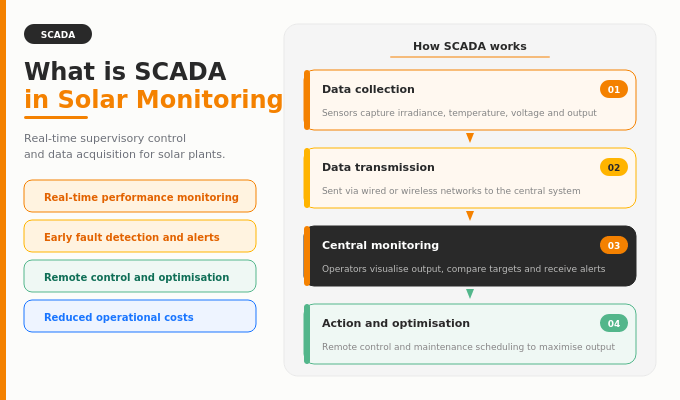
Working with trusted solar panel manufacturers in India can help reduce compliance risks and ensure long-term system reliability. Buyers should also ask installers about solar monitoring solutions that enable them to track energy generation, system performance and detect potential issues after installation.
ALMM vs Earlier Regulations
Earlier ALMM regulations primarily focused on approved solar modules through List-I.
The introduction of List-II extends oversight to the solar cells used inside those modules. As a result, compliance now covers a larger portion of the manufacturing process.
This creates greater transparency and quality control throughout the supply chain while encouraging domestic production at multiple levels.
Future of Solar Manufacturing in India
ALMM List-II is expected to accelerate investment in India's solar manufacturing ecosystem.
The government has already encouraged large-scale expansion of domestic manufacturing capacity through policy support and incentives. As more manufacturers invest in cell production, India is likely to strengthen its position as a major global solar manufacturing hub.
For consumers, this could mean greater access to locally manufactured, high-quality solar products in the coming years.
FAQs
1. What is ALMM List-II?
ALMM List-II is the approved list of solar photovoltaic cell manufacturers maintained under the MNRE's ALMM framework.
2. When does ALMM List-II become mandatory?
Projects commissioned on or after June 1, 2026, must comply with ALMM List-II requirements.
3. Will solar prices increase because of ALMM List-II?
There may be short-term pressure on the solar module price in India, but prices are expected to stabilize as manufacturing capacity expands.
4. Does ALMM List-II affect rooftop solar projects?
Yes. Subsidy-linked and ALMM-covered rooftop projects may require modules made using approved domestic solar cells.
5. Why is the government implementing ALMM List-II?
The policy aims to support domestic solar cell manufacturers, improve quality standards, reduce import dependence, and strengthen India's renewable energy supply chain.
6. How can buyers ensure compliance?
Before installation, verify that both the selected solar module and the underlying solar cells are sourced from approved manufacturers.























.png)



.png)



.jpeg)
.jpeg)





.jpeg)















.jpeg)

.png)
.png)
.png)
.png)
.png)
.png)


.png)

.jpg)
