
.webp)

.webp)
.webp)
.webp)


.svg)
.svg)

Introduction
Buying a rooftop solar system is a long-term investment. Most homeowners expect it to generate electricity for at least 25 years, so it's only natural to ask what happens if something goes wrong along the way.
This is where warranties become important.
At first glance, warranty documents can seem reassuring because they mention numbers like 25 years or even 30 years. But those figures don't always mean the same thing. Some relate to the physical condition of the panel, while others refer to how efficiently it continues producing electricity over time.
Understanding the difference can save you a lot of confusion later. It also makes it easier to compare quotations from different manufacturers instead of assuming every warranty offers the same level of protection.
This guide explains the two main types of warranties you'll come across, what they typically cover, what they don't, and what you should check before signing a purchase agreement.
Types of Solar Warranties
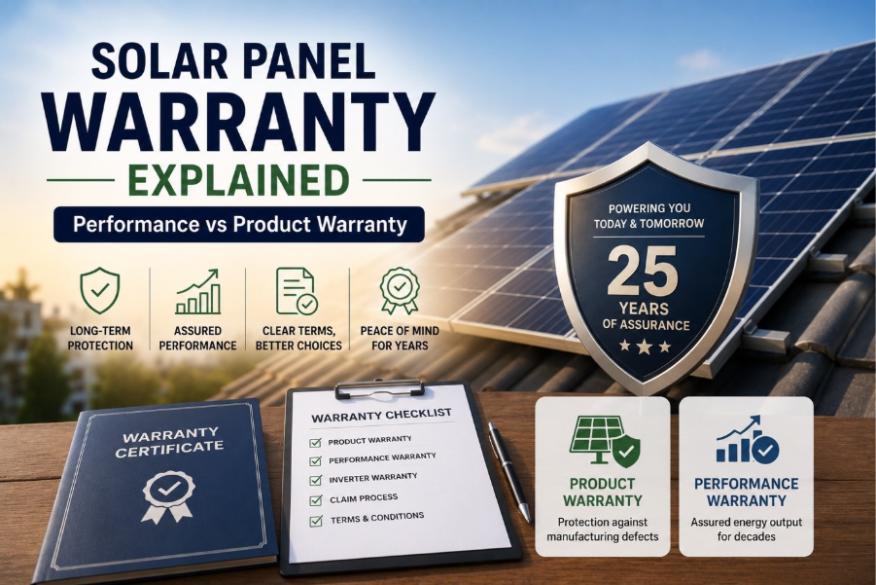
When people hear that a solar panel comes with a "25-year warranty," they often assume everything is covered for 25 years.
That's rarely the case.
Most manufacturers provide two separate warranties, each protecting a different aspect of the system.
Product Warranty
Think of the product warranty as protection against manufacturing defects.
It covers problems with the panel itself, such as faults in materials or workmanship that prevent it from functioning as intended under normal operating conditions.
If a panel develops a manufacturing defect during the warranty period, the manufacturer may repair or replace it according to the warranty terms.
For residential installations in India, product warranties commonly range from 10 to 15 years, although some premium manufacturers now offer coverage extending to 25 years on selected product lines.
While comparing quotations, don't look only at the number of years. It's equally important to understand who handles service, whether labor is included, and how claims are processed.
Performance Warranty
Solar panels naturally lose a small amount of efficiency as they age. That's expected, and manufacturers account for it through a solar panel performance warranty.
Rather than guaranteeing that the panel will always produce exactly the same amount of electricity, this warranty promises that performance won't fall below a specified level over time.
Many tier-1 manufacturers today guarantee around:
- 98-99% of the original output after the first year.
- Gradual annual degradation thereafter.
- Around 84-87% of the original rated output after 25 years, depending on the manufacturer and module technology.
This means your system should still be generating a substantial amount of electricity decades after installation, even though it won't perform exactly as it did on day one.
Standard Warranty Periods in India
Although warranty terms vary between manufacturers, most residential systems follow similar industry practices.
When evaluating solar panel warranty in India, it's worth reading beyond the headline number. Two manufacturers may both advertise a 25-year warranty, but the coverage and claim conditions can differ considerably. Along with comparing warranty terms, homeowners should also consider how they plan to finance their investment. Today, residential solar finance options have made it easier to install high-quality rooftop solar systems without paying the entire cost upfront, allowing homeowners to balance affordability with long-term reliability.
What's Covered and What's Not
Warranty documents usually describe both what's included and the situations where coverage no longer applies.
A standard product warranty may cover:
- Manufacturing defects.
- Premature material failure.
- Factory workmanship issues.
- Performance problems caused by manufacturing faults.
However, most warranties exclude damage resulting from:
- Improper installation.
- Unauthorized modifications.
- Fire, flooding, or natural disasters beyond the warranty terms.
- Accidental physical damage.
- Lack of recommended maintenance.
- Electrical faults originating outside the solar equipment.
This is one reason choosing an experienced installer is so important. A poorly installed system can sometimes create problems that aren't covered under the manufacturer's warranty.
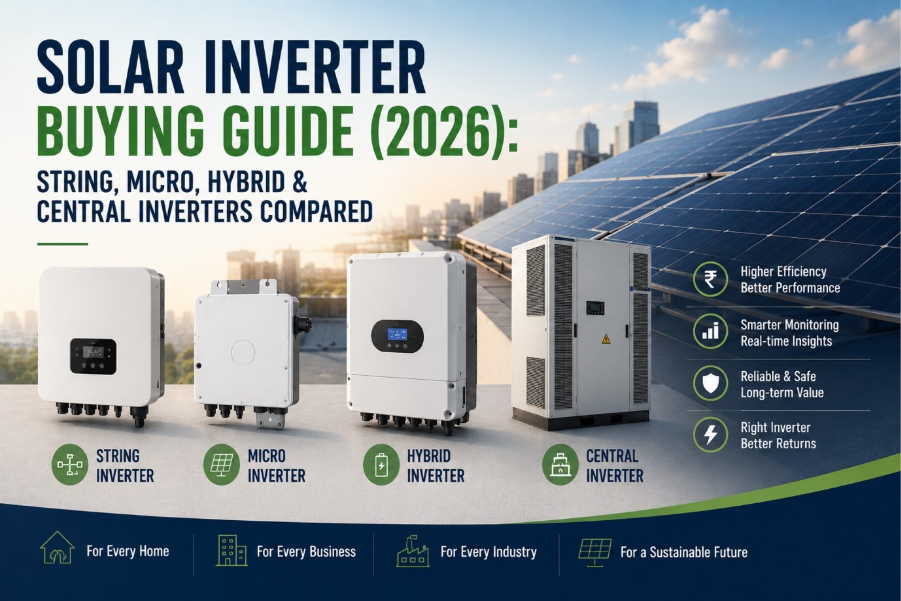
Inverter Warranty vs Panel Warranty
Homeowners often assume the inverter carries the same warranty as the panels.
In reality, it's usually much shorter.
The solar inverter warranty period typically ranges between five and ten years, depending on the manufacturer and product category. Some companies allow customers to purchase extended warranty packages for additional coverage.
Since the inverter works continuously to convert electricity from the panels into usable power, it generally has a shorter service life than the panels themselves.
When reviewing quotations, it's worth asking whether the inverter warranty can be extended and what the additional cost would be.
How to Claim Warranty
Most homeowners only look at the warranty document after something goes wrong. In reality, it's much easier if you know the process beforehand.
The exact solar panel warranty claim process varies from one manufacturer to another, but it generally follows a similar sequence.
Step 1: Contact your installer
Your installer is usually the first point of contact. They'll inspect the system to determine whether the issue is related to installation, the inverter, or the panels themselves.
Step 2: Gather the necessary documents
Manufacturers typically ask for:
- Original purchase invoice.
- Warranty certificate.
- Installation details.
- Serial numbers of the affected equipment.
- Photographs of the issue, if applicable.
Step 3: Technical assessment
The manufacturer or authorized service partner may inspect the equipment to confirm whether the fault falls within the warranty terms.
Step 4: Resolution
If the claim is approved, the manufacturer may repair the equipment, replace the defective component, or provide another remedy as specified in the warranty agreement.
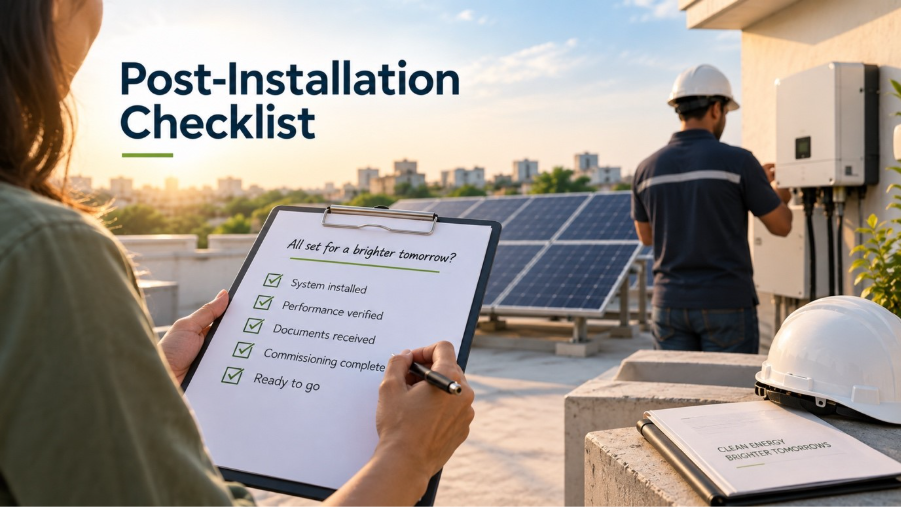
Keeping invoices, commissioning reports, and warranty documents organized makes the process much smoother if you ever need to raise a claim.
Questions to Ask Before Buying Based on Warranty
A long warranty sounds reassuring, but the details matter just as much as the headline number.
Before choosing a system, consider asking your installer:
- How long is the product warranty?
- How long is the solar panel performance warranty?
- Who handles warranty claims, the manufacturer or the installer?
- Is labor included if a panel needs replacement?
- What is the solar inverter warranty period?
- Can the inverter warranty be extended?
- Are replacement panels guaranteed to match the original specifications?
- What situations are excluded from warranty coverage?
These questions often reveal more about the quality of after-sales support than the warranty duration itself.
Red Flags in Warranty Terms
Warranty documents aren't all written the same way.
Some offer straightforward coverage, while others include conditions that deserve a closer look.
Here are a few things worth paying attention to:
- Very long warranty claims without clearly explaining what's covered.
- No authorized service network in India.
- Unclear responsibility between the manufacturer and installer.
- Warranty that excludes labor or transportation costs.
- Performance guarantees that aren't clearly defined.
- No written documentation provided at the time of purchase.
When comparing the best solar panel warranty, it's often better to choose a manufacturer with transparent policies and reliable local support than simply selecting the company advertising the longest warranty period.
How Aerem Helps You Make a Better Long-Term Investment
A rooftop solar system is expected to perform for decades, which makes choosing the right partners just as important as choosing the right equipment.
Aerem works with trusted manufacturers and experienced installation partners, helping homeowners evaluate systems based on quality, long-term performance, and after-sales support rather than headline specifications alone.
Working with a reliable solar EPC company also makes future servicing and warranty coordination much easier, since installers often become the first point of contact if an issue arises.
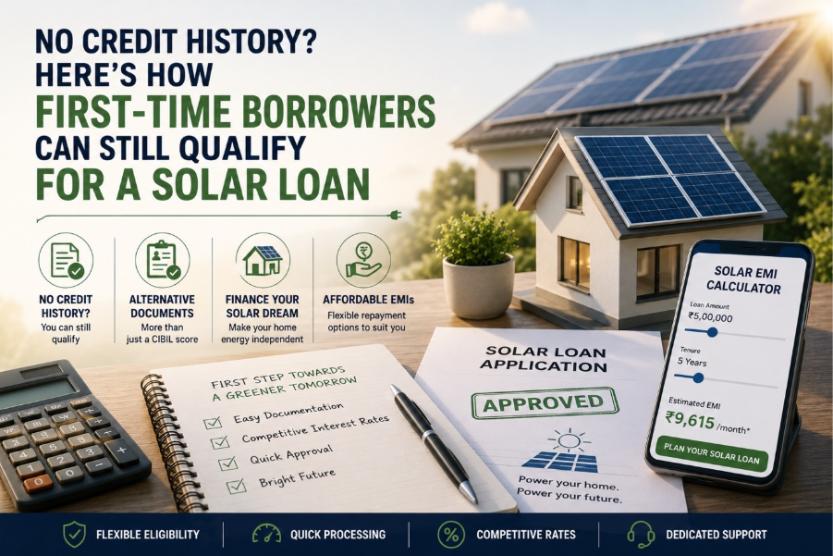
For homeowners planning their investment, Aerem also offers residential solar loans, making it possible to spread the upfront cost while still choosing quality equipment backed by strong warranty support.
Conclusion
A solar warranty isn't simply another document tucked away with your purchase papers. It's part of the long-term value of the system you've invested in.
Understanding the difference between product and performance warranties helps you compare quotations more confidently and avoid surprises later. It's equally worthwhile to look beyond the number of years advertised and understand how claims are handled, what the warranty covers, and who will support you if something goes wrong.
Choosing quality equipment, working with a dependable installer, and keeping your warranty documents organized will go a long way towards ensuring your rooftop solar system continues delivering reliable performance for many years.














.png)


.png)



.jpeg)
.jpeg)





.jpeg)











.jpeg)
.webp)
.png)
.png)
.png)
.png)
.png)

.png)

.jpg)
