
.webp)

.webp)
.webp)
.webp)


.svg)
.svg)

Introduction
Installing rooftop solar is about much more than placing panels on a roof.
Behind every well-functioning system is a long list of safety checks, electrical standards and installation practices that help protect the people using it as well as the people installing and maintaining it.
As a homeowner, you don't need to know every technical regulation. But it's useful to understand the basics so you know what to expect from your installer and why certain steps in the process can't be rushed.
Whether you're planning a home rooftop system or a commercial solar panel installation, this guide explains the key solar installation safety standards in India and how they contribute to a safe, reliable and long-lasting solar system.
Why Safety Matters in Every Solar Installation
A solar system generates electricity every day for decades.
That means every cable, connector, mounting structure and electrical component needs to be installed correctly from the very beginning.
Good safety practices help reduce risks such as:
- Electrical faults.
- Fire hazards.
- Water ingress into electrical equipment.
- Loose mounting structures.
- Unsafe maintenance access.
- Damage during extreme weather.
While homeowners often focus on panel efficiency and warranties, installation quality is just as important to the long-term performance of the system.
That's why reputable EPC companies follow established solar rooftop installation regulations and engineering practices throughout the project.
What Safety Standards Govern Solar Installations in India?
India's rooftop solar sector is supported by a framework of technical standards and regulations developed by different authorities.
Some of the most important include:
- Central Electricity Authority (CEA) regulations for electrical safety.
- Applicable provisions of the National Electrical Code (NEC) of India.
- BIS standards for approved electrical equipment.
- State DISCOM requirements for grid-connected rooftop systems.
Together, these standards guide how rooftop solar systems should be designed, installed, tested and connected to the electricity grid.
For homeowners, the takeaway is simple: work with an installer who follows recognised engineering standards instead of looking only at the lowest quotation.
Electrical Safety During Installation
Electricity deserves respect, even before the solar system is switched on.
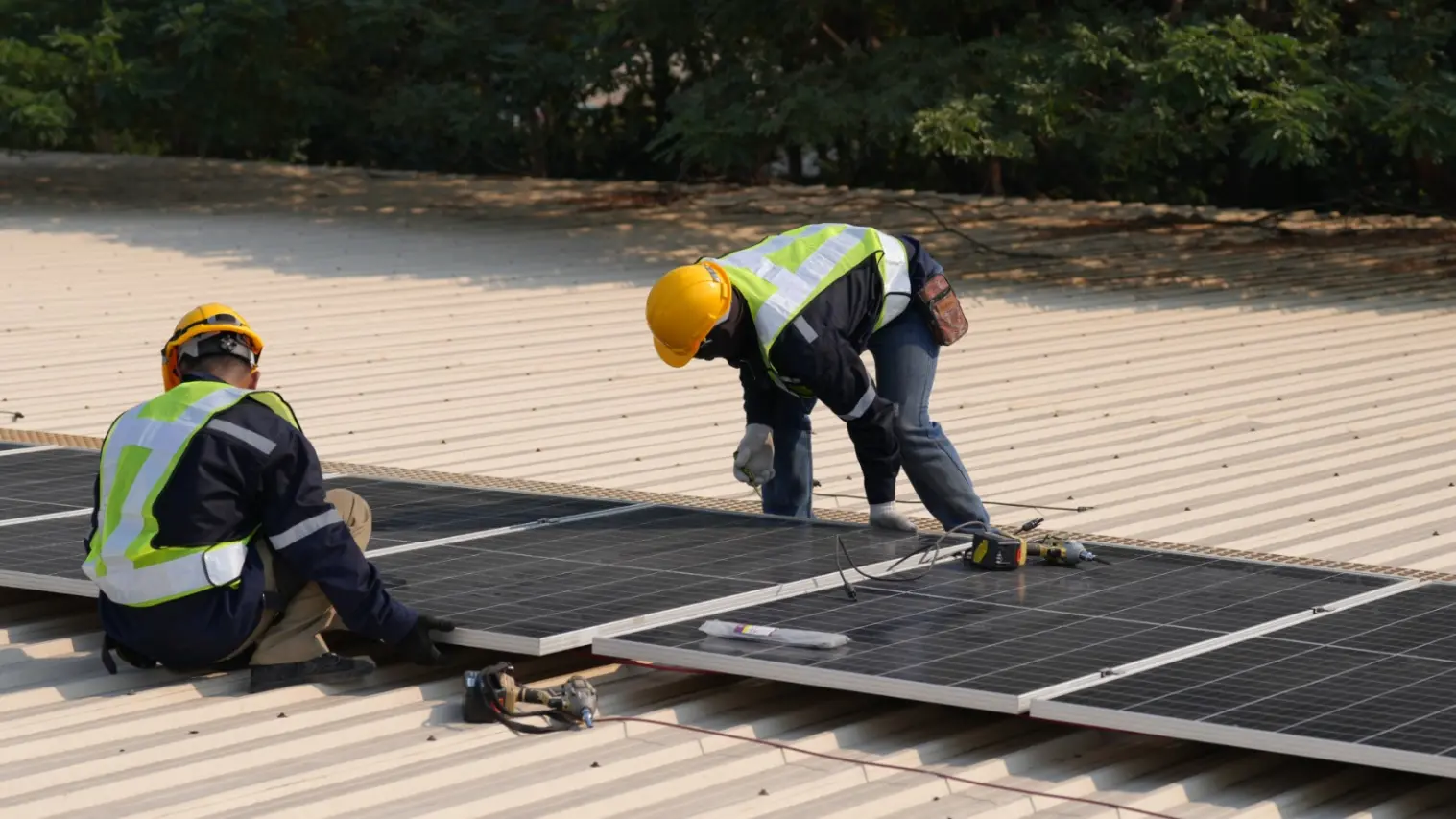
Throughout the installation process, trained technicians follow established procedures to minimise electrical risks.
These typically include:
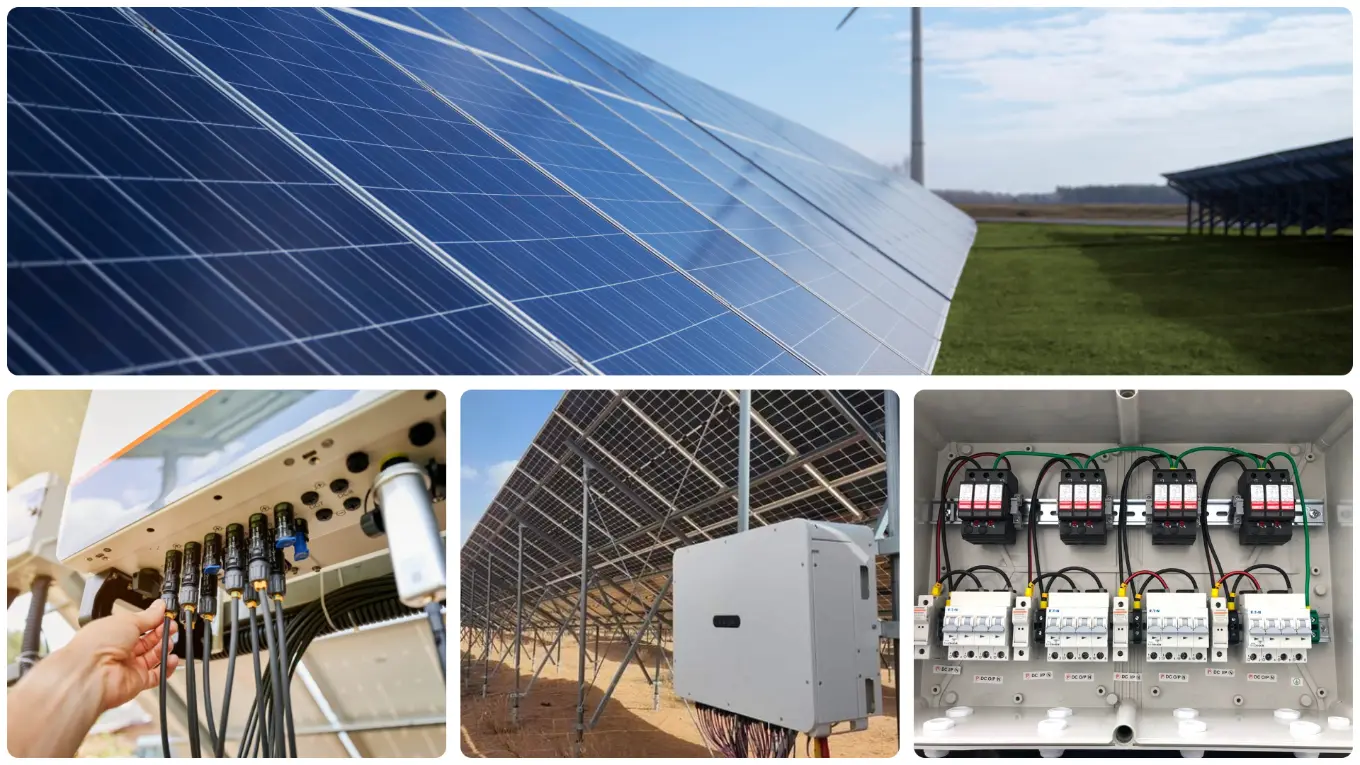
- Proper earthing of equipment.
- Correct cable sizing.
- Safe routing and protection of electrical cables.
- Installation of appropriate isolation switches.
- Secure inverter connections.
- Protection against overcurrent and electrical faults.
These measures form part of the broader electrical safety code solar installation professionals follow to ensure the system operates safely throughout its life.
Although much of this work isn't visible once the project is complete, it's one of the most important parts of the installation.
Structural Safety Is Just as Important
Solar panels remain exposed to wind, rain and changing temperatures for decades.
That's why the mounting structure receives just as much attention as the electrical components.
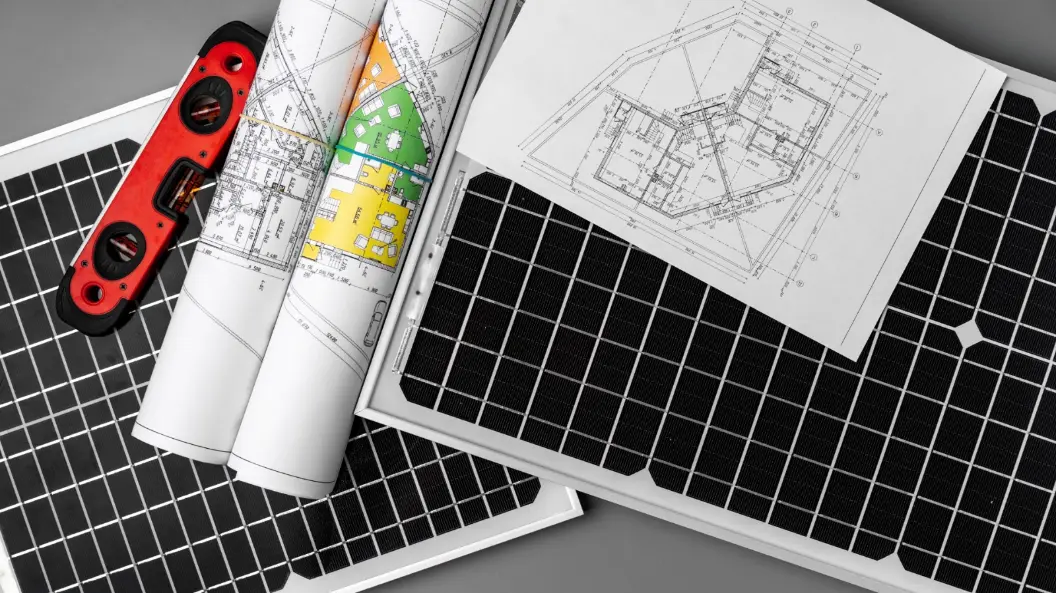
Before installation begins, experienced EPC companies assess:
- Roof condition.
- Load-bearing capacity.
- Mounting points.
- Wind exposure.
- Waterproofing considerations.
The objective isn't simply to hold the panels in place today but to ensure they remain secure year after year.
This is another reason why detailed site surveys are an essential part of every rooftop solar project.
Compliance Doesn't End After Installation
Many homeowners assume compliance is complete once the panels have been installed.
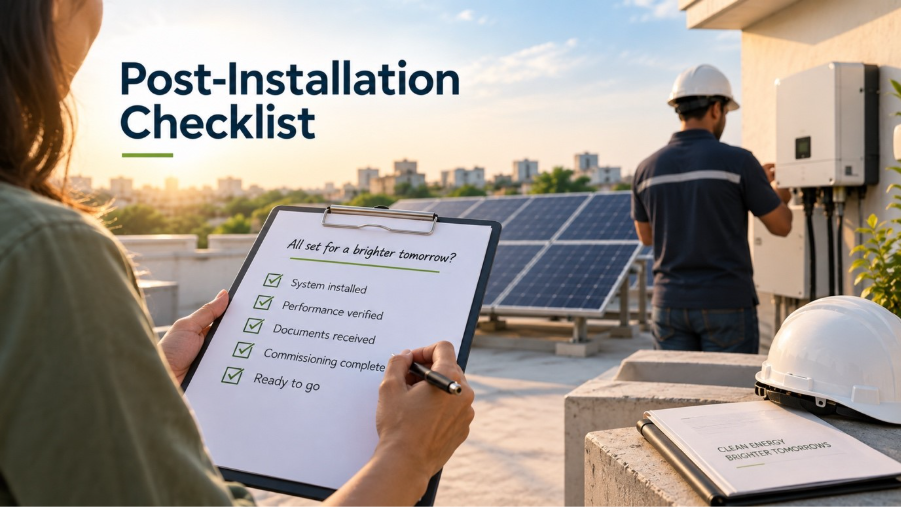
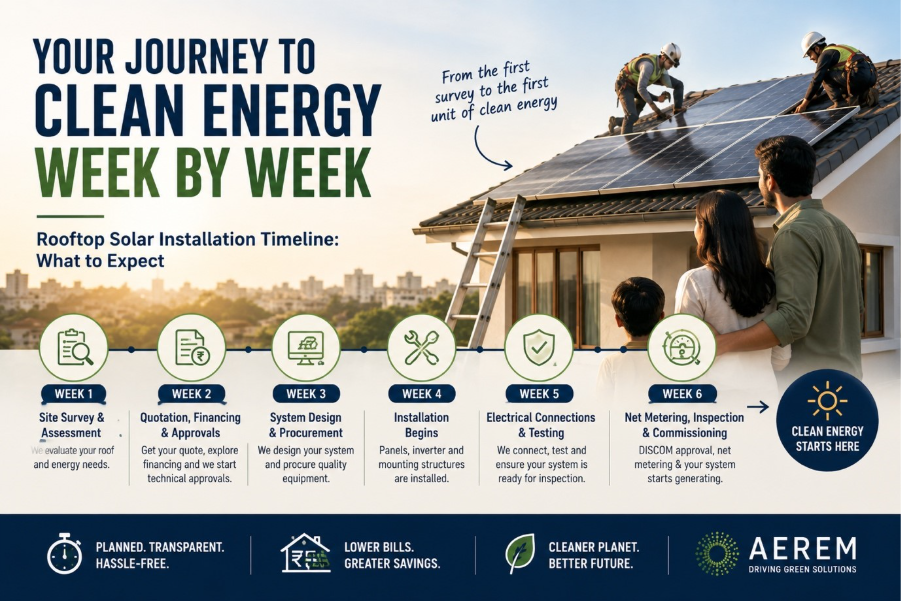
In reality, the project still needs to go through inspection, testing and, for grid-connected systems, the required utility approvals before it is considered fully operational.
Depending on the type of installation, this may include:
- Electrical testing.
- System commissioning.
- Net metering formalities.
- Final inspection by the relevant authority where applicable.
These steps help confirm that the installation has been completed in accordance with applicable safety and technical requirements before regular operation begins.
CEA Safety Guidelines and Why They Matter
One term you may come across while researching rooftop solar is the CEA solar safety guidelines.
The Central Electricity Authority (CEA) issues regulations that govern electrical safety across India's power sector, including grid-connected solar installations. These regulations cover areas such as electrical connections, earthing, protective equipment and safe operation of electrical systems.
While homeowners aren't expected to understand every technical requirement, these guidelines help ensure that rooftop solar systems are installed and connected to the grid safely.
This is one reason experienced EPC companies spend considerable time on testing and inspections before declaring a project complete.
Certifications to Look for in Your Installer
Not all solar installers work to the same standards.
Before choosing an EPC partner, it's worth asking about the qualifications, certifications and quality processes they follow.
Some useful questions include:
- Are your engineers trained for rooftop solar installations?
- Do you use BIS-certified equipment where applicable?
- Do your installations comply with CEA and DISCOM requirements?
- Will I receive all commissioning and handover documents?
- What testing is carried out before the system is handed over?
The answers can tell you a great deal about how seriously an installer approaches quality and safety.
If you're researching solar installation certification India, remember that certification isn't limited to a single document. It's often reflected through the installer's processes, the quality of equipment used and compliance with applicable standards and regulations.
Questions to Ask Before Choosing an EPC
Most homeowners compare prices.
Fewer compare installation practices.
Before signing a contract, consider asking your installer:
- How do you ensure electrical safety during installation?
- What protective devices are included in the system?
- How is the mounting structure designed for my roof?
- What inspections take place before commissioning?
- Will I receive all compliance and warranty documents?
These conversations aren't about testing your installer.
They're about understanding how your system is being designed and whether safety has been considered from the beginning.
Common Safety Mistakes to Avoid
Most safety issues don't arise because solar technology is unreliable.
They usually happen when installations are rushed or corners are cut.
Some examples include:
- Choosing an installer based only on the lowest quotation.
- Ignoring roof condition before installation.
- Using substandard components.
- Poor cable routing.
- Skipping final testing before commissioning.
- Delaying maintenance after installation.
Many of these risks are preventable.
Working with an experienced EPC partner who follows established solar EPC compliance requirements significantly reduces the likelihood of these issues occurring.
Safety Doesn't End on Installation Day
A rooftop solar system is designed to operate for more than two decades.
That means safety continues long after the installation team leaves.
As a homeowner, a few simple habits can help keep the system performing safely:
- Schedule periodic inspections when recommended.
- Keep the panels reasonably clean.
- Don't attempt electrical repairs yourself.
- Contact your installer if you notice warning lights or unusual inverter messages.
- Inform technicians before carrying out major rooftop renovations.
A little preventive care goes a long way towards maintaining both safety and performance.
How Aerem Prioritises Safe Solar Installations
Choosing solar isn't only about generating clean electricity. It's also about investing in a system that's designed to operate safely for years to come.
Aerem works with trusted EPC partners who follow structured installation practices, conduct thorough site assessments and complete the necessary testing before handing over a project. From equipment selection to commissioning, every stage is planned with quality and long-term reliability in mind.
For homeowners and businesses alike, that means greater confidence from the day the system is installed.
Conclusion
Safety is one of the least visible parts of a rooftop solar project, but it's also one of the most important. Long before a system begins generating electricity, careful planning, quality equipment and proper installation practices work together to ensure it operates reliably for years to come.
As a homeowner, you don't need to memorise regulations or technical standards. What matters is choosing an installer who takes compliance seriously, follows recognised engineering practices and is transparent about the work being carried out.
A safe installation isn't just about meeting today's requirements. It's about protecting your investment and giving you peace of mind every time your solar system powers your home.
Frequently Asked Questions












.png)


.png)



.jpg)
.jpg)




.jpg)




.jpg)


.png)
.png)
.png)
.png)
.png)
.png)


.png)
.jpg)
