
.webp)

.webp)
.webp)
.webp)


.svg)
.svg)

Introduction
Deciding to install rooftop solar is exciting. You've chosen your system, spoken to an installer, and are looking forward to lower electricity bills.
Then the waiting begins.
Maybe the site survey is complete, but the installation date keeps moving. Or perhaps the panels are already on your roof, but the system still isn't generating electricity because you're waiting for approvals.
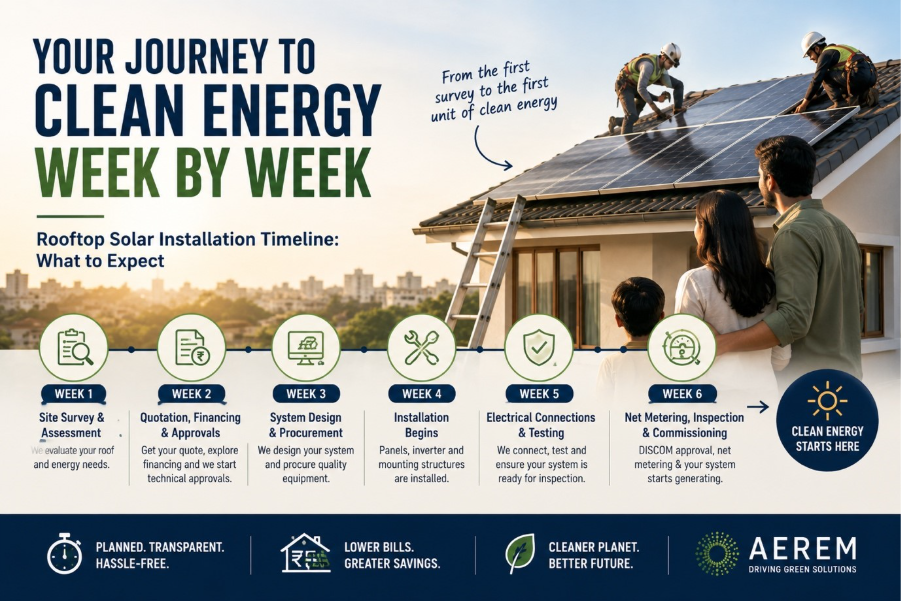
The truth is, most delays aren't caused by a single issue. A rooftop solar project involves several moving parts, from equipment procurement and financing to inspections and utility approvals. Understanding these stages can help you set realistic expectations and avoid unnecessary frustration.
If you're planning a residential solar installation, here's a look at the most common reasons projects take longer than expected and what you can do to keep things moving.
Why Solar Installations Don't Always Follow the Same Timeline
Every rooftop is different.
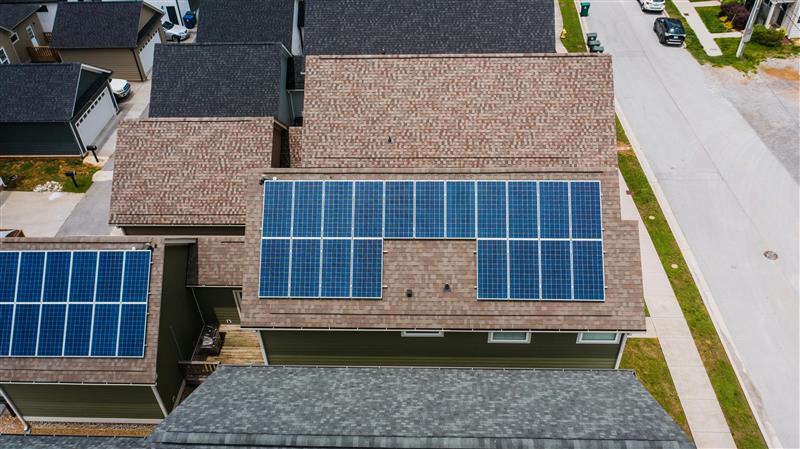
A simple 3 kW installation on a straightforward roof may move much faster than a larger system that requires design changes, financing approvals, or additional electrical work.
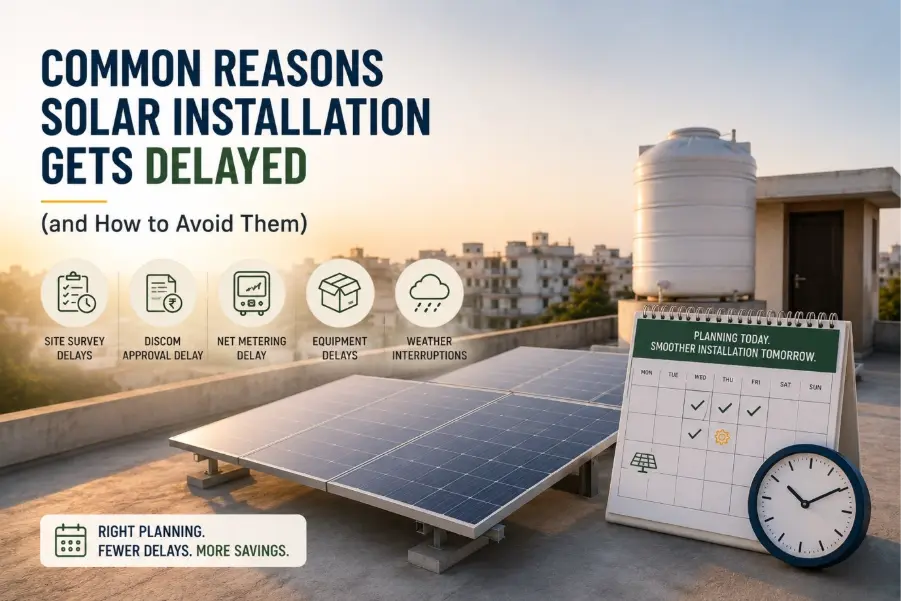
The overall solar installation delays India homeowners experience usually come down to a combination of technical, administrative and logistical factors.
The good news is that many of these delays can be anticipated and managed with proper planning.
Reason 1: Delays During the Site Survey
Everything starts with the site survey.
Before preparing a quotation, the installer needs to understand your roof, electrical connection, and available installation space.
Sometimes the survey itself gets postponed because:
- Access to the property isn't available.
- Additional roof measurements are required.
- Structural observations need further review.
- The homeowner requests changes after the first visit.
Although this may only add a few days, every later stage depends on the survey being completed accurately.
Rushing this step often creates bigger delays later.
Reason 2: Changes After the Quotation
It's common for homeowners to compare different options before making a final decision.
You might begin with a 3 kW system and later decide to install 5 kW. Or perhaps you choose different panels, upgrade the inverter, or decide to include battery backup.
These decisions are completely normal, but they usually require:
- Revised system design.
- Updated quotations.
- Fresh equipment orders.
- Changes to financing documents.
One of the more common reasons for solar project delay is simply changing the scope of the project after planning has already begun.
Taking a little extra time to finalize your requirements before placing the order often helps the project progress more smoothly.
Reason 3: Equipment Availability
Most installers keep frequently used equipment in stock, but some products have longer lead times than others.
For example:
- Specific panel models.
- Higher-capacity inverters.
- Battery systems.
- Custom mounting structures.
If you've selected a particular product, your installer may need additional time to procure it.
Many homeowners prefer waiting a little longer for equipment they've specifically chosen rather than switching to an alternative at short notice.
Reason 4: DISCOM Approvals
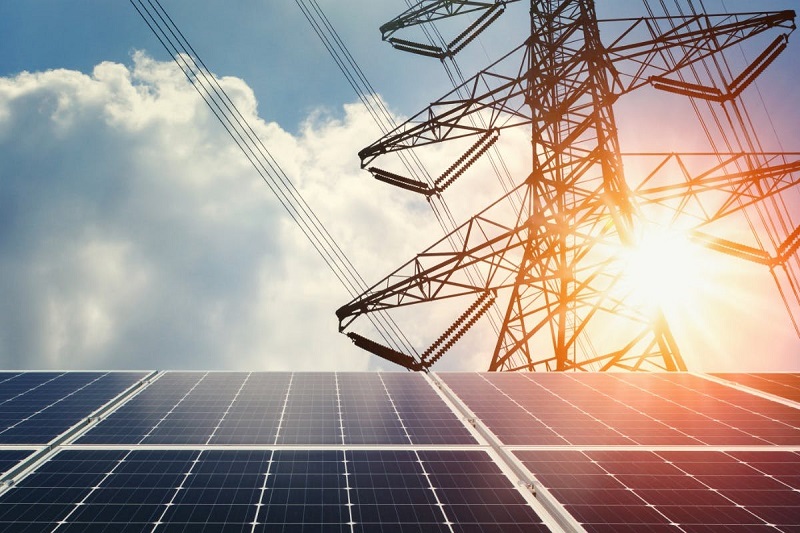
For grid-connected rooftop systems, certain approvals need to be completed before the project moves to the next stage.
Technical feasibility, inspection, and commissioning all involve the local electricity distribution company.
Because each utility manages a large number of applications, timelines can vary.
A DISCOM approval delay solar project doesn't necessarily mean something has gone wrong. In many cases, it simply reflects the processing time for inspections and approvals.
Keeping your application details accurate and responding promptly if additional information is requested can help reduce avoidable delays.
Reason 5: Weather Interruptions
Solar panels are installed outdoors, so weather naturally affects the schedule.
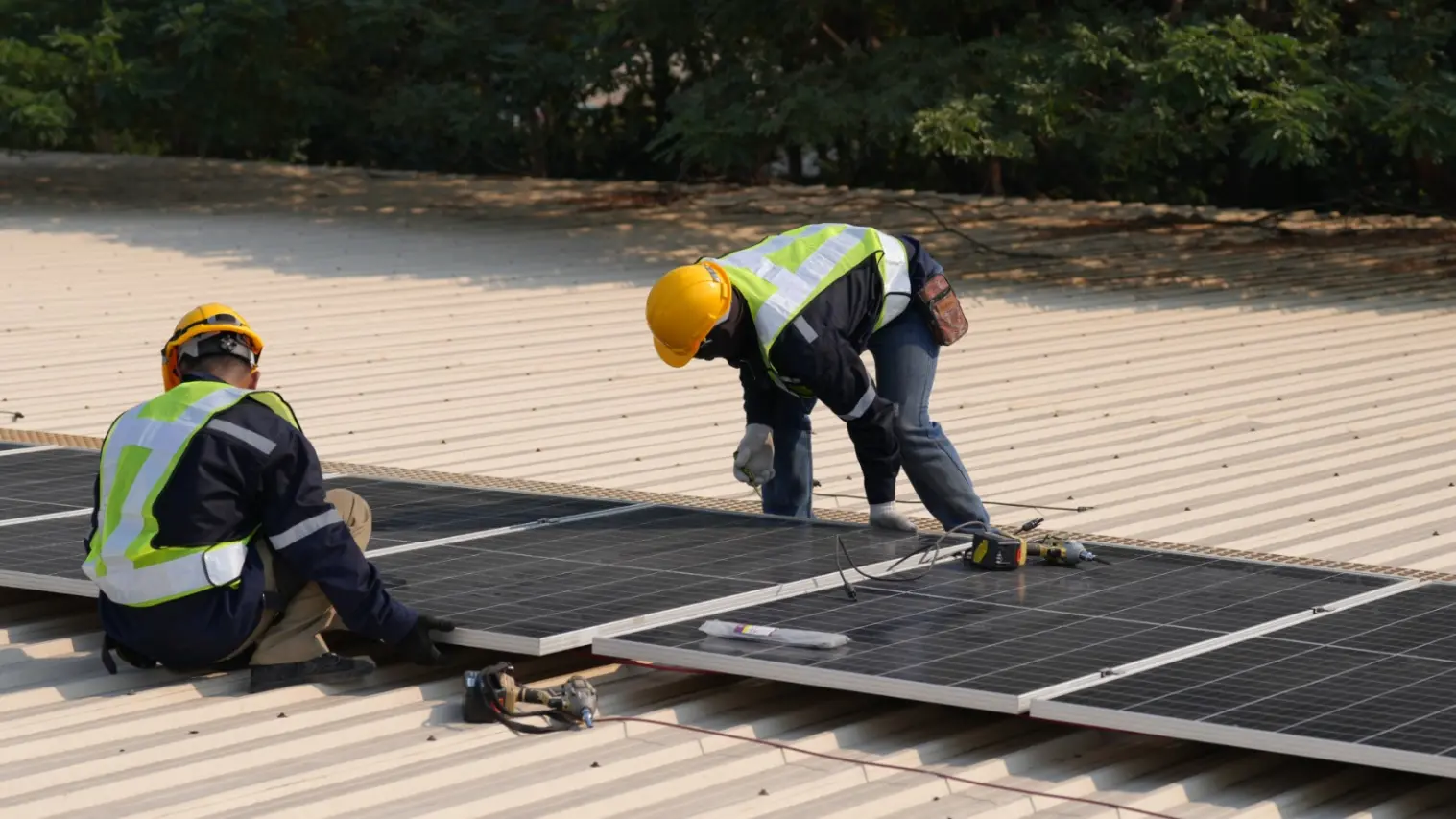
Heavy rainfall, strong winds, or unsafe rooftop conditions may require the installation team to postpone work for a short period.
Although weather-related delays are usually temporary, they help ensure that installation is carried out safely for both the workers and the homeowner.
Reason 6: Net Metering & Commissioning Delays
By the time the solar panels are installed, many homeowners assume the project is complete.
In reality, there's still one important step left.
For grid-connected systems, the installation needs to go through inspection, net metering formalities, and commissioning before electricity can start flowing to and from the grid.
This stage sometimes takes longer than expected because it depends on scheduling, documentation, and verification by the local DISCOM.
A net metering delay solar installation is one of the most common reasons homeowners experience a gap between installation day and the day their system officially becomes operational.
While this part of the process is outside the installer's direct control, experienced EPC partners usually help coordinate documentation and follow up with the utility wherever required.
Other Common Installation Bottlenecks
Not every delay fits neatly into one category.
Sometimes it's a combination of several smaller issues that gradually pushes the project timeline back.
Some common solar installation bottlenecks include:
- Missing or incorrect application details.
- Delays in arranging financing.
- Changes requested after installation has started.
- Waiting for specialized equipment.
- Rescheduling due to extreme weather.
- Delayed responses during documentation or approval stages.
Most of these aren't major setbacks on their own. They simply highlight why good planning and communication are important throughout the project.
How Homeowners Can Help Keep Projects on Schedule
While installers manage the technical work, homeowners also play an important role in keeping the project moving.
A few simple steps can make the process much smoother:
- Keep a recent electricity bill ready.
- Share accurate identity and property details.
- Finalize the preferred system size before confirming the order.
- Complete financing formalities early, if applicable. For businesses, an MSME solar loan may also be considered as part of the financing process, where applicable.
- Respond promptly to requests for documents or approvals.
- Discuss any future rooftop changes before installation begins.
Small actions at the beginning often prevent bigger delays later.
Why Choosing the Right EPC Makes a Difference
Not every delay can be avoided, especially when approvals involve external agencies. But a well-organized installer can help prevent many of the issues that arise from poor planning.
Experienced EPC companies typically have structured processes for:
- Site surveys.
- System design.
- Equipment procurement.
- Documentation.
- Installation scheduling.
- Utility coordination.
- Post-installation support.
This helps reduce many solar EPC project timeline issues that occur when different parts of the project aren't coordinated properly.
A good installer doesn't promise that nothing will ever be delayed. Instead, they keep homeowners informed at every stage and help resolve issues before they become larger problems.
How Aerem Makes the Process Simpler
Installing rooftop solar involves much more than mounting panels on a roof.
There are surveys to complete, system designs to finalize, financing to arrange, equipment to procure, and approvals to coordinate. Managing all these moving parts can feel overwhelming for first-time homeowners.
Aerem simplifies this journey by connecting homeowners with experienced installation partners who follow structured project timelines and provide support throughout the process. From helping you choose the right system to assisting with financing and installation, the focus is on making your residential solar installation as smooth and transparent as possible.
When everyone involved knows what comes next, the entire experience becomes far less stressful.
Conclusion
A rooftop solar project involves several stages, and each one contributes to the final outcome. While delays can happen, they're often linked to approvals, design changes, or practical considerations rather than problems with the system itself.
Understanding the installation journey helps set realistic expectations and makes it easier to work with your installer when small changes arise. A well-planned project, clear communication, and timely documentation go a long way towards keeping everything on schedule.
In the end, a few extra days spent getting the installation right are well worth it for a solar system that's built to deliver reliable savings for decades.

















.png)


.png)



.jpeg)
.jpeg)





.jpeg)










.jpeg)
.webp)
.png)
.png)
.png)
.png)
.png)

.png)
.jpg)
