
.webp)

.webp)
.webp)
.webp)


.svg)
.svg)

Introduction
One of the common questions people ask before switching to solar power for their home is: how many solar panels will I need?"
The answer depends on factors.
It depends on how much electricity your household uses.
It depends on the kind of system you install.
It depends on how much sunlight your roof gets.
Instead of looking for a simple answer, it’s more useful to understand what goes into sizing a solar plant for your home. Once that’s clear, estimating the number of panels for your home becomes straightforward.
What Determines the Number of Solar Panels Needed
There are four factors that influence how many solar panels you will need.
1. Electricity Consumption of the Household
This is where you start. A small household with appliances will need fewer solar panels. A home with ACs, geysers, and heavy loads will need more solar panels. Your monthly electricity bills will help you estimate your consumption.
If your consumption is 300-400 units per month, your system size will be different from someone consuming 800-1000 units.
2. Solar Panel Wattage
Not all solar panels are the same.
Modern solar panels typically range from 500Wp to 700Wp. Higher wattage panels generate more electricity per panel. This means you need fewer of them for the output. Choosing efficiency panels can reduce the number of panels required. This is especially important when roof space is limited.
3. Sunlight Availability
India has solar potential. However, it varies by location.
Some cities in India receive consistent sunlight. The number of sunlight hours directly impacts how much energy your system generates.
4. Roof Space Availability
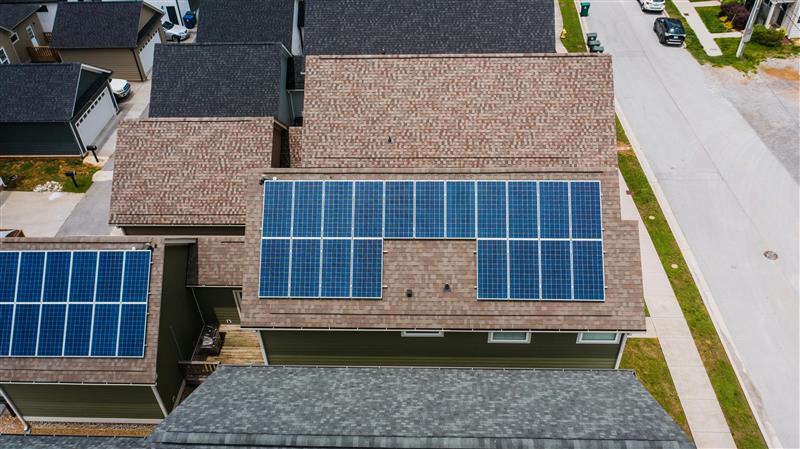
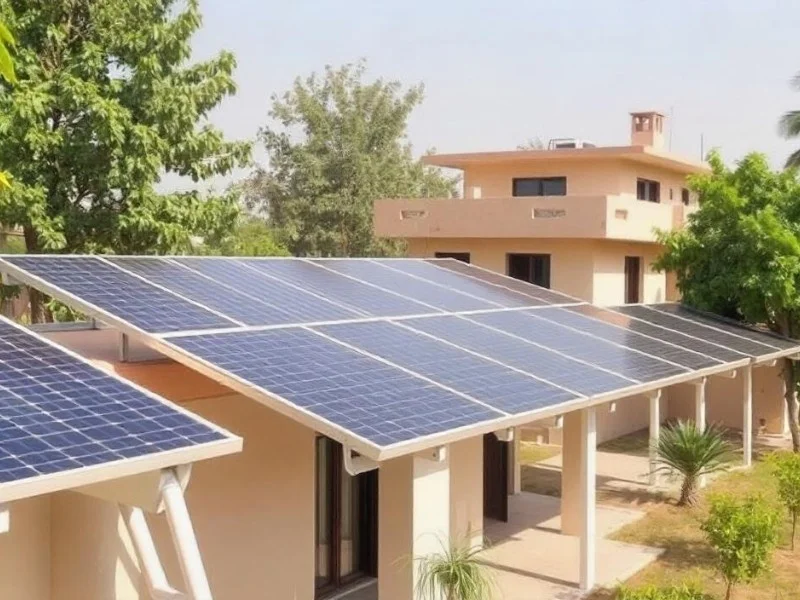
Your rooftop might limit the solar system you can install.
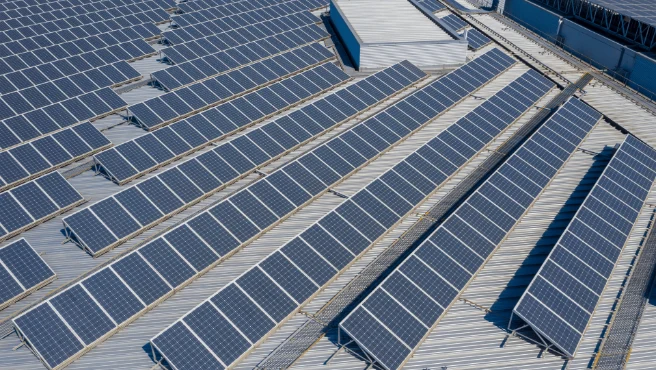
A typical 1 kW system requires around 80–100 feet of space.
So the available area plays a role in deciding the size of your solar plant for home.
Average Electricity Consumption of Indian Homes
Most urban Indian households fall into these categories:
- 1-2 BHK homes: 150-300 units/month
- 2-3 BHK homes: 300-600 units/month
- Homes/villas: 600+ units/month
This is why systems in the range of 2kW to 5kW are common for residential users.
How to Calculate the Number of Solar Panels Required
The calculation is simpler than it sounds.
A basic rule of thumb:
- 1 kW system generates around 4 units per day
- Monthly generation: around 120 units
So if your home consumes 360 units/month:
You need a around 3 kW system.
Now to answer a common query:
how many solar panels are required for 3 kW?
If you use 500Wp solar panels:
3 kW ÷ 0.5 kW = around 6 solar panels
If you use 700Wp solar panels:
3 kW ÷ 0.7 kW = around 4–5 solar panels
This is why solar panel efficiency matters. It directly reduces the number of panels needed.
Solar Panel Requirements for Different House Sizes
These are indicative numbers. Actual requirements may vary depending on consumption and location.
Roof Space Required for Solar Panels
Space is often underestimated.
For reference:
- 1 kW system → 80-100 sq. ft.
- 3 kW system → around 250-300 sq. ft.
- 5 kW system → around 400-500 sq. ft.
Solar panels also need spacing for maintenance and tilt adjustment.
So the usable roof area is slightly less than the area.
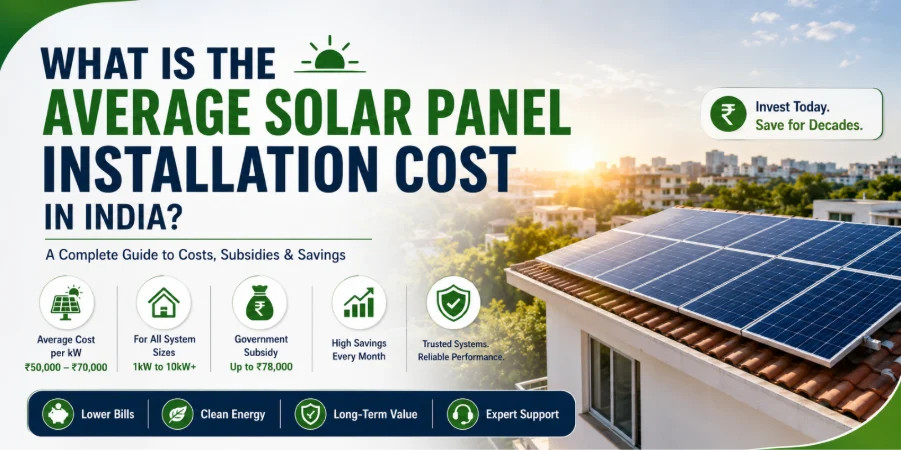
Cost of Installing Solar Panels for Homes
The cost of power for a home depends on system size, solar panel quality, and installation complexity.
A useful benchmark is the solar panel cost per watt in India.
It typically ranges between ₹45-₹70 per watt.
This means:
- 3 kW system → ₹1.8-2.2 lakh
- 5 kW system → ₹2.5-3.5 lakh
These costs can vary based on component quality and system design. Access to solar power financing can also help manage these upfront costs more effectively.
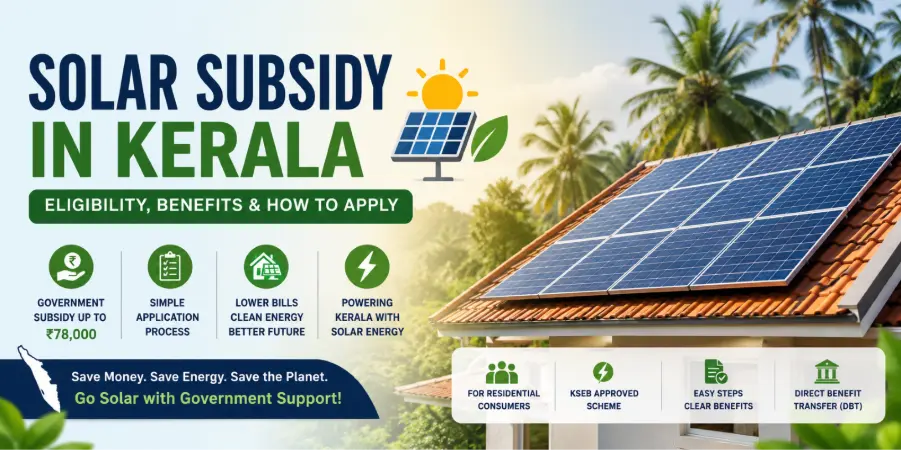
Government Subsidies for Residential Solar Systems
Government schemes have made panels for homes more accessible.
Under programs:
- Under the PM Surya Ghar: Muft Bijli Yojana (Ministry of New and Renewable Energy, MNRE):
- ₹30,000 per kW for the first 2 kW
- ₹18,000 per kW for the next 1 kW
- Maximum subsidy capped at ₹78,000 for systems of 3 kW and above
- Applicable to residential rooftop solar systems (on-grid)
- Subsidy is provided through DISCOMs. Transferred directly after installation and verification.
This structured subsidy support is one of the key reasons for the rise in residential solar adoption across India.
Benefits of Installing Solar Panels for Homes
The reasons people invest in solar panels for houses go beyond just cost.
- Lower electricity bills: Once installed, solar reduces dependency on grid electricity.
- Long-term savings: The system pays for itself over time, typically within 4-6 years.
- Energy independence: You’re less affected by tariff increases.
- Better use of space: Your rooftop becomes a productive asset.
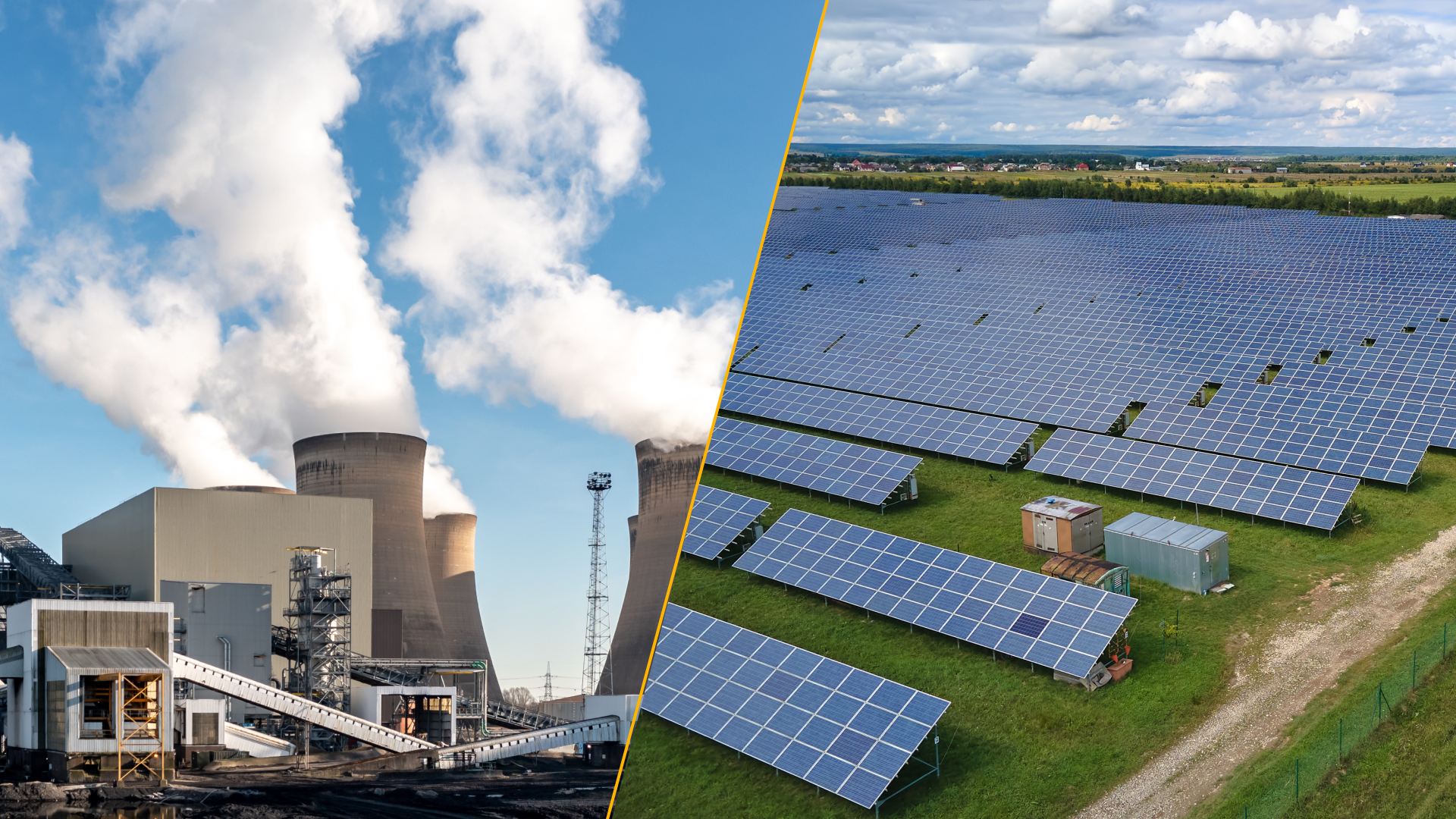
- Environmental impact: Cleaner energy without changing consumption patterns.
Common Mistakes When Calculating Solar Requirements
A few things often go wrong during planning:
- Underestimating consumption
Future usage (like adding ACs) is not considered.
- Ignoring roof constraints
Not all roof space is usable.
- Choosing low-efficiency panels
Leads to more panels and higher space usage.
- Not factoring sunlight variation
Performance differs across locations.
Getting the sizing wrong can impact both performance and return on investment.
Why the Ecosystem Matters More Than Just Panel Count
While calculating the number of panels is important, the real challenge often lies in execution.
System design, financing, procurement, and monitoring are usually handled separately, which can create gaps in performance and coordination.
Aerem operates as a full-stack digital platform for solar adoption, helping users move from planning to execution in a more connected way. From solar power for home decisions to financing and system performance tracking, this reduces friction and ensures better long-term outcomes.
Conclusion
There is no fixed answer to how many panels you need. It depends on your consumption, space, and system design.
But once you understand the basics, sizing a solar plant for home becomes a logical process rather than guesswork, especially when supported by the right solar roof loan.
The key is to look beyond just the number of panels and focus on building a system that fits your usage, your roof, and your long-term needs.












.png)


.png)


.jpeg)
.jpeg)




.jpeg)










.jpeg)
.webp)
.png)
.png)
.png)
.png)
.png)

.png)
.jpg)
