
.webp)

.webp)
.webp)
.webp)


.svg)
.svg)

More and more people in India start using solar power. One question that everyone wants to know is which system is better.
There are two types of solar systems that people use today: the grid-tied solar system and the hybrid solar system. Both of these systems connect to the power grid. They work differently, cost different amounts of money, and are reliable to different extents.
It is very important to understand the differences between these two systems not only to choose the right one but also to make sure it works well and is cost effective in the long run.
What is a grid-tied solar system?
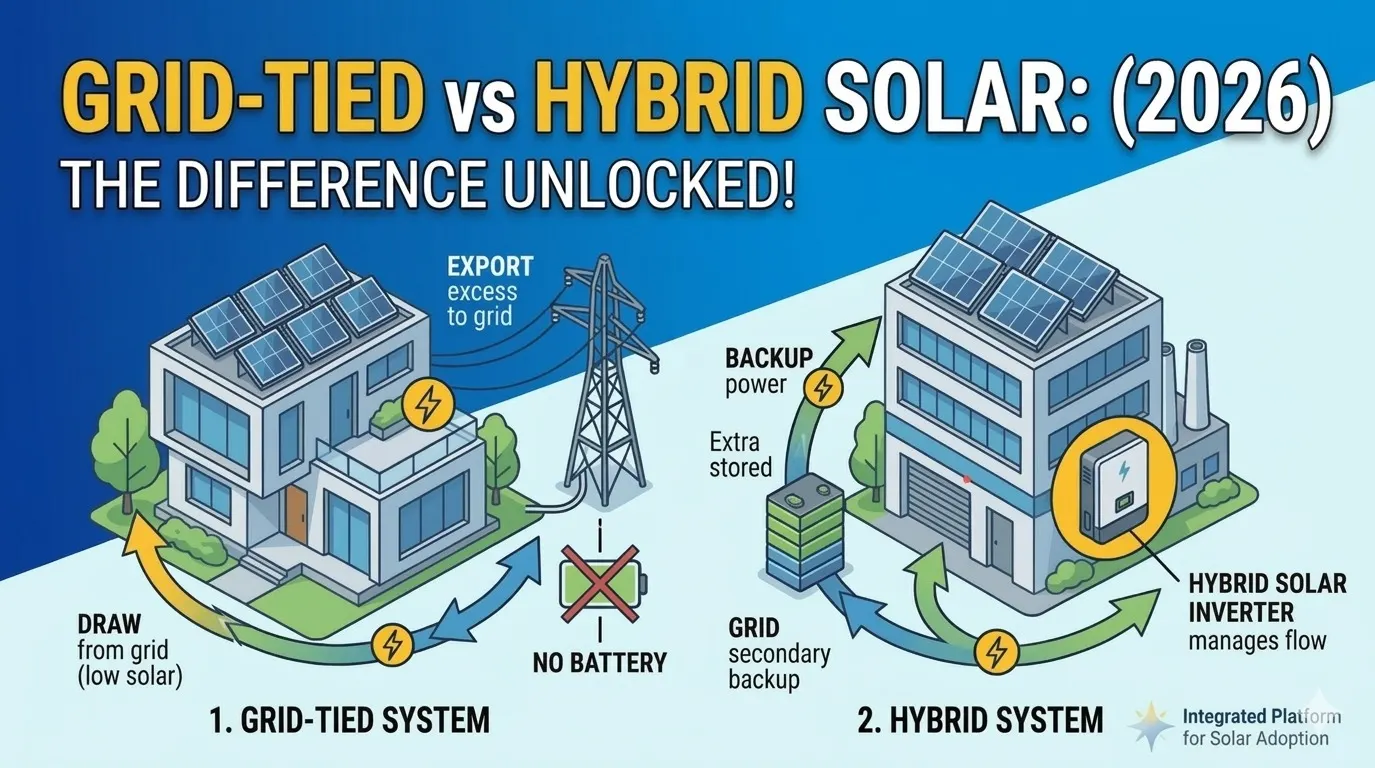
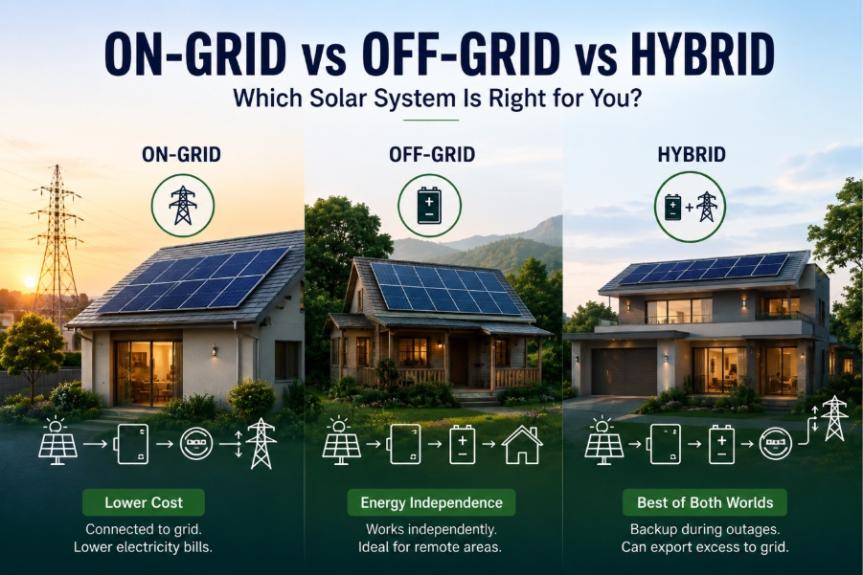
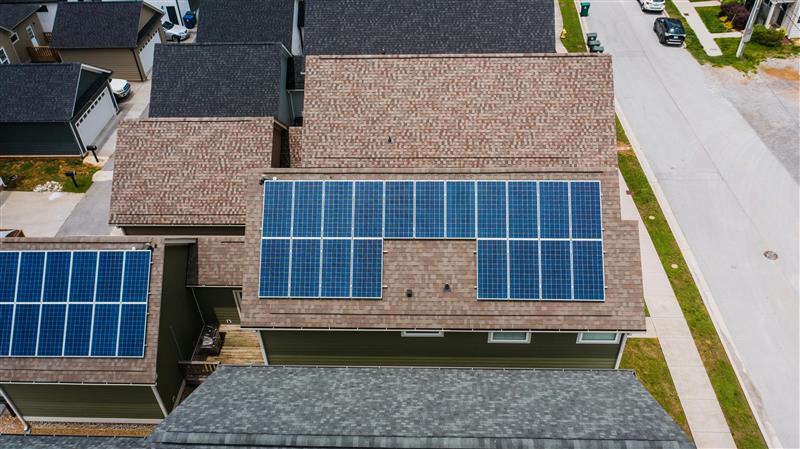
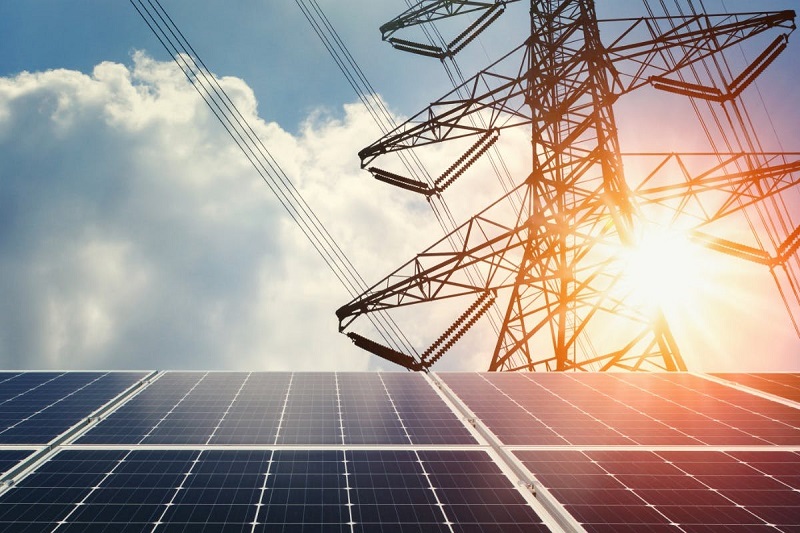
A grid-tied system is connected directly to the local power grid.
Here is how it works:
- Solar panels make electricity during the day.
- The building uses the power up.
- Any extra electricity is sent to the power grid.
- When the sun is not shining, the building gets power from the grid.
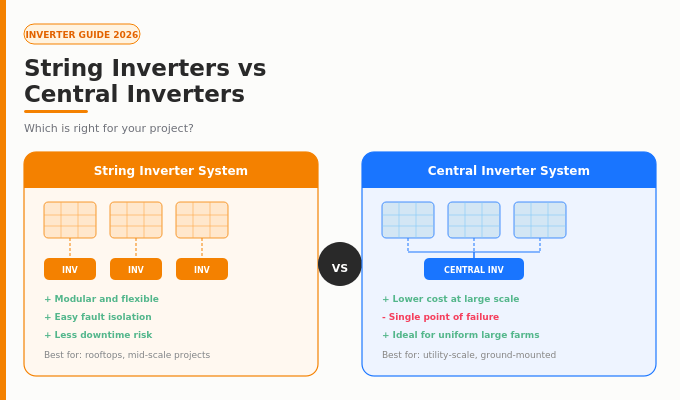
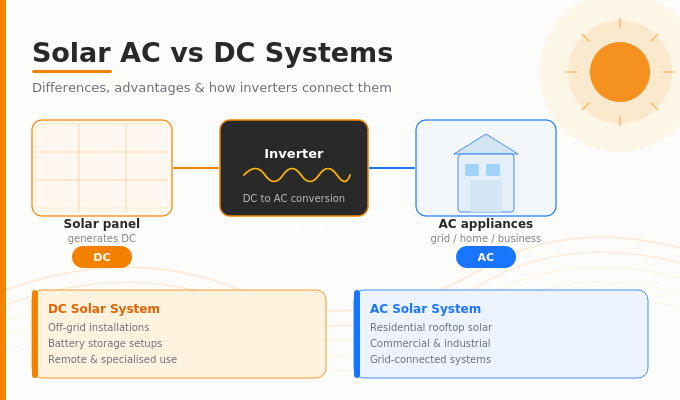
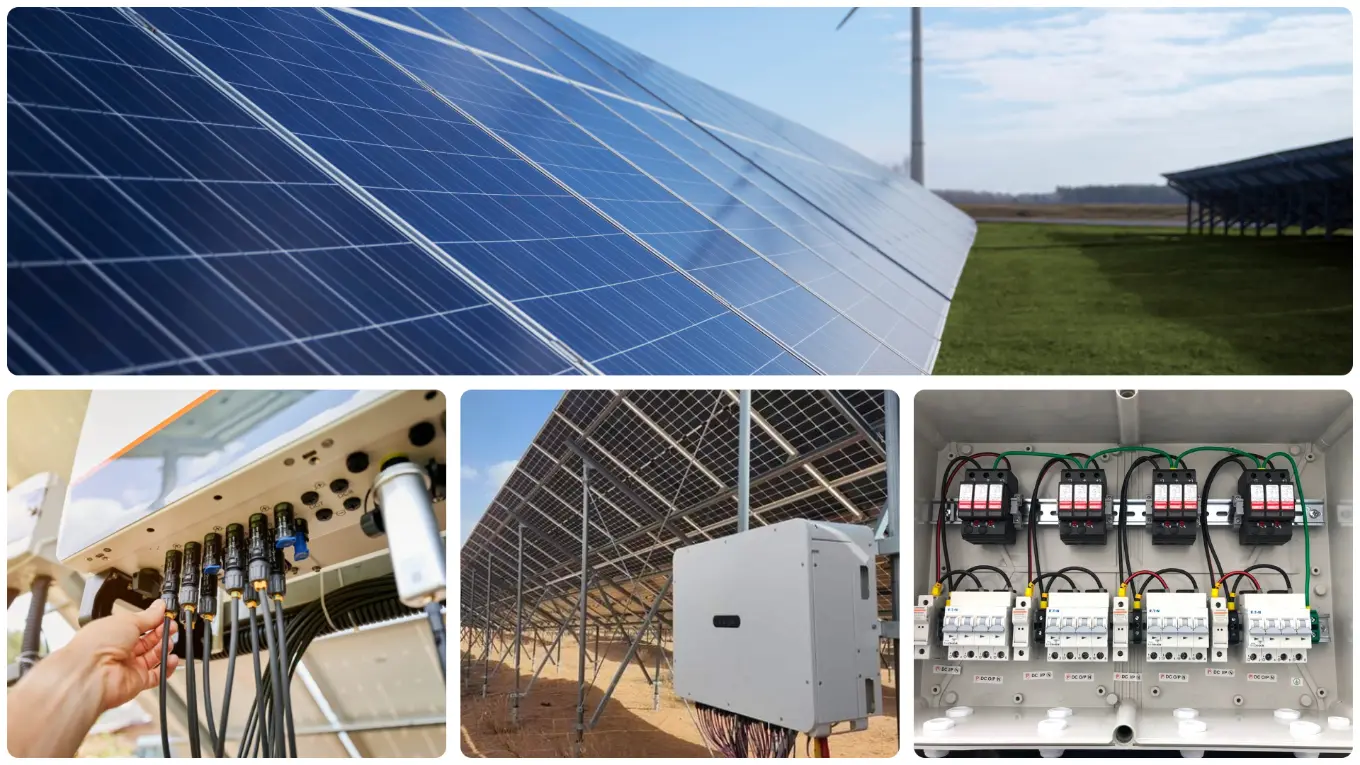
The grid-tied power system works together with the power grid using special machines called inverters so electricity flows smoothly between the system and the grid.
Some key things about grid-tied systems are
- They do not have batteries to store power.
- They cost money to buy and install at first.
- They need the power grid to work.
- They can get benefits like net metering.
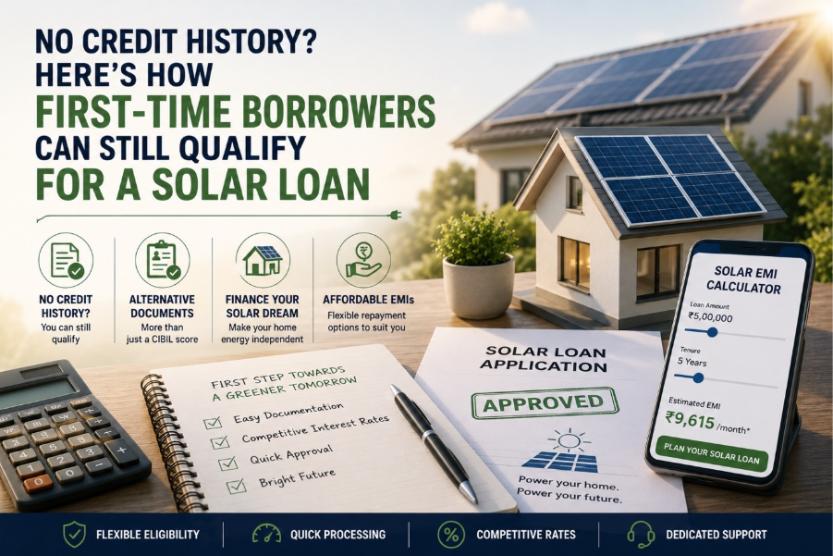
Because they do not have batteries, these systems are simpler and less expensive to install and take care of, which is why many people explore best solar financing options for these setups.
However, one big problem with these systems is that they shut down when the power goes out, so they do not provide power.
What is a Hybrid Solar System?
A hybrid solar system uses panels, the power grid, and batteries to store power.
At the heart of this system is an inverter that manages the flow of power between:
- solar panels
- batteries
- and the power grid.
Unlike grid-tied systems, extra energy is stored in batteries instead of being sent to the power grid.
Here is how it works:
- Solar panels make power during the day.
- Extra power is stored in batteries.
- When the power goes out, the batteries provide power.
- The power grid is used as a backup when it is needed.
A hybrid solar system combines the things about grid-tied and off-grid systems so people can save money and have power when they need it.
Grid-Tied Solar Power Systems versus Hybrid Systems: Key Differences
The difference between these two systems is that one has batteries and can provide backup power and the other does not.
1. Batteries and Backup Power
- Grid-tied systems do not have batteries and do not provide backup power when the grid is down.
- Hybrid solar systems have batteries. Provide backup power.
This makes hybrid systems a good choice for areas where the power goes out a lot.
2. Cost Comparison
- Grid-tied systems cost money at first.
- Hybrid systems are more expensive because they have batteries and special inverters.
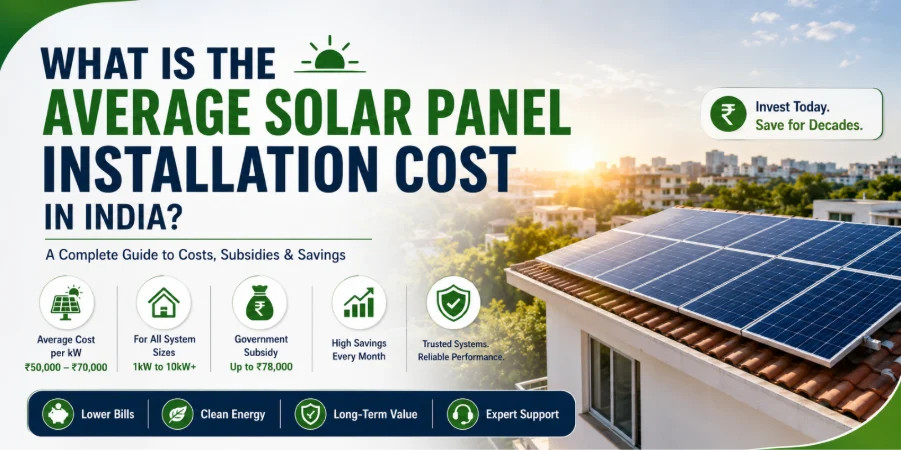
Having batteries increases the cost of installation. It also makes the system more reliable, which is why choosing the right solar power financing becomes important.
3. Being Independent from the Power Grid
- Grid-tied systems rely heavily on the power grid.
- Hybrid systems use power from the grid because they store energy.
Hybrid systems also let people use their power better by using stored power at night or when power is more expensive.
4. Maintenance and Complexity
- Grid-tied systems are simpler. Needs less maintenance.
- Hybrid systems have parts, like batteries and inverters, which makes them more complex.
5. Which System is Best for You
Grid-tied systems are good for:
- Cities with reliable power.
- People who want to save money on their power bills.
Hybrid solar systems are good for:
- Areas where the power goes out a lot.
- People who need power and want to be more independent from the power grid.
The Role of Hybrid Solar Inverters
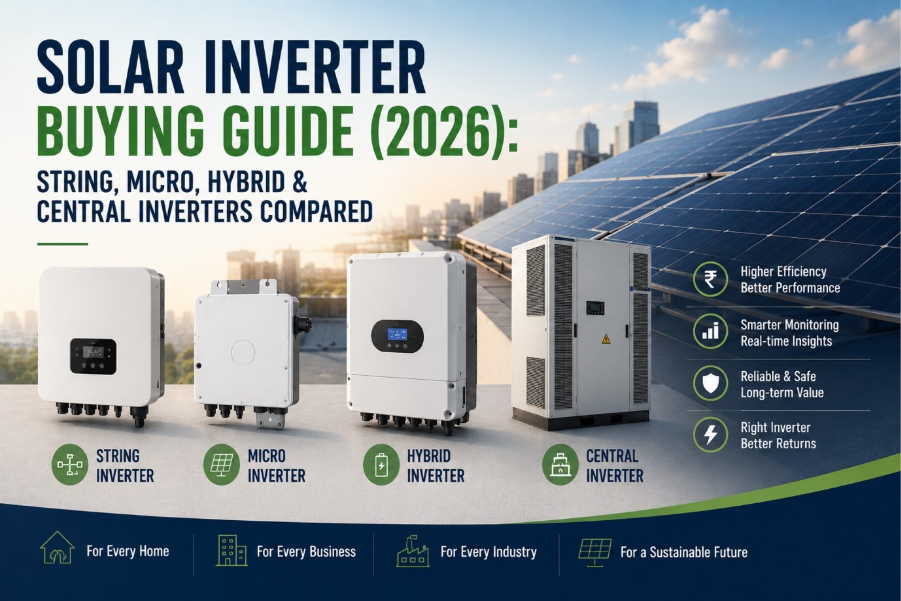
The hybrid solar inverter is what makes hybrid systems possible.
It is different from inverters because it:
- manages the power made by the solar panels
- controls the charging and discharging of the batteries
- and switches between the grid and stored power automatically.
Modern hybrid inverters also let people manage their energy use smartly, which helps them decide when to store, use, or send power back to the grid.
Cost, Storage and Backup Power: What Matters Most
When choosing between these two systems, it comes down to three things:
1. How money you want to spend?
If you do not want to spend a lot of money, a grid-tied solar system is usually the better choice.
2. How reliable you need the power to be
If the power goes out a lot, a hybrid solar system is a choice because it has backup power.
3. What you want in the run
While hybrid systems cost more at first, they provide the following:
- more independence from the power grid
- better use of the power made by the solar panels
- and protection from power outages.
Financing Options: Grid versus Hybrid
The choice between these two systems also affects how you pay for them.
For grid-tied systems, people often use loans that are just for on-grid solar systems because they are less expensive and easier to finance.
For systems, people use special loans that take into account the cost of the batteries and the longer time it takes to pay back the loan.
Broadly financing solar power systems lets people
- avoid paying a lot of money up front
- make monthly payments that are the same as the money they save on power
- and invest in better systems.
Why the Right Ecosystem Matters
While choosing between a grid-tied system and a hybrid solar system is important, the bigger challenge is often making it all work together.
Many solar projects have problems because the financing, buying of parts, and design of the system are not coordinated.
This is where companies that do everything come in.
Aerem operates as a full-stack digital platform for solar adoption, helping users navigate decisions around solar power financing, procurement, and system performance. For users evaluating options like a loan for an on-grid solar system or hybrid solar financing, having access to structured solutions ensures that system design and financing are aligned from the start.
This reduces inefficiencies and helps ensure that solar systems deliver consistent long-term performance.
Final Thoughts
Both grid-tied systems and hybrid solar systems have their own advantages.
If you want to save money and have power, a grid-tied solar power system is a good choice.
If you want power and to be more independent from the power grid, a hybrid solar system is worth the investment.
More and more people start using solar power. The decision is not just about making power; it is about choosing a system that fits your needs, where you live, and what you want to achieve in the long run.









.png)


.png)


.jpeg)
.jpeg)


.jpeg)








.jpeg)
.webp)
.png)
.png)
.png)
.png)
.png)
.png)
.jpg)
