
.webp)

.webp)
.webp)
.webp)


.svg)
.svg)

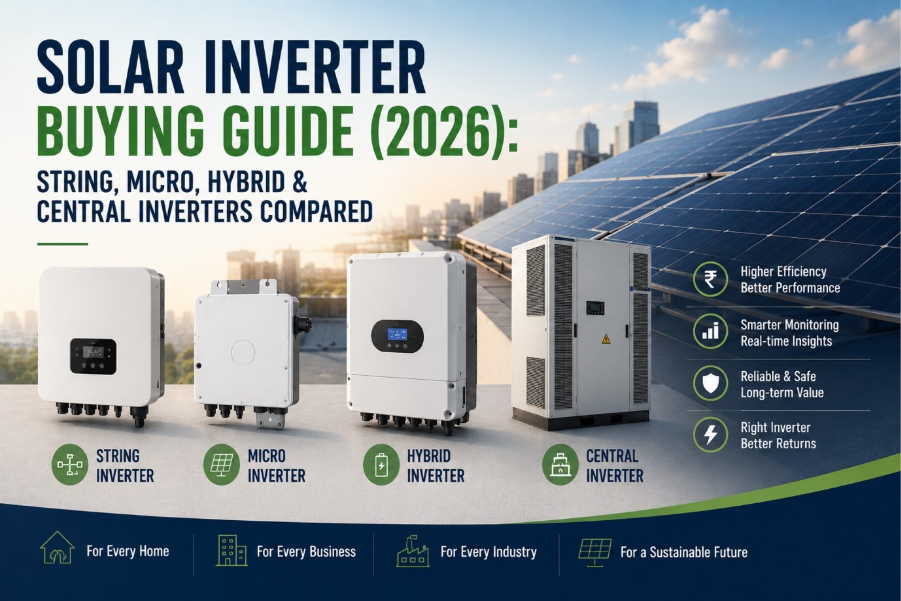
Solar technology has evolved rapidly over the past decade. However, one question still comes up frequently for businesses and project developers: Should you use a string inverter or a central inverter?
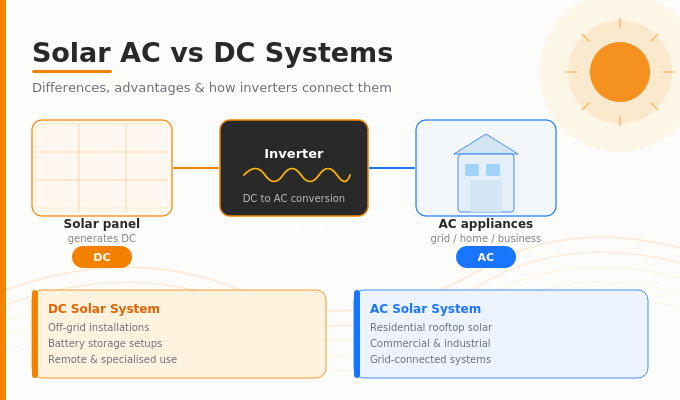
Both technologies convert the DC electricity produced by solar panels into usable AC electricity. However, their design, scale, and performance characteristics make them suitable for different types of solar installations.
Understanding the difference between string inverters for solar panels and central inverter solar systems can help project developers choose the right configuration, especially when planning large commercial or utility-scale projects.
What Is a Solar String Inverter?
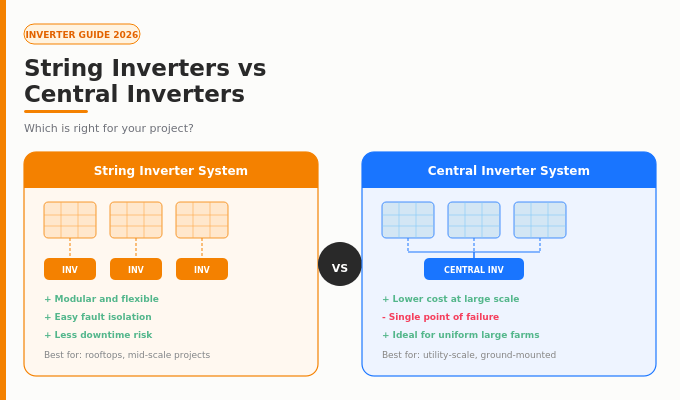
A solar string inverter is a device that converts the direct current (DC) generated by a group of solar panels known as a “string” into alternating current (AC) electricity used by buildings or fed into the grid.
In a typical system, multiple panels are connected to individual string inverters. Each inverter handles the electricity from a smaller group of panels rather than the entire plant.
This modular setup has several advantages:
- Greater system flexibility
- Easier installation
- Simpler maintenance and fault detection
If one inverter fails, the rest of the system can continue operating. This reduces downtime and prevents the entire solar plant from shutting down.
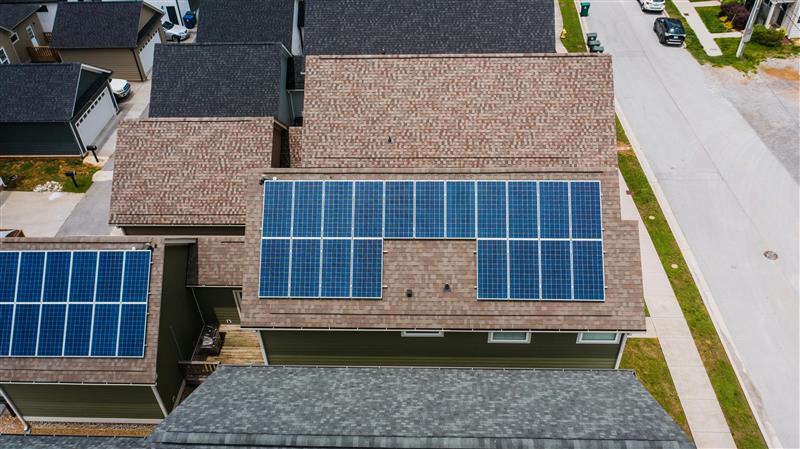
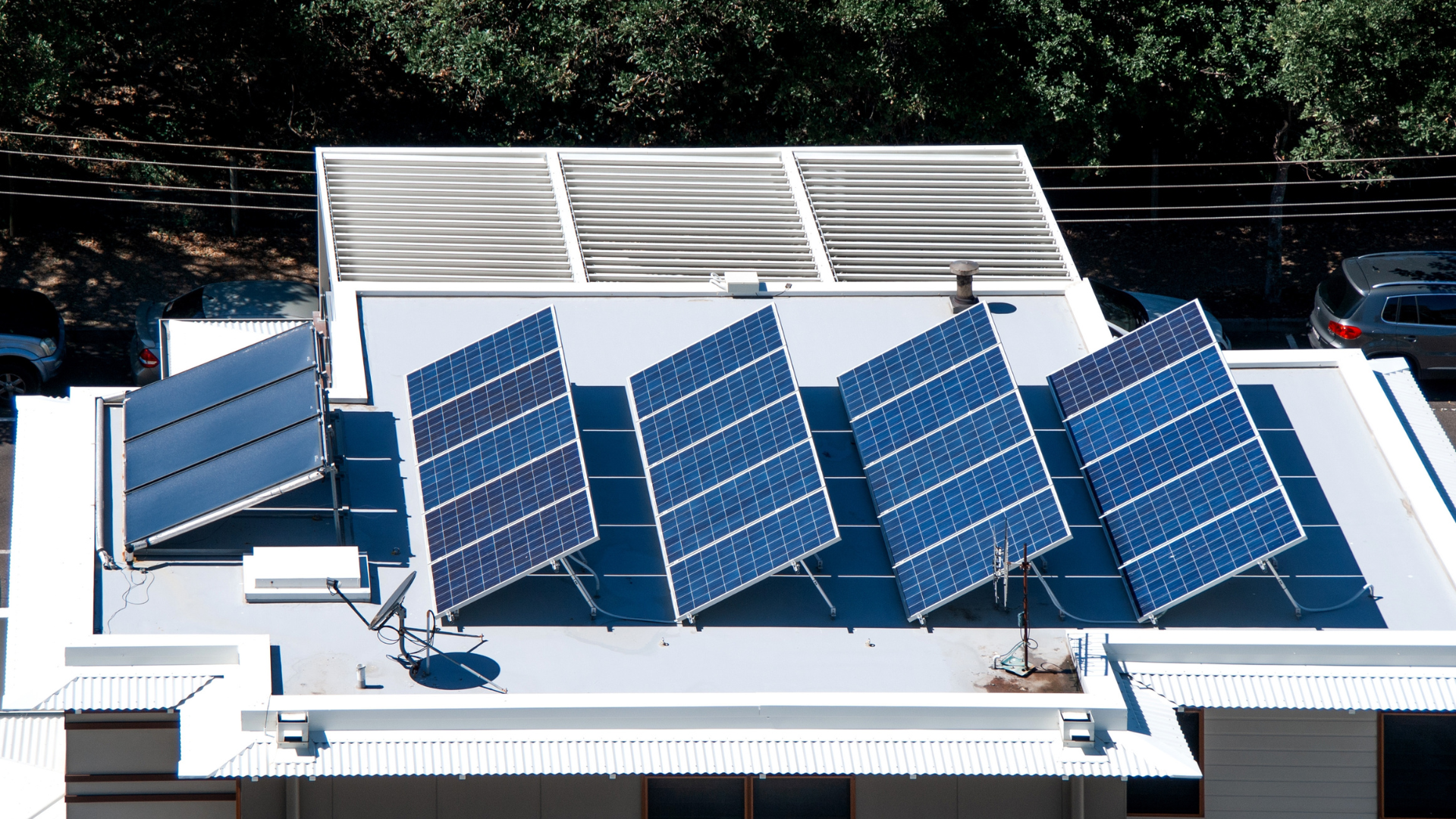
Modern string inverters for solar panels are widely used in commercial rooftops, distributed solar plants, and mid-scale solar installations.
What Is a Central Inverter Solar System?
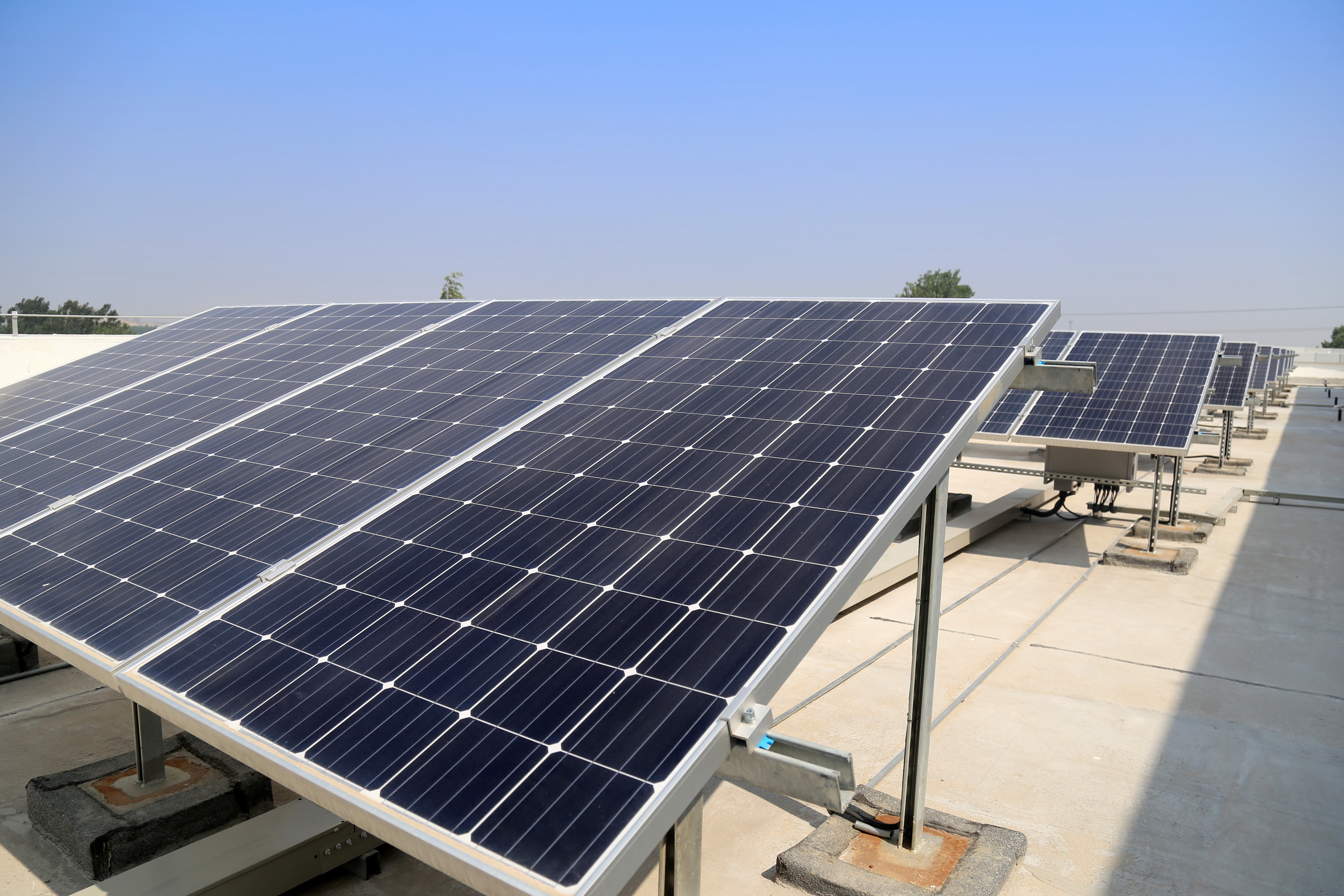
A central inverter solar system uses a single large inverter to convert DC power from many solar panel strings into AC electricity.
Instead of multiple smaller inverters distributed across the plant, a central inverter aggregates power from hundreds or even thousands of panels.
Central inverters are usually found in large solar farms or utility-scale installations where:
- The solar array layout is uniform
- There is minimal shading
- The project size is very large
Central inverters can handle extremely high power capacities, often in the megawatt range, making them suitable for large-scale grid-connected projects.
However, since all panels are connected to a single inverter, any performance issue can impact a significant portion of the system. This makes careful planning, monitoring, and financial support such as a solar installation loan important to ensure efficient setup and long-term reliability without unnecessary financial strain.
String Inverters vs Central Inverters: Key Differences
When comparing solar string inverter systems with central inverter solar installations, there are several important factors to consider.
1. System Design and Scalability
String inverters for solar panels
- Modular design
- Easy to expand by adding additional strings
- Ideal for complex rooftops or varied layouts
Central inverter solar
- Centralized design
- Better suited for uniform solar farms
- Scaling requires larger infrastructure changes
Because of their modular architecture, string inverter systems are often more adaptable to different project designs.
2. Efficiency and Performance
Performance can vary depending on installation conditions.
Modern string inverters can achieve very high conversion efficiency due to multiple Maximum Power Point Tracking (MPPT) inputs.
This allows each string to operate independently. If one part of the array is shaded or dirty, the rest of the system continues performing normally.
In contrast, central inverters use fewer MPPT inputs, meaning that performance issues in one section of the array can reduce the output of the entire system.
3. Maintenance and Reliability
Maintenance is another key consideration.
With string inverters for solar panels:
- Faults are easier to detect
- Individual units can be replaced quickly
- Downtime is limited to smaller portions of the plant
With central inverter solar systems:
- A single failure can affect a larger share of the plant’s production
- Repairs may require specialized technicians
- Maintenance downtime can be higher
Because of this, many modern commercial solar developers prefer a distributed inverter architecture.
4. Cost Considerations
Central inverters traditionally had a lower upfront cost per watt for large projects.
However, the price gap has narrowed as string inverter technology has matured.
Today, the cost comparison depends on factors such as:
- Plant size
- Installation complexity
- Maintenance requirements
- Monitoring capabilities
For distributed commercial projects, string inverters are often competitive or even more cost-effective over the long term.
Best Use Cases for Each Inverter Type
String inverter systems are ideal for:
- Commercial rooftop solar installations
- Industrial buildings with multiple roof sections
- Solar plants with uneven terrain or shading
- Medium-scale solar projects
Central inverter solar systems work best for:
- Large utility-scale solar farms
- Uniform ground-mounted arrays
- Projects with centralized grid connection infrastructure
Choosing the right technology ultimately depends on project size, layout, and operational strategy.
Financing Solar Installations for Businesses
Whether a project uses string inverters for solar panels or a central inverter solar setup, financing plays an important role in solar adoption.
Many businesses today rely on solar panel financing to install solar systems without large upfront investments.
Options include:
- Equipment financing
- Power purchase agreements (PPAs)
- Leasing structures
- Dedicated loans for solar installation
With the right financing structure, businesses can adopt solar energy while preserving working capital and improving long-term energy cost stability.
Which Inverter Is Better in 2026?
There is no universal answer.
In 2026, both technologies continue to play important roles in the solar ecosystem:
- String inverters are becoming more popular in commercial and distributed solar systems due to their flexibility and reliability.
- Central inverters remain effective for massive solar farms with uniform layouts.
The best solution depends on the project’s scale, design complexity, and long-term operational goals.
For businesses planning solar installations today, evaluating inverter technology alongside solar panel financing and loans for solar installation can help ensure the system delivers both performance and financial returns.











.png)


.png)


.jpeg)
.jpeg)



.jpeg)









.jpeg)
.png)
.png)
.png)
.png)
.png)
.png)

.png)
.jpg)
