
.webp)

.webp)
.webp)
.webp)


.svg)
.svg)

Introduction
Spend a few minutes researching rooftop solar and you'll notice one system size appears almost everywhere: the 3kW solar system.
That's because it suits a large number of Indian homes. It doesn't require an unusually large rooftop, the investment is manageable for many households, and the electricity it generates is often enough to make a noticeable difference to monthly bills.
If you've been asking questions like "What is 3 kW?", "What is the cost of a 3 kW solar system?", or "Whether a 3 kW plant will meet your family's electricity needs," you're not alone. These are usually the first questions homeowners ask before deciding to go solar.
The answers depend on a few practical factors, including how much electricity your home consumes, the amount of shadow-free roof space available, and whether you choose an on-grid, off-grid, or hybrid system.
This guide explains everything you need to know before investing in a 3kW rooftop solar system, from electricity generation and installation requirements to pricing, subsidies, and long-term savings.
What is a 3kW Solar Panel System?
When people hear "3 kW," many assume it refers to the amount of electricity their home consumes. It actually refers to the maximum generating capacity of the solar plant under standard test conditions.
In simple terms, a 3kW system is capable of producing up to 3,000 watts of power when sunlight conditions are ideal. The actual electricity generated on any given day depends on factors such as location, season, weather, and panel orientation.
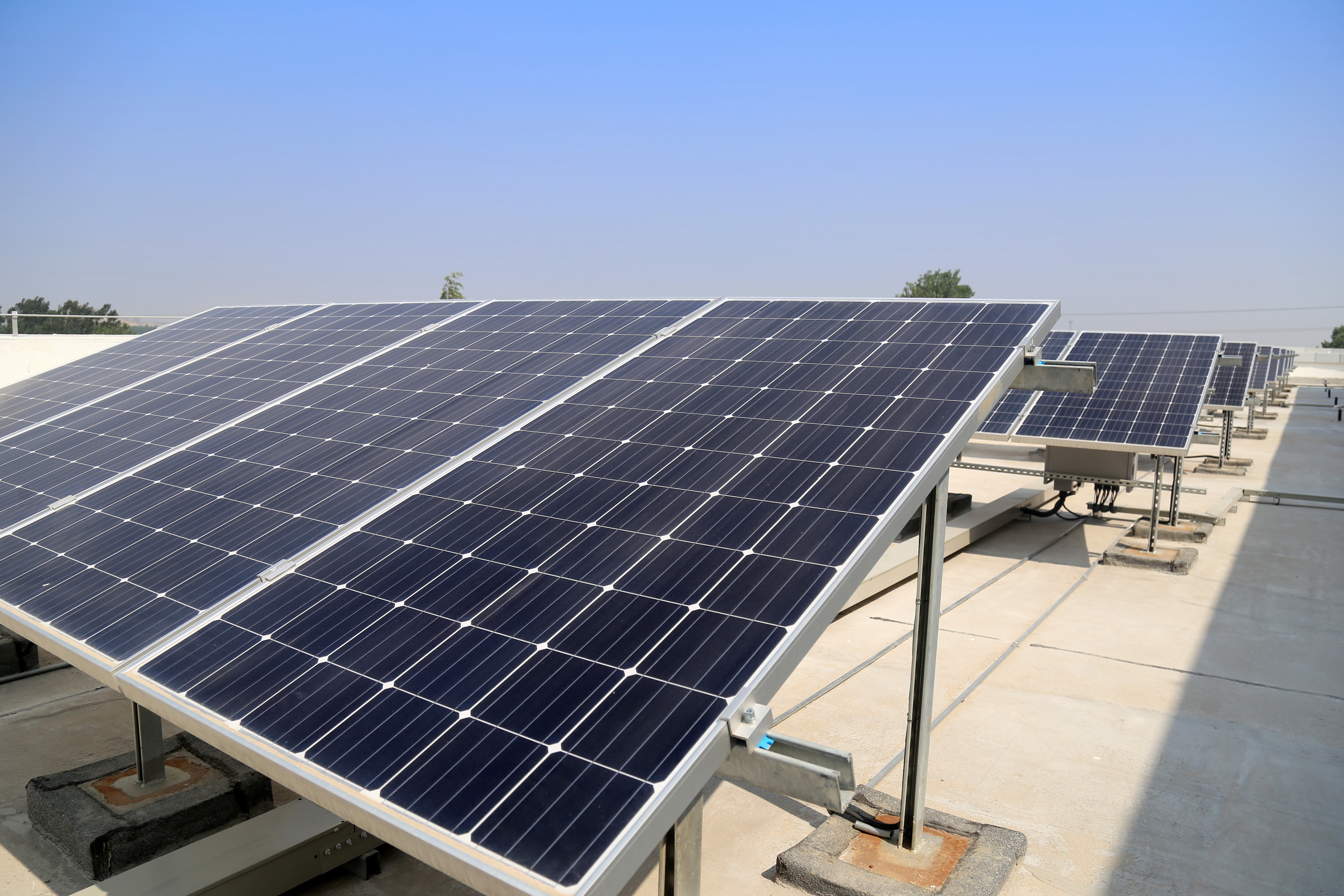
Modern residential systems generally use high-efficiency solar panels rated between 500 Wp and 700 Wp, so a typical 3kW rooftop installation usually requires around five to six panels. The exact number depends on the wattage of the modules selected.
Who Should Install a 3kW Solar System?
There's no universal answer because every household uses electricity differently.
A better place to start is your monthly electricity bill.
If your home typically consumes between 300 and 450 units of electricity every month, a 3kW system is often a good fit. Homes with higher consumption, especially those running multiple air conditioners or planning to install an EV charger, may need a larger system.
Many homeowners choose this capacity because it offers a sensible balance between investment, available roof space, and expected savings. It works particularly well for independent homes that receive good sunlight for most of the day.
Rather than selecting a system purely because a neighbor has installed it, it's always worth sizing the plant according to your own consumption patterns.
How Much Electricity Does a 3kW Solar System Generate?
Perhaps the question we hear most often is what appliances can run on a 3kW solar system.
The answer starts with understanding how much electricity the system produces.
According to planning estimates used for rooftop solar in India, a well-installed system generally generates around 4 to 5 units of electricity per kilowatt each day, although this varies depending on the city, weather, and season.
That means a 3 kW installation typically produces:
- Around 12 to 15 units of electricity each day
- Approximately 350 to 450 units every month
For many homes, this is enough to comfortably support everyday household appliances such as:
- LED lights
- Ceiling fans
- Refrigerators
- Television
- Wi-Fi router
- Washing machine
- Laptops and desktop computers
- Water pump
- Selected air-conditioning loads, depending on usage
It's worth remembering that electricity generation and electricity consumption don't always happen at the same time. If your home uses more power during the evening, a hybrid system or net metering arrangement may help maximize the value of the electricity generated during the day.
Components Required in a 3kW Solar Setup
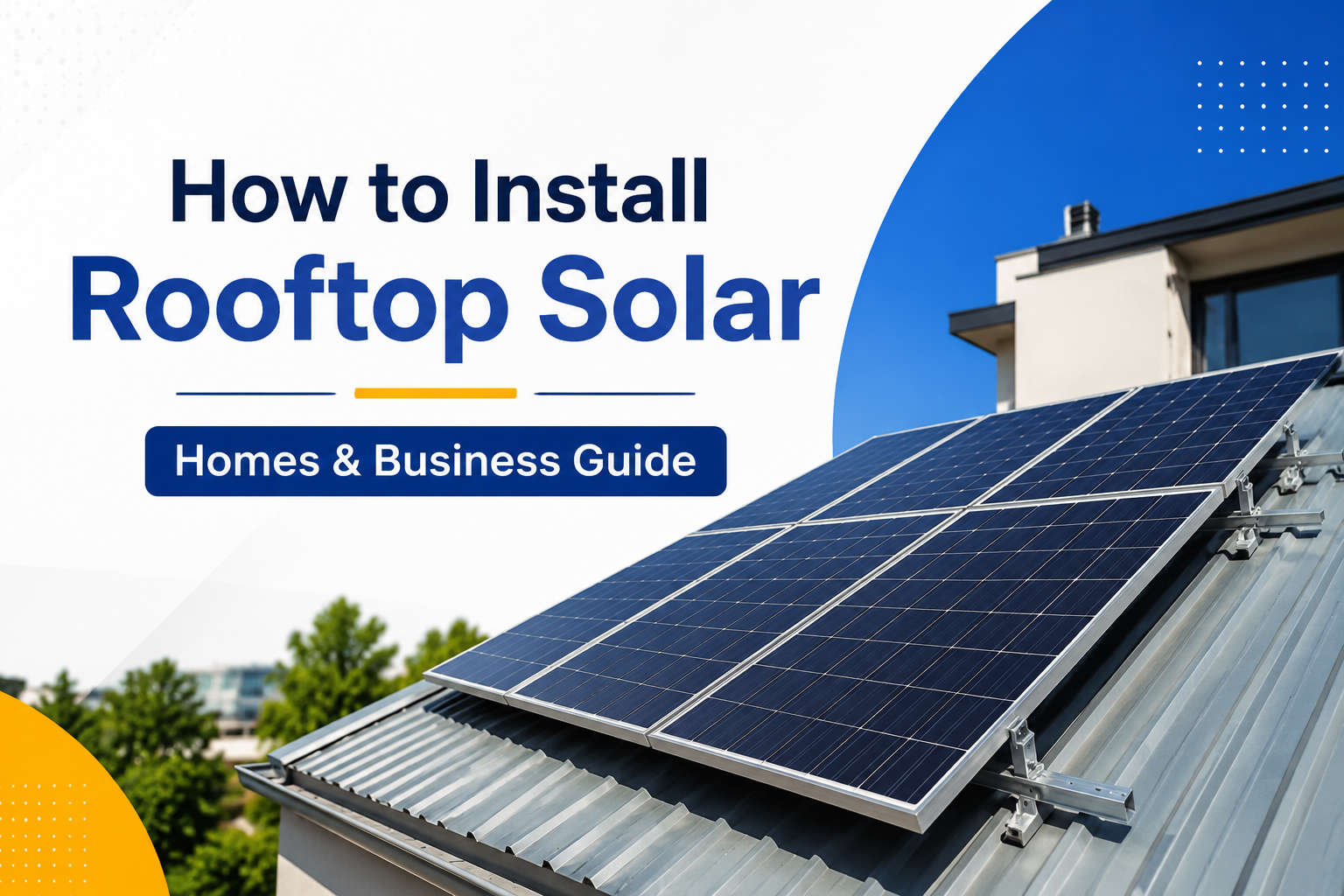
A rooftop solar system isn't just a collection of panels. Several components work together to ensure the system operates safely and efficiently over many years.
Solar Panels
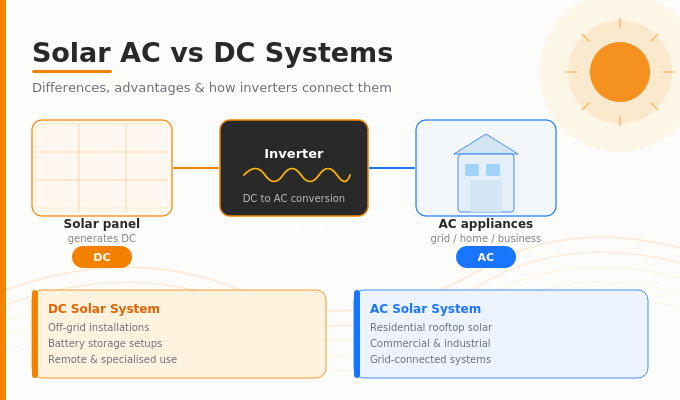
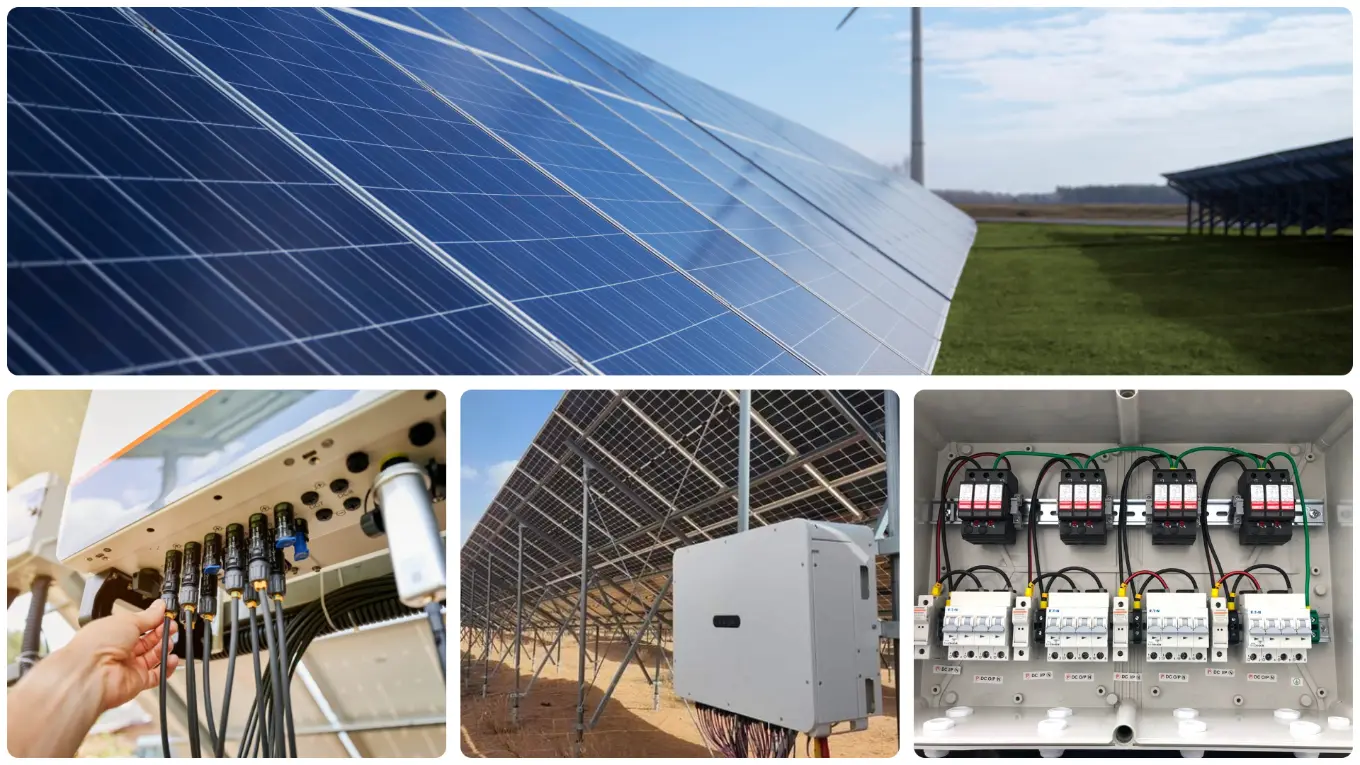
The panels are responsible for converting sunlight into direct current (DC) electricity. Today, monocrystalline panels are commonly preferred because they generate more power from the same roof area than older technologies.
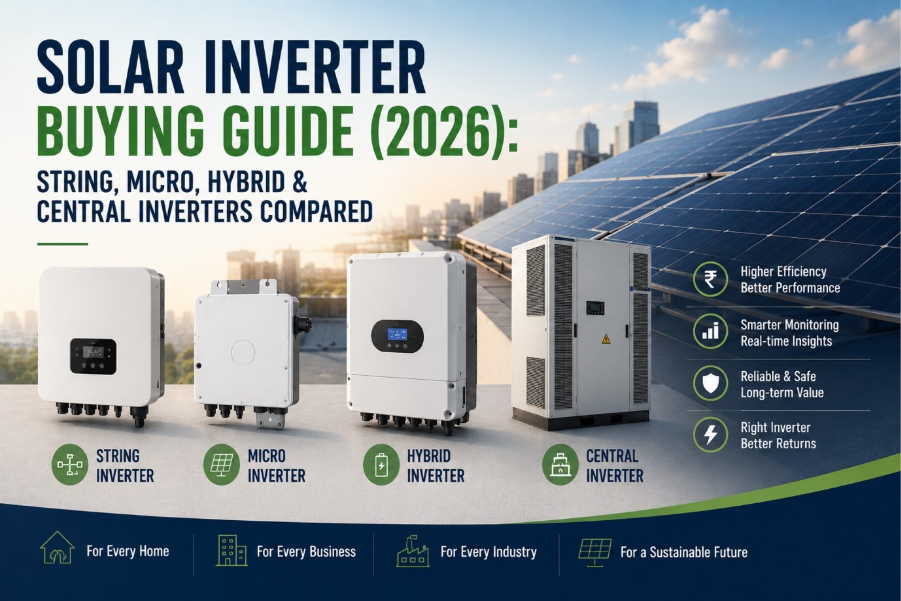
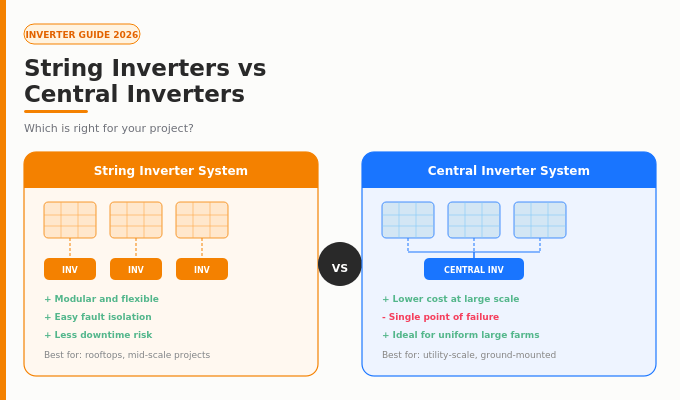
Solar Inverter
If the panels are the engine of the system, the inverter is its control center.
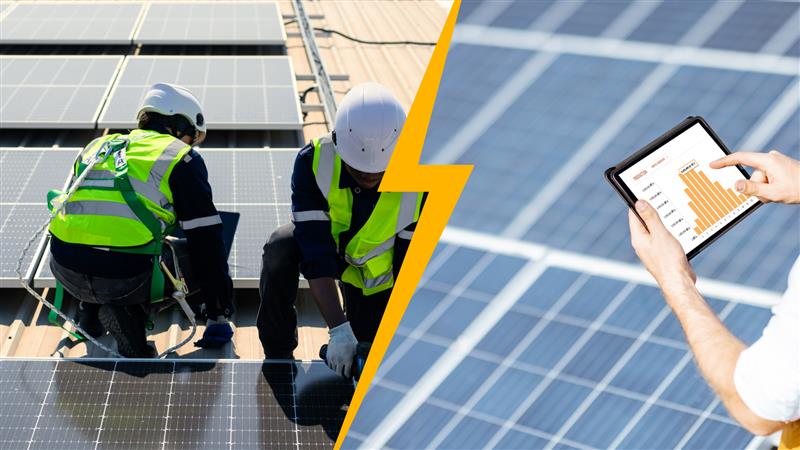
It converts DC electricity into alternating current (AC), which can be used by household appliances. Most modern inverters also allow homeowners to monitor generation through a mobile app or online dashboard.
Mounting Structure
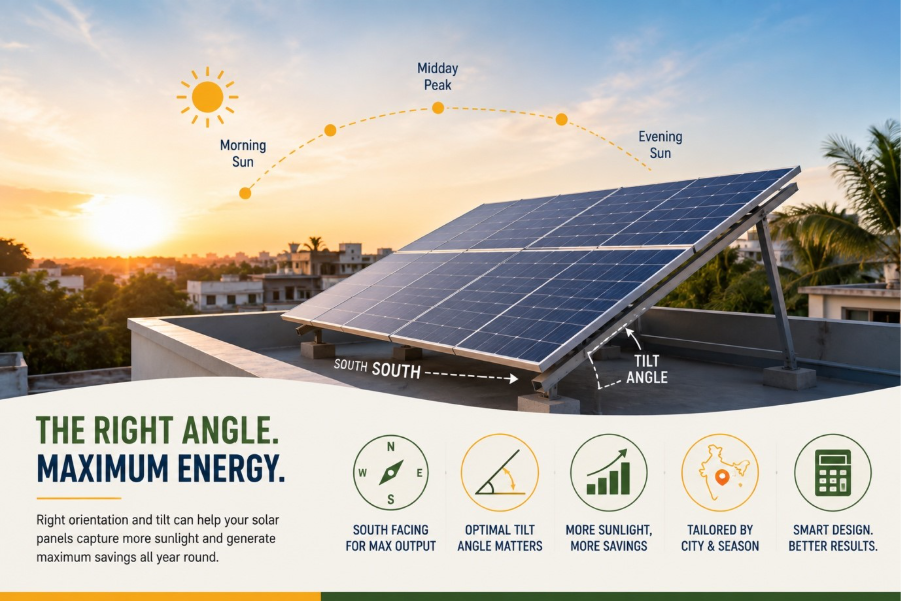
The mounting structure keeps the panels securely fixed to the rooftop while positioning them at an angle that captures maximum sunlight. Quality mounting structures are designed to withstand years of exposure to wind, rain, and changing weather conditions.
Battery Backup (Optional)
Most residential rooftop systems installed today operate without batteries because they remain connected to the electricity grid.
However, households that experience frequent power cuts sometimes choose hybrid systems with battery storage so that essential appliances continue operating during outages.
Net Meter
For an on-grid system, the net meter plays an important role.
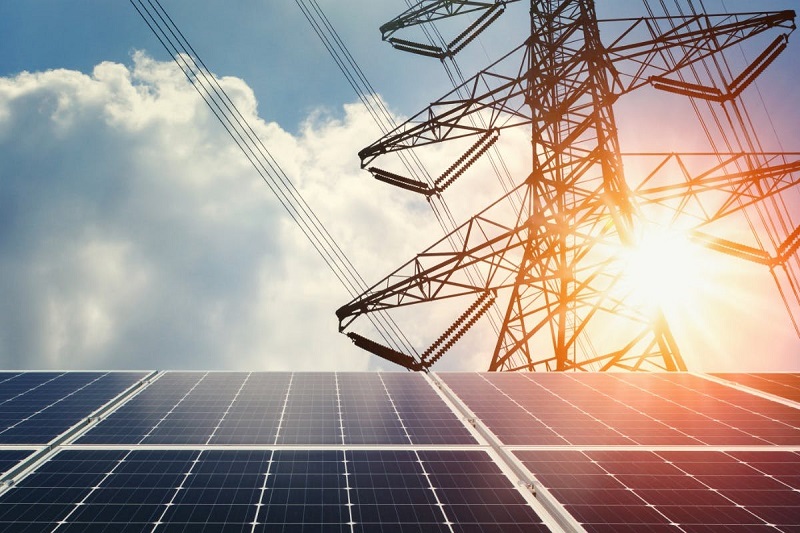
It records electricity flowing both into and out of the property. Whenever the solar plant generates more electricity than the home is consuming, the surplus can be exported to the grid, helping reduce future electricity bills under applicable net metering regulations.
Roof Space Required for a 3kW Solar Panel System
One question that often surprises homeowners is that roof quality matters just as much as roof size.
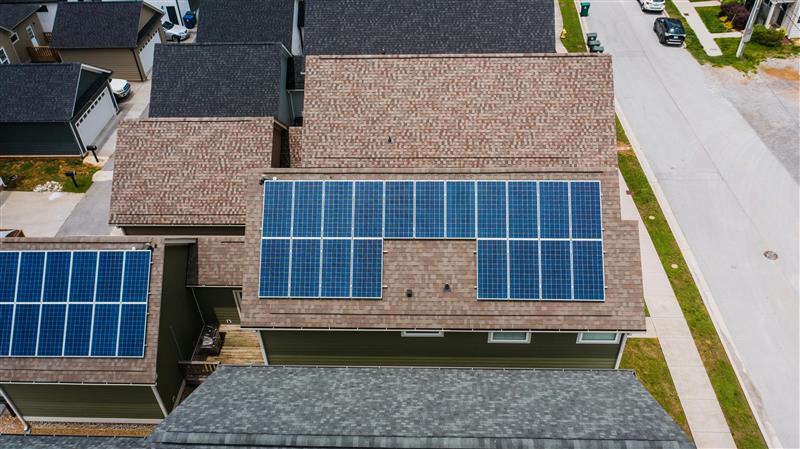
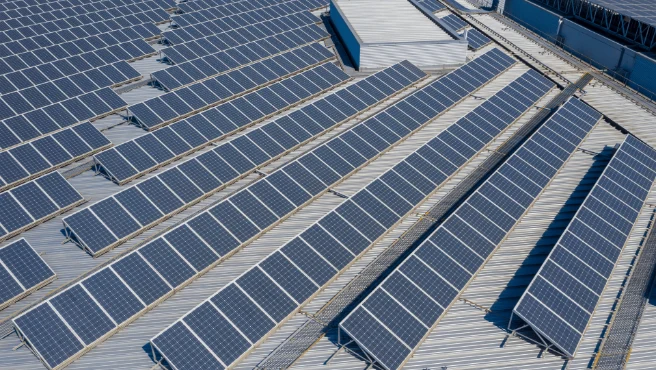
With today's higher-capacity modules, a 3kW solar installation generally requires around 180 to 220 square feet of shadow-free rooftop area.
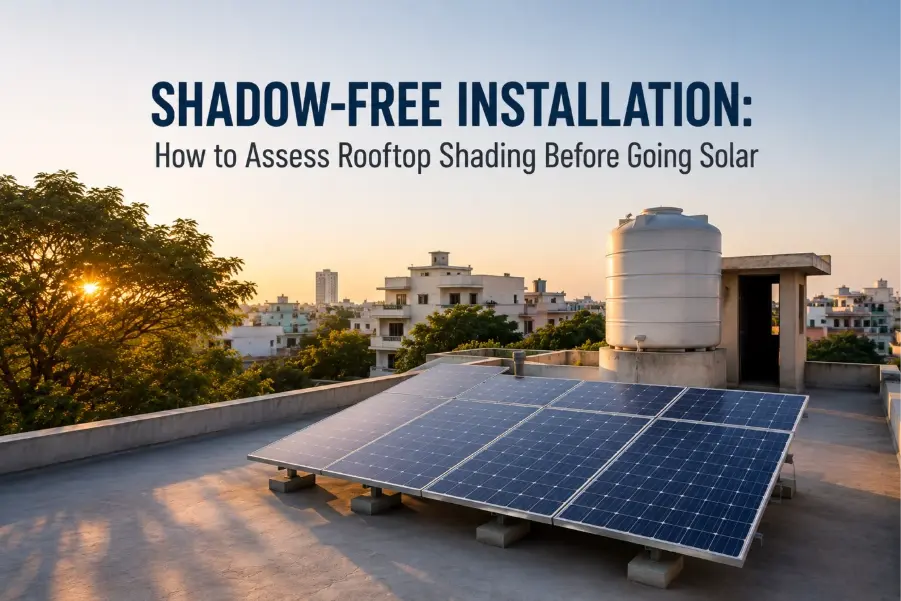
During a site visit, installers don't just measure the available space. They also check whether nearby buildings, trees, or water tanks cast shadows during different times of the day. Even partial shading can reduce generation over the lifetime of the system.
The structural condition of the roof is equally important. A strong, unobstructed rooftop gives installers greater flexibility to position the panels for maximum performance, helping the system produce more electricity year after year.
3kW Solar Panel System Price in India
One of the first things homeowners search online is What is the cost of a 3kW solar system?.
The answer isn't a single number because every installation is slightly different.
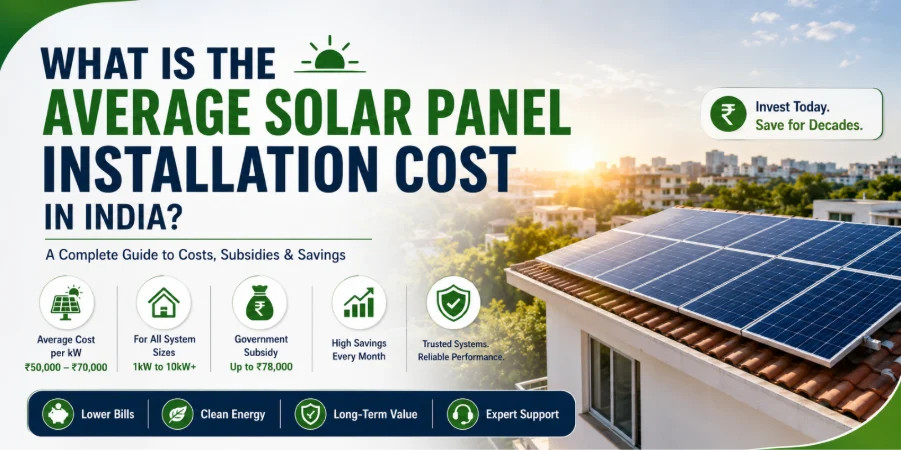
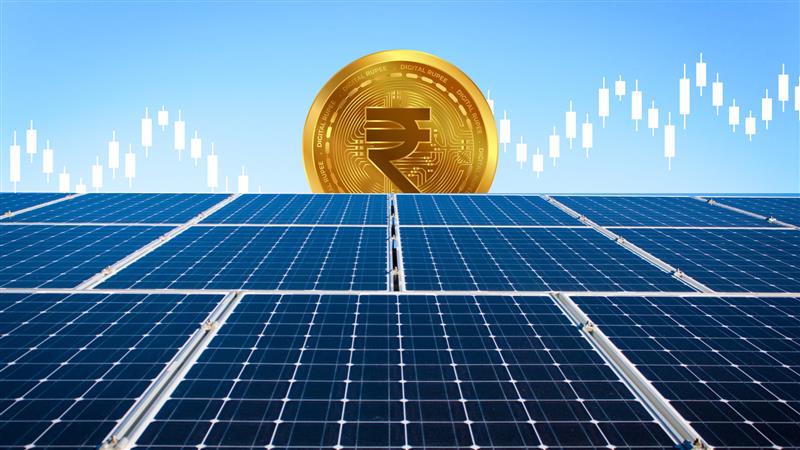
As a general market estimate, the cost of 3kW solar panel systems in India typically falls between ₹1.8 lakh and ₹2.2 lakh before government subsidy. Factors such as panel technology, inverter selection, roof layout, installation complexity, and optional battery storage all influence the final quotation.
For eligible residential consumers, the effective investment can be reduced significantly after applying the Central Financial Assistance available under the PM Surya Ghar: Muft Bijli Yojana, making rooftop solar considerably more affordable than it was just a few years ago.
Installation Cost of a 3kW Solar System
The price you receive from an installer is about much more than just the solar panels.
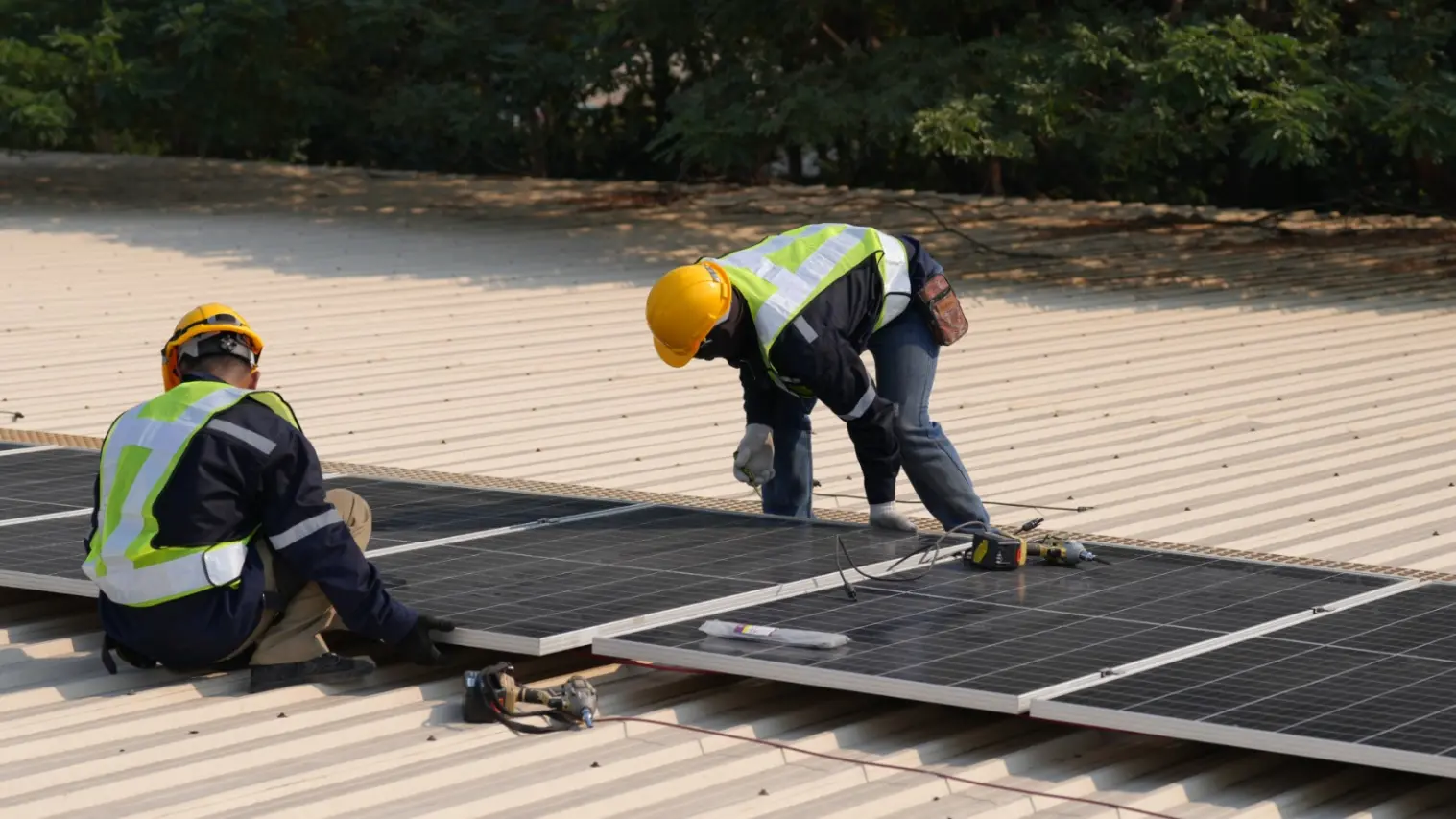
A complete 3kW solar installation includes several components that need to work together efficiently for the next 20 to 25 years. Besides the panels, you're also paying for the inverter, mounting structure, electrical protection equipment, wiring, installation, testing, and commissioning.
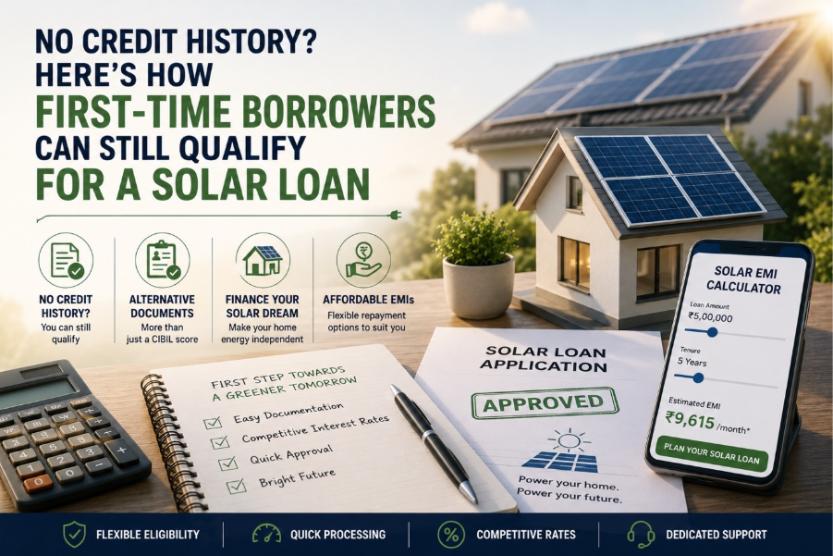
Some homeowners also choose solar roof financing to manage the higher upfront investment associated with hybrid systems, making it easier to install a solution that meets both current and future energy requirements.
When comparing quotations, don't focus only on the lowest number. Two systems may appear similarly priced but differ significantly in panel quality, inverter performance, warranty coverage, and after-sales support. Looking at the complete package usually gives a better picture of long-term value.
Government Subsidy for 3kW Solar Systems
For many homeowners, government support has made rooftop solar considerably more affordable than it was just a few years ago.
Under the PM Surya Ghar: Muft Bijli Yojana, eligible residential consumers can receive Central Financial Assistance (CFA) for grid-connected rooftop solar systems.
The current subsidy structure notified by the Ministry of New and Renewable Energy (MNRE) is:
Even after receiving the subsidy, some homeowners prefer a solar panel loan to finance the remaining project cost and reduce the burden of making a large one-time payment.
For many households, this significantly reduces the effective cost of 3kW solar panel systems.
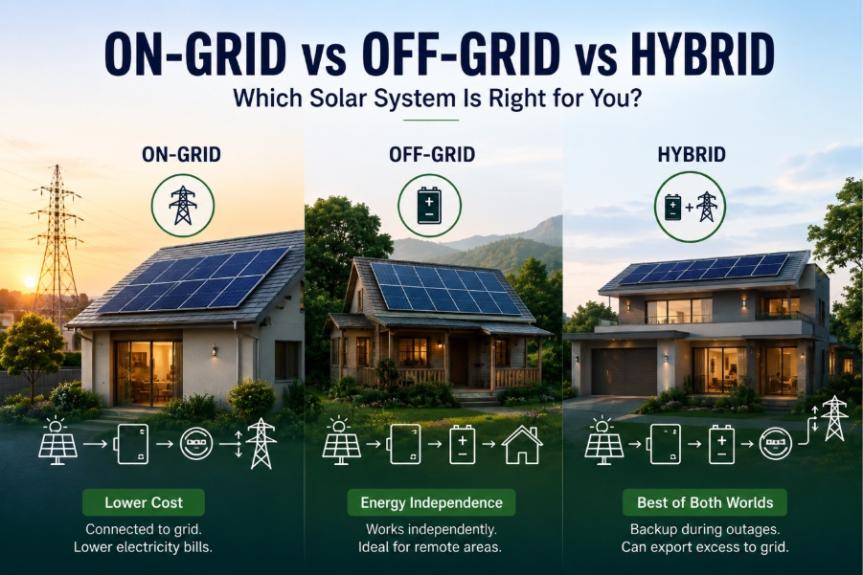
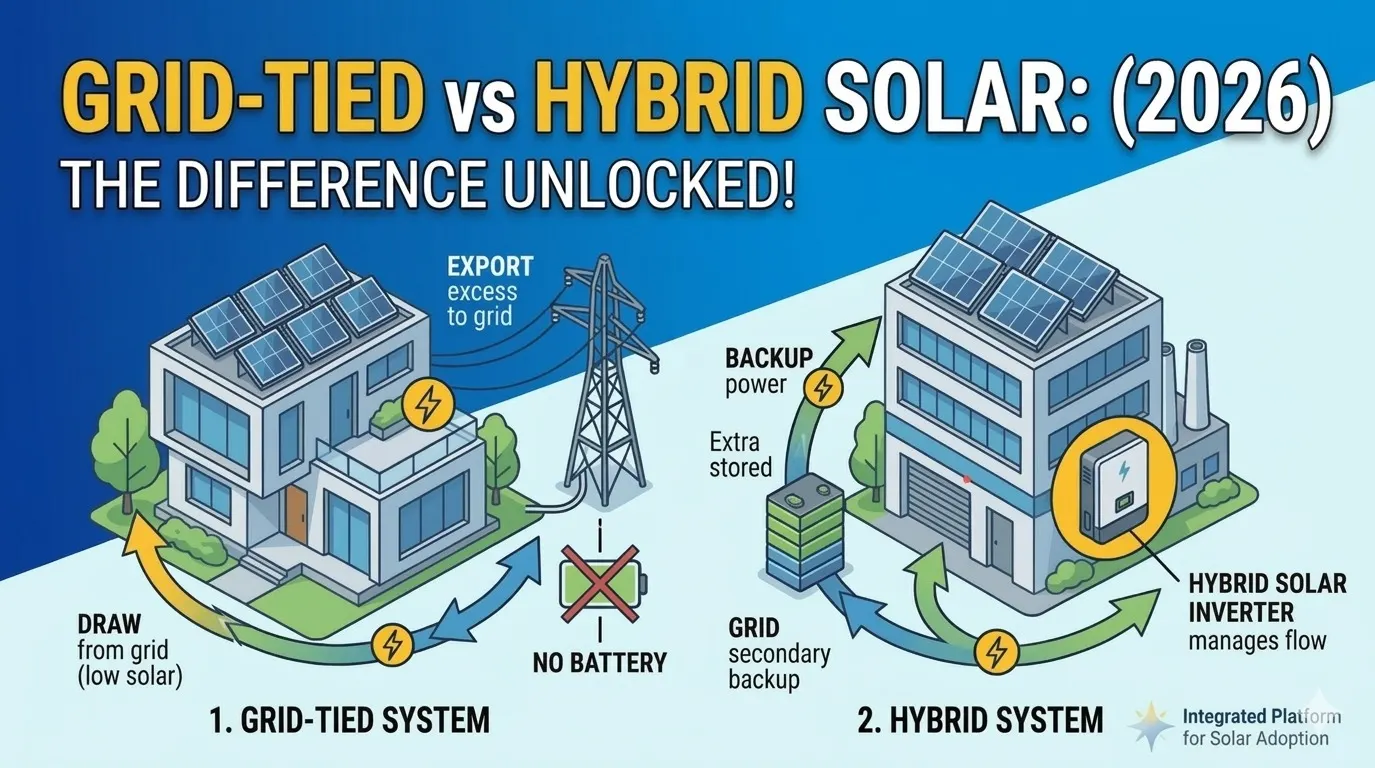
On-Grid vs Off-Grid vs Hybrid 3kW Solar System
Choosing the right system is just as important as choosing the right capacity.
On-Grid System
This remains the most popular option for urban homes.
The solar plant works alongside the electricity grid. During the day, the electricity generated is used within the home, while surplus generation can be exported through net metering. When solar generation isn't enough, electricity is drawn from the grid as usual.
Off-Grid System
Off-grid systems operate independently and rely on battery storage instead of the electricity grid.
They're usually installed in locations where grid supply is unavailable or unreliable.
Hybrid System
A hybrid system combines both approaches.
It remains connected to the grid but also includes battery backup. For homeowners who experience frequent outages, this provides an additional level of reliability while still allowing the system to benefit from grid connectivity.
Benefits of Installing a 3kW Solar Panel System
Ask five homeowners why they decided to install rooftop solar and you'll probably hear five different answers.
Some were looking for lower electricity bills. Others wanted greater energy independence. Many simply wanted to make better use of an empty rooftop.
A 3kW system can help achieve all of these goals.
Lower Electricity Bills
Every unit of electricity generated on your roof is one less unit purchased from the grid. Over time, that reduction becomes visible in monthly electricity bills.
Government Financial Support
The subsidy available under PM Surya Ghar lowers the upfront investment for eligible homeowners, making rooftop solar more accessible.
Long Equipment Life
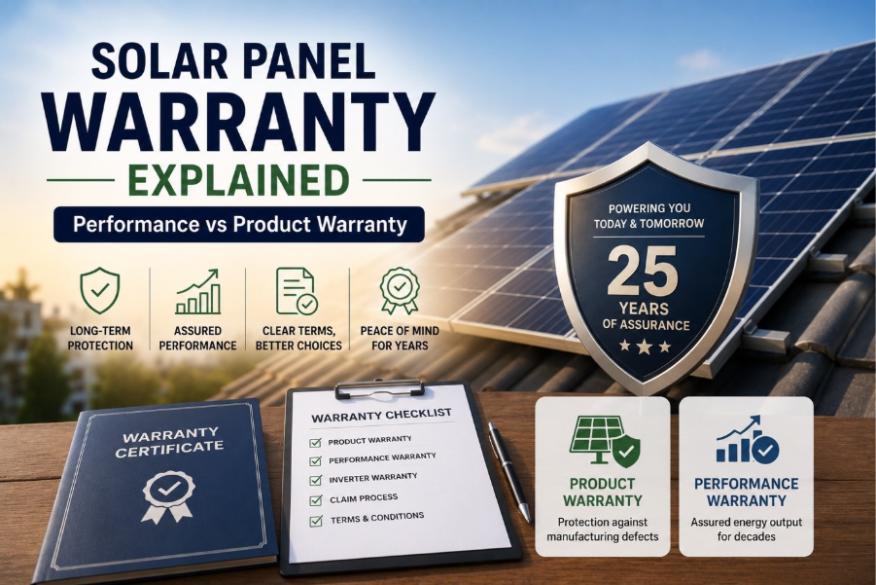
Modern solar panels typically carry long performance warranties and are designed to continue generating electricity for 25 years or more.
Cleaner Energy
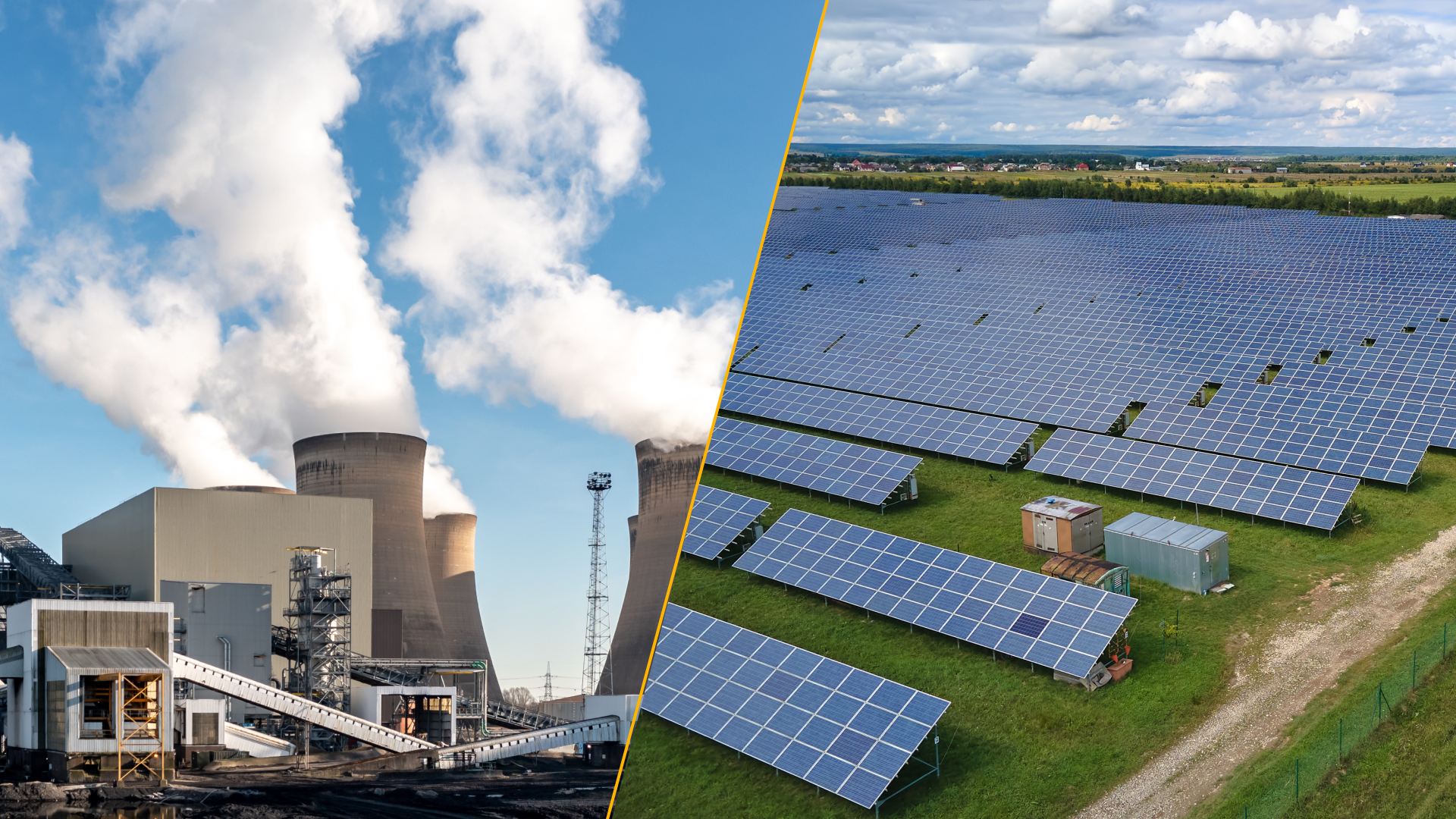
Generating electricity from sunlight helps reduce dependence on conventional power sources while lowering household carbon emissions.
Better Protection Against Rising Tariffs
Electricity prices rarely remain constant. Producing part of your own electricity provides greater control over future energy costs.
Monthly Savings and Return on Investment
Most homeowners don't judge the value of rooftop solar on the day it's installed.
They notice it when the next electricity bill arrives.
A household consuming around 350 to 450 units each month can often see a substantial reduction in grid electricity consumption after installing a properly designed 3kW system.
Exactly how much you save depends on several factors:
- Local electricity tariffs
- Daily consumption patterns
- Solar generation
- Net metering
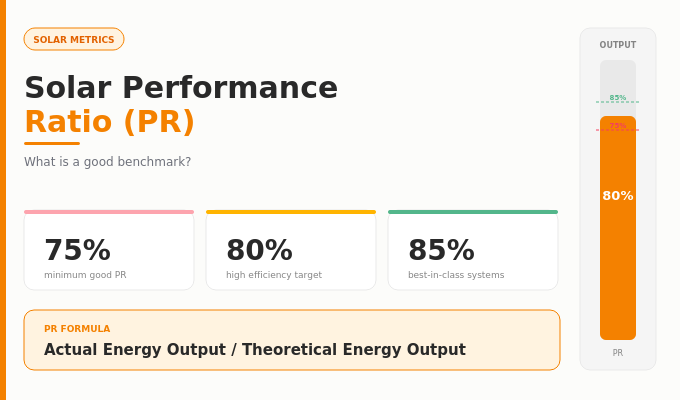
- System performance
Many homeowners use a solar financing calculator before making a decision, as it helps estimate monthly repayments alongside projected electricity bill savings.
For many residential users, the combination of lower electricity bills and the available government subsidy allows the system to recover its cost in approximately 4 to 7 years. Since the panels continue generating electricity well beyond that period, the savings continue long after the investment has been recovered.
Factors That Affect 3kW Solar System Cost
If you've already collected a few quotations, you've probably noticed they aren't identical.
That's because every rooftop presents a different set of requirements.
The overall project cost can vary depending on:
- Panel efficiency and brand
- Inverter technology
- Roof design
- Structural requirements
- Installation complexity
- Location
- Battery storage, if selected
- Product warranties
- Installer experience
Comparing quotations only on price often overlooks these differences. Looking at equipment quality, service support, and expected performance usually leads to a more informed decision.
Things to Consider Before Installing a 3kW Solar System
Before making the investment, spend a little time understanding your home's electricity usage.
Your previous 12 months of electricity bills usually provide the clearest indication of whether a 3kW system is the right size.
It's equally important to evaluate the condition of your roof, available shadow-free space, and future electricity requirements. For example, if you're planning to install an electric vehicle charger or add more air conditioners over the next few years, it may influence the system you choose today.
Finally, remember that rooftop solar is a long-term asset. Choosing reliable products and experienced installers often proves more valuable than selecting the lowest quotation.
How Aerem Helps Homeowners Go Solar
By the time most homeowners have spoken to a few installers, they usually have more questions than when they started.
Many homeowners also spend time comparing different solar loan companies to understand the financing options available before making their final investment decision. Is the lowest quotation really the best value? How much financing will they need after subsidy?
Aerem helps answer those questions by bringing financing, procurement, system design, installation support, and long-term monitoring into a single platform. Instead of evaluating each decision separately, homeowners receive guidance throughout the solar journey, making it easier to compare options and invest with confidence.
Whether you're trying to understand the cost of 3kW solar panel systems or exploring what the cost of a 3kW solar system is after subsidy, Aerem helps simplify the decision-making process with solutions built around your energy needs.












.png)


.png)


.jpeg)
.jpeg)



.jpeg)








.jpeg)
.webp)
.png)
.png)
.png)
.png)
.png)

.png)
.jpg)
