
.webp)

.webp)
.webp)
.webp)


.svg)
.svg)

For most people considering rooftop solar, the conversation starts with one simple question:
How much will I actually save on my electricity bill?
It's a fair question. After all, the decision to install solar isn't just about sustainability; it’s also about reducing a recurring household expense that tends to increase over time.
The good news is that rooftop solar can make a noticeable difference. Depending on your electricity consumption, system size, location, and access to net metering, homeowners can significantly reduce their monthly bills and, in some cases, recover their investment within a few years.
This guide breaks down how solar panel savings work, what influences those savings, and what homeowners can realistically expect in 2026.
How Solar Panels Reduce Electricity Bills
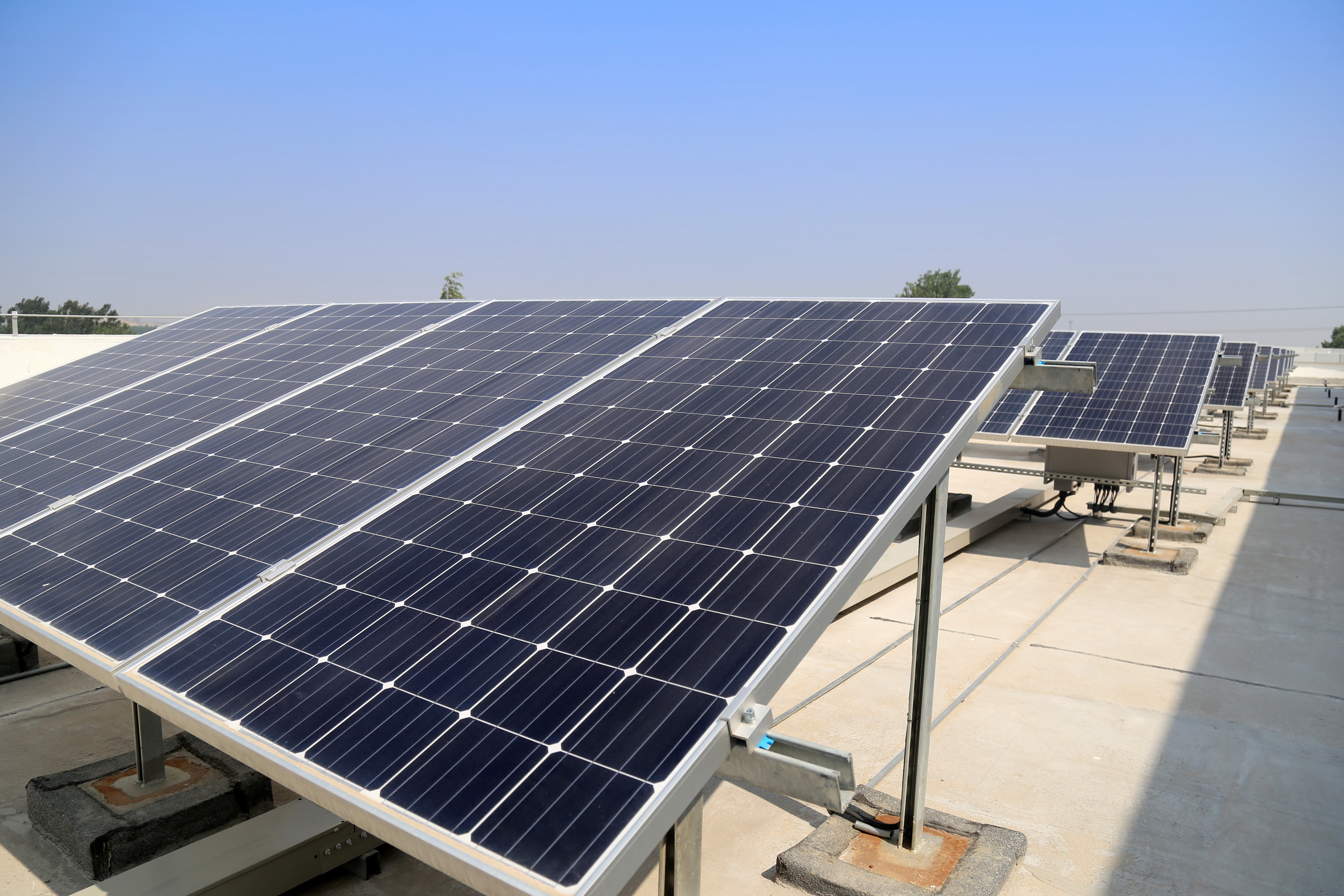
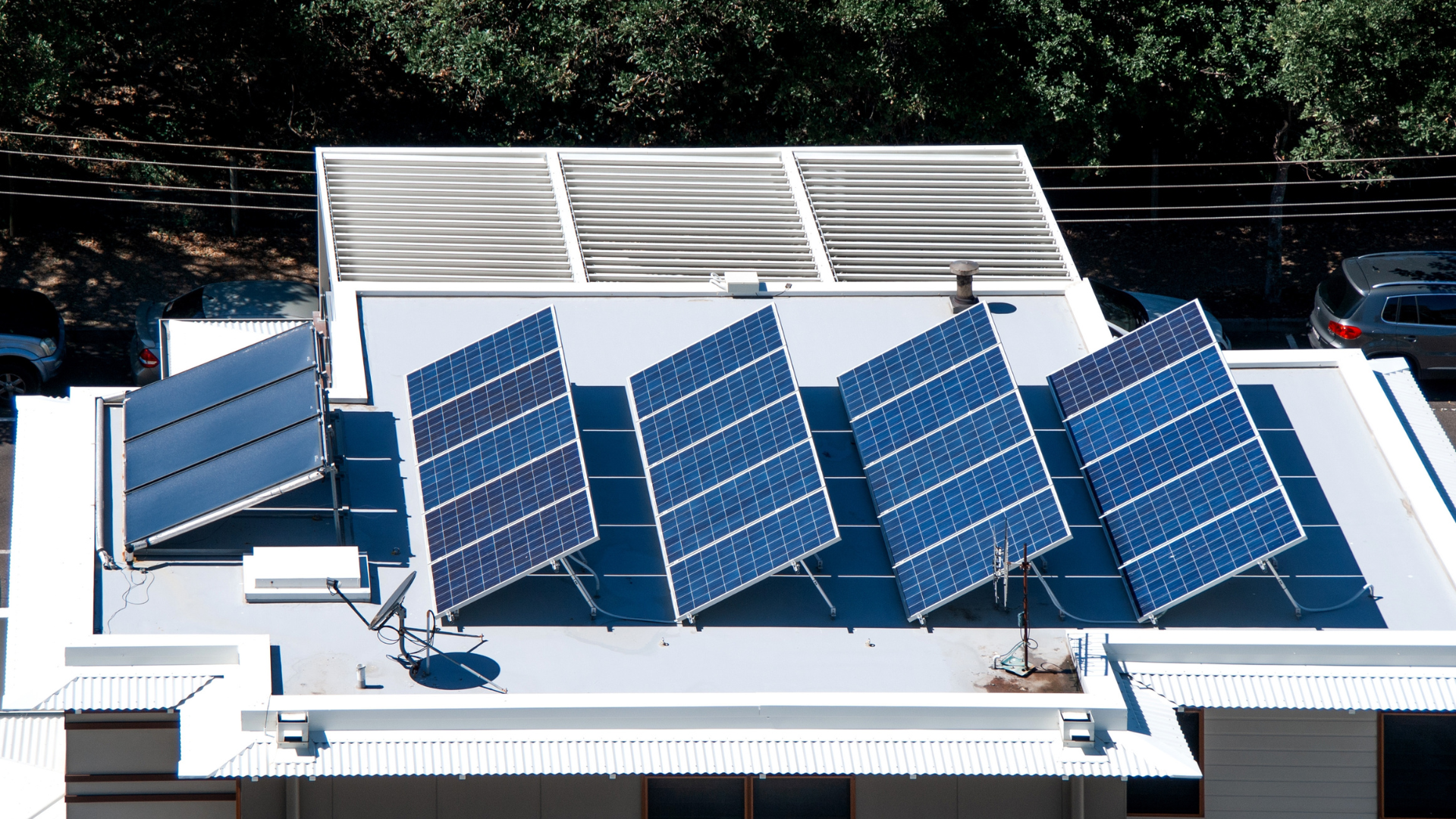
At its core, rooftop solar works by generating electricity from sunlight and allowing you to use that power directly in your home.
During the day, the electricity produced by your solar system can power everyday appliances such as fans, lights, refrigerators, air conditioners, and other household equipment. Every unit generated by the solar system is a unit you don't need to purchase from the grid.
This is exactly how solar panels reduce electricity bill expenses over time.
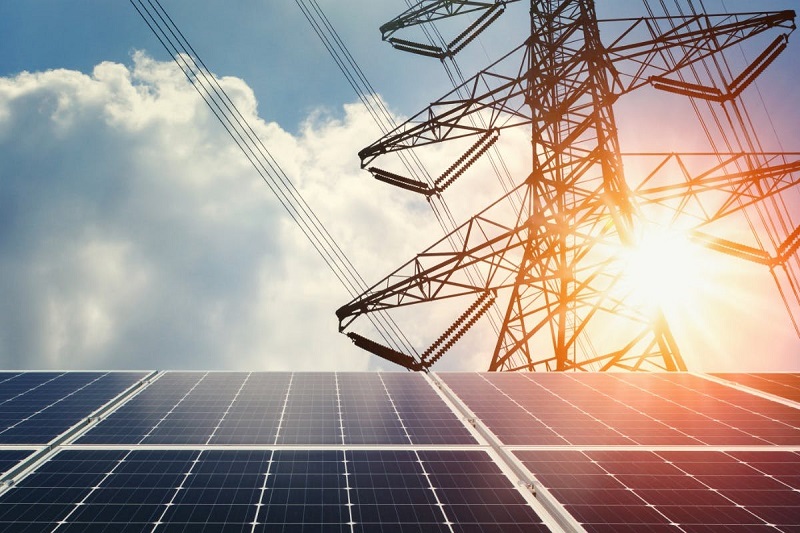
If your system produces more electricity than you're using at a given moment, the excess energy can often be exported to the grid through net metering. Depending on your state's regulations, those exported units can translate into credits that further reduce future electricity bills.
The more effectively your household uses solar-generated electricity, the greater your overall solar power savings are likely to be.
Average Savings in India
There isn't a single savings figure that applies to every household. The amount saved depends on electricity consumption patterns, local tariffs, system performance, and rooftop conditions.
That said, many residential consumers in India report bill reductions ranging from 50% to 90% after installing rooftop solar systems.
For households with higher monthly electricity usage, the impact can be even more significant. Over the course of a year, solar panel electricity savings can add up to tens of thousands of rupees.
As electricity tariffs continue to rise across many states, the long-term value of solar electricity becomes even more apparent.
Factors Affecting Savings
Not every solar installation delivers identical results. Several factors influence the amount of money a homeowner ultimately saves.
Electricity Consumption
Generally, homes with higher electricity usage see larger savings because a greater portion of grid electricity can be replaced by solar energy.
System Size
A larger system can generate more electricity, which often translates into greater solar panel savings. However, the ideal system size should always be based on actual energy requirements rather than simply installing the largest possible capacity.
Location
Solar generation varies depending on sunlight availability. Regions that receive strong sunlight throughout the year tend to generate more electricity.
Electricity Tariffs
The higher your current electricity tariff, the more valuable each unit of solar energy becomes.
Roof Orientation and Shading
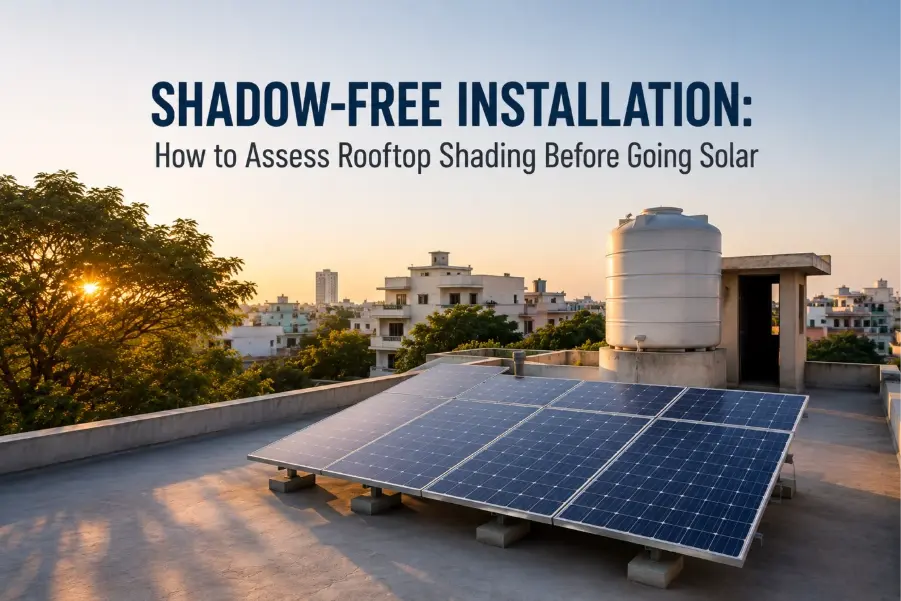
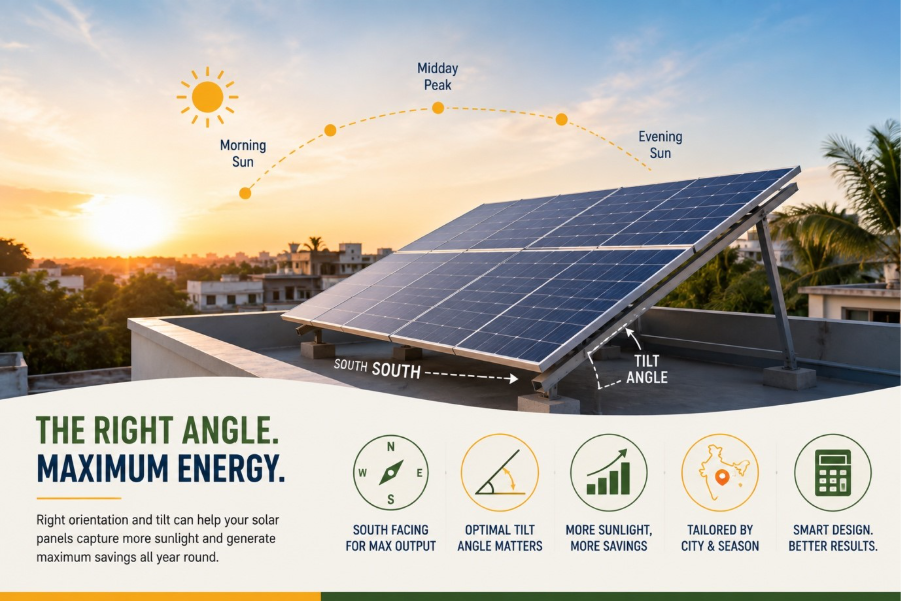
A rooftop with minimal shading and proper panel orientation will generally produce better results and stronger long-term savings.
Net Metering Availability
Net metering plays an important role in maximizing solar power savings because it allows excess electricity to be exported to the grid rather than wasted.
Monthly Savings Calculation Example
Let's look at a practical example.
Consider a household that consumes approximately 450 units of electricity each month and pays an average tariff of ₹8 per unit.
Before Solar Installation
- Monthly Consumption: 450 units
- Electricity Rate: ₹8 per unit
- Monthly Bill: ₹3,600
After Installing a 3kW Solar System
A well-performing 3kW system can offset approximately 350–400 units per month.
- Remaining Grid Consumption: 50–100 units
- Estimated Monthly Bill: ₹400–₹800
Estimated Savings
- Monthly Savings: ₹2,800–₹3,200
- Annual Savings: ₹33,600–₹38,400
These figures are indicative and may vary depending on weather conditions, system performance, seasonal variations, and consumption patterns.
3kW vs 5kW vs 10kW Savings
One of the most important decisions when going solar is selecting the right system size.
3kW Solar System
Typically suitable for small to medium-sized households.
- Generation: Approximately 350–450 units per month
- Potential Annual Savings: ₹30,000–₹45,000
5kW Solar System
Often preferred by larger households with higher daytime electricity usage.
- Generation: Approximately 600–750 units per month
- Potential Annual Savings: ₹55,000–₹75,000
10kW Solar System
Suitable for large homes, institutions, or small commercial establishments.
- Generation: Approximately 1,200–1,500 units per month
- Potential Annual Savings: ₹1 lakh or more
The best system is not necessarily the largest one. It is the one that aligns closely with your electricity consumption and future energy needs.
Role of Net Metering in Savings
When discussing solar panel electricity savings, net metering deserves special attention.
A rooftop solar system doesn't always generate electricity at the exact time you need it. For example, your system may produce surplus electricity during the afternoon when household consumption is low.
Through net metering, that excess electricity can be exported to the grid. In return, you receive credits that offset electricity drawn from the grid later.
Without net metering, some of that excess generation may go unused. With it, every unit generated has the potential to create value.
This is one of the reasons why net metering can significantly improve overall solar panel electric bill savings and accelerate payback.
ROI from Solar Installation
For many homeowners, rooftop solar is as much a financial decision as it is an environmental one.
While installing a solar system requires an upfront investment, the ongoing reduction in electricity bills helps recover those costs over time.
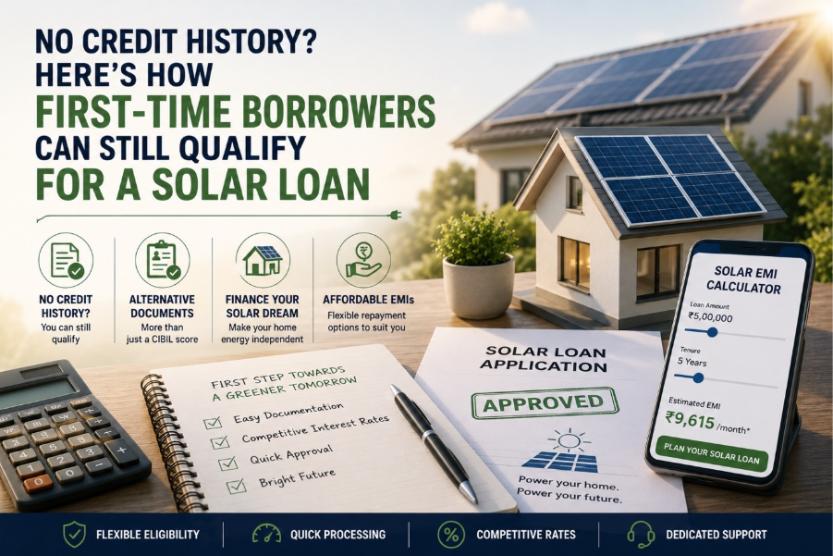
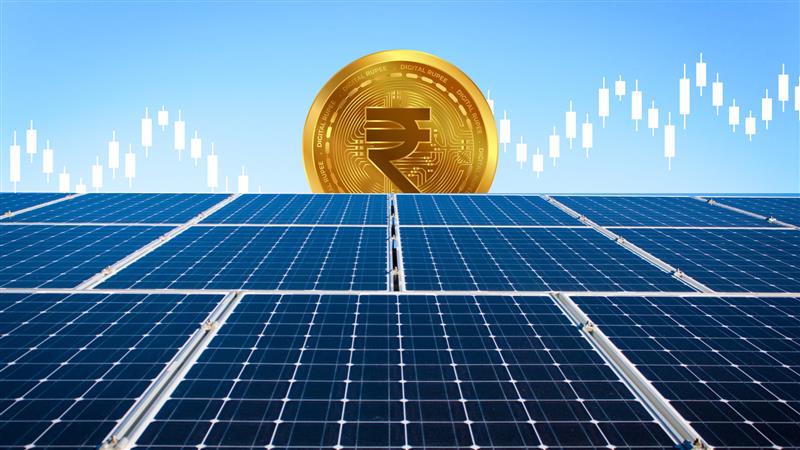
Government subsidies, improving technology, and access to financing have made rooftop solar more accessible than ever before. Today, homeowners and businesses have multiple options for Financing Solar Panels, making it easier to install a solar system without bearing the full upfront cost.
Over the lifespan of the system, the cumulative value of solar electricity generated often far exceeds the original installation cost.
Payback Period Explained
The payback period refers to the amount of time it takes for your savings to equal the initial investment made in the solar system.
For residential installations in India, this period typically ranges between 4 and 7 years, depending on factors such as:
- Installation cost
- Available government subsidies
- Electricity tariff rates
- Annual solar generation
- Net metering benefits
- System performance
Once the payback period is achieved, the electricity generated by the system continues to deliver value for many years, helping households benefit from long-term solar power savings.
Long-Term Financial Benefits
The impact of rooftop solar extends well beyond monthly bill reductions.
Protection Against Rising Electricity Prices
Electricity tariffs tend to increase over time. Solar users are less exposed to these fluctuations because they generate a portion of their own power.
Decades of Energy Savings
Most modern solar panels continue generating electricity for 25 years or more, creating long-term value.
Increased Property Value
Properties equipped with rooftop solar systems are increasingly viewed as attractive and energy-efficient assets.
Reduced Energy Costs
Generating your own electricity helps lower dependence on utility-supplied power and provides greater control over energy expenses.
Businesses looking to reduce operating costs are also increasingly choosing commercial solar financing, allowing them to adopt solar energy with lower upfront investment while benefiting from predictable long-term savings.
Consistent Long-Term Returns
Unlike many investments that depend on market conditions, solar panels savings are linked to something every household already pays for electricity.
Where Aerem Comes In: Maximise Your Savings
Understanding potential savings is only one part of the solar journey. Choosing the right system size, financing structure, equipment, and installation partner can have a significant impact on long-term performance.
For homeowners planning to switch to solar, flexible financing solutions such as solar panel loans in Maharashtra can make rooftop installations more affordable by reducing the initial financial burden while enabling faster adoption of clean energy.
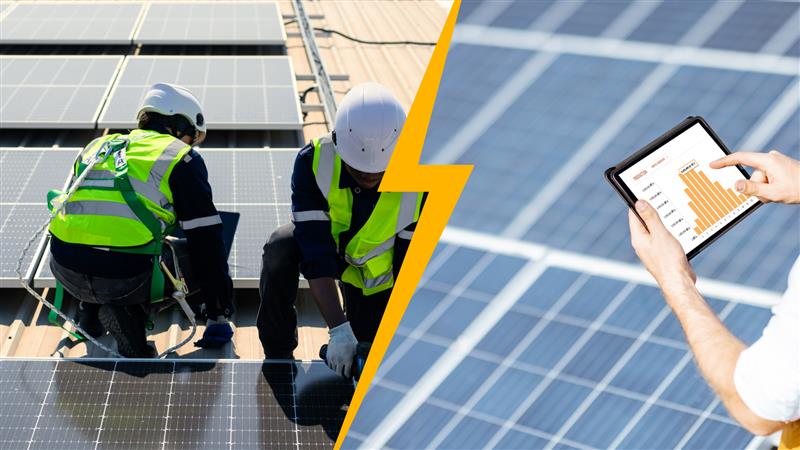
Aerem helps homeowners, businesses, and solar professionals make informed decisions by bringing financing, procurement, design support, installation services, and plant monitoring into a single ecosystem.
Whether you're exploring solar panel electricity savings, comparing financing options, or planning your first rooftop installation, Aerem helps simplify the process so you can focus on achieving meaningful long-term savings.
FAQs
1. Do solar panels eliminate electricity bills?
Not always. The amount saved depends on system size, electricity consumption, and net metering arrangements. However, many homeowners see a substantial reduction in their monthly bills.
2. How much can solar panels save per month?
Savings vary based on usage and system capacity. For many households, monthly savings can range from a few thousand rupees to significantly more.
3. Do solar panels reduce electricity bill costs immediately?
Yes. Once the system becomes operational and starts generating electricity, you begin offsetting grid consumption and reducing electricity costs.
4. Which system size offers the highest savings?
Larger systems generally generate more electricity and can deliver greater savings, provided the household's energy consumption justifies the capacity.
5. Does net metering increase savings?
Yes. Net metering allows homeowners to receive credit for excess electricity exported to the grid, helping maximize solar panel electricity savings.
6. Are solar panels a good investment in 2026?
For many homeowners, rooftop solar remains one of the most effective ways to reduce long-term energy costs, improve energy independence, and generate predictable solar power savings over time.












.png)


.png)


.jpeg)
.jpeg)



.jpeg)









.jpeg)
.png)
.png)
.png)
.png)
.png)
.png)

.png)
.jpg)
