
.webp)

.webp)
.webp)
.webp)


.svg)
.svg)

Introduction
Talk to ten people about rooftop solar, and you'll probably hear ten different opinions.
Some will tell you solar panels stop working during the monsoon. Others will say they're too expensive, need constant cleaning, or only make sense if you live in Rajasthan. Chances are, someone will even warn you that installing solar means drilling holes that ruin your roof.
Many of these ideas have been around for years, even though rooftop solar has changed dramatically. Panels have become more efficient, financing is easier to access, and government support has encouraged more homeowners to make the switch.
If you're still weighing your options, separating fact from fiction is a good place to begin. This article looks at some of the most common solar panel myths India continues to hear and explains what actually happens once a system is installed.
Myth 1: Solar Doesn't Work in Monsoon or Cloudy Weather
This is probably the most common concern homeowners have.
The assumption is simple. If the sun isn't visible, the panels won't generate electricity.
The reality is more encouraging.
Solar panels generate electricity from daylight, not direct sunshine alone. On cloudy days, generation does reduce because less sunlight reaches the panels, but it doesn't stop completely.
During the monsoon, production naturally varies depending on rainfall and cloud cover. At the same time, many parts of India receive excellent solar radiation for the rest of the year, helping offset seasonal variations.
So, does solar work in monsoon? Yes. It simply produces less electricity than it would on a bright summer afternoon.
Myth 2: Solar Panels Require Constant Maintenance
Many people picture rooftop solar as another appliance that needs regular servicing.
In reality, solar panels have very few moving parts.
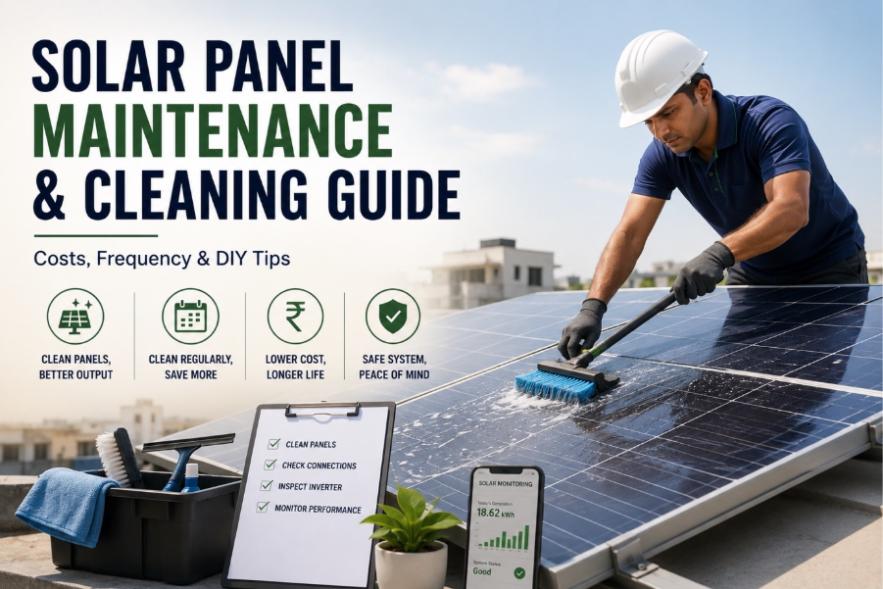
Most homeowners only need to check the panels occasionally and clean them when dust, leaves, or bird droppings begin affecting performance. In many cities, seasonal rainfall also helps wash away loose dust.
Apart from basic cleaning and periodic inspections, modern rooftop systems require relatively little attention over their lifetime.
Myth 3: Solar Is Too Expensive
A decade ago, this concern carried more weight.
Today, the situation looks quite different.
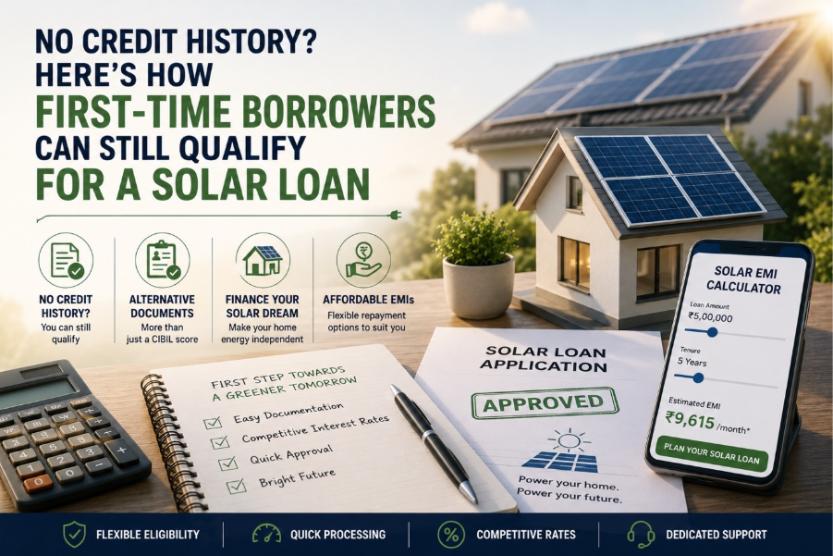
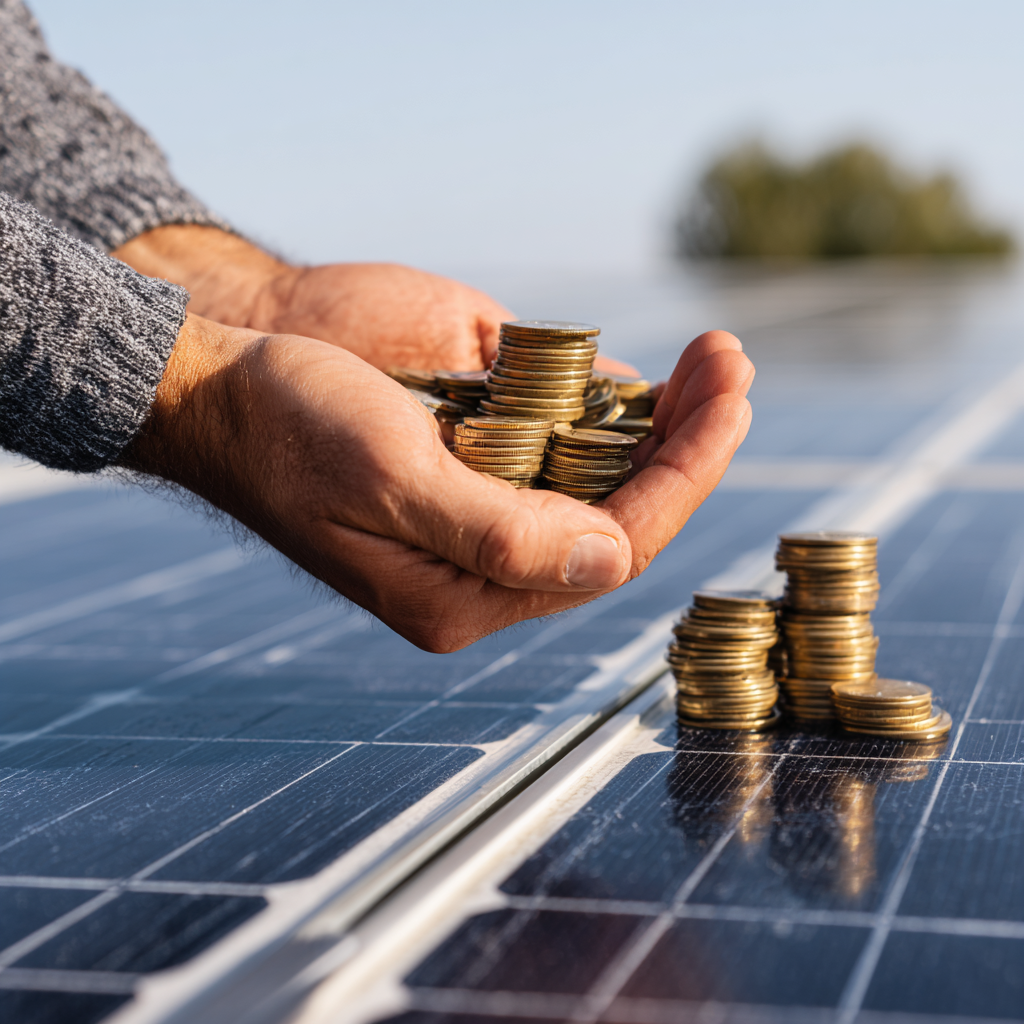
Equipment prices have fallen, residential financing has become more accessible, and government incentives continue to support rooftop solar adoption. Instead of paying the entire amount upfront, many homeowners now spread the investment over manageable monthly repayments.
When electricity savings are considered over the life of the system, rooftop solar often becomes a long-term financial decision rather than simply another household expense. Today, homeowners also have access to flexible solar system financing options that reduce the need for a large upfront investment. This allows families to switch to rooftop solar while spreading the cost into manageable monthly payments.
Myth 4: Solar Panels Damage Your Roof
It's understandable why people worry about this.
After all, the system is mounted permanently on the roof.
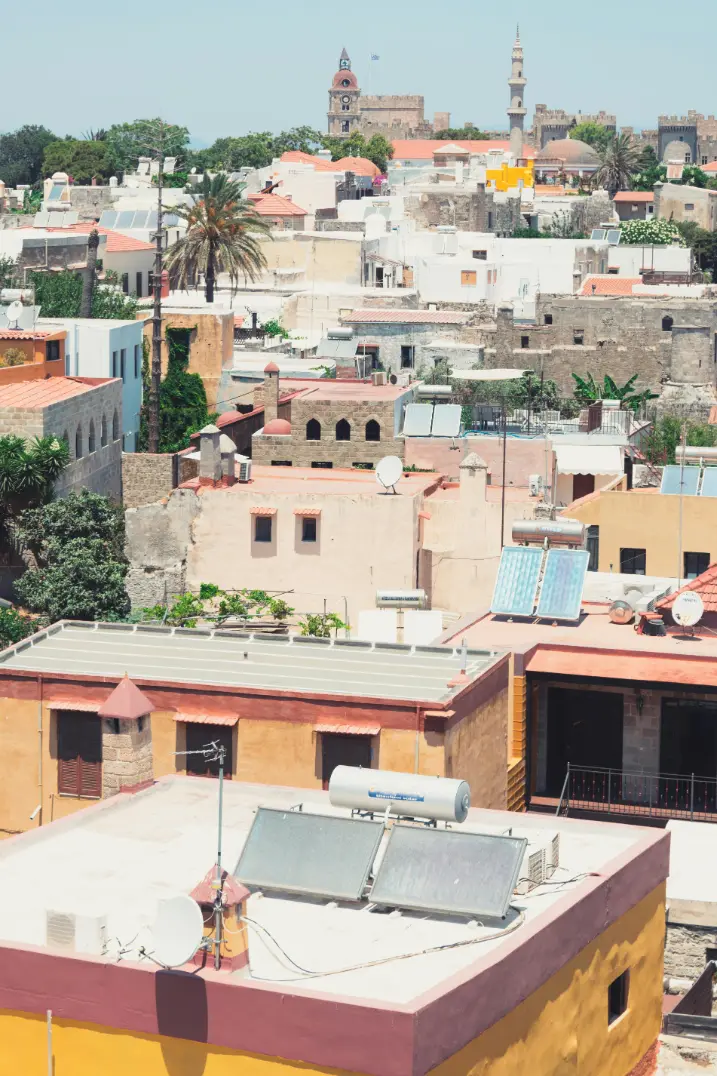
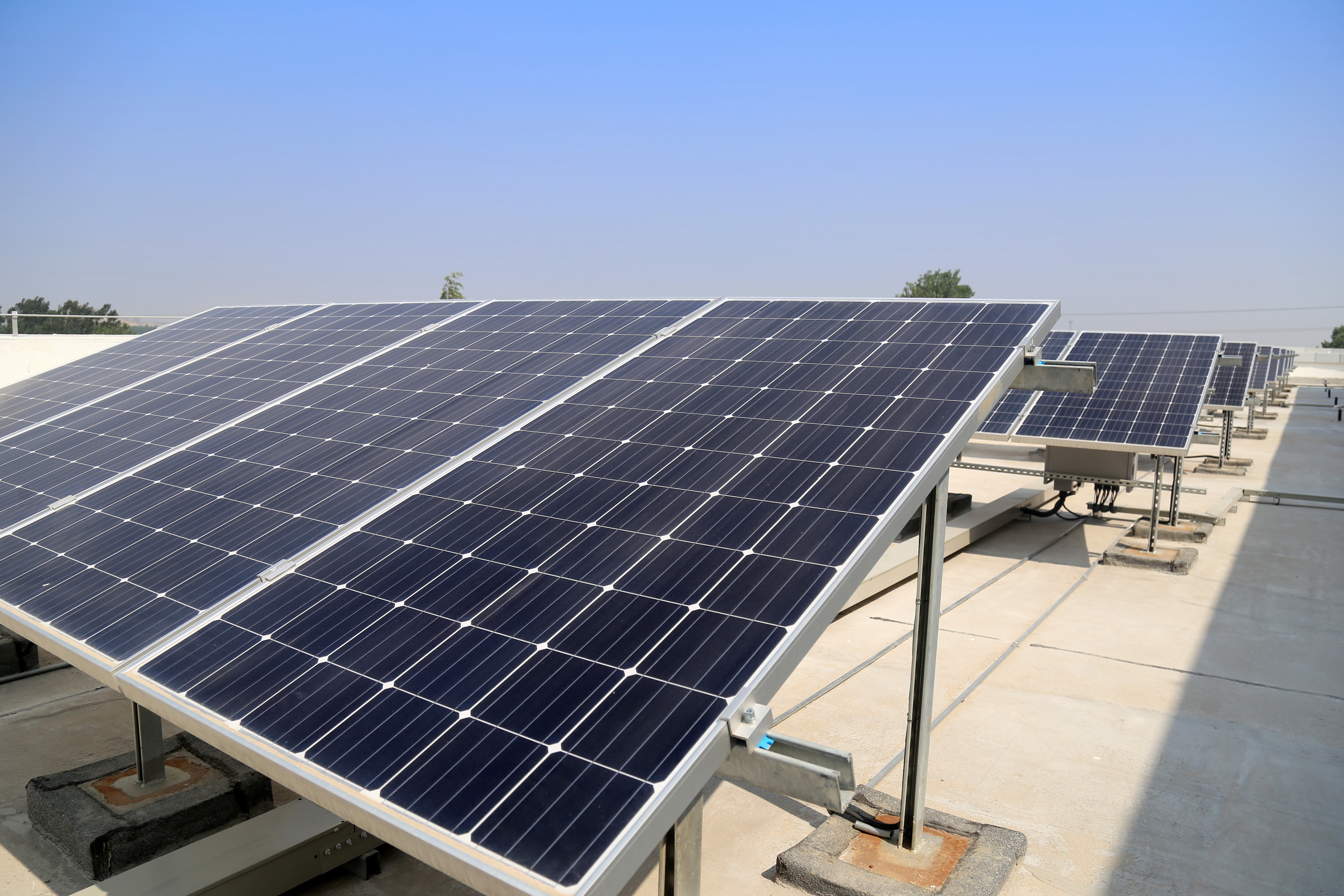
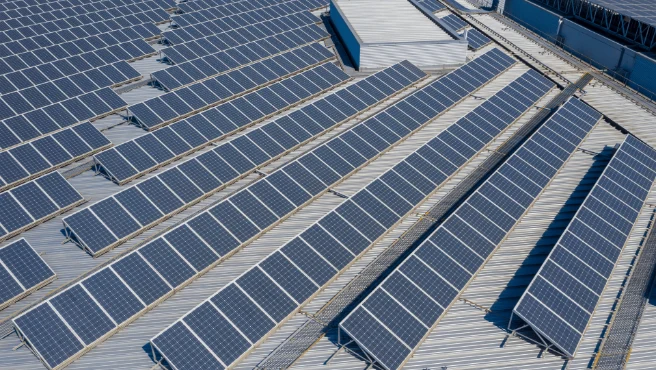
When installed correctly, however, solar panels are secured using engineered mounting structures designed for the roof type. Professional installers carefully plan waterproofing and structural support before installation begins.
In fact, the panels often provide an additional layer of protection by shielding sections of the roof from direct sunlight and harsh weather.
The quality of installation matters much more than the panels themselves, which is why choosing an experienced installer is so important.
Myth 5: Solar Only Works in Sunny States
States such as Rajasthan and Gujarat are well known for their solar potential, but that doesn't mean rooftop solar is limited to those regions.
Cities across Karnataka, Maharashtra, Tamil Nadu, Kerala, West Bengal, and several northern states continue to install residential systems successfully.
Generation naturally varies from one location to another. A rooftop in Jodhpur may produce more electricity over the year than one in Kolkata, but that doesn't mean solar isn't worthwhile elsewhere.
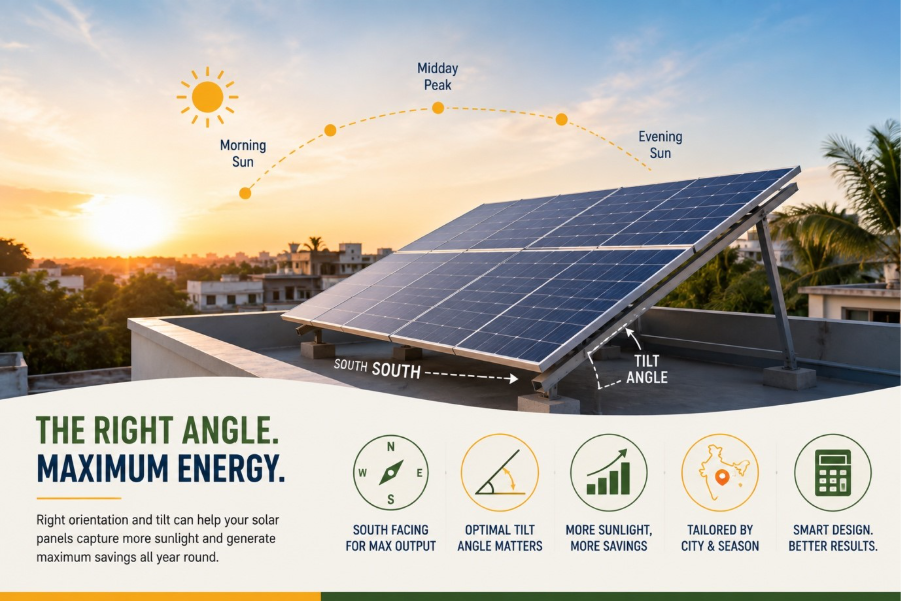
Modern system design takes local weather, annual sunshine, and household electricity consumption into account before recommending the appropriate capacity.
Myth 6: Battery Storage Is Mandatory
A lot of first-time buyers assume that every solar system needs a large battery bank.
That isn't the case.
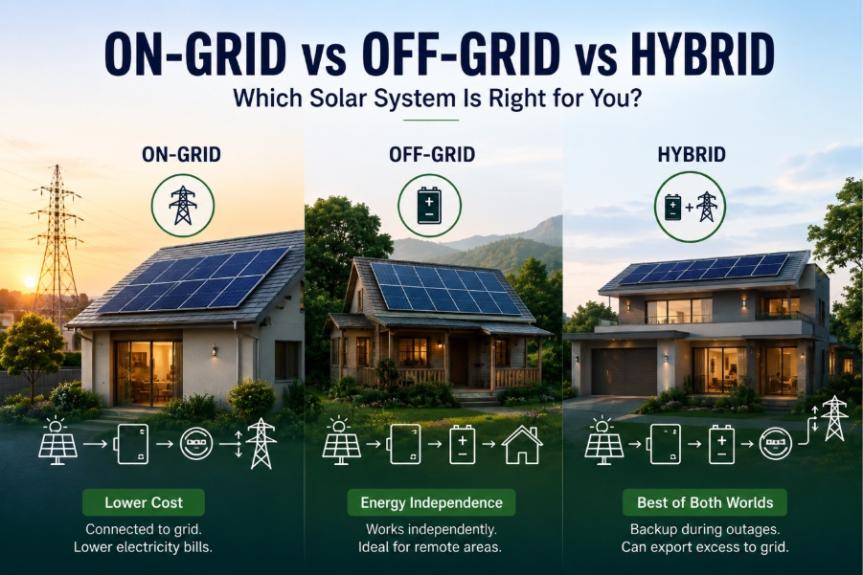
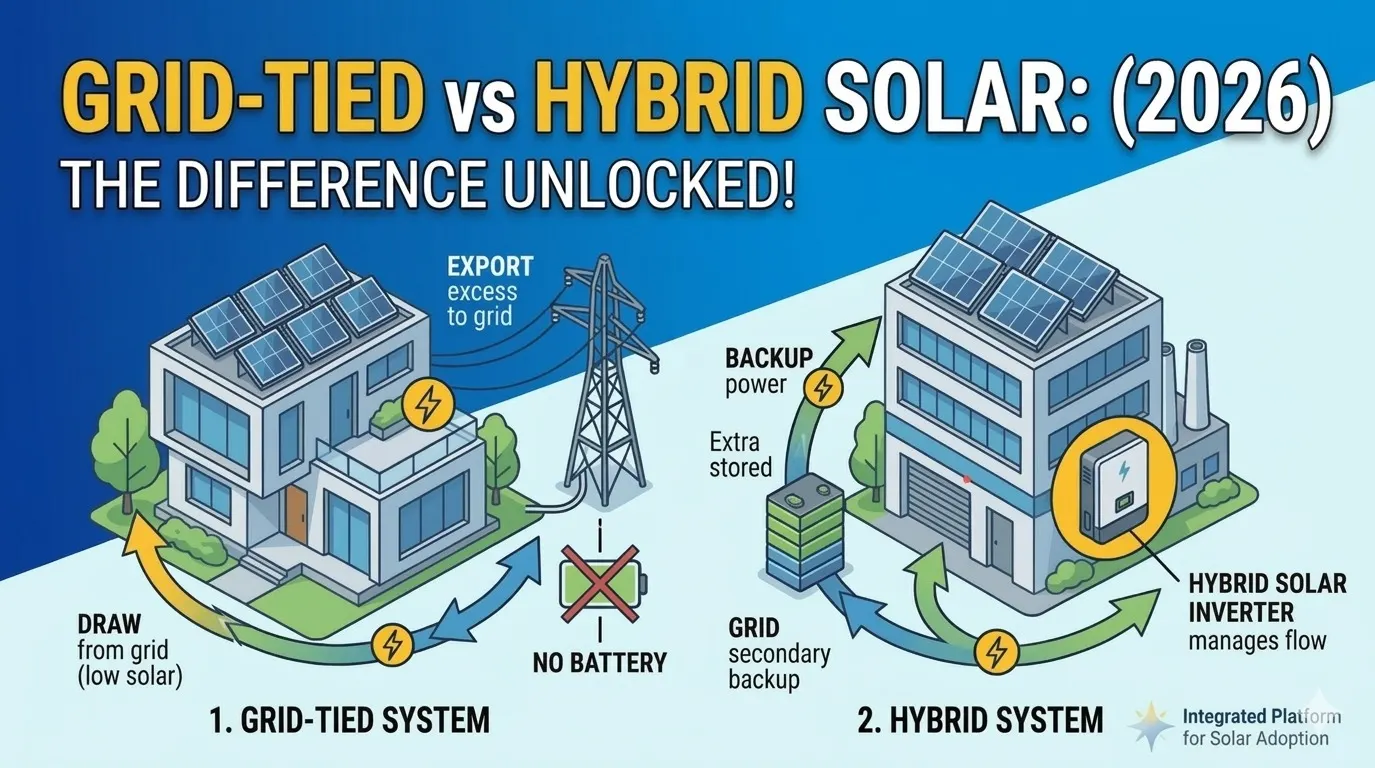
Most residential rooftop systems installed today are on-grid. These systems remain connected to the electricity network and use net metering to export surplus electricity. Since the grid acts as the backup source, batteries aren't necessary for everyday operation.
Battery storage becomes useful if you live in an area with frequent power cuts or if you're installing an off-grid or hybrid system.
For many urban homeowners, skipping batteries actually keeps the project more affordable while still delivering substantial savings.
Myth 7: Solar Panels Have a Short Lifespan
Some people think solar panels need replacing every few years.
Fortunately, modern systems are built to last much longer.
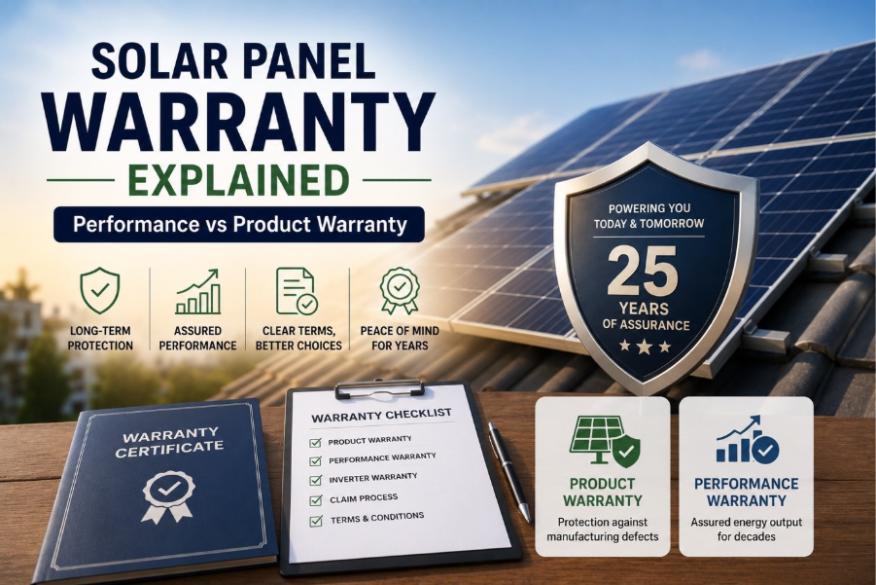
Most reputed manufacturers offer performance warranties of 25 to 30 years, with panels continuing to generate electricity even after that period. Like any technology, efficiency gradually declines over time, but the reduction is slow and expected.
This is one of the biggest misconceptions behind solar panel lifespan myths. A well-installed system isn't designed to be a short-term purchase. It's expected to generate clean electricity for decades.
The inverter usually has a shorter life than the panels themselves, which is why it may require replacement before the panels do.
Myth 8: Installing Solar Is Complicated
If you've never installed rooftop solar before, the process can seem intimidating.
There are approvals, paperwork, installers, inspections, and net metering to think about.
The good news is that most of these steps are handled by your installation partner.
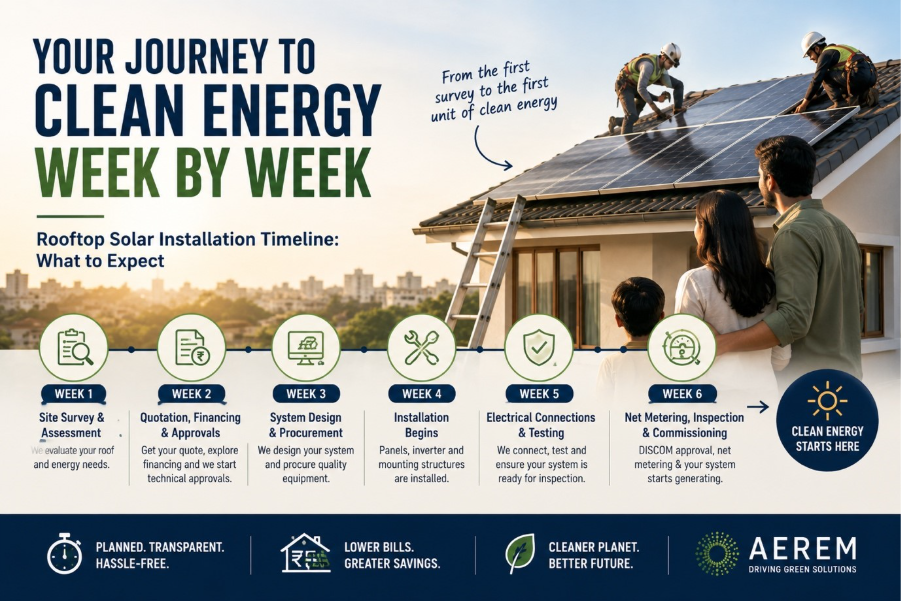
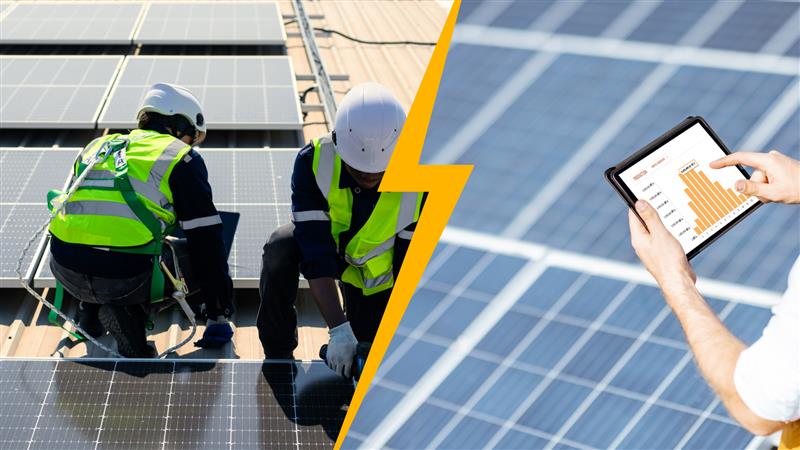
A typical residential project begins with a site survey, followed by system design, installation, DISCOM approvals, and commissioning. For homeowners, the experience is often much simpler than they initially expect because experienced installers coordinate much of the process.
While timelines vary between states and electricity utilities, rooftop solar has become significantly easier to install than it was just a few years ago.
Myth 9: Solar Isn't Worth It Without Subsidy
Government support certainly helps reduce the upfront investment, but it's only one part of the financial picture.
Electricity savings continue for many years after the system has been installed. Even homeowners who don't qualify for subsidies often find that lower monthly electricity bills make rooftop solar financially attractive over the long term.
If you're wondering if solar is worth it in India, the answer depends on several factors, including your electricity consumption, local tariff, roof space, and financing options.
For households with consistently high electricity bills, rooftop solar often makes economic sense even when subsidy isn't the deciding factor.
Myth 10: More Panels Always Mean More Savings
It sounds logical.
If ten panels save money, then fifteen must save even more.
In reality, the right system size depends on how much electricity your household actually consumes.
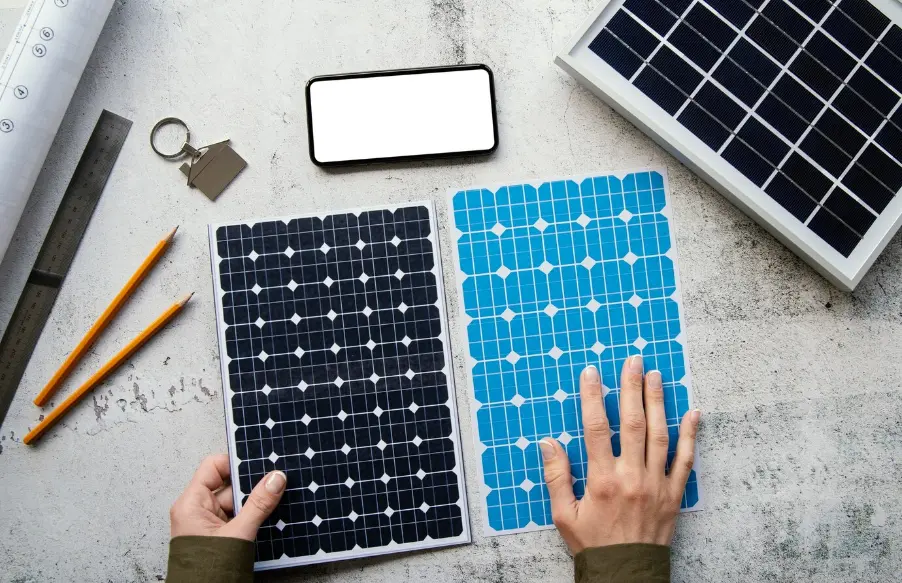
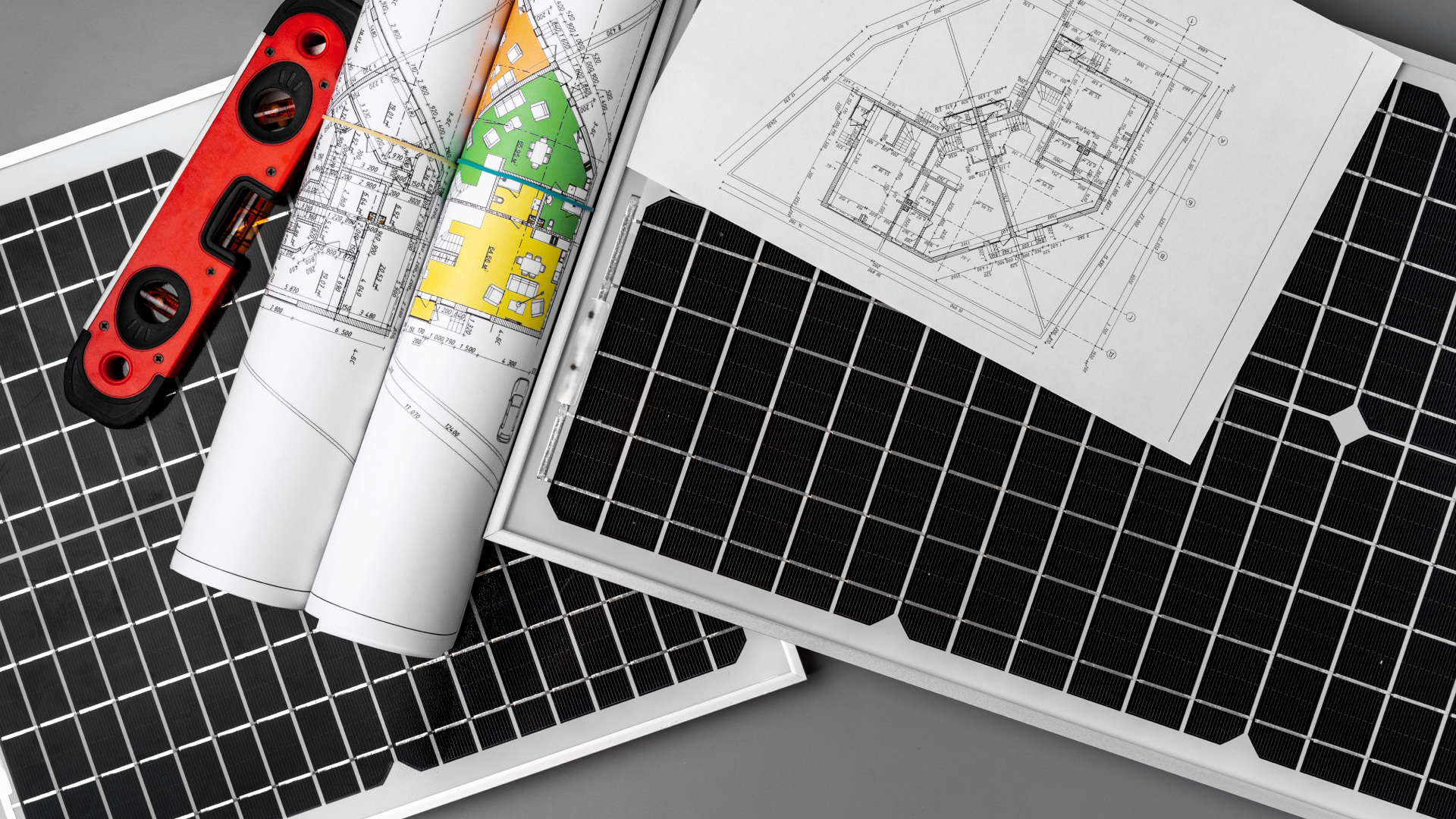
Installing a system that's much larger than your energy requirement may increase the initial investment without delivering proportionately higher financial returns. A carefully sized rooftop system generally provides better value than simply filling every available section of the roof with panels.
That's why installers begin by studying your electricity bills before recommending system capacity.
The goal isn't to install the largest system possible. It's to install the right one.
How Aerem Helps You Separate Facts from Fiction
Many of the myths surrounding rooftop solar come from outdated information or assumptions that no longer reflect today's market.
Aerem helps homeowners make informed decisions by combining expert guidance with practical tools. Whether you're comparing system sizes, exploring solar financing India, or estimating monthly repayments using a solar loan calculator, the focus is on understanding what works for your home rather than relying on hearsay.
Every rooftop is different, and the best decision usually comes from looking at your electricity usage, budget, and long-term goals together.
Conclusion
Rooftop solar has come a long way over the past decade, but many of the conversations around it are still shaped by old assumptions. That's why it's worth taking a closer look at the facts before making a decision.
Cloudy weather doesn't stop a solar system from working. Batteries aren't essential for every installation. Maintenance is usually straightforward, and today's panels are built to generate electricity for decades. Even the financial side has changed, with better financing options making solar accessible to many more households than before.
The easiest way to cut through the noise is to start with your own electricity needs rather than common myths. A system that's planned around your home, your budget, and your consumption is far more valuable than advice based on outdated perceptions.
FAQs












.png)


.png)


.jpeg)
.jpeg)


.jpeg)








.jpeg)
.webp)
.png)
.png)
.png)
.png)
.png)

.png)
.jpg)
