
.webp)

.webp)
.webp)
.webp)


.svg)
.svg)

Introduction
Most homeowners spend time comparing solar panels, inverters, and warranties before making a decision. Surprisingly, one of the biggest factors that affects how much electricity a solar system generates often goes unnoticed.
Shade.
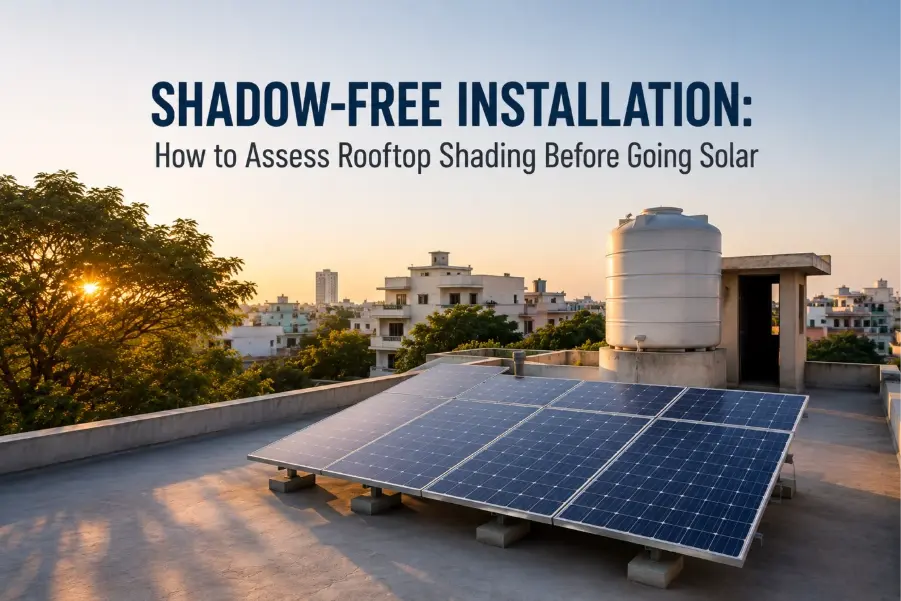
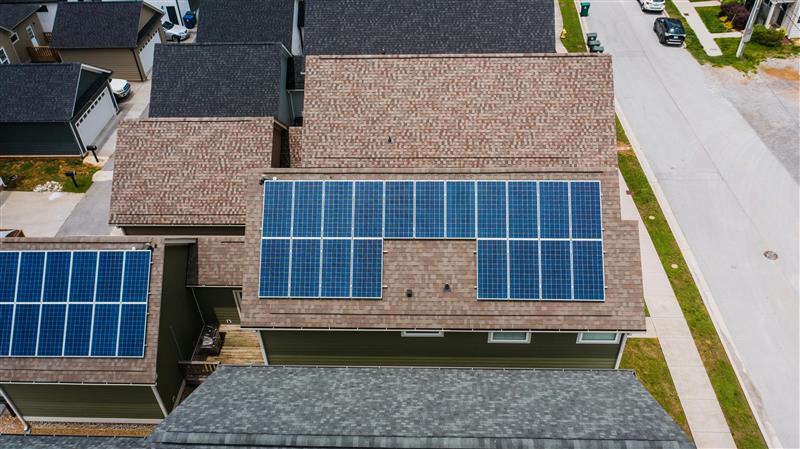
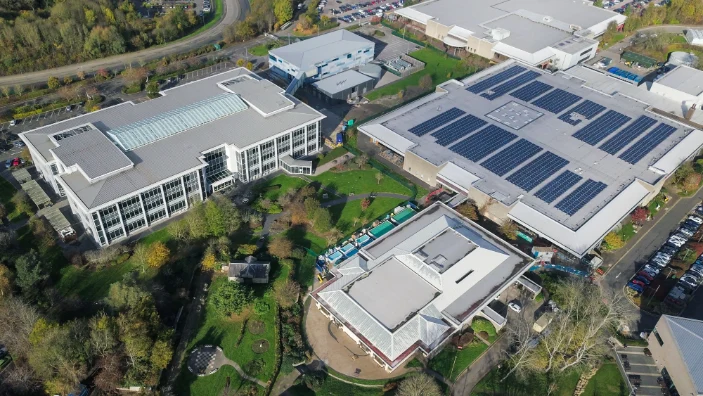
A tree branch, a neighboring building, or even your own rooftop water tank can reduce the amount of sunlight reaching the panels. That doesn't always mean your home isn't suitable for solar. It simply means the system needs to be designed with those conditions in mind.
This is where a proper solar shading analysis rooftop becomes important. Before a single panel is installed, experienced engineers study how sunlight moves across your roof and identify anything that could affect performance.
Let's look at why shading matters and how professionals assess it before installation begins.
Why Even a Little Shade Matters
Think about standing in the sun on a bright afternoon.
The moment you step under a tree, you immediately notice the difference in temperature. Solar panels react in much the same way. They generate electricity by absorbing sunlight, so anything that blocks that sunlight affects how much power they produce.
Many homeowners imagine that only large shadows create problems. In reality, even partial shading during certain hours of the day can influence overall energy generation.
The good news is that modern solar systems are designed with this in mind. The goal isn't to find a roof with zero shade. It's to understand where shade appears and design the system accordingly.
What Causes Rooftop Shading?
Not every rooftop receives uninterrupted sunlight throughout the day.
Some obstructions are obvious, while others only become noticeable during a professional site visit.
Common sources of shading include:
- Large trees.
- Neighboring buildings.
- Water tanks.
- Chimneys.
- Parapet walls.
- Mobile towers.
- Utility poles.
- Rooftop rooms or staircases.
Sometimes, the challenge isn't today's roof but tomorrow's surroundings.
Imagine a newly built home with clear access to sunlight. A few years later, a taller building is constructed next door. Without considering future development, the system could receive more shade than originally expected.
That's why installers also pay attention to possible rooftop obstruction solar installation risks that may develop over time.
How Professionals Check Roof Shading
Homeowners often ask, "How do I know if my roof gets too much shade?"
The simplest answer is through a professional site survey.
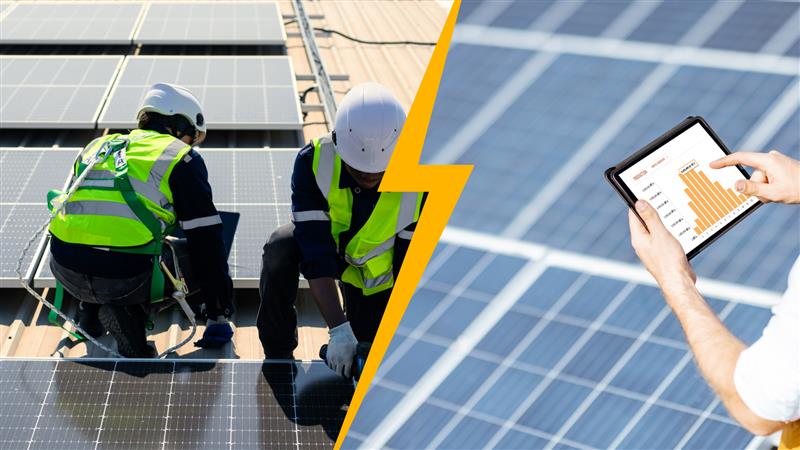
A proper solar site survey shading assessment looks beyond what the roof appears like during a single visit.
During the survey, installers typically examine:
- The direction your roof faces.
- Nearby buildings.
- Trees and vegetation.
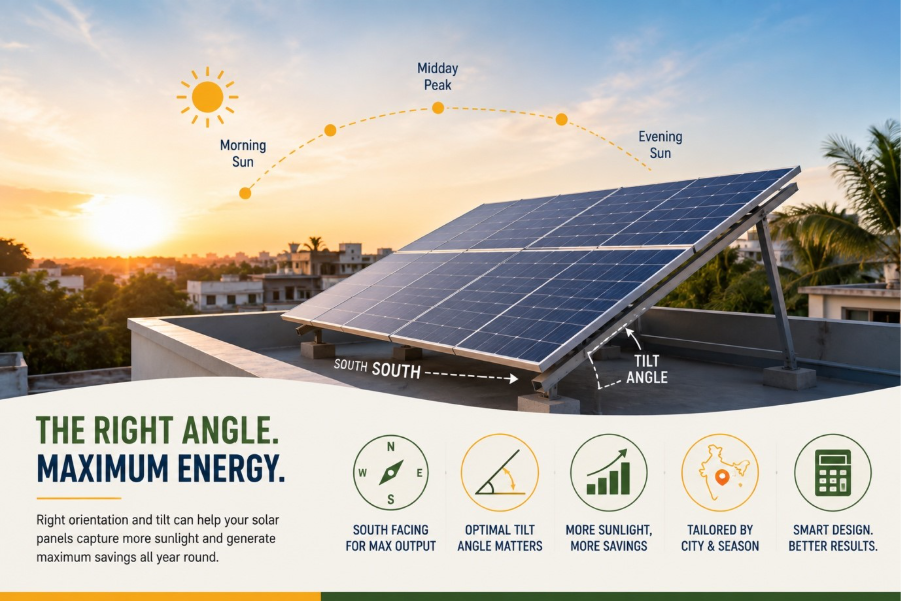
- Seasonal movement of the sun.
- Available installation area.
- Existing rooftop structures.
Many EPC companies also use digital tools to simulate the sun's path throughout the year.
This helps them understand whether a shadow that appears for a few minutes in summer might remain much longer during winter.
If you've ever searched online for how to check roof shading, solar, satellite maps, and sunlight apps can provide a rough idea. A professional survey, however, offers a much more accurate assessment because it combines on-site measurements with software-based analysis.
How Much Can Shade Affect Solar Output?
One question comes up in almost every conversation about rooftop solar.
"Will a little shade really make that much difference?"
The answer depends on where the shade falls, how long it lasts, and the type of solar system being installed.
For example, imagine two homes with identical 5 kW systems.
The first roof receives uninterrupted sunlight throughout the day.
The second roof has a water tank that shades two panels for an hour every afternoon.
Although both homes use the same equipment, their yearly electricity generation is unlikely to be exactly the same.
That's why installers pay close attention to the shadow effect on solar panel output before finalizing the layout.
Modern technologies such as optimizers and microinverters can also reduce the impact of shading in certain situations, making system design even more important.
Seasonal Changes Matter Too
Shadows don't stay the same throughout the year.
The sun follows a different path in winter than it does in summer, which means the length and direction of shadows also change.
A tree that barely affects your roof during May may cast a much longer shadow in December.
Similarly, buildings, rooftop extensions, and even growing vegetation can influence future solar generation.
This is one reason experienced installers don't rely on a single sunny afternoon when planning a project. They look at how the roof is likely to perform across different seasons rather than just one day.
Can Shaded Roofs Still Install Solar?
Absolutely.
One of the biggest misconceptions about rooftop solar is that your roof needs uninterrupted sunlight from sunrise to sunset. In reality, very few homes have completely shadow-free rooftops.
A little shade doesn't automatically rule out solar. It simply means the system needs to be designed more thoughtfully.
For example, if one section of the roof receives shade from a water tank in the afternoon but another section remains sunny throughout the day, the panels can often be arranged to make better use of the available space.
In some cases, installers may recommend technologies like microinverters or power optimizers if shading is expected to affect only a few panels.
The objective isn't to eliminate every shadow. It's to minimize the solar panel shading loss and ensure the system performs efficiently over the long term.
Tips to Reduce Shading Losses
While some sources of shade can't be avoided, many can be planned around during the design stage.
Here are a few practical ways to improve solar performance:
- Install panels in the areas of the roof that receive the most sunlight.
- Keep adequate distance from rooftop structures like water tanks and staircases.
- Trim overgrown branches where appropriate and permitted.
- Consider microinverters or power optimizers if partial shading is unavoidable.
- Leave space for future rooftop additions that may cast shadows.
- Schedule a professional site assessment before finalizing the system design.
Even small adjustments to panel placement can improve energy generation over the lifetime of the system.
Why a Professional Site Survey Makes All the Difference
It's tempting to estimate your roof's solar potential using satellite maps or online tools.
These are useful for getting a rough idea, but they don't tell the complete story.
An experienced solar installation company in india doesn't just look at your roof from above. They visit the site, observe the surroundings, measure available space, and study how sunlight interacts with the property.
During a professional survey, the team also considers factors that homeowners may not notice immediately, such as:
- Seasonal changes in sunlight.
- Nearby buildings that could affect future performance.
- Structural limitations of the roof.
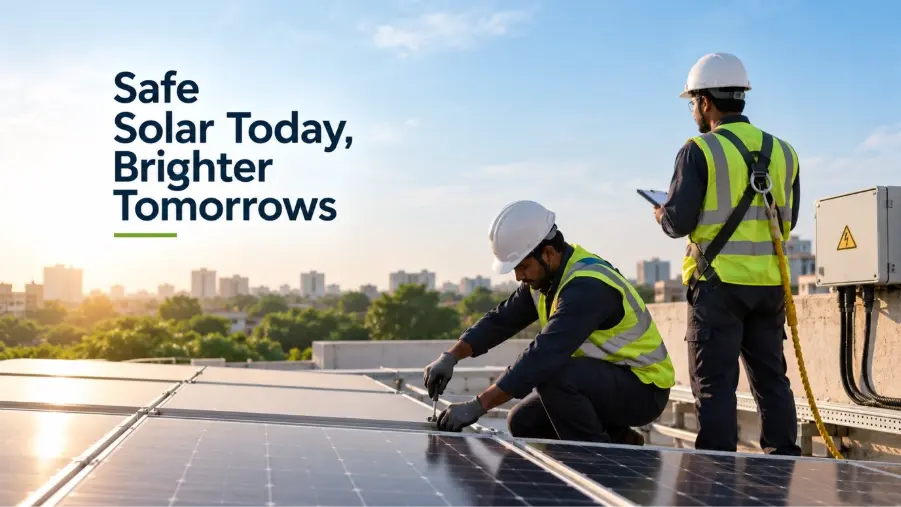
- Safe access for installation and maintenance.
This detailed planning helps avoid surprises after the system has been installed.
For homeowners comparing rooftop solar companies in india, a professional site assessment can also help evaluate how thoroughly different installers account for shading and rooftop conditions.
A good site survey is less about finding problems and more about finding the smartest way to design your solar system.
How Aerem Helps You Get the Most from Your Rooftop
Every rooftop tells a different story.
Some have wide, open spaces with uninterrupted sunlight. Others have water tanks, trees, or neighboring buildings that need to be worked around.
That's why Aerem works with experienced installation partners who begin every project with a detailed site assessment rather than a standard design template.
Instead of recommending the same layout for every home, the focus is on understanding your roof first. From orientation and shading to equipment selection and financing, every recommendation is tailored to help your system generate reliable savings for years to come.
A thoughtful design at the beginning often makes a much bigger difference than homeowners expect.
Conclusion
A rooftop doesn't have to be perfect to be suitable for solar. What matters is understanding how sunlight reaches the roof throughout the day and designing the system around those conditions.
A careful shading assessment helps identify potential challenges before installation begins, reducing the chances of unexpected performance losses later. Whether the obstruction comes from a tree, a neighboring building, or a rooftop structure, thoughtful planning allows installers to make the best use of the available space.
The most successful solar projects don't simply begin with high-quality equipment. They begin with a clear understanding of the roof itself.














.png)


.png)


.jpeg)
.jpeg)



.jpeg)









.jpeg)
.webp)
.png)
.png)
.png)
.png)
.png)
.png)
.jpg)
