
.webp)

.webp)
.webp)
.webp)


.svg)
.svg)

Introduction
If your electricity bills regularly run into thousands of rupees every month, you’ve probably wondered whether a larger rooftop solar system could make a real difference. That’s where a 10kW system often enters the conversation.
It’s a popular choice for large homes, villas, apartment buildings with common loads, and small offices and businesses that consume a substantial amount of electricity during the day. While the investment is naturally higher than a smaller residential system, the savings can also be significant over the long term.
One of the first things most buyers search for is the 10kW solar system price. The answer isn’t as straightforward as a single number because the final investment depends on factors such as the type of panels, inverter technology, roof design, whether batteries are included, and the complexity of the installation.
This guide explains the expected 10kW solar system cost, how government subsidies work, the amount of electricity such a system can generate, and what kind of returns homeowners and businesses can realistically expect.
What is a 10kW Solar System?
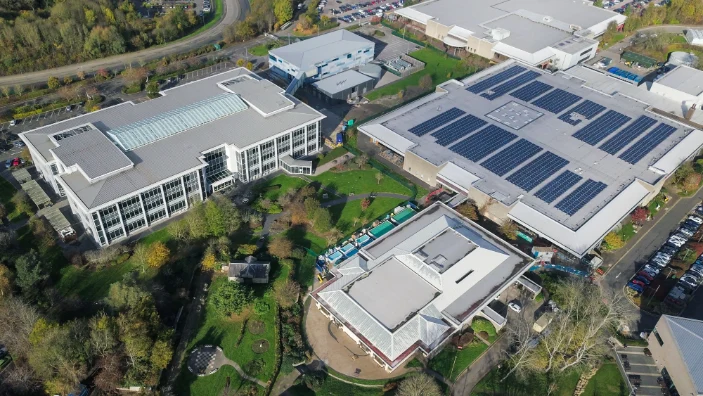
Think of a 10kW system as a small power station sitting on your rooftop.
Under ideal conditions, it has a maximum generation capacity of 10,000 watts. In practical terms, it’s designed for properties with higher electricity consumption than a typical household.
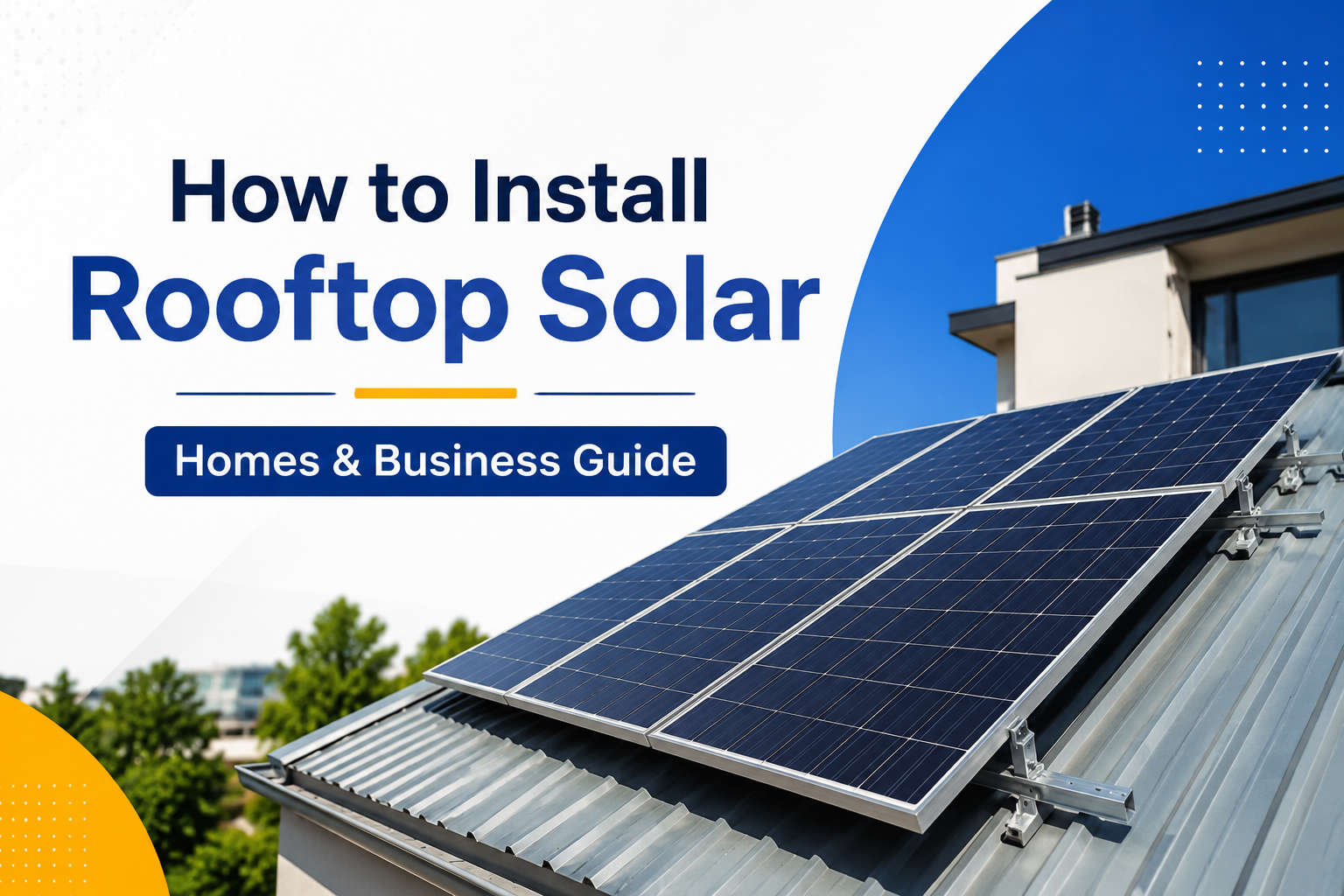
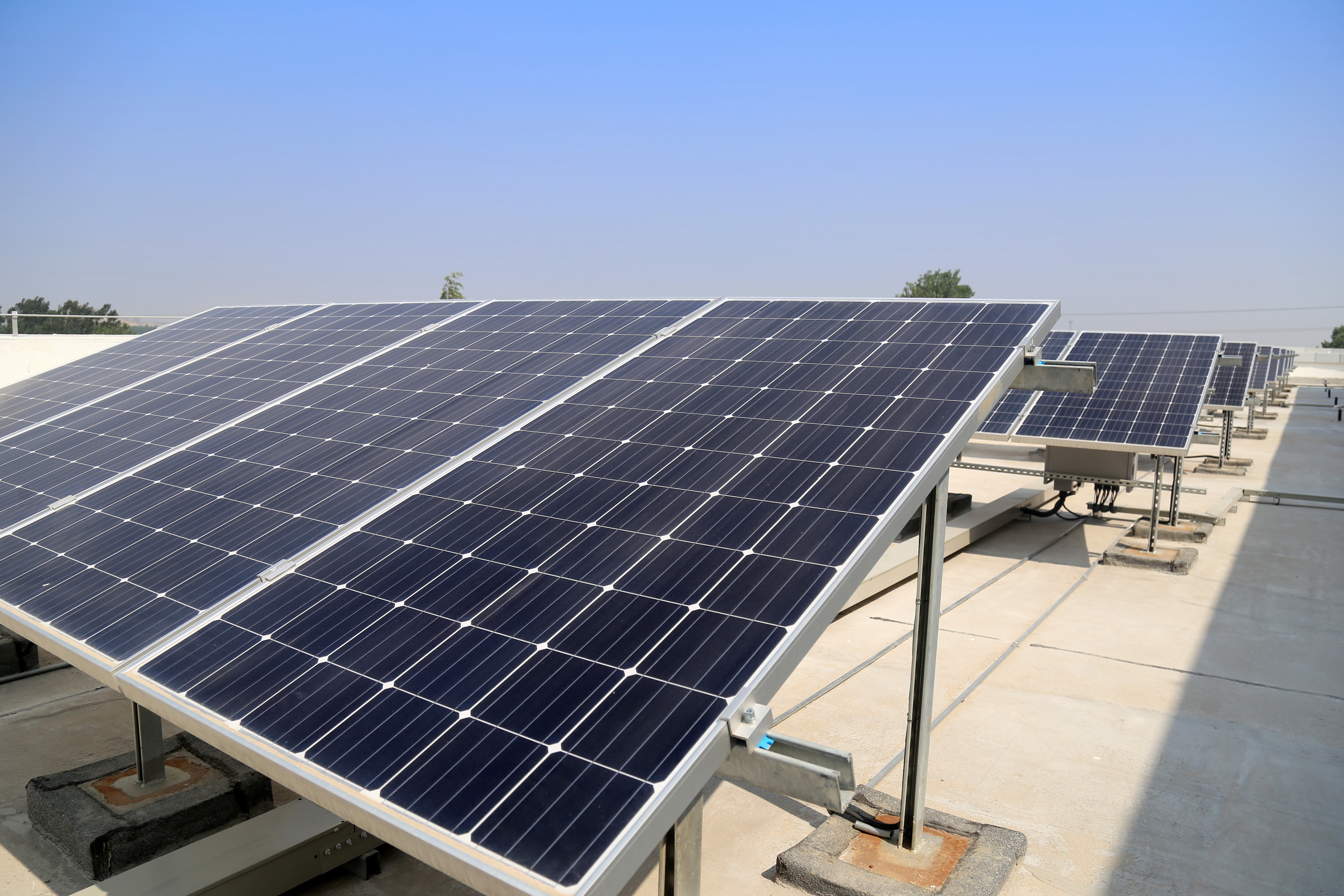
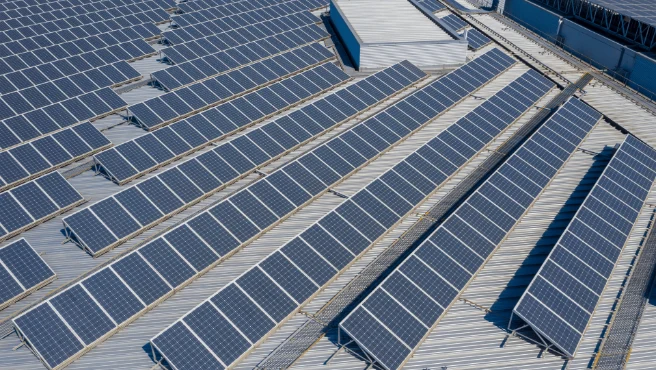
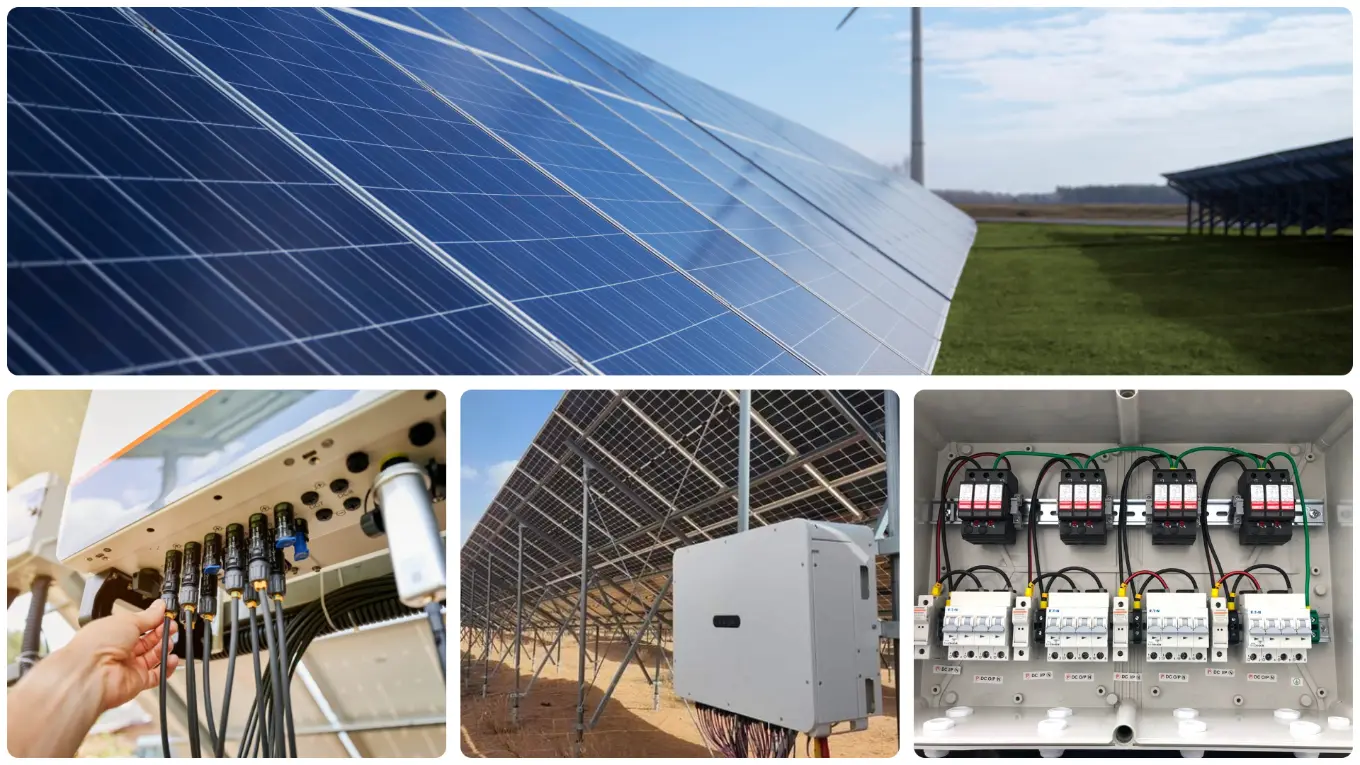
Depending on the panel wattage, a 10 kW installation generally requires around 15 to 20 solar panels, along with an inverter, mounting structure, protection equipment, and, if required, battery storage.
For many homeowners, this capacity comfortably supports multiple air conditioners, kitchen appliances, water pumps, lighting, and other everyday electrical loads. Small commercial establishments such as clinics, offices, retail stores, and educational institutions also frequently choose systems in this range because they offset a substantial portion of daytime electricity consumption.
Price of 10kW Solar System in India (2026)
One of the biggest misconceptions about rooftop solar is that every 10kW system costs the same.
In reality, quotations can vary quite a bit depending on the products being installed and the conditions at the site.
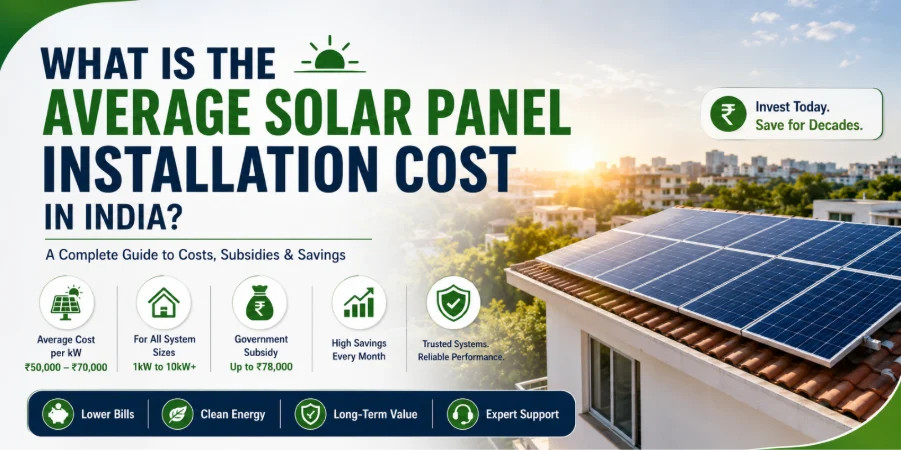
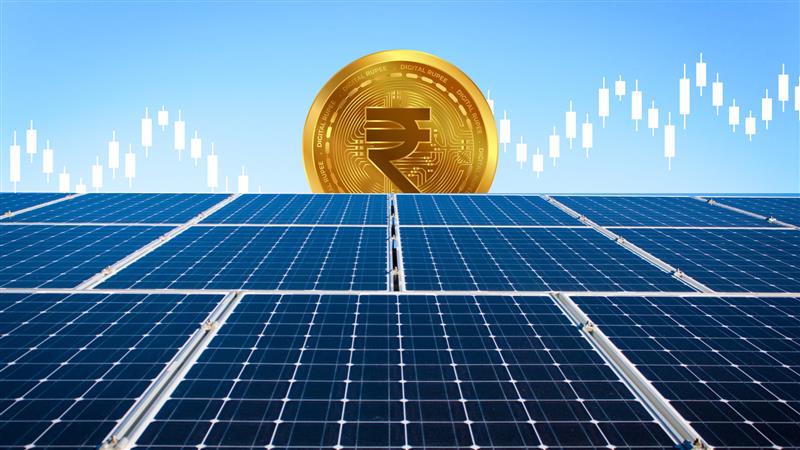
As a broad market estimate, the 10kW solar system cost in India typically ranges between ₹4.8 lakh and ₹6.5 lakh for a grid-connected installation before any applicable subsidy. This usually includes:
- Solar panels
- Grid-connected inverter
- Mounting structure
- Electrical protection equipment
- Wiring and accessories
- Installation and commissioning
Projects involving premium modules, hybrid inverters, complex rooftops, or specialized mounting structures may cost more.
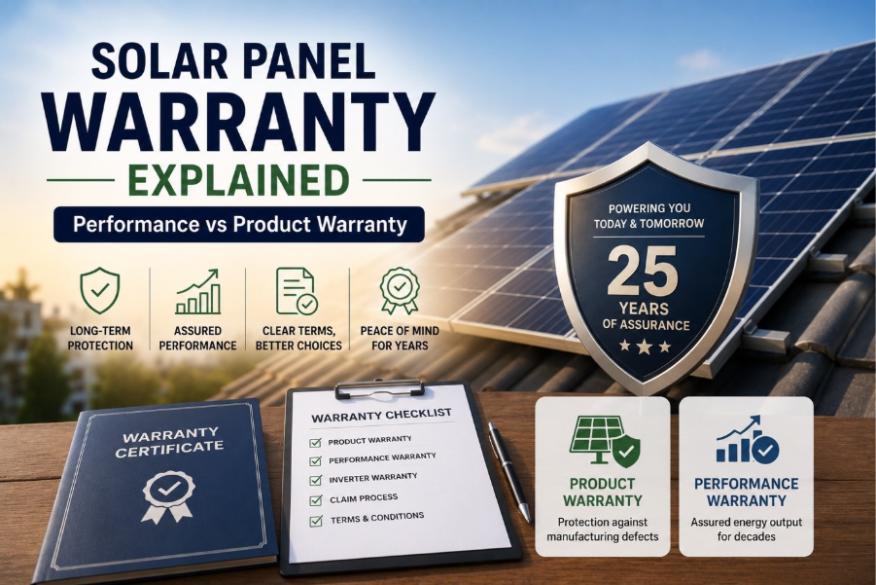
Instead of comparing quotations only by price, it's worth looking at what's included. Product warranties, installation quality, and after-sales support often have a much greater impact over the lifetime of the system than small differences in the initial quotation.
Subsidy Impact on Final Cost
Many homeowners assume that installing a larger rooftop system automatically results in a higher subsidy. That's a common misunderstanding.
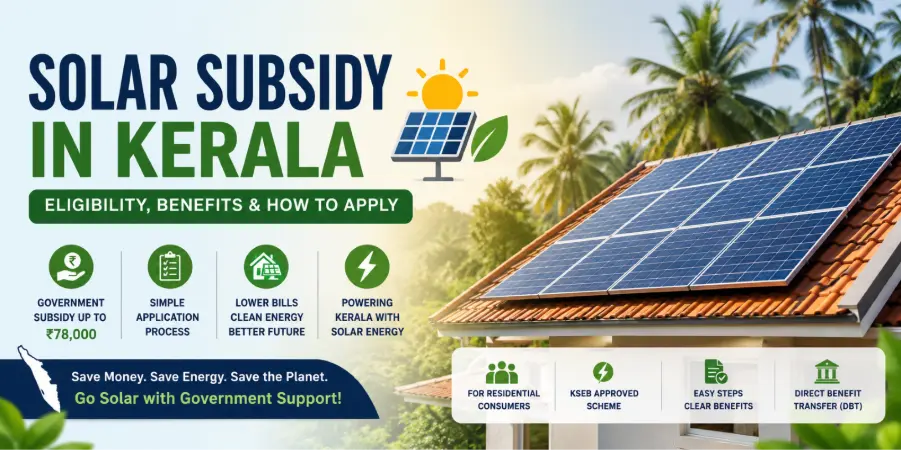
Under the PM Surya Ghar: Muft Bijli Yojana, the Central Financial Assistance (CFA) available to eligible residential consumers is currently
So even if you're installing a 10kW residential system, the maximum available solar panel subsidy remains ₹78,000, subject to the scheme guidelines and eligibility criteria published by the Ministry of New and Renewable Energy (MNRE).
Commercial and industrial installations are generally not covered under the residential subsidy program, although businesses may benefit through accelerated depreciation or state-specific policies where applicable.
Knowing this upfront helps homeowners estimate the actual investment more accurately instead of expecting the subsidy to increase with system size.
On-Grid vs Off-Grid System Cost
A 10kW system can be configured in different ways, and the choice has a noticeable impact on the overall solar system cost.
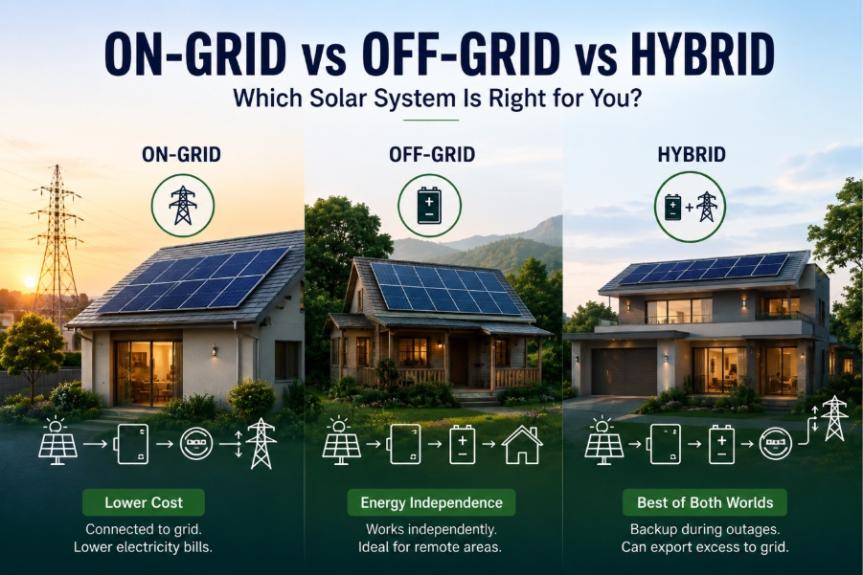
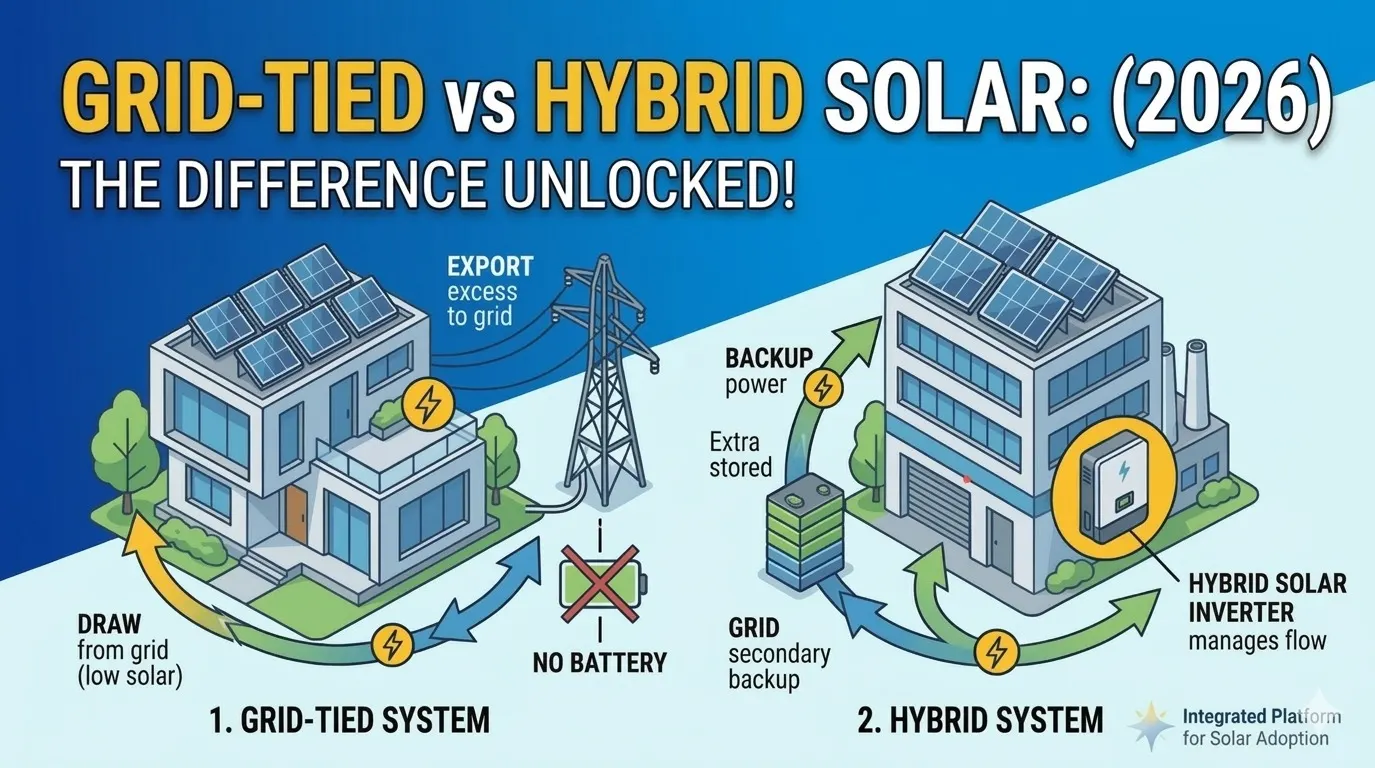
On-Grid System
This is the most common option for urban homes and businesses.
The system remains connected to the electricity grid and works with net metering. During the day, solar energy powers the property first. Surplus electricity is exported to the grid, while additional electricity is drawn whenever required.
Because batteries aren't included, this is generally the most economical configuration.
Off-Grid System
Off-grid systems operate independently and depend on battery storage for electricity when solar generation is low.
These systems are more common in remote locations where reliable grid connectivity isn't available.
Although they provide greater energy independence, the overall investment is considerably higher because of battery costs and additional equipment.
Battery-Based System Pricing
Adding battery storage changes the economics of a rooftop solar project.
A 10 kW solar system with a battery price depends on the battery chemistry, storage capacity, and the type of inverter selected.
For larger residential and commercial systems, lithium iron phosphate (LiFePO₄) batteries have become increasingly popular because they last longer, require less maintenance, and offer better charging efficiency than conventional lead-acid batteries.
The additional investment can increase the overall project cost substantially, which is why many urban consumers connected to a reliable electricity grid choose on-grid systems instead.
Battery storage is usually recommended where backup power is important or where grid outages occur frequently.
Power Generation Capacity
A 10kW system is designed for properties with relatively high electricity consumption, so it's natural to ask how much energy it can actually produce.
Under good sunlight conditions, a well-installed 10kW rooftop system generally generates 40 to 50 units of electricity a day. Over a month, that works out to roughly 1,200 to 1,500 units, although the exact figure depends on the city, weather, season, and the quality of the installation.
For many homes, that's enough to power everyday appliances along with heavier loads such as air conditioners, geysers, washing machines, and water pumps. Small businesses that operate mainly during the day often see an even greater benefit because a larger share of their electricity demand is met directly by solar generation.
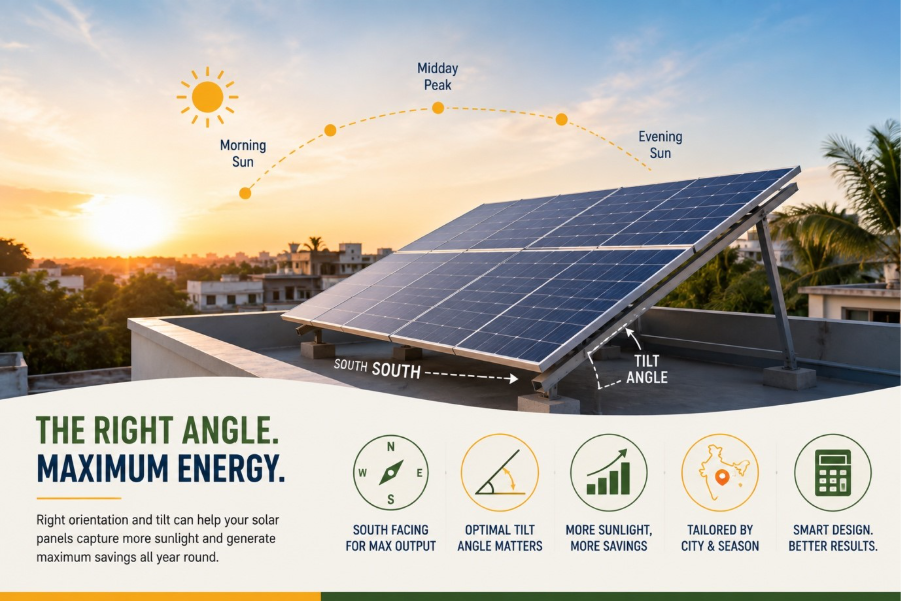
A site assessment is still the best way to estimate expected output, since every rooftop receives sunlight differently.
Monthly Electricity Savings
One of the nicest moments for new solar users comes a month after the installation, when the first electricity bill arrives.
The amount saved varies from one property to another because every household and business consumes electricity differently. Local tariffs, daytime usage, and net metering also influence the final outcome.
As an illustration, if a property offsets around 1,300 units of grid electricity each month and the average tariff is ₹8 per unit, the monthly saving could be in the range of ₹10,000 to ₹11,000. In locations with higher commercial tariffs, the savings can be even greater.
These figures are indicative rather than guaranteed, but they help explain why larger rooftop systems are becoming increasingly popular for properties with consistently high electricity consumption.
ROI & Payback Period
People often focus on the upfront investment, but rooftop solar is really a long-term financial decision.
The combination of lower electricity bills and the available solar panel subsidy allows many residential systems to recover their installation cost over time. For a well-designed 10kW system, the payback period typically falls between four and seven years, depending on electricity tariffs, system performance, financing costs, and consumption patterns.
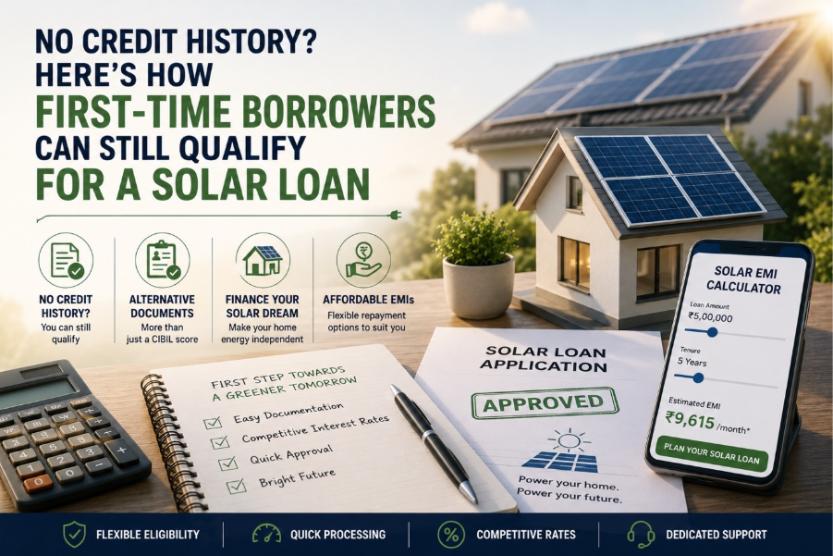
For buyers who prefer not to make the entire investment upfront, solar system financing offers a convenient way to install a rooftop system while spreading the cost over manageable repayments.
It's one reason rooftop solar is increasingly viewed as an investment rather than simply another household expense.
Installation Process
The installation itself is only one part of the journey.
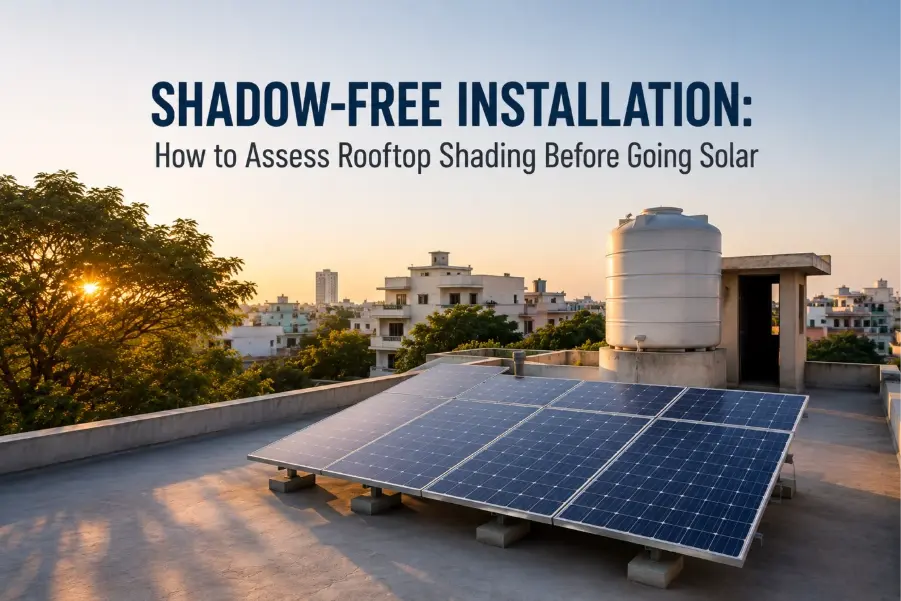
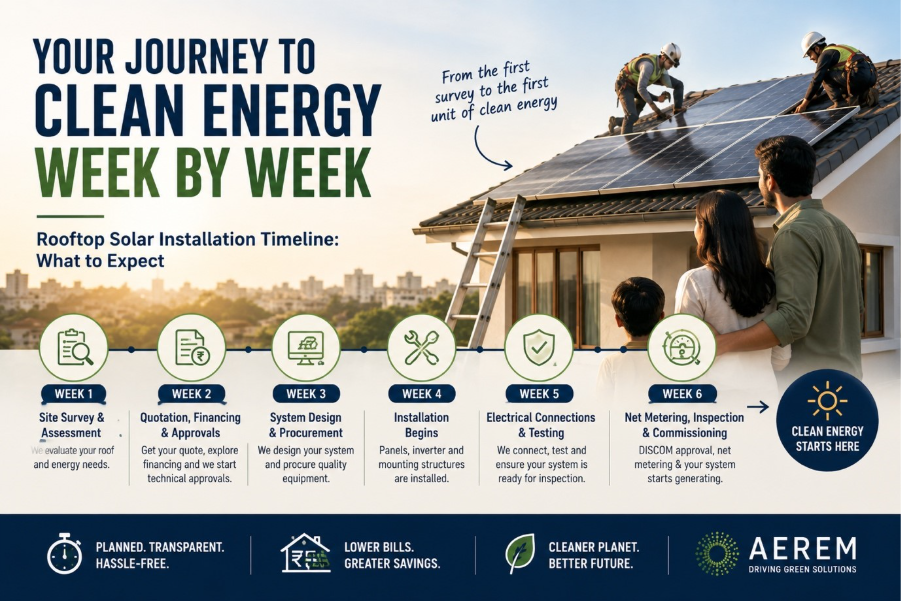
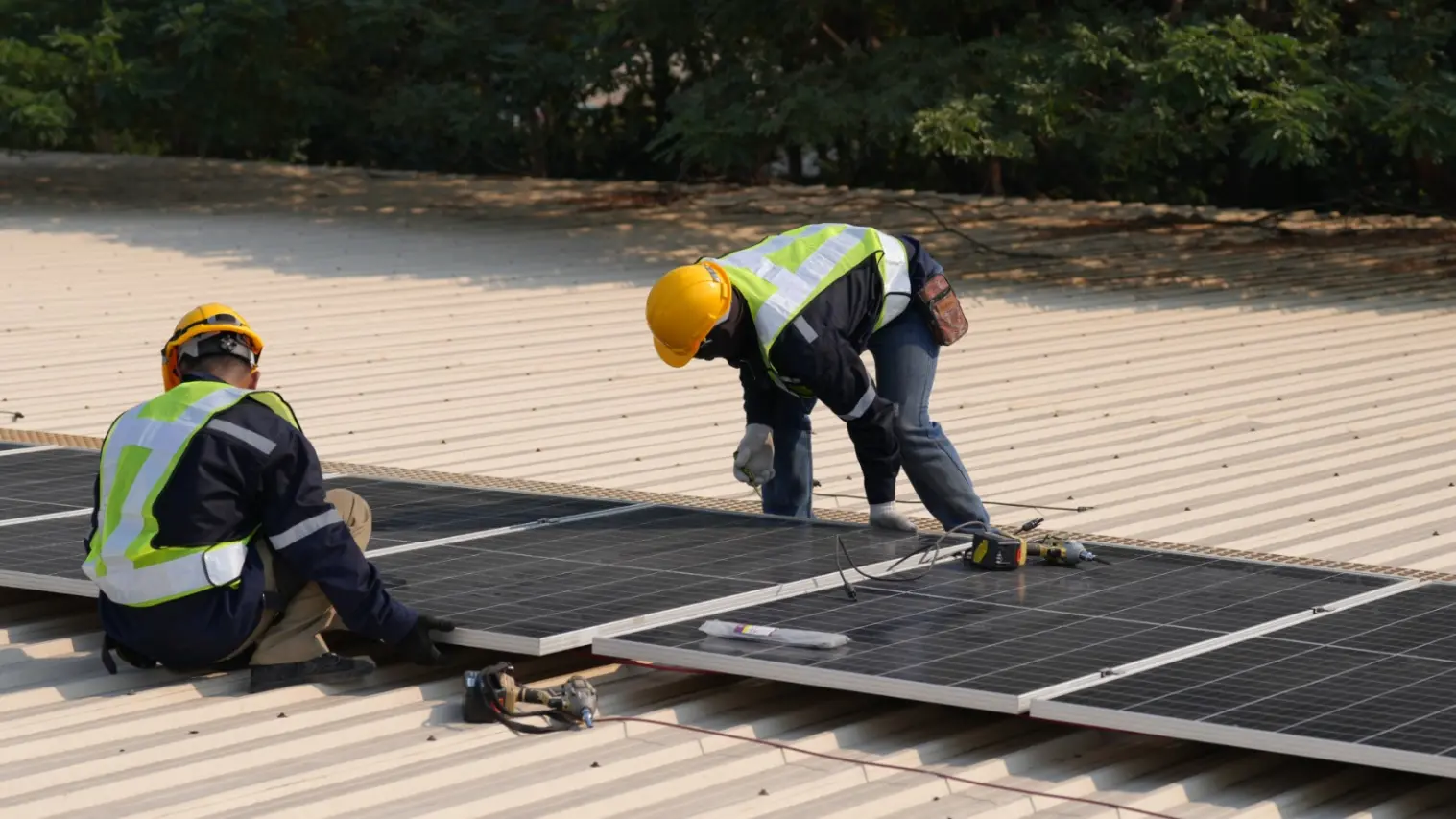
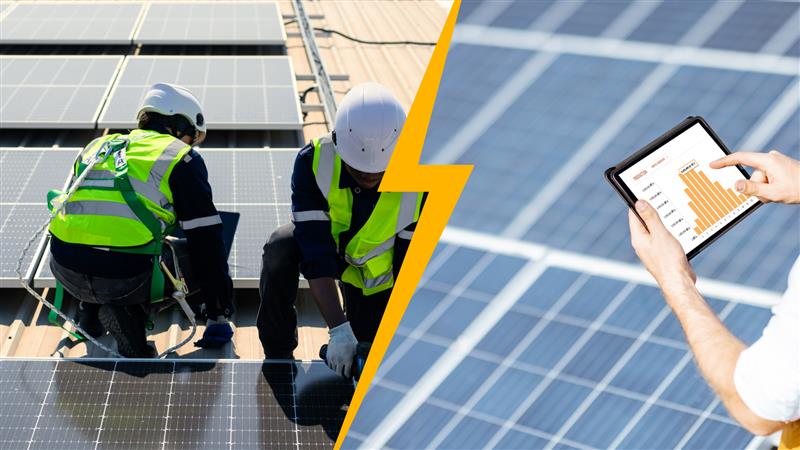
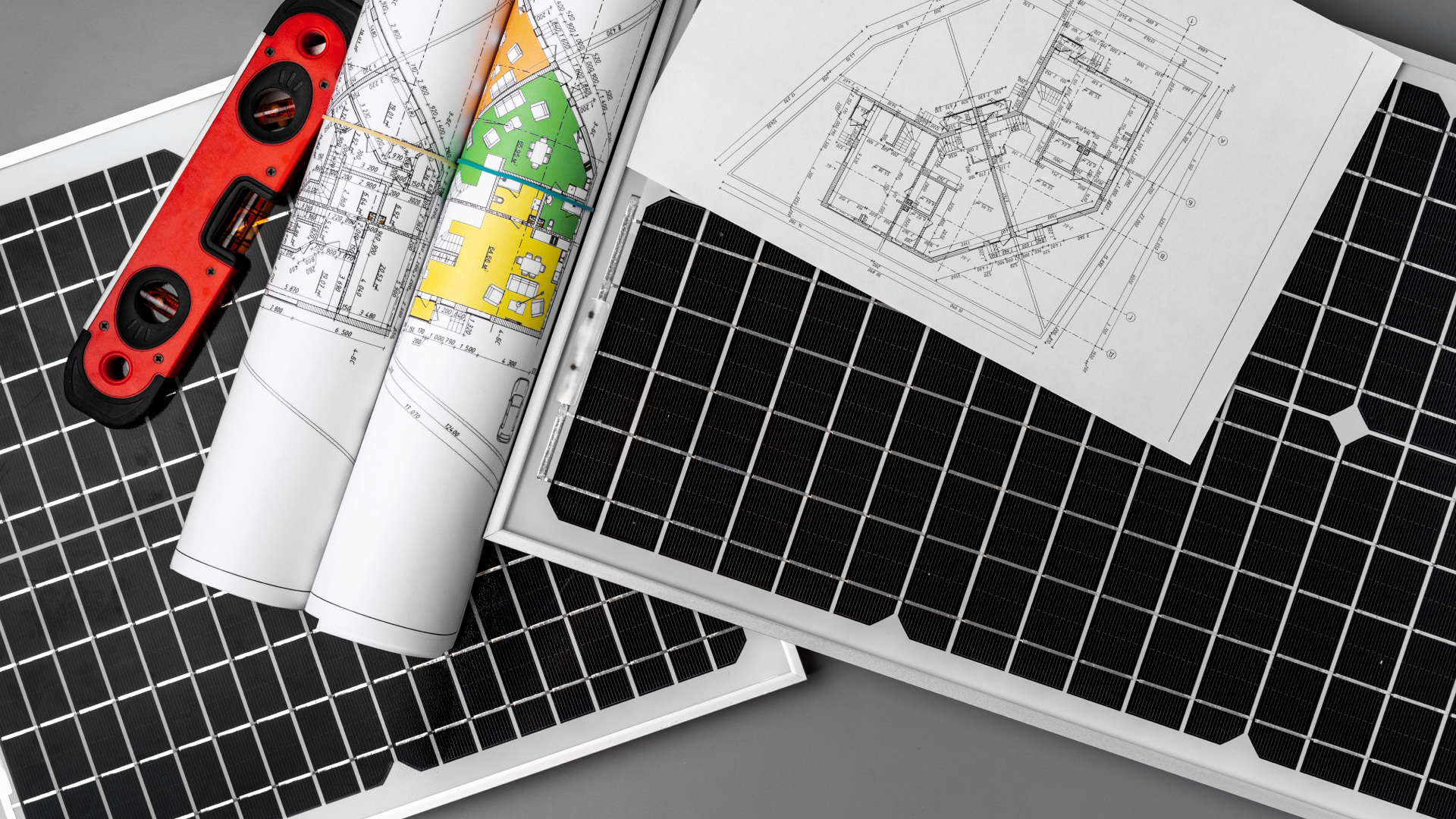
It usually begins with a site visit, where the installer studies your electricity consumption, measures the available roof space, and checks whether any nearby structures could cast shadows on the panels.
Once the design is finalized, the equipment is installed, electrical connections are completed, and the inverter is commissioned. For grid-connected systems, the local DISCOM then carries out inspections and installs the net meter before the system is switched on.
Homeowners evaluating solar panel financing in Maharashtra should compare loan terms, repayment options, and lender support before choosing a financing solution for their rooftop solar project.
How Aerem Helps You Make the Right Investment
Installing a 10kW rooftop system is a significant decision, and most buyers have plenty of questions before they commit. Is the quoted system the right size? Would financing make more sense than paying everything upfront? Is battery storage actually necessary?
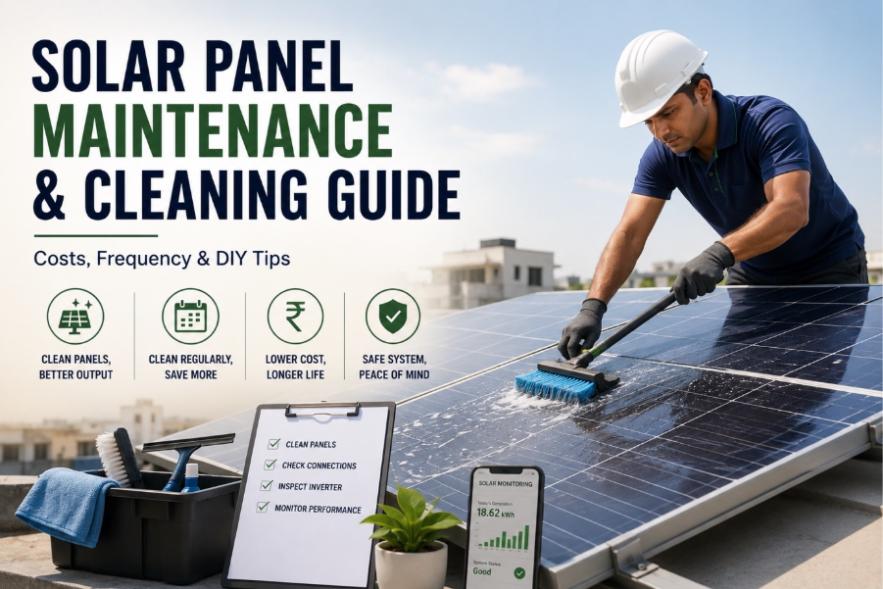
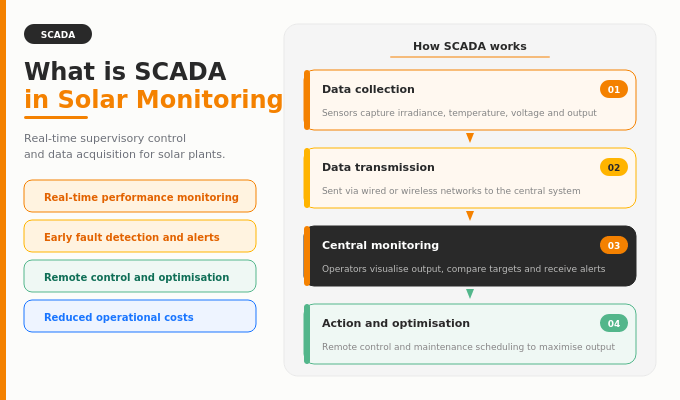
Aerem helps simplify those decisions by bringing financing, procurement, installation support, and a solar monitoring system together on a single platform, enabling users to track system performance and energy generation over time.
Whether you're comparing the 10kW solar system price, evaluating the overall solar system cost, or exploring financing options after subsidy, Aerem helps homeowners and businesses make informed choices based on their energy needs rather than just the lowest quotation.
Conclusion
A 10kW rooftop solar system is best suited to homes and businesses where electricity consumption is high enough to take full advantage of its generation capacity. While the upfront investment is naturally higher than that of smaller systems, the long-term savings can be equally substantial.
Before deciding, spend some time understanding your electricity usage, comparing equipment carefully, and evaluating the complete installation rather than just the headline price. A thoughtfully designed system has the potential to deliver reliable savings for decades, making rooftop solar one of the more rewarding long-term investments for energy-conscious property owners.












.png)


.png)


.jpeg)
.jpeg)


.jpeg)








.jpeg)
.webp)
.png)
.png)
.png)
.png)
.png)

.png)
.jpg)
