
.webp)

.webp)
.webp)
.webp)


.svg)
.svg)

Introduction
For many households in Haryana, the interest in rooftop solar is growing, but so is the confusion around subsidies.
Questions like how much subsidy is available, who is eligible, and how to actually apply are common. The solar panel subsidy in Haryana does make solar more affordable, but the process isn’t always straightforward.
This guide breaks it down in a way that’s easier to follow, from understanding the scheme to actually applying for it.
Overview of Solar Subsidy in Haryana
The solar subsidy in Haryana is primarily driven by central government schemes, with implementation handled at the state level.
The subsidy is currently provided under the PM Surya Ghar: Muft Bijli Yojana, which is the Government of India’s flagship rooftop solar initiative for residential consumers.
In practical terms:
- the subsidy reduces upfront installation cost.
- It is applicable mainly for residential rooftop systems.
- The benefit is transferred directly after installation and verification.
While the structure is standard across India, the process and timelines can vary depending on local implementation.
Government Solar Subsidy Schemes Available in Haryana
The main Haryana solar scheme falls under the national rooftop solar initiative.
Under the PM Surya Ghar: Muft Bijli Yojana, homeowners can apply for a subsidy through a centralized portal, with state DISCOMs facilitating approvals and implementation.
This includes:
- subsidy support under the PM Surya Ghar program
- net metering benefits for exporting excess electricity
- state-level facilitation through DISCOMs
The solar panel scheme in Haryana is designed to encourage households to adopt solar without making it financially overwhelming.
Benefits of Solar Subsidy for Homeowners
The most obvious benefit of the solar subsidy in Haryana is cost reduction, but it goes beyond that.
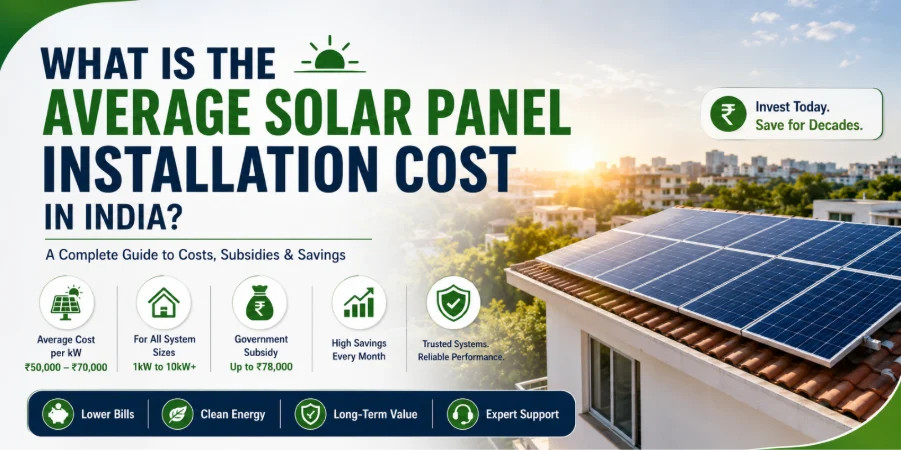
- Lower upfront investment: Subsidy is provided in fixed slabs. ₹30,000 per kW for the first 2 kW and ₹18,000 for the 3rd kW, with a maximum benefit of ₹78,000 for residential systems.
- Faster payback: With reduced initial cost, the system pays for itself sooner.
- Increased adoption: More households can consider solar as a viable option.
- Long-term savings: Electricity bills reduce significantly over time.
For homeowners who want to further ease the financial burden, options like solar installation loans can complement the subsidy, making it even easier to go solar.
Eligibility Criteria for Solar Subsidy in Haryana
Not everyone automatically qualifies for the solar panel subsidy in Haryana.
Some common eligibility conditions include:
- Applicant must be a residential consumer.
- Property should be owned (not rented)
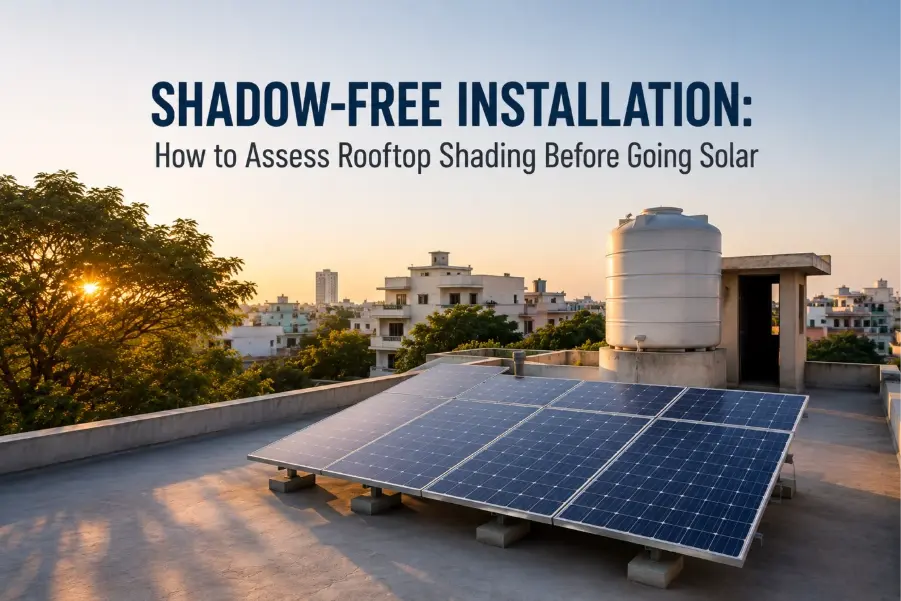
- Rooftop must be suitable for installation
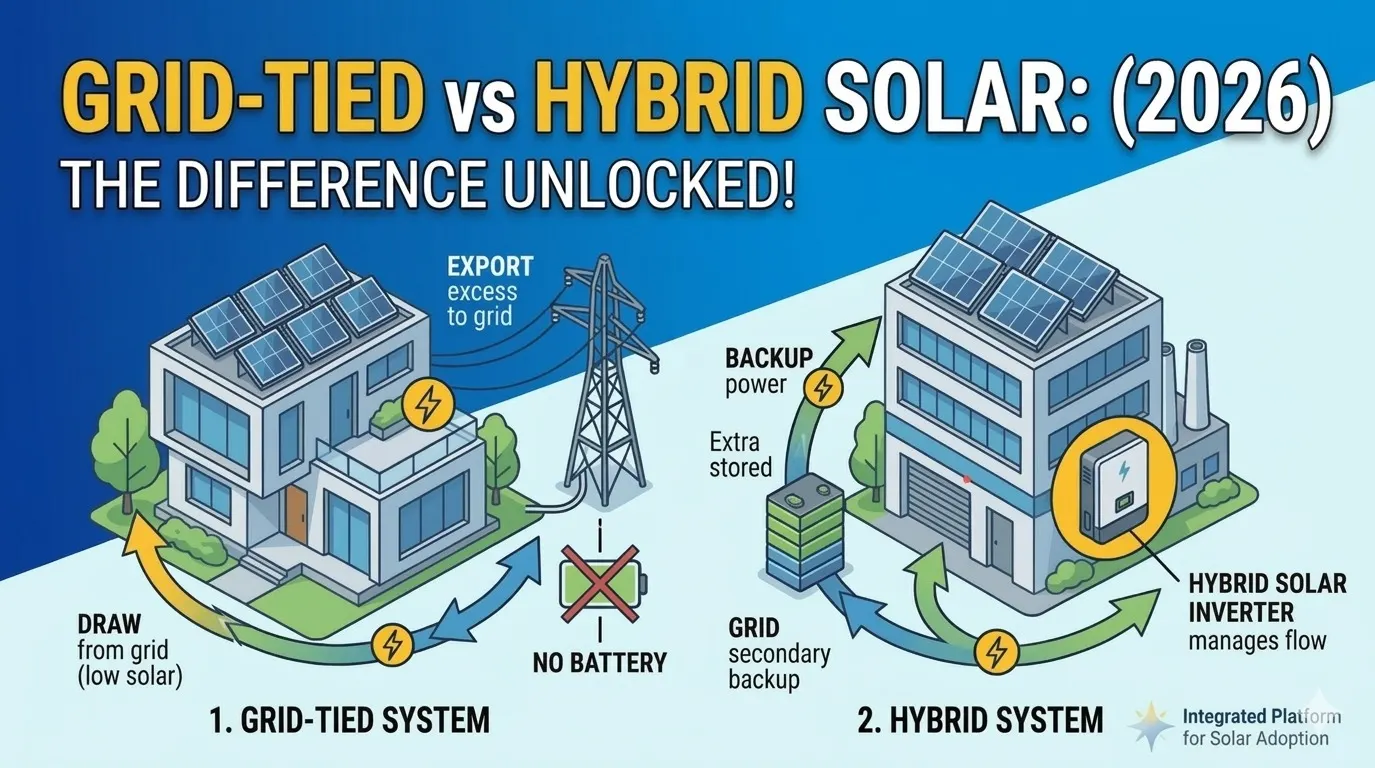
- The system should be grid-connected.
Additionally, applications must be submitted through the official PM Surya Ghar portal, and installations must comply with scheme guidelines.
Commercial and industrial users typically do not receive the same subsidy benefits, although they may access financing instead.
Types of Solar Systems Eligible for Subsidy
Under the solar panel scheme in Haryana, only specific system types are eligible.
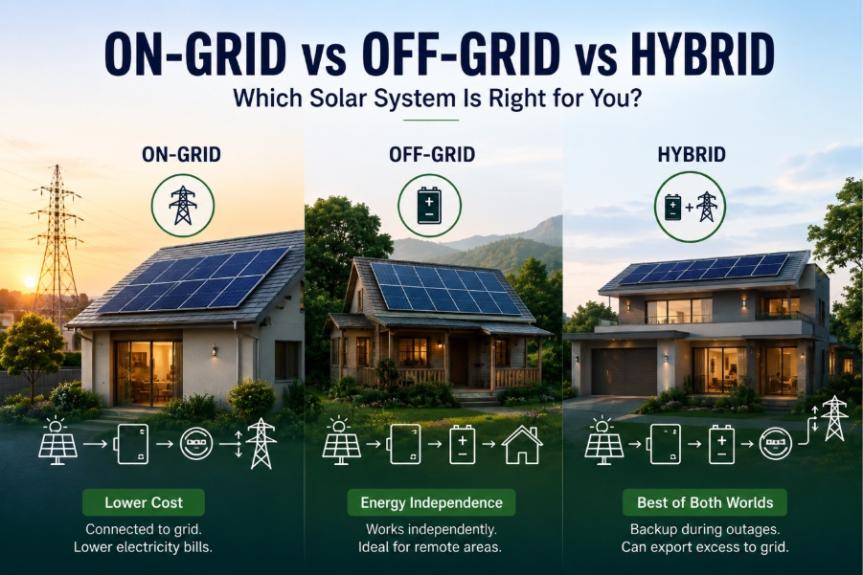
- Grid-connected rooftop systems: These are the most common and subsidy-supported systems.
- Hybrid systems (limited cases): Some configurations may qualify, but subsidy applicability can vary.
- Off-grid systems are generally not included under standard subsidy frameworks.
Solar Subsidy Amount for Different System Sizes
Under the PM Surya Ghar: Muft Bijli Yojana, the subsidy is calculated in fixed capacity-based slabs:
- Up to 2 kW → ₹30,000 per kW
- 3rd kW → ₹18,000
- Maximum subsidy (up to 3 kW) → ₹78,000
- Systems between 3 kW and 10 kW → subsidy capped at ₹78,000
- Above 10 kW → no additional subsidy
This means that while larger systems generate more power, the subsidy benefit remains capped.
Step-by-Step Process to Apply for Solar Subsidy in Haryana
The process for applying under the Haryana solar scheme follows a structured flow:
1. Registration
Register on the PM Surya Ghar national portal and submit basic application details.
2. Vendor Selection
Choose an approved installer listed under the scheme.
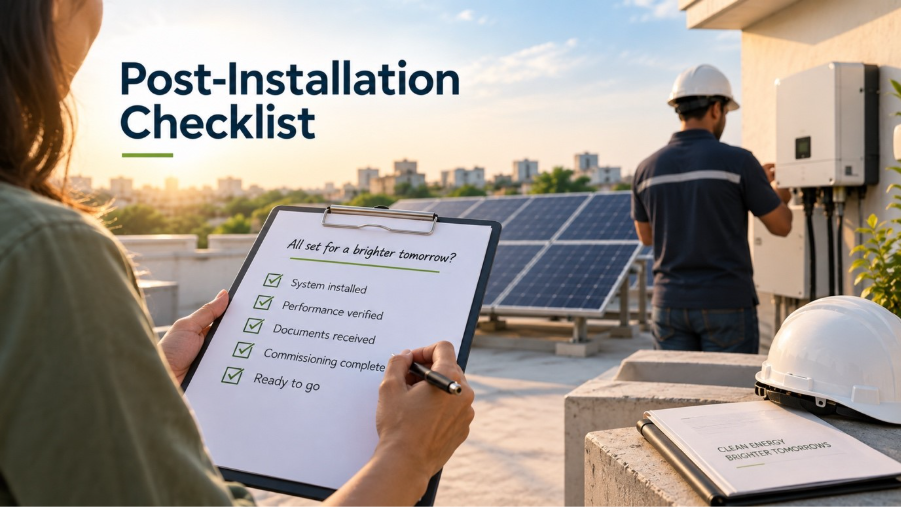
3. System Installation
The system is installed as per guidelines.
4. Inspection & Net Metering
DISCOM verifies the installation and enables net metering.
5. Subsidy Disbursement
Subsidy is transferred directly to the applicant’s bank account through Direct Benefit Transfer (DBT) after successful inspection and commissioning.
For those considering larger systems or faster implementation, rooftop solar financing options can help bridge the gap between upfront costs and long-term savings.
Documents Required for Solar Subsidy Application
Having documents ready helps avoid delays.
Typically required:
- Identity proof (Aadhaar, PAN)
- Address proof
- Electricity bill
- Property ownership proof
- Bank details
Additional documents may be required depending on the application stage.
Role of DISCOM and Approved Solar Vendors
DISCOMs play a central role in the solar subsidy in Haryana process.
They are responsible for:
- approving applications
- enabling net metering
- Inspecting installations
- processing subsidy disbursement
At the same time, choosing an approved vendor is equally important.
Only installations done through empanelled vendors are eligible for subsidy benefits.
Key Guidelines and Regulations to Follow
A few things to keep in mind:
- Systems must meet technical standards.
- Installation should follow approved capacity limits.
- Net metering compliance is mandatory.
- Changes after approval can delay subsidy
These guidelines ensure system quality and proper integration with the grid.
Common Mistakes to Avoid While Applying for Subsidy
Some issues come up frequently:
- Choosing non-approved vendors: This can make the system ineligible for subsidy.
- Incorrect documentation: Missing or incorrect details delay approvals.
- Overestimating system size: Installing beyond eligible limits may reduce subsidy benefits.
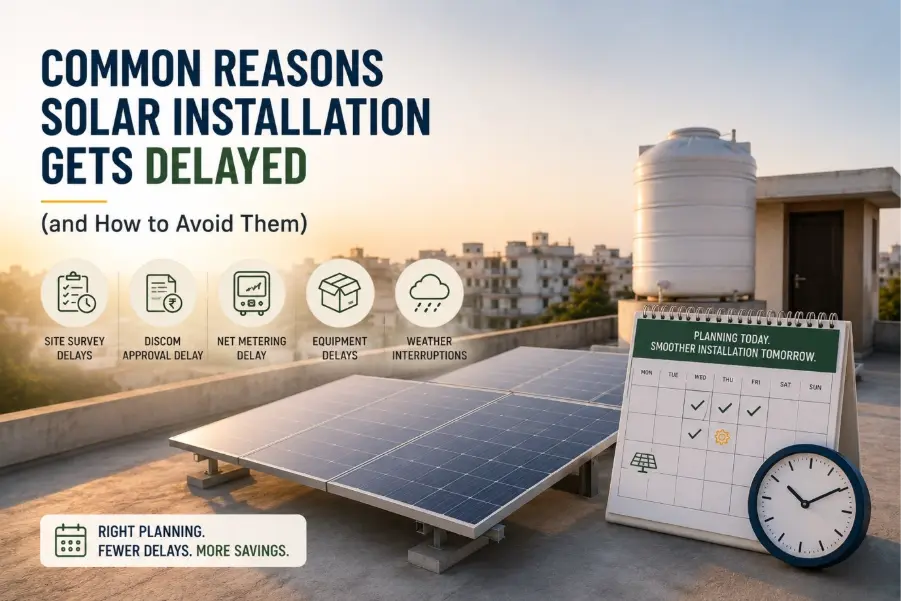
- Ignoring timelines: Delays in application or inspection can push back disbursement.
Homeowners can also explore a solar panel loan for additional support if they want to install systems beyond the standard subsidy limits.
Why the Ecosystem Matters
Even with subsidy support, the process can feel fragmented. From vendor selection to DISCOM approvals, multiple stakeholders are involved, and coordination becomes important.
This is where integrated platforms can simplify things. Aerem operates as a full-stack digital platform for solar adoption, helping users navigate solar installation loans, procurement, and system performance in a more structured way. While a subsidy reduces upfront cost, aligning it with the right system design and execution ensures better long-term results.
Conclusion
The solar subsidy in Haryana has made rooftop solar more accessible, especially for homeowners looking to reduce electricity costs.
With clearly defined slabs, up to ₹78,000 depending on system size, the scheme reduces upfront cost significantly.
However, understanding the process, from eligibility to application, is key to actually benefiting from it.
With the right approach, and by avoiding common mistakes, solar becomes less about navigating a scheme and more about making a long-term energy decision that works.
Frequently Asked Questions
- What is the subsidy percentage in Haryana?
Up to ₹78,000 for residential rooftop systems under the PM Surya Ghar: Muft Bijli Yojana.
- Is a subsidy available for businesses?
No, the solar panel subsidy in Haryana is mainly for residential users.
- How long does it take to receive a subsidy?
Through Direct Benefit Transfer (DBT) into the applicant’s bank account after installation and verification.
- Can I install solar without subsidy?
Yes, and many users choose financing instead.



















.png)



.png)



.jpeg)
.jpeg)





.jpeg)












.jpeg)
.webp)
.png)
.png)
.png)
.png)
.png)

.png)

.jpg)
