
.webp)

.webp)
.webp)
.webp)


.svg)
.svg)

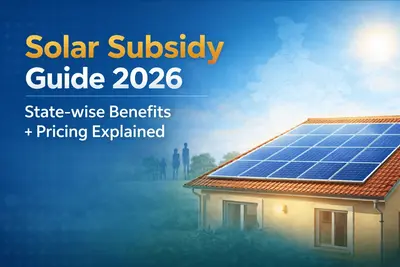
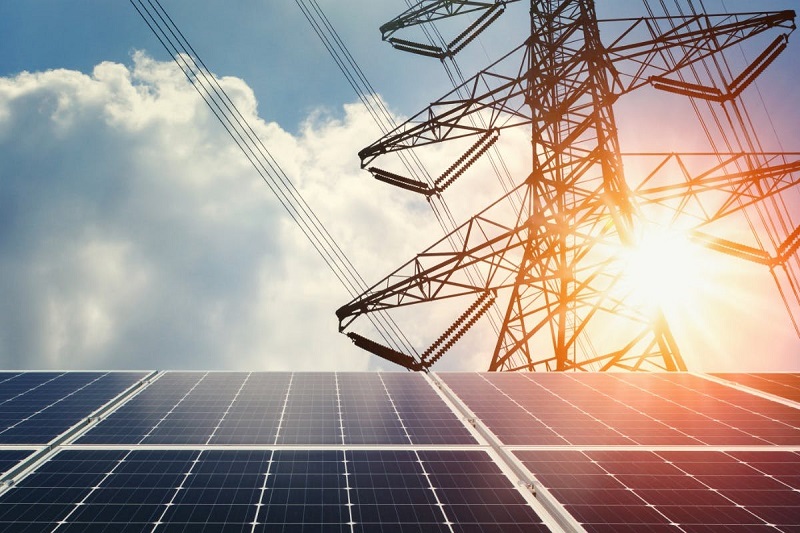
India's rooftop solar revolution is growing rapidly with the PM Surya Ghar Muft Bijli Yojana. The scheme is helping homeowners reduce electricity bills through solar subsidies, easier financing options, and an online application process. If you're planning to install a rooftop solar system in 2026, this guide covers everything you need to know about government subsidies for solar panels, eligibility, registration, subsidy amounts, and other key considerations to keep in mind.
What is PM Surya Ghar Yojana 2026?
The PM Surya Ghar Muft Bijli Yojana is the Government of India's flagship rooftop solar initiative to encourage residential households to adopt solar energy. The program aims to install rooftop solar systems in one crore homes across the country.
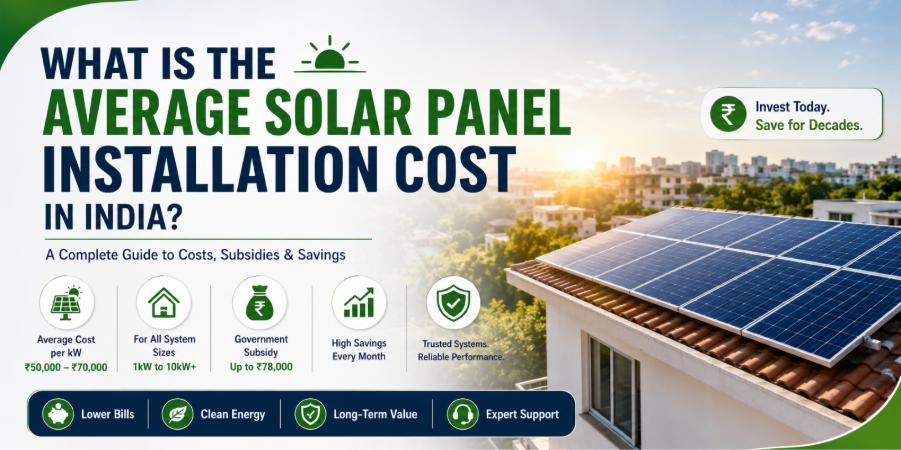
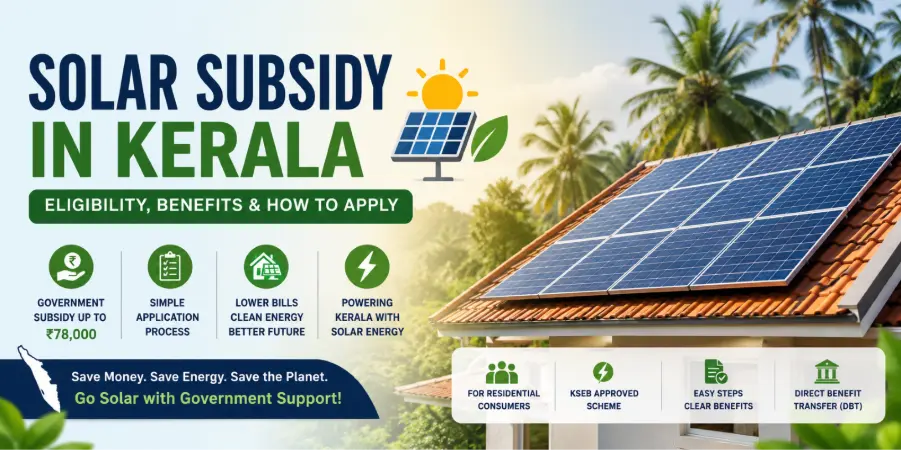
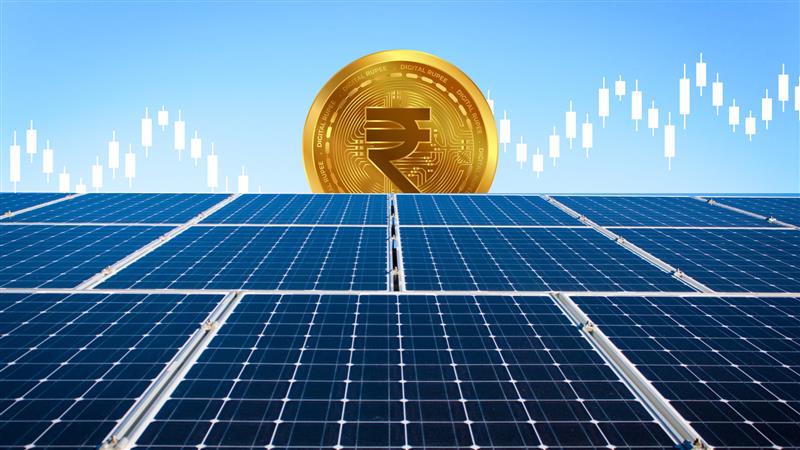
Under the scheme, eligible homeowners can receive up to ₹78,000 through solar power subsidies for installing grid-connected rooftop solar systems, and the subsidy is transferred directly to the beneficiary's bank account after installation and approval. The scheme is here to make clean energy affordable, reduce dependence on traditional power sources, and lower electricity costs for households.
Latest Solar Subsidy Structure in India (2026 Update)
The PM Surya Ghar scheme offers substantial solar installation subsidy benefits:
- 1 kW system: ₹30,000 subsidy
- 2 kW system: ₹60,000 subsidy
- 3 kW system: ₹78,000 subsidy
- 5 kW system: ₹78,000 subsidy (maximum limit)
While the central government subsidy is capped at ₹78,000, some states may offer additional incentives that further reduce installation costs.
Who is eligible for PM Surya Ghar Yojana?
To receive the PM Suryaghar Yojana subsidy in India, all applicants should meet the eligibility requirements set by the Ministry of New and Renewable Energy (MNRE). The scheme is designed specifically for people living in residential areas who want to install rooftop solar systems and benefit from net metering.
Residential Eligibility Rules
Applicant must:
- Be an Indian citizen.
- Own a residential property.
- Have a valid electricity connection.
- Apply only once per household.
- Not have availed a previous rooftop solar subsidy under another government scheme.
- Have a bank account for direct subsidy transfer.
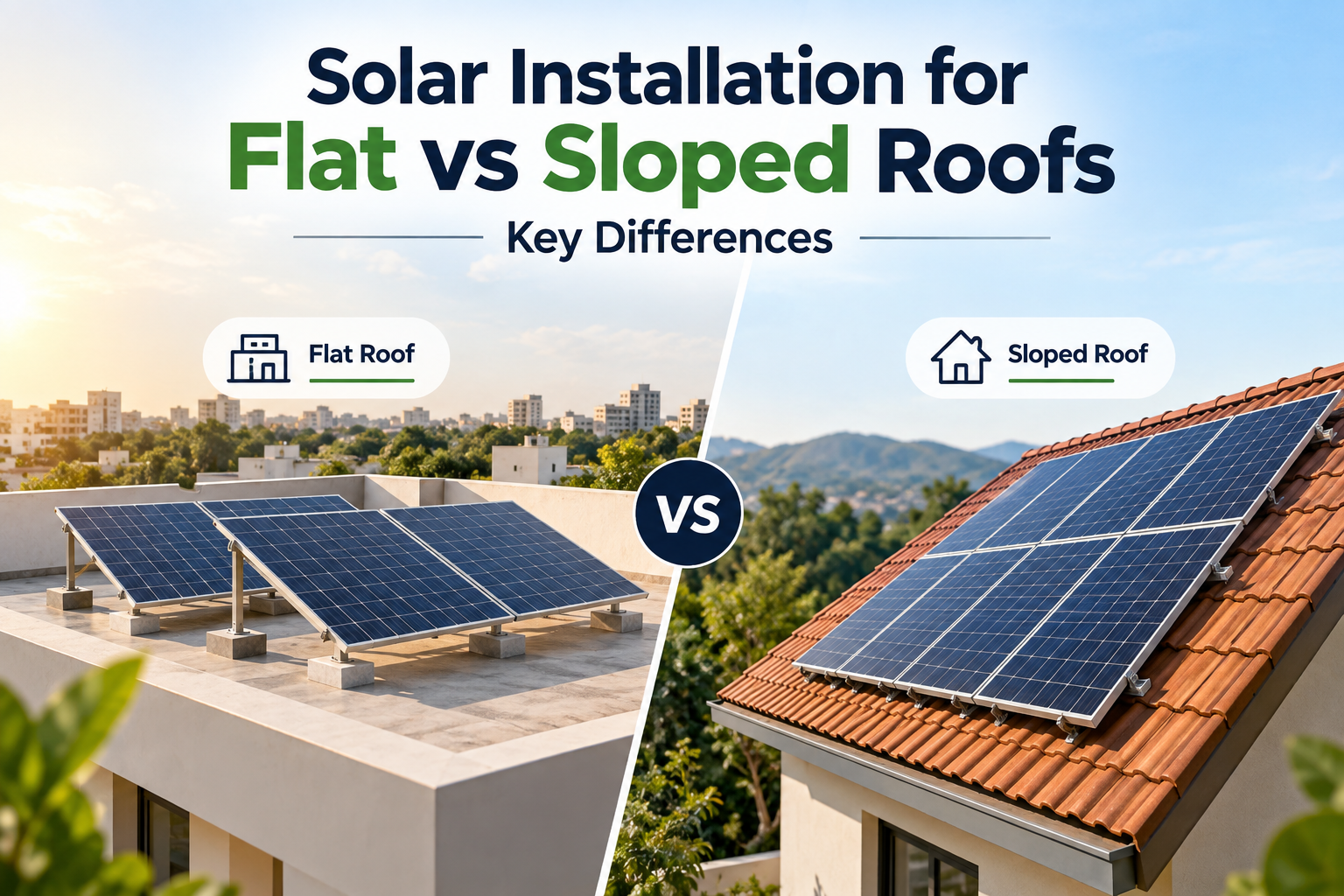
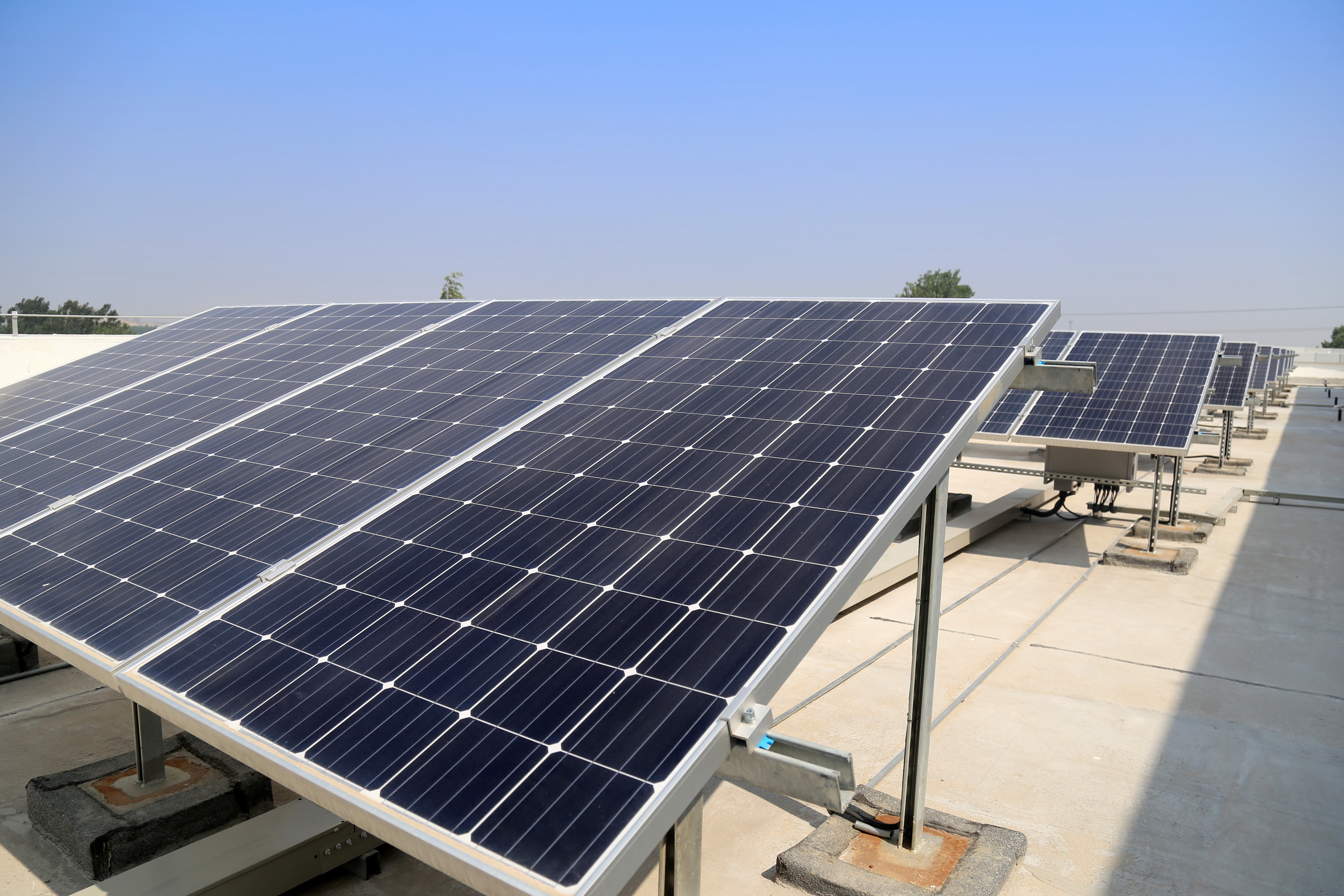
Independent houses, villas, and eligible residential properties can apply under the scheme.
Rooftop Solar Eligibility Criteria
The rooftop installation must fulfill these considerations:
- Adequate rooftop space should be available.
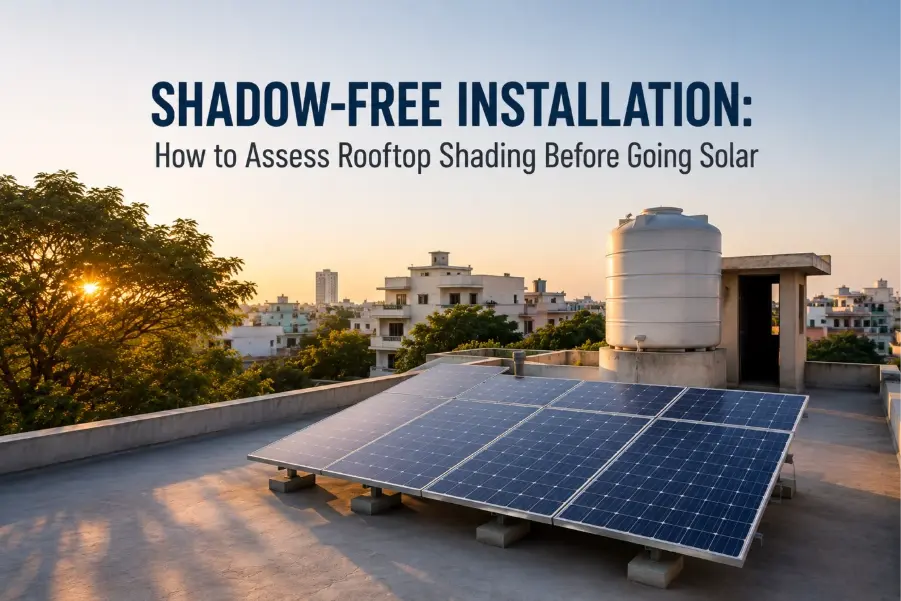
- The site should receive sufficient sunlight.
- The structure must support the weight of solar panels.
- Installation should be carried out by an authorized or empaneled vendor.
- The system must comply with MNRE and DISCOM guidelines.
- Net metering approval should be obtained where required.
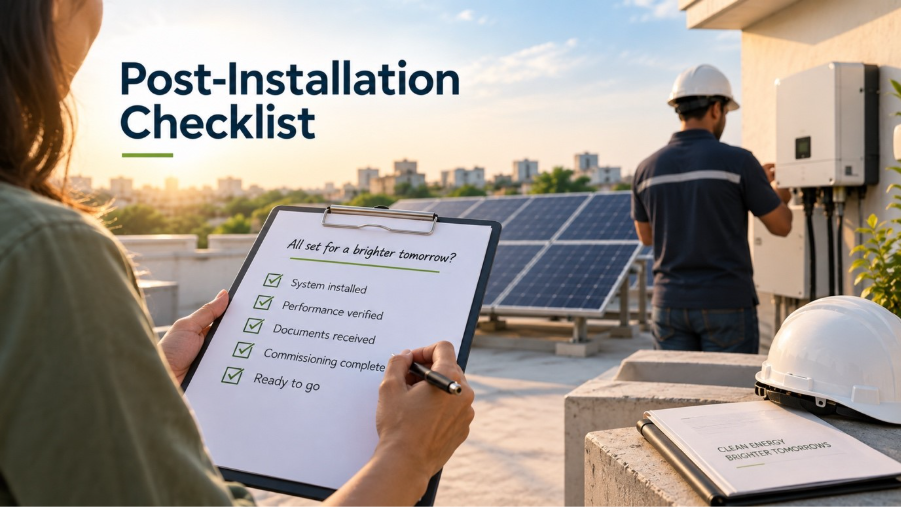
A technical feasibility assessment is generally conducted before installation approval.
Step-by-Step Application Process
The PM Suryaghar Yojana registration process is completely online.
Step 1: Register on the Portal
Create an account using your state, DISCOM details, consumer number, and mobile number.
Step 2: Submit Application
Fill in the application form and upload the required documents.
Step 3: Receive Feasibility Approval
Your DISCOM reviews the application and issues technical approval.
Step 4: Install the Solar System
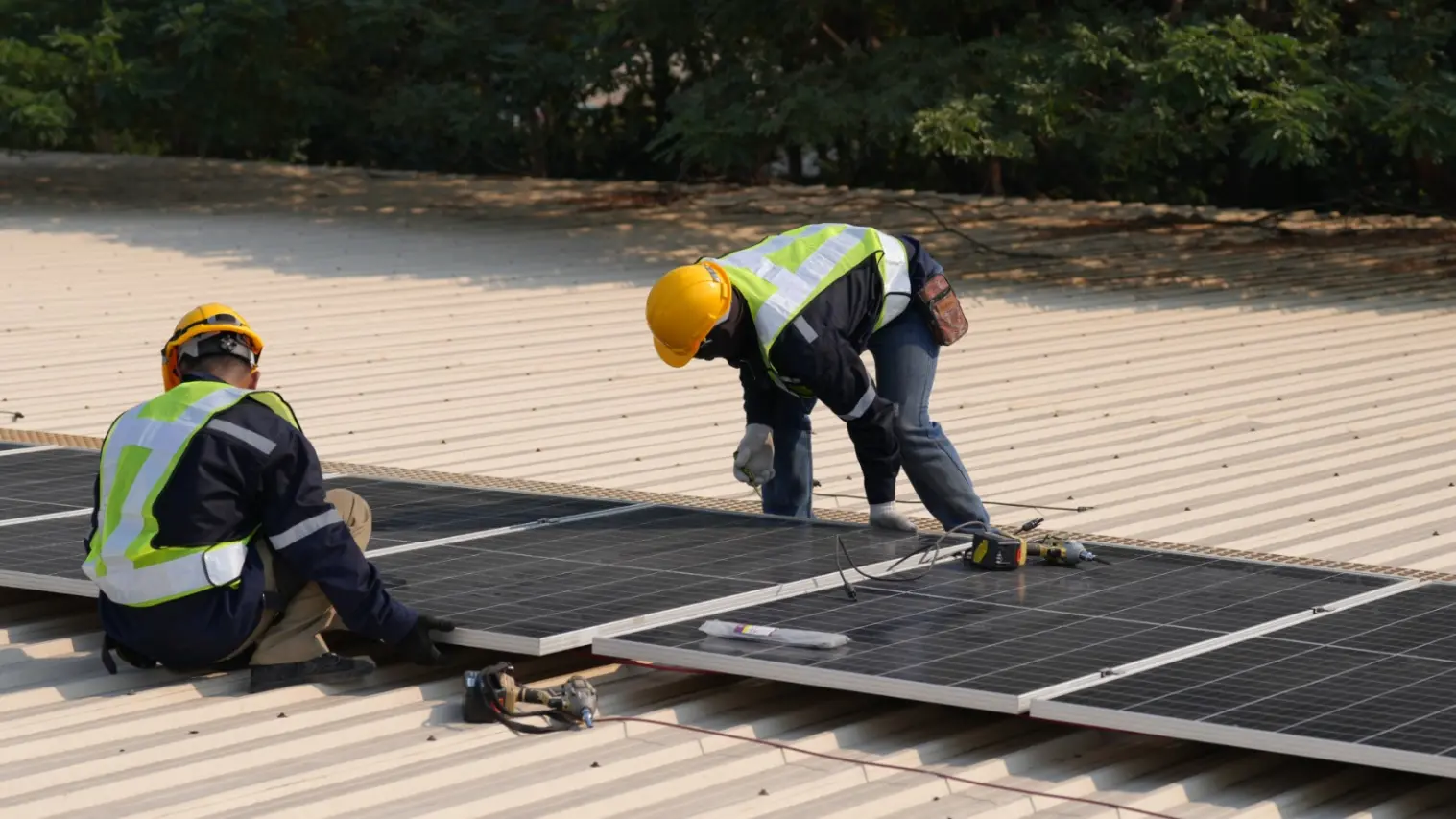
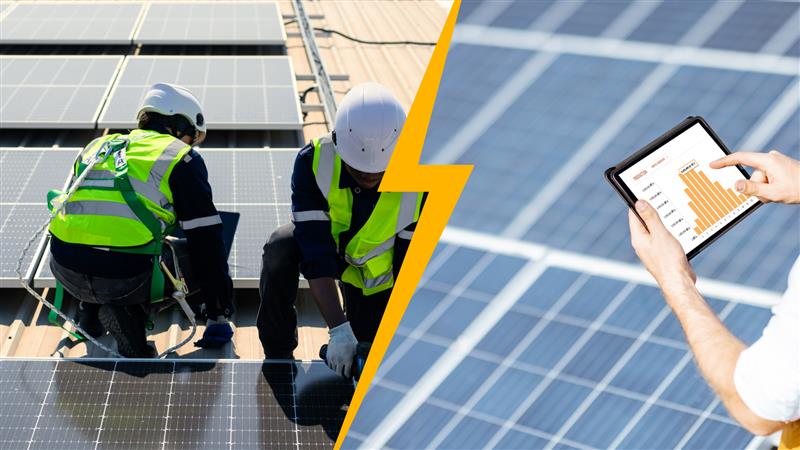
Select an approved vendor and complete the installation. Many homeowners also explore solar panel financing options at this stage to manage installation costs more conveniently.
Step 5: Apply for Net Metering
Request net meter installation and inspection after the system is installed.
Step 6: Inspection and Commissioning
The system is inspected and commissioned by the DISCOM.
Step 7: Receive Subsidy
After approval, the subsidy amount is transferred directly to your bank account.
Documents Required for Subsidy Approval
Applicants should keep the following documents ready:
- Aadhaar Card
- PAN Card (if required)
- Latest electricity bill
- Property ownership proof
- Passport-size photograph
- Mobile number
- Bank account details
- Cancelled cheque
- Installation documents from the vendor
- Net metering and commissioning certificates
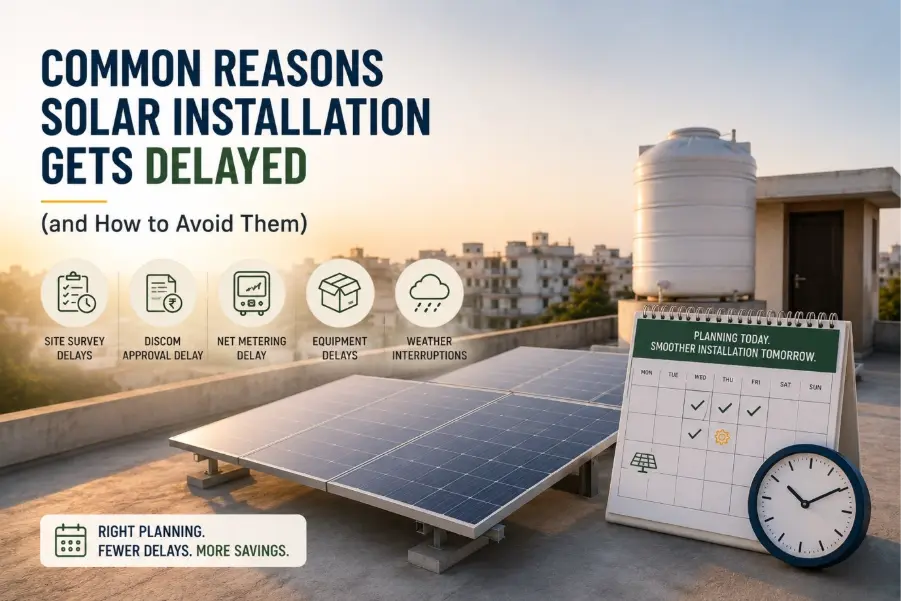
Accurate documentation helps avoid delays during approval.
Subsidy Amount in 2026 Explained
Many homeowners use a solar subsidy calculator 2026 to estimate installation costs and savings.
1 kW System
- Cost: ₹60,000 - ₹75,000
- Subsidy: ₹30,000
- Effective Cost: ₹30,000 - ₹45,000
2 kW System
- Cost: ₹1.2 - ₹1.5 lakh
- Subsidy: ₹60,000
- Effective Cost: ₹60,000 - ₹90,000
3 kW System
- Cost: ₹1.8 - ₹2.1 lakh
- Subsidy: ₹78,000
- Effective Cost: ₹1.02 - ₹1.32 lakh
Actual costs vary depending on panel quality, inverter technology, location, and installation complexity. Homeowners may also compare offers from a trusted solar finance company to make the investment more affordable.
The Benefits of Government Solar Subsidy
- Lower Installation Cost: The subsidy significantly reduces the upfront investment required for rooftop solar adoption.
- Reduced Electricity Bills: Solar energy generation helps lower monthly electricity expenses.
- Faster Return on Investment: With subsidy support, homeowners can recover installation costs more quickly.
- Environment-Friendly Energy: Solar power contributes to cleaner energy generation and reduced carbon emissions.
- Increased Property Value: Homes equipped with rooftop solar systems often enjoy better energy efficiency and higher market value.
- Access to Financing: Many banks and NBFCs offer solar panel financing solutions. A trusted solar finance company can provide affordable EMI options, making solar adoption more accessible.
Common Mistakes to Avoid
- Choosing Non-Approved Vendors: Always work with authorised vendors to ensure subsidy eligibility.
- Incorrect Documentation: Missing or inaccurate documents can delay approval.
- Installing Before Approval: Obtain feasibility approval before beginning installation.
- Ignoring Rooftop Assessment: Shading and poor roof orientation can reduce energy generation.
- Not Understanding Net Metering: Learn how net metering works before selecting a system.
- Assuming Higher Capacity Means Higher Subsidy: The subsidy remains capped at ₹78,000 even for systems larger than 3 kW.
FAQs
- What is the maximum subsidy available under PM Surya Ghar Yojana in 2026?
The maximum central subsidy available is ₹78,000.
- Can I apply online for the scheme?
Yes, the application and registration process is fully online.
- Is the subsidy available for commercial buildings?
No, the scheme is intended only for residential consumers.
- Can I combine state and central subsidies?
Some states provide additional incentives alongside the central subsidy.
- How long does subsidy approval take?
Approval timelines vary based on DISCOM inspections and document verification.
- Is solar panel financing available?
Yes. Many banks and specialised solar finance company providers offer financing options for rooftop solar systems.
- Should I use a solar subsidy calculator 2026 before applying?
Yes. It can help estimate installation costs, subsidy benefits, and expected savings before making a purchase decision.

















.png)



.png)


.jpeg)
.jpeg)





.jpeg)









.jpeg)
.png)
.png)
.png)
.png)
.png)
.png)

.png)

.jpg)
