
.webp)

.webp)
.webp)
.webp)


.svg)
.svg)

Introduction
For many homeowners, installing rooftop solar starts with one goal: reducing electricity bills. Then, somewhere along the way, another term keeps appearing in conversations with installers, banks, and electricity utilities: net metering.
It sounds technical, but the idea is actually quite simple.
Your solar panels don't generate the same amount of electricity throughout the day, and your home doesn't consume electricity at a constant rate either. There will be times when your system produces more power than you're using. Instead of letting that electricity go to waste, net metering allows you to send it back to the grid and receive credit for it.
That's one of the reasons net metering solar India has become such an important part of rooftop solar adoption. A well-designed system paired with net metering can improve savings over the life of the project and shorten the time it takes to recover the investment.
What Is Net Metering?
Think of your electricity meter as a two-way street.
Without rooftop solar, electricity only flows in one direction, from the grid to your home. Once a solar system is connected through net metering, electricity can move both ways.
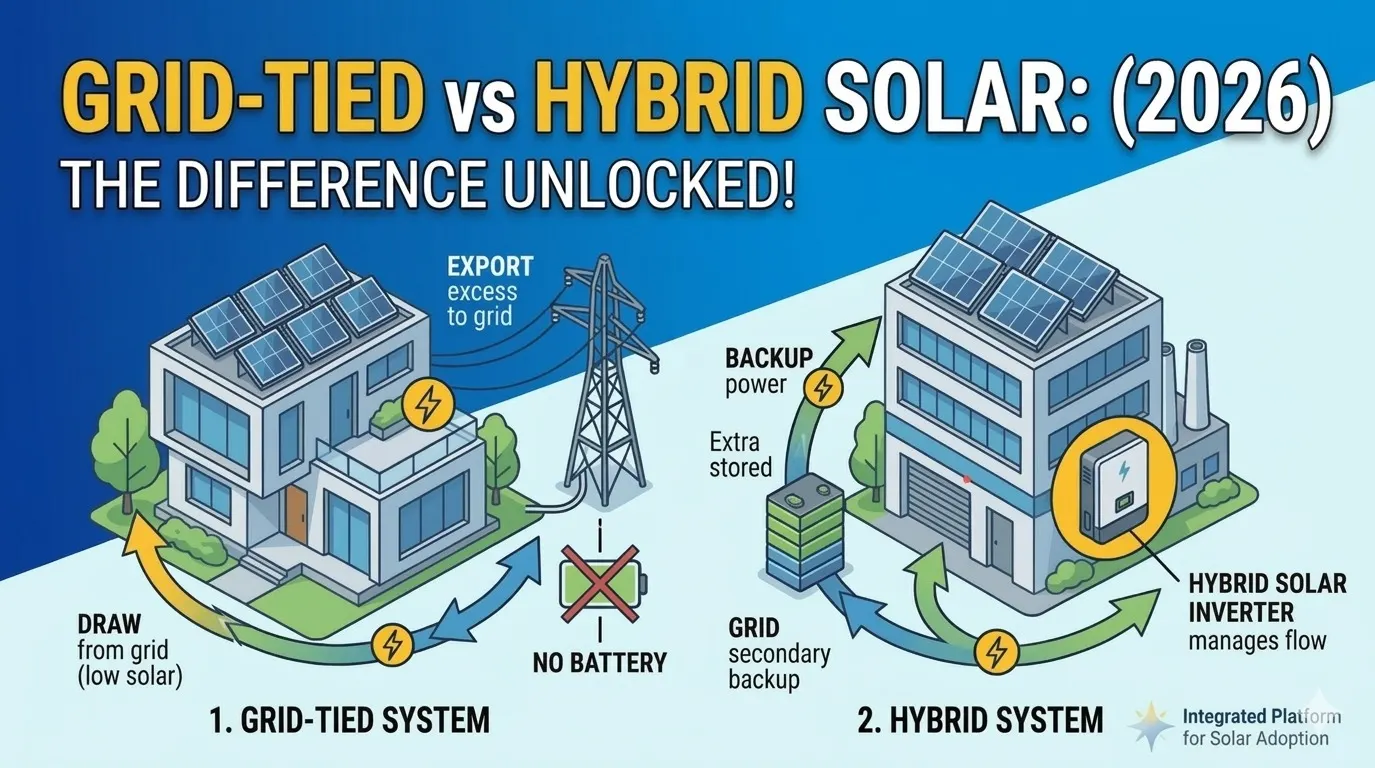
During the day, your home first uses the electricity generated by the solar panels. If the system produces more power than you're consuming, the surplus is exported to the electricity grid. Later, when solar generation drops, such as during the evening or on cloudy days, your home simply draws electricity back from the grid.
Instead of treating these as separate transactions, the utility calculates the difference between the electricity imported and exported during the billing cycle. That's where the term "net metering" comes from.
For most residential rooftop systems, this approach makes far better use of every unit of electricity generated.
How Net Metering Works
A simple example makes it easier to understand.
Imagine your rooftop system generates 30 units of electricity on a sunny day.
Your home consumes 18 units while the sun is shining.
The remaining 12 units are automatically exported to the grid through a bidirectional meter.
Later that evening, when your solar panels stop generating electricity, your home draws power from the grid as usual.
At the end of the billing cycle, the DISCOM calculates your net consumption after accounting for both imported and exported electricity.
That's essentially how net metering works in practice. Homeowners continue receiving reliable electricity while making full use of the energy produced by their rooftop system.
Net Metering vs Gross Metering
These two terms often get confused, even though they operate differently.
With net metering, electricity generated by your rooftop system is first consumed within your property. Only the surplus is exported to the grid.
With gross metering, all the electricity generated by the solar system is exported to the grid. The home continues purchasing its electricity separately from the utility.
Here's a simple comparison.
When comparing gross vs. net metering, residential consumers generally prefer net metering because it helps maximize savings from rooftop solar. Gross metering is more common for specific commercial or utility-scale projects, depending on the applicable regulations.
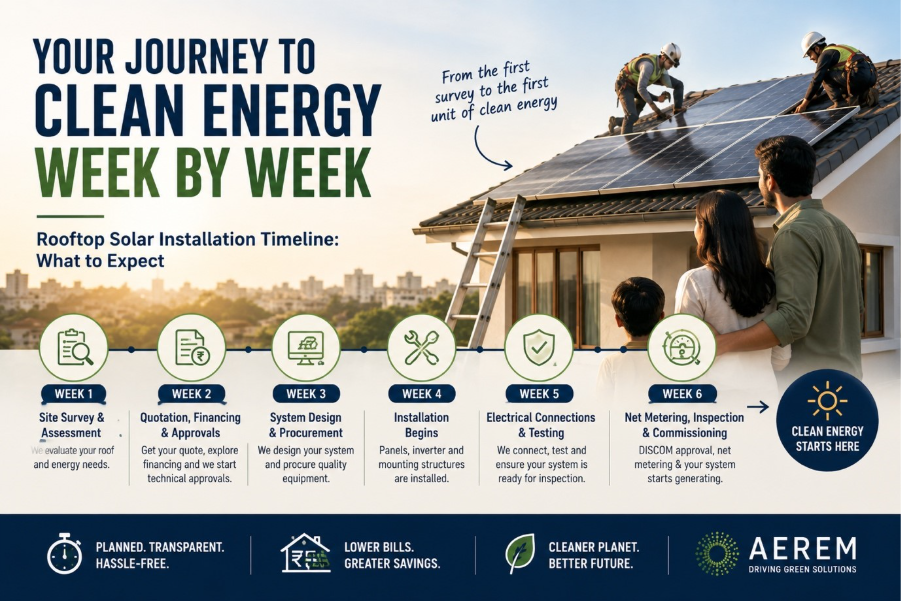
Net Metering Application Process
The paperwork often sounds more complicated than it actually is.
While the exact process varies slightly across electricity distribution companies, most homeowners follow a similar sequence.
Step 1
Choose an approved installer and finalize the system design.
Step 2
Submit the net metering application process through the respective DISCOM or state portal.
Step 3
The utility reviews the application and checks whether the proposed installation meets technical requirements.
Step 4
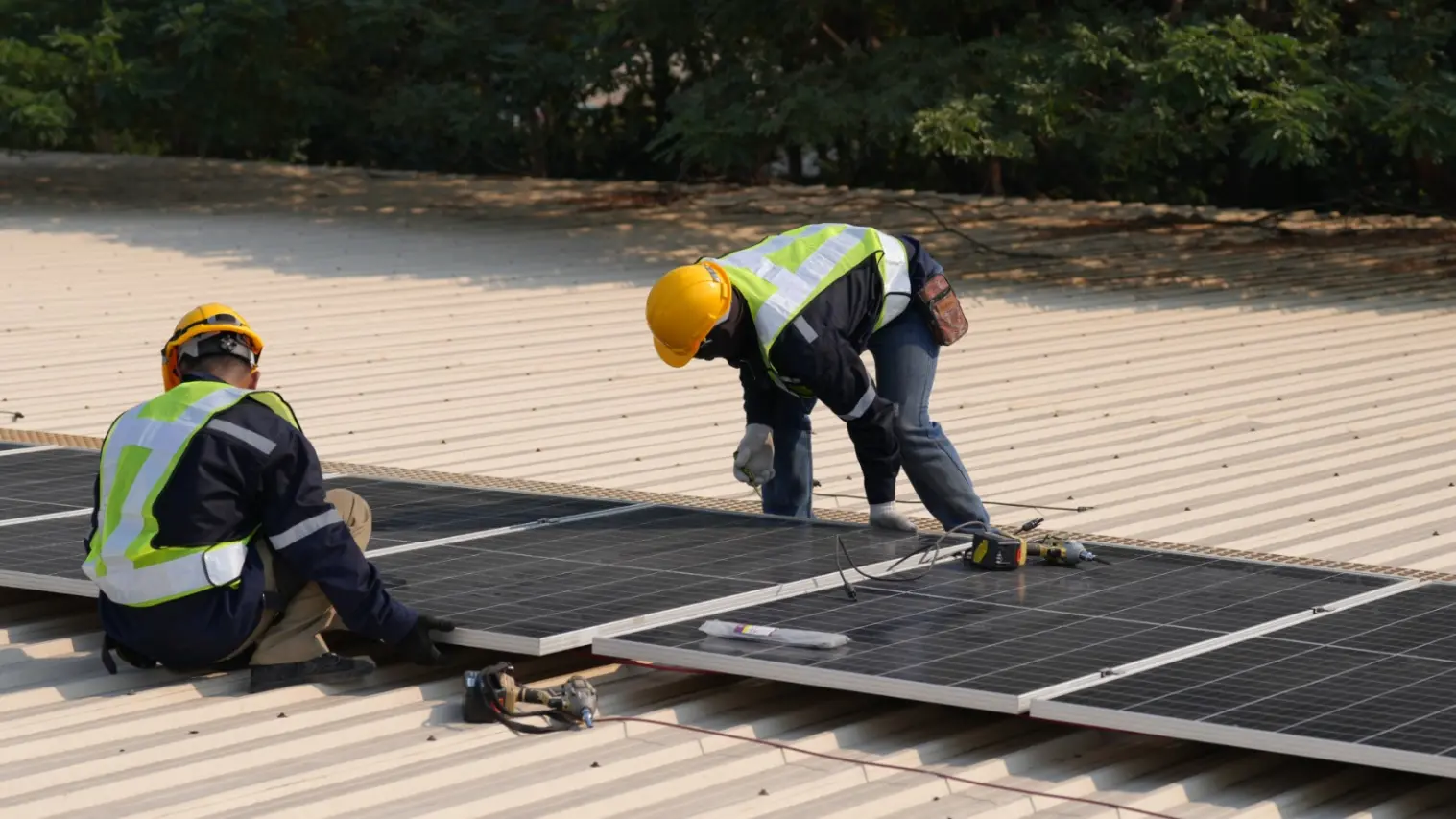
Once approval is granted, the rooftop solar system is installed.
Step 5
The DISCOM inspects the installation, replaces the existing electricity meter with a bidirectional net meter, and commissions the system.
Although individual timelines vary, working with an experienced installer usually makes the documentation process much smoother.
Documents Required
Most DISCOMs request a similar set of documents.
These generally include:
- Latest electricity bill
- Aadhaar or other government-issued identity proof
- Address proof
- Property ownership or occupancy documents
- System design submitted by the installer
- Technical specifications of the proposed equipment
Some utilities may request additional declarations depending on local regulations.
Having these documents ready before applying usually speeds up the approval process.
DISCOM Approval Timeline
A common question homeowners ask is how long approvals take.
There isn't a single answer because every electricity distribution company follows its own internal process.
In many states, DISCOM net metering approval can take anywhere between two and six weeks, provided the documentation is complete and the installation complies with technical standards.
If additional information or modifications are required, the process may take longer.
For this reason, experienced installers usually submit applications well before the planned installation date.
State-Wise Net Metering Rules
One of the most common questions homeowners ask is whether net metering works the same way everywhere in India. The short answer is no.
The broad framework for rooftop solar is guided by the Ministry of New and Renewable Energy (MNRE), but each State Electricity Regulatory Commission (SERC) and DISCOM decides how the policy is implemented. That means details such as eligible system size, billing cycle, export settlement, and application procedures can differ from one state to another.
Here's a snapshot of how some major states currently approach net metering.
Although the process looks similar across states, the finer details can vary. Before beginning an installation, it's always worth checking the latest guidelines published by your DISCOM because net metering rules by state are revised from time to time.
Eligibility Criteria for Net Metering
For most homeowners, the eligibility requirements are fairly straightforward.
You can generally apply if you:
- Have a valid electricity connection with the local DISCOM.
- Own or are authorized to use the property where the solar system will be installed.
- Install a grid-connected rooftop solar system that complies with MNRE and BIS standards.
- Use equipment approved under the applicable regulations.
- Complete the application through the relevant DISCOM or National Rooftop Solar Portal where applicable.
Technical feasibility is also assessed before approval. The utility checks whether the local distribution network can safely accommodate the proposed rooftop system.
Benefits of Net Metering
For most households, net metering improves the value of every unit of electricity their rooftop system generates.
Some of the biggest advantages include:
- Lower monthly electricity bills through adjustment of exported energy.
- Better utilization of daytime solar generation.
- Faster recovery of rooftop solar investment.
- Reduced dependence on grid electricity during daylight hours.
- Greater long-term value from residential solar solutions.
Homeowners who generate more electricity during the day than they consume often see the greatest benefit, particularly if family members are away at work or school while the system continues producing power.
Common Challenges in Net Metering Approval
Most applications move smoothly when the paperwork is complete, but delays can happen.
Some common reasons include:
- Missing or incorrect documents.
- Differences between the approved system design and the installed system.
- Delays in technical inspections.
- Limited transformer capacity in certain locations.
- Longer scheduling times for meter replacement.
Working with an experienced installer usually helps avoid many of these issues because the documentation and technical submissions are prepared correctly from the beginning.
Net Metering Capacity Limits
A question that often comes up is whether every rooftop system automatically qualifies for net metering.
The answer depends on the applicable regulations.
For residential consumers, eligibility is generally linked to the sanctioned load and the regulations issued by the respective state electricity regulatory commission. Commercial consumers may be subject to different limits, while larger systems often transition to net billing or open-access arrangements instead of conventional net metering.
Rather than relying on general rules found online, homeowners should always confirm the applicable solar net metering capacity limit with their DISCOM before finalizing system size.
How Aerem Helps Beyond Installation
Installing rooftop solar is only part of the journey. Once the system starts generating electricity, homeowners naturally want to know whether it's performing as expected.
Aerem supports customers well beyond financing and installation. Through solar plant monitoring, users can keep track of electricity generation, identify performance trends, and better understand how their rooftop system is contributing to monthly savings.
Along with financing and trusted installation partners, Aerem brings together practical residential solar solutions that help homeowners make informed decisions throughout the life of their solar system.
Conclusion
Net metering is one of the reasons rooftop solar has become financially attractive for homeowners across India. By allowing surplus electricity to flow back into the grid, it helps households make full use of the energy their systems generate instead of letting it go unused.
The application process has become considerably more streamlined over the past few years, although approval timelines and technical requirements still vary from one DISCOM to another. Before planning a rooftop installation, it's worth spending a little time understanding your local regulations and discussing them with an experienced installer. A well-designed system paired with the right net metering arrangement can make a noticeable difference to long-term electricity savings while improving the overall value of your rooftop solar investment.















.png)


.png)




.jpeg)
.jpeg)





.jpeg)












.jpeg)
.webp)
.png)
.png)
.png)
.png)
.png)

.png)

.jpg)
