
.webp)

.webp)
.webp)
.webp)


.svg)
.svg)

Introduction
A few years ago, setting up a utility-scale solar project was something only large energy companies considered. Today, the conversation has widened. Industrial groups, infrastructure developers, independent power producers, and even landowners are actively exploring opportunities in solar.
Among the various project sizes, a 5 MW plant often sits in an interesting position. It's large enough to supply significant amounts of clean electricity, yet still manageable for developers looking to enter the renewable energy sector without building a utility-scale park spanning hundreds of megawatts.
Naturally, the first questions are always practical ones. How much land will it need? What does a 5 MW solar power plant cost? How much electricity can it generate? And perhaps the biggest question of all: Does the investment make financial sense?
The answer depends on several factors, including location, equipment selection, financing, land availability, and the revenue model. This guide brings those pieces together to provide a realistic picture of what goes into developing a solar power plant in India at the 5 MW scale.
What is a 5 MW solar power plant?
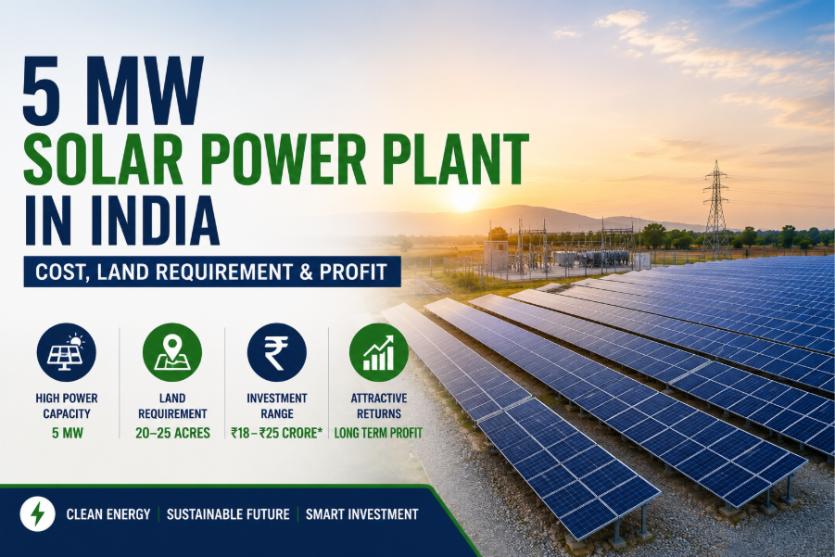
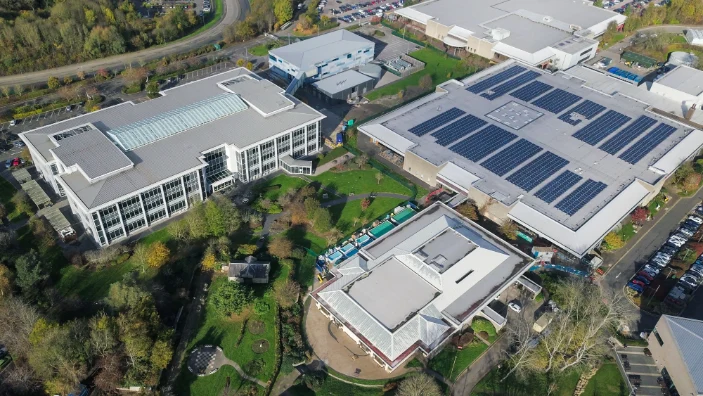
A 5 MW solar plant is a utility-scale photovoltaic installation capable of generating up to 5 megawatts, or 5,000 kilowatts, of electricity under ideal operating conditions.
Unlike rooftop systems that primarily serve a single building, projects of this scale are designed to supply electricity to the grid, industrial consumers, or commercial buyers through long-term power purchase agreements (PPAs) or open-access arrangements.
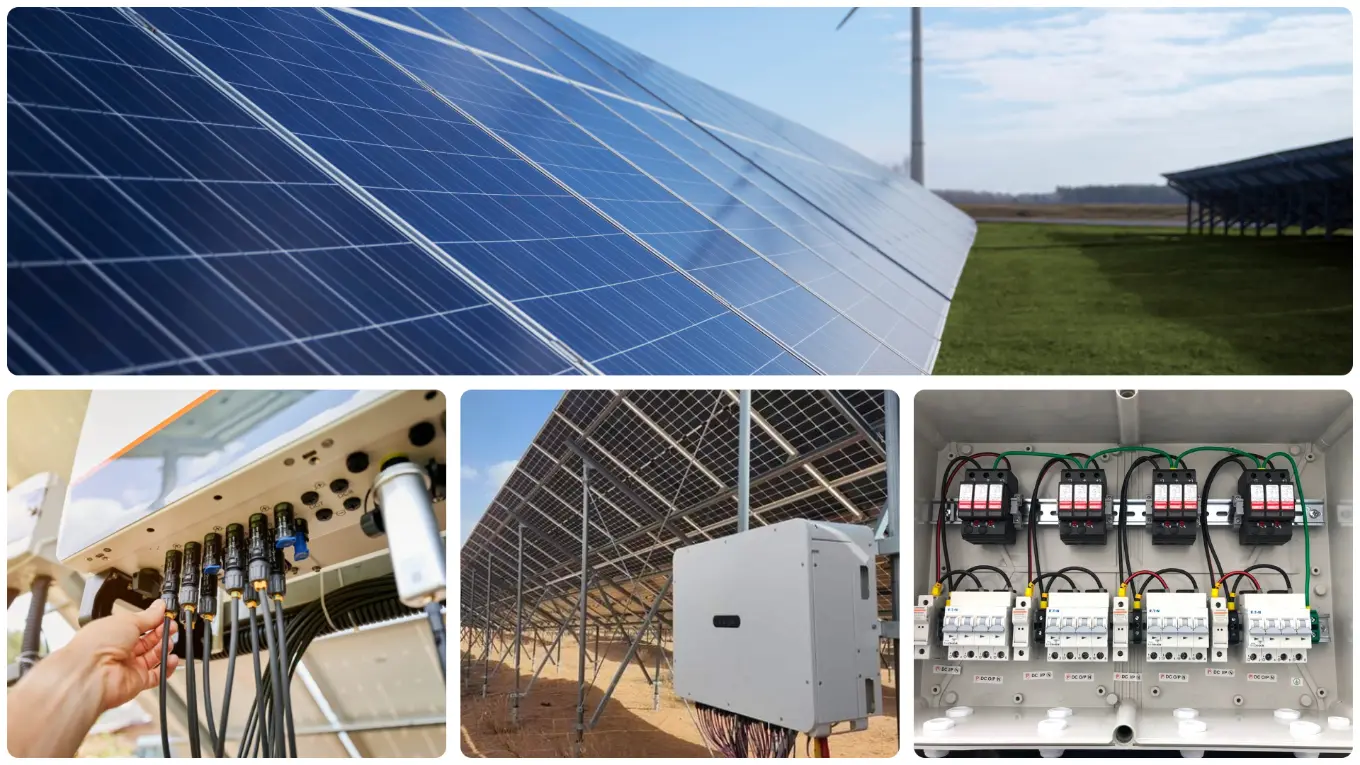
A typical solar power plant project includes thousands of solar modules connected through inverters, transformers, and high-voltage transmission equipment. While the technology itself is well established, every project is designed around local conditions such as land availability, grid connectivity, and solar irradiation.
For developers entering the renewable energy sector, a 5 MW plant often represents the first step into utility-scale generation.
Land Requirement for a 5 MW Solar Plant
Land is usually the first major decision in any utility-scale solar project.
Although panel efficiency has improved considerably over the past decade, projects of this size still require substantial open space.
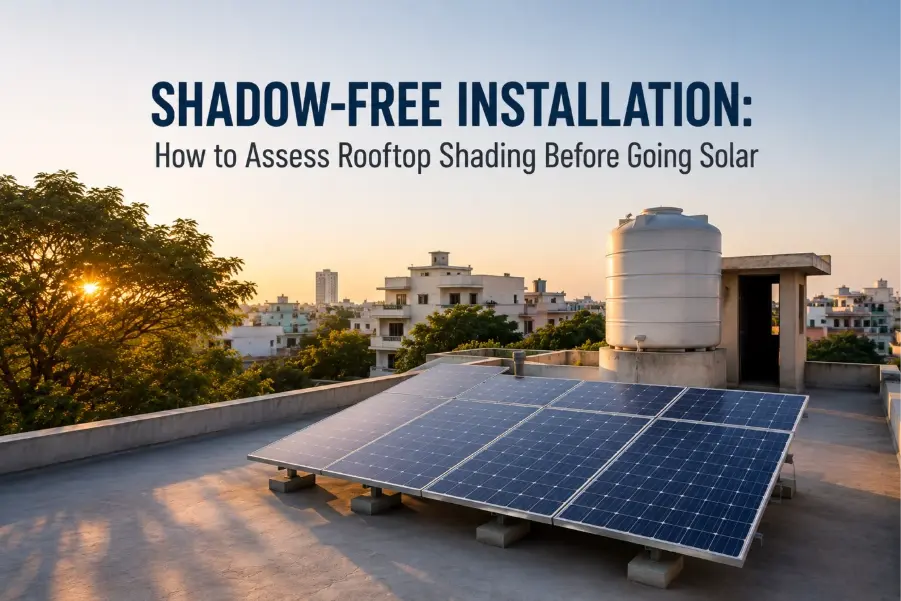
As a general industry benchmark, a 5 MW solar power plant requires approximately 20 to 25 acres of relatively flat, shadow-free land. The exact requirement depends on the type of solar modules, row spacing, terrain, and mounting structure.
Location matters just as much as the size of the site.
Developers generally look for land that offers:
- Good annual solar irradiation.
- Easy road access for transporting equipment.
- Proximity to grid infrastructure.
- Stable soil conditions for foundations.
- Minimal shading throughout the day.
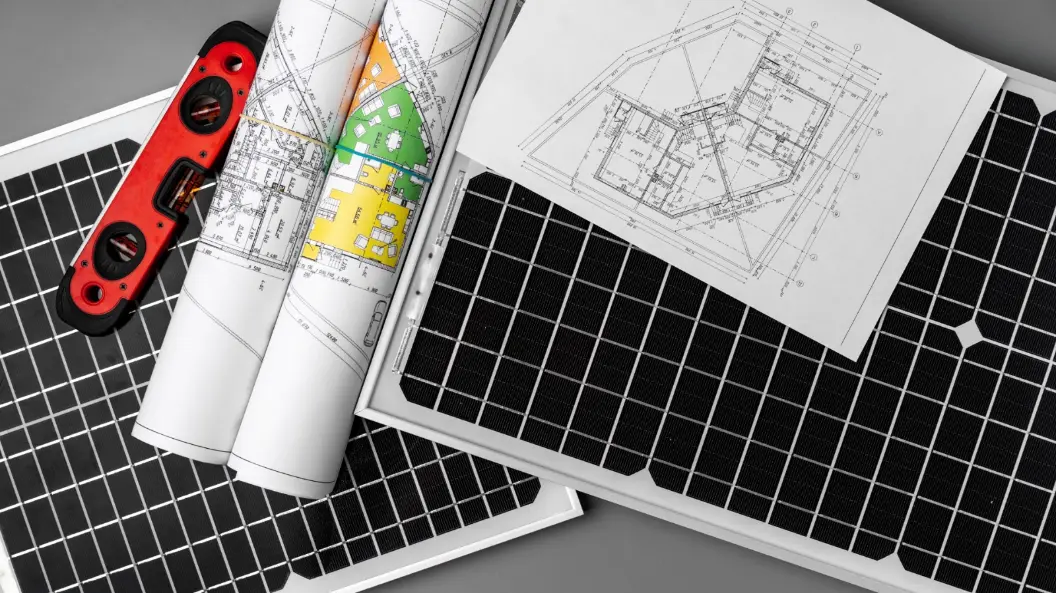
Land that appears suitable on paper may still require significant preparation before construction begins, so detailed site assessments are an important early step in any solar panel project.
Equipment Required for a 5 MW Solar Plant
A utility-scale installation is much more than rows of solar panels.
Every component has a specific role in ensuring the plant generates electricity efficiently and operates reliably over the next two or three decades.
A typical project includes:
Solar Modules
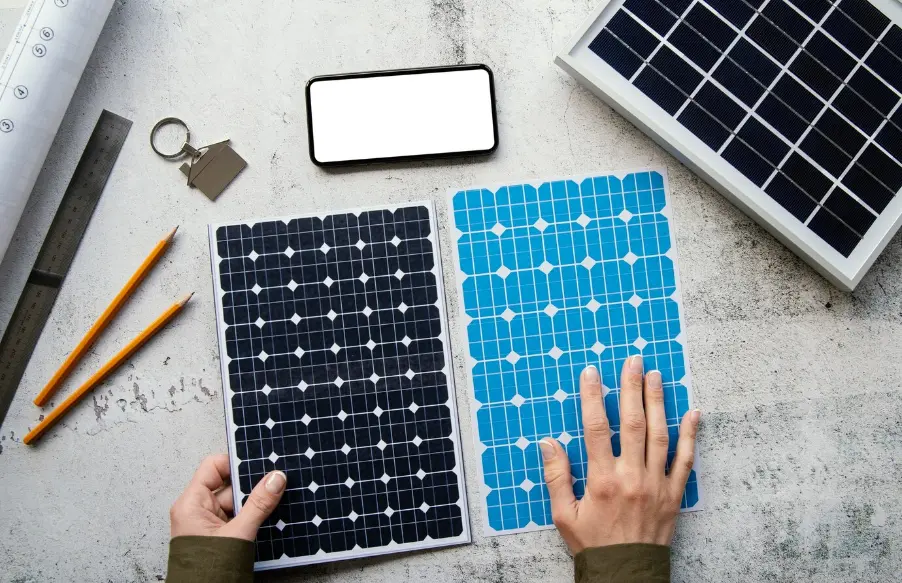
Solar panels remain the largest component of the project. Most modern plants now use high-efficiency monocrystalline modules, often incorporating technologies such as TOPCon or bifacial cells to improve energy generation.
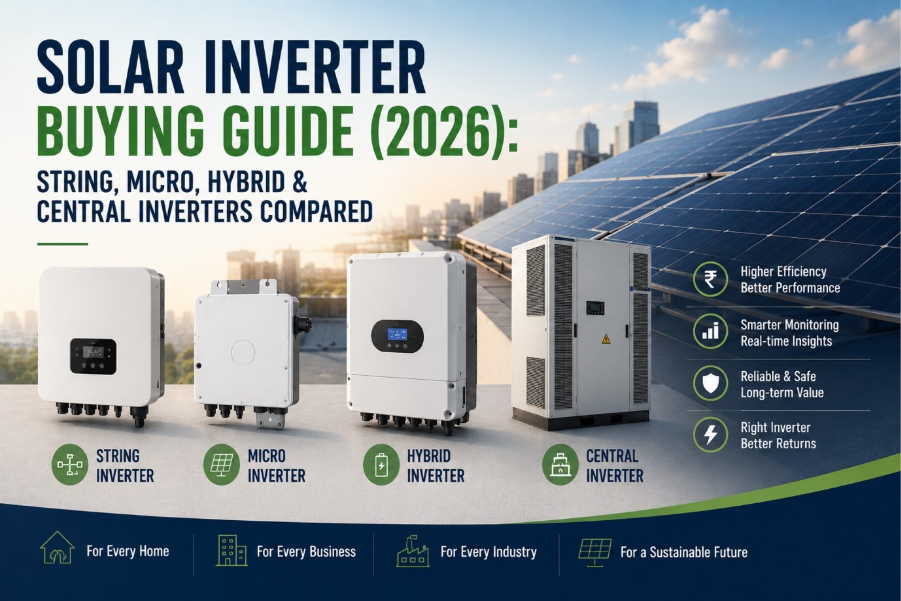
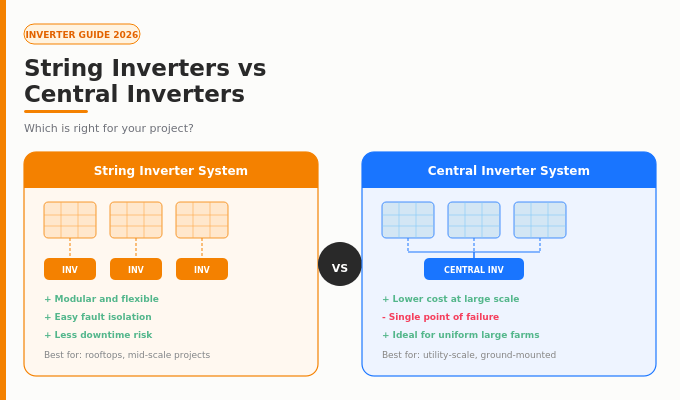
String or Central Inverters
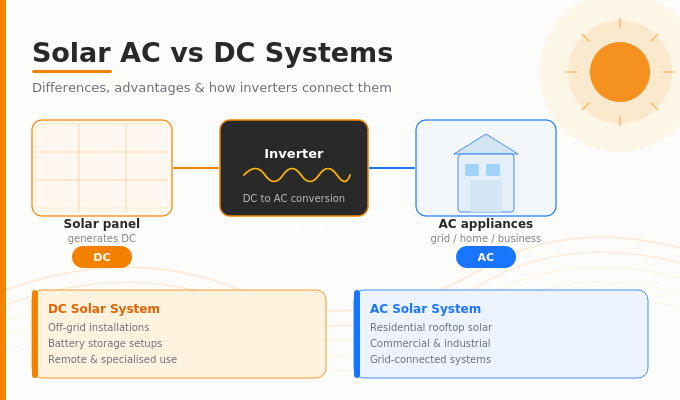
The electricity produced by the panels is converted from direct current (DC) into alternating current (AC) before it can be transmitted to the grid.
The choice between string and central inverters usually depends on plant design, maintenance strategy, and long-term operational preferences.
Mounting Structures
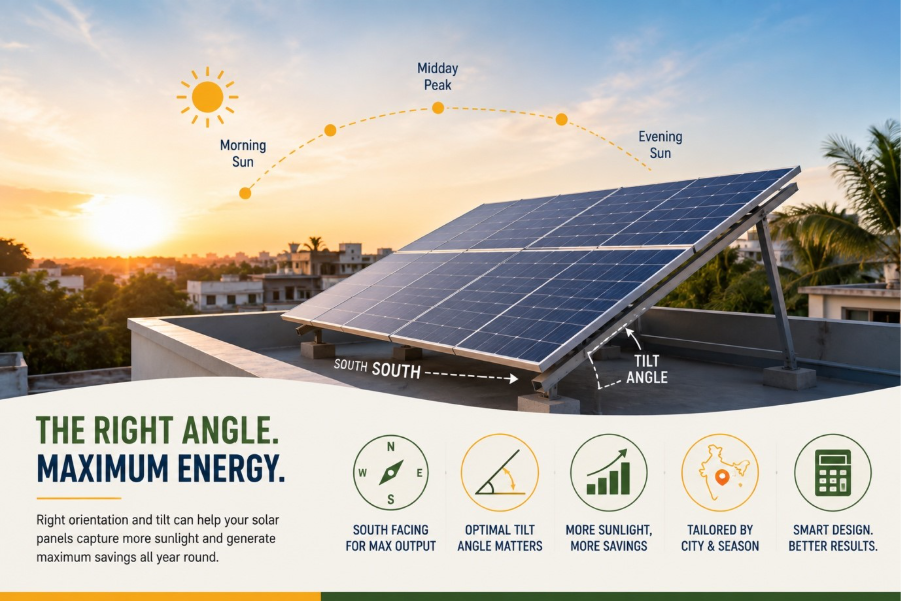
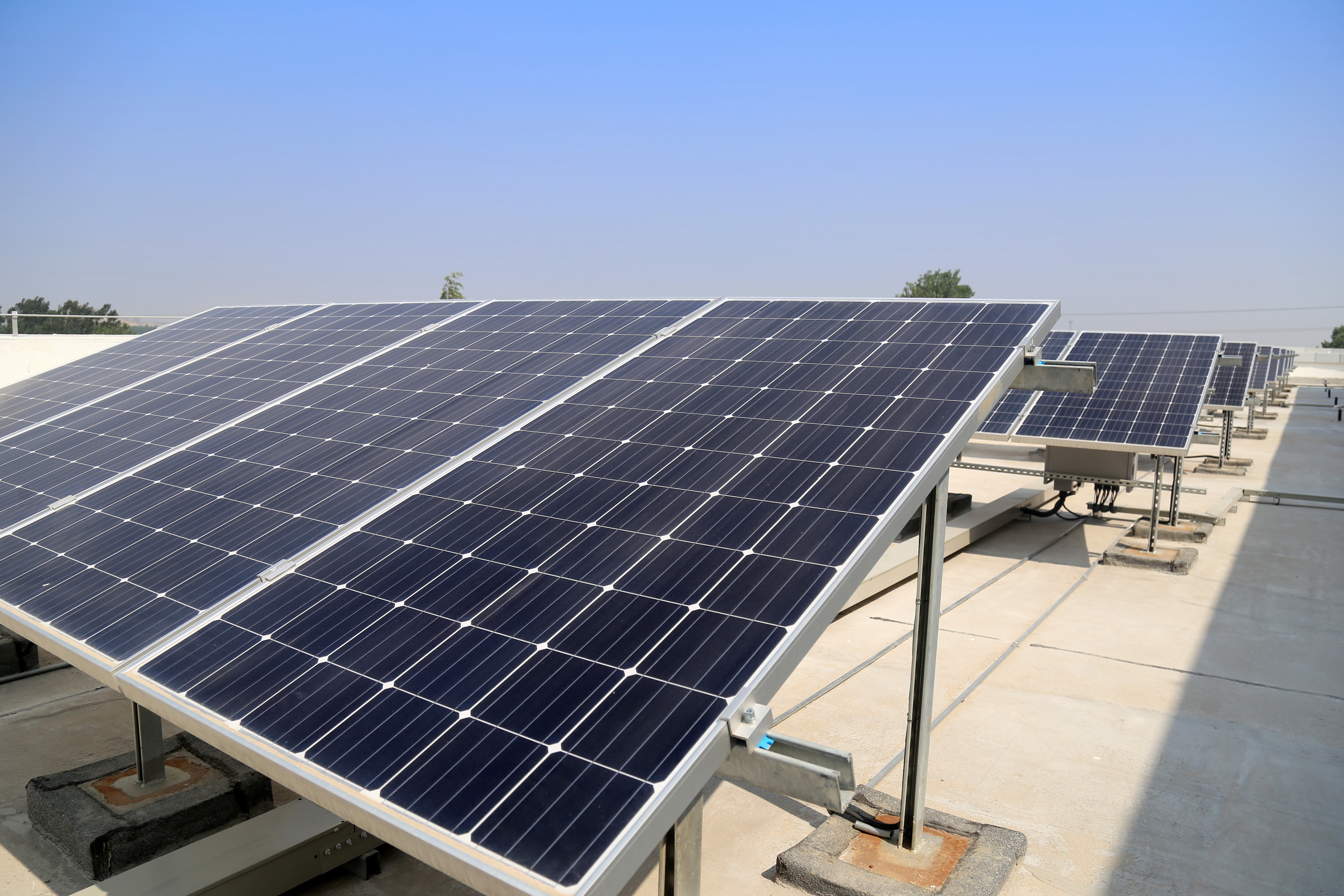
Steel or aluminum mounting systems support the solar modules while maintaining the correct tilt angle for maximum energy generation.
Depending on the project, developers may choose either fixed-tilt structures or single-axis trackers, which follow the movement of the sun and can improve annual energy production.
Transformers and Switchyard
Before electricity enters the transmission network, voltage levels are increased through transformers.
The switchyard provides the necessary protection and control systems before power is exported to the grid.
SCADA and Monitoring Systems
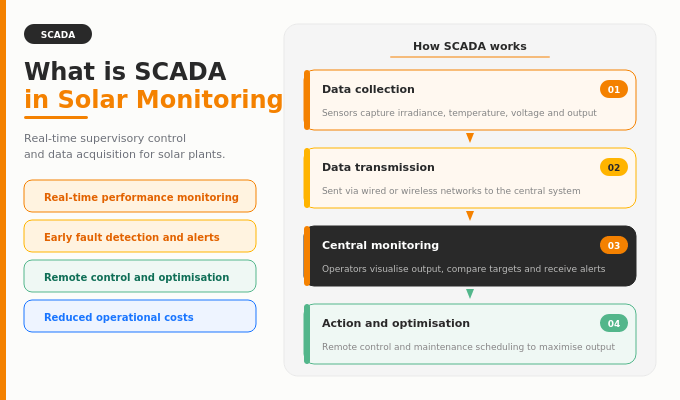
Modern plants are continuously monitored through Supervisory Control and Data Acquisition (SCADA) systems.
These platforms allow operators to track performance, identify equipment faults, and optimize generation without physically inspecting every section of the plant.
Cost of Setting Up a 5 MW Solar Power Plant
One of the most searched topics is 5 MW solar power plant cost, but there isn't a universal figure.
Project costs depend on several variables, including equipment selection, land ownership, transmission infrastructure, financing costs, and construction conditions.
Based on current utility-scale market trends in India, a solar power plant cost for a 5 MW project typically falls between ₹18 crore and ₹25 crore. This estimate generally includes:
- Solar modules
- Inverters
- Mounting structures
- Transformers
- Civil works
- Electrical works
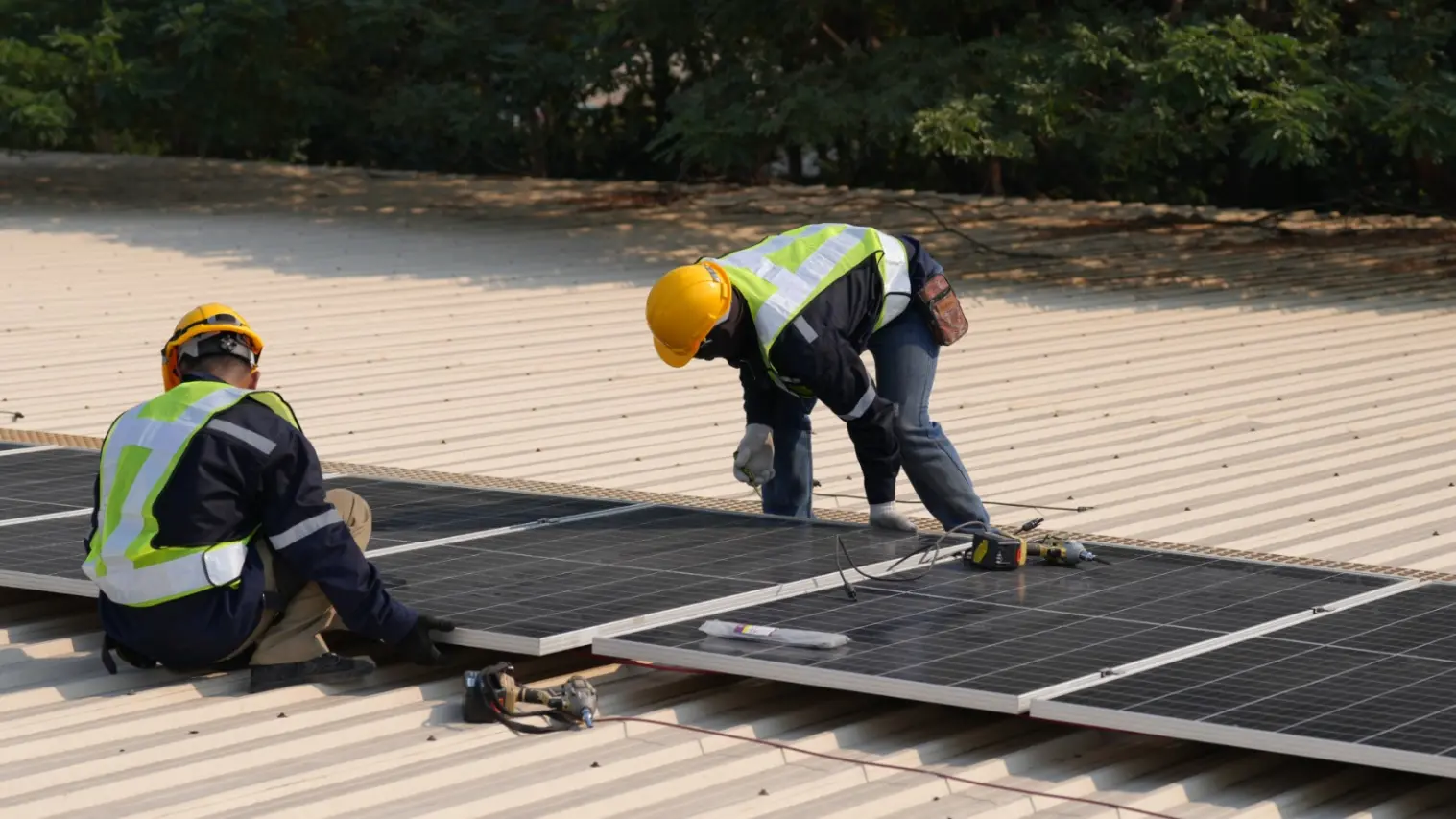
- Installation and commissioning
- Grid interconnection equipment
Land acquisition costs are usually considered separately because they vary significantly from one state to another.
Since large-scale projects require substantial capital, many developers also explore solar system financing to manage project costs while maintaining healthy cash flow throughout the construction phase.
Electricity Generation Capacity
A 5 MW solar plant is built to generate electricity at scale, but the exact output depends on where it's located and how efficiently it's designed.
In India, utility-scale projects typically operate at a Capacity Utilization Factor (CUF) of around 18–22%, depending on the state, solar irradiation, and equipment used.
As a broad estimate, a well-performing 5 MW plant can generate approximately:
- 20,000–25,000 units of electricity per day
- 6.5–8 million units (kWh) annually
States such as Rajasthan, Gujarat, and parts of Karnataka generally record higher annual generation because they receive stronger solar radiation and experience more clear-sky days throughout the year.
While generation estimates are useful during the planning stage, developers usually rely on detailed solar resource assessments before making investment decisions.
Revenue and Profit Potential
The question every investor eventually asks is simple: How much can a 5 MW plant earn?
There's no single answer because revenue depends on how the electricity is sold.
Projects developed under long-term Power Purchase Agreements (PPAs) receive a fixed tariff agreed upon in advance. Others operate under open-access arrangements where electricity is supplied directly to commercial or industrial consumers. Merchant projects may sell power through electricity exchanges, where tariffs fluctuate with market conditions.
Because tariffs differ across states and business models, profitability is usually assessed through annual cash flow rather than a fixed revenue figure.
The financial performance of a solar plant business is influenced by factors such as:
- Plant generation
- Electricity tariff
- Operations and maintenance costs
- Financing structure
- Plant availability
- Module degradation over time
Most utility-scale projects are designed to generate stable returns over 25 years or more, making them attractive for investors seeking predictable long-term infrastructure assets.
Government Policies and Solar Incentives
Unlike residential rooftop systems, utility-scale projects are not covered under the residential solar panel subsidy available through the PM Surya Ghar program.
Instead, developers benefit from a broader policy ecosystem created to encourage renewable energy investment.
Some of the important measures include:
- Solar parks developed under the Ministry of New and Renewable Energy (MNRE).
- Competitive bidding through the Solar Energy Corporation of India (SECI).
- Open-access regulations in several states.
- Renewable Purchase Obligations (RPOs), which continue to drive demand for clean electricity.
- Interstate Transmission System (ISTS) charge waivers for eligible projects commissioned within notified timelines, subject to current government policy.
Developers planning projects in high solar-potential states often compare funding options such as solar panel loans in Rajasthan, where strong solar resources continue to support large-scale renewable energy investments.
ROI and Payback Period
Large solar projects are usually evaluated over decades rather than years.
The initial investment is significant, but operating costs remain relatively low once the plant becomes operational. Since sunlight is the primary fuel, annual expenditure is largely limited to maintenance, cleaning, insurance, and equipment servicing.
For many utility-scale projects, the investment is recovered within six to nine years, depending on:
- Project cost
- Financing terms
- Electricity tariff
- Annual energy generation
- Plant availability
- Operating expenses
After the payback period, the plant continues generating electricity for many more years, which is why investors often view solar as a long-term infrastructure asset rather than a short-term business opportunity.
Challenges in Utility-Scale Solar Projects
Building a large solar power plant project involves much more than installing panels.
Land acquisition remains one of the biggest considerations, particularly in regions where parcels of suitable land are fragmented or located far from transmission infrastructure.
Other factors that developers plan for include:
- Grid connectivity and evacuation capacity.
- Environmental and statutory approvals.
- Weather-related construction delays.
- Long-term equipment performance.
- Financing and interest rate movements.
- Operations and maintenance across the plant's lifetime.
Most successful projects begin with careful planning long before construction starts.
How Aerem Supports Large Solar Projects
Large solar investments involve multiple stakeholders, from project developers and EPC contractors to financial institutions and equipment suppliers. Coordinating these moving parts often has a greater impact on project success than any single component.
Aerem helps simplify that journey by supporting the financing and execution of renewable energy projects through an integrated platform. Whether you're evaluating a new solar panel project, estimating solar power plant cost, or exploring funding options for a commercial solar power plant in India, Aerem helps developers move from planning to execution with greater confidence and transparency.
Conclusion
A 5 MW solar project represents a substantial investment, but it also reflects the direction in which India's energy sector is moving. As industries increasingly look for reliable and cleaner sources of electricity, utility-scale solar continues to play an important role in meeting that demand.
The success of a project depends on much more than the equipment installed. Choosing the right site, understanding local regulations, securing grid connectivity, and planning the financial structure are all equally important. When these pieces come together, a solar power plant in India has the potential to deliver dependable energy generation and stable returns over the long term.


















.png)



.png)



.jpeg)
.jpeg)





.jpeg)








.jpeg)
.webp)
.png)
.png)
.png)
.png)
.png)

.png)
.jpg)
